See the monuments around you in AROpen chests in the app
Around Us is built for your phone — point your camera at the streets and discover the monuments and places around you in augmented reality.Around Us is built for your phone — chests unlock when you walk, explore and capture nearby places.
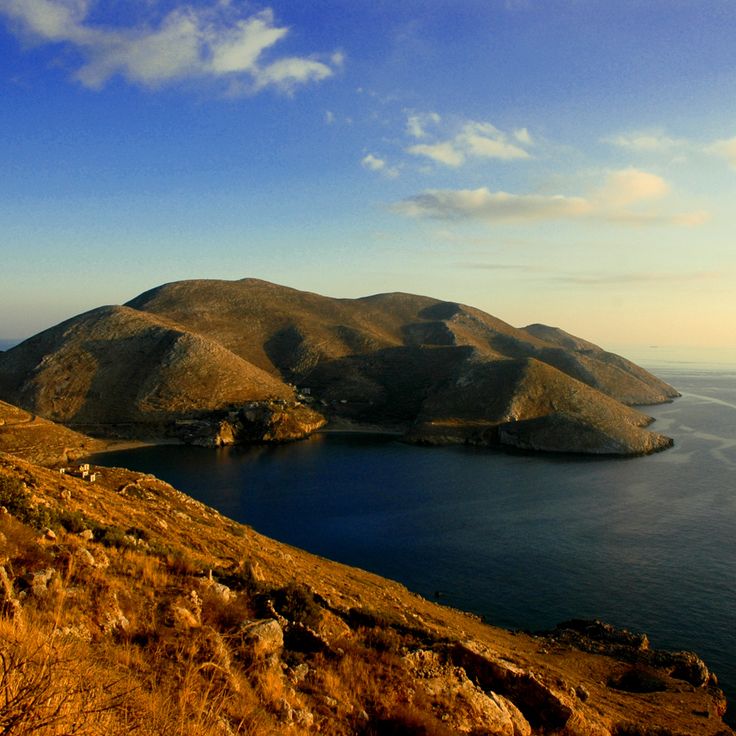
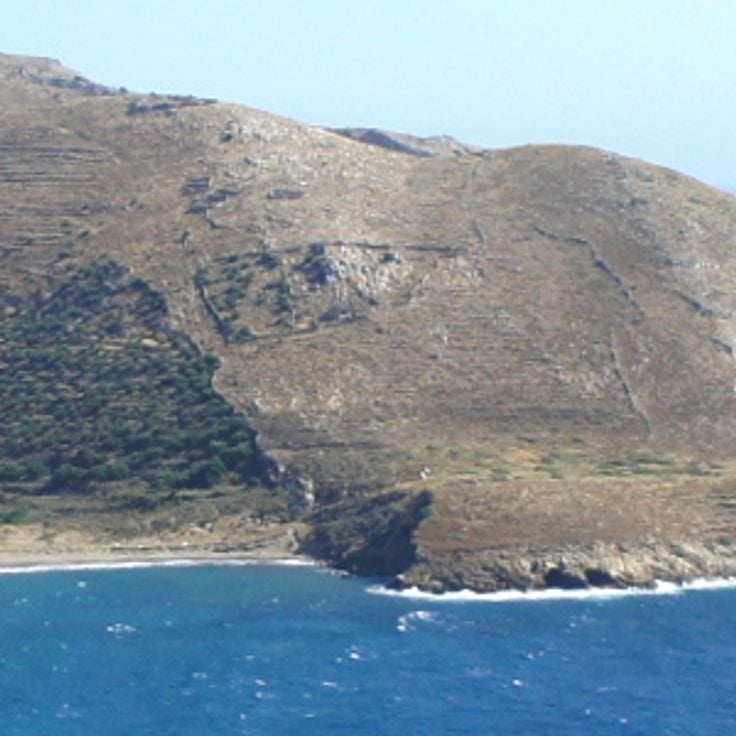
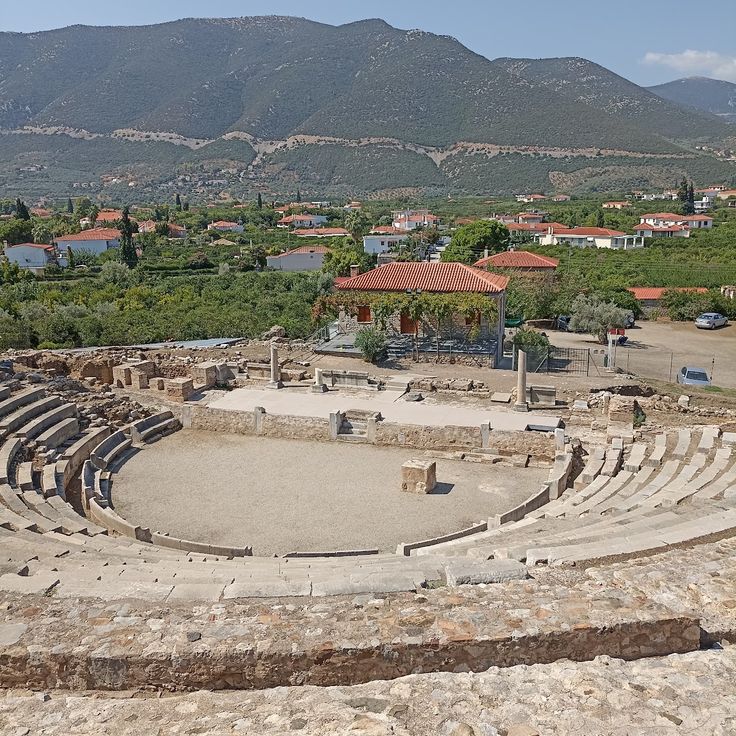
The Peloponnese peninsula is a place where history and nature coexist. You will find ancient theaters carved into hillsides, medieval castles standing on rocky cliffs, and the remains of Byzantine structures scattered across the landscape. Natural wonders are equally impressive: waterfalls cascade through forested valleys at Polylimnio and Neda, while mountain ranges, hidden caves, and long stretches of coastline invite you to explore on foot or by water. Ancient Olympia, recognized by UNESCO, sits here as one of the world's most important archaeological sites, and the fortress of Monemvasia rises dramatically from the sea. Whether you are drawn to walking through ancient theaters where audiences once sat thousands of years ago, climbing to castle ruins with views across the peninsula, or discovering waterfalls hidden in ravines, this region offers something for different interests. The landscape changes constantly as you travel: one moment you are surrounded by pine forests and rocky slopes, the next you are at a quiet beach or standing in a cool cave. Daily life in the small villages feels removed from the busier parts of Greece, giving visitors a sense of stepping back in time while still having comfortable places to stay and eat. The Peloponnese rewards those who take time to wander, discover, and sit with the views.
The Peloponnese peninsula is a place where history and nature coexist. You will find ancient theaters carved into hillsides, medieval castles standing on rocky cliffs, and the remains of Byzantine structures scattered across the landscape. Natural wonders are equally impressive: waterfalls cascade through forested valleys at Polylimnio and Neda, while mountain ranges, hidden caves, and long stretches of coastline invite you to explore on foot or by water. Ancient Olympia, recognized by UNESCO, sits here as one of the world's most important archaeological sites, and the fortress of Monemvasia rises dramatically from the sea. Whether you are drawn to walking through ancient theaters where audiences once sat thousands of years ago, climbing to castle ruins with views across the peninsula, or discovering waterfalls hidden in ravines, this region offers something for different interests. The landscape changes constantly as you travel: one moment you are surrounded by pine forests and rocky slopes, the next you are at a quiet beach or standing in a cool cave. Daily life in the small villages feels removed from the busier parts of Greece, giving visitors a sense of stepping back in time while still having comfortable places to stay and eat. The Peloponnese rewards those who take time to wander, discover, and sit with the views.
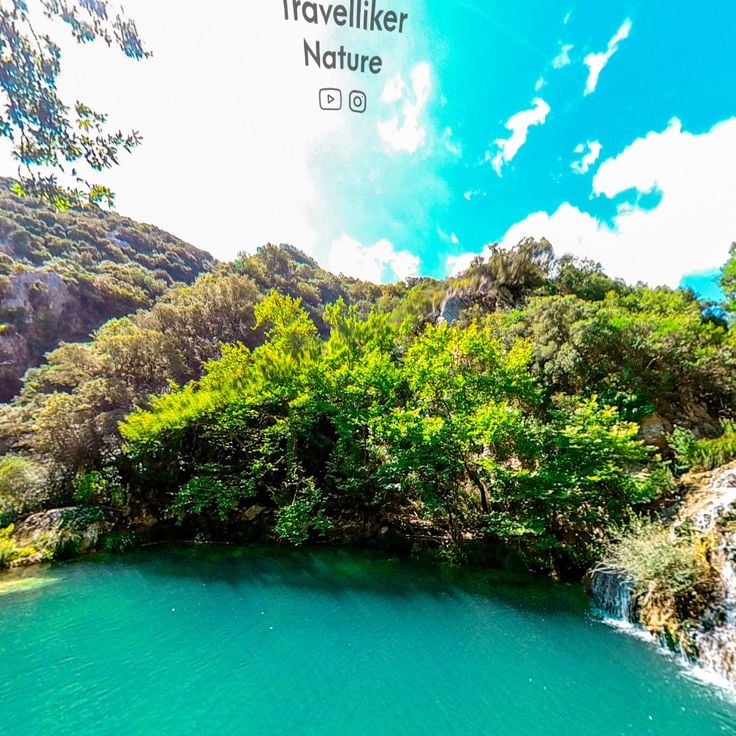
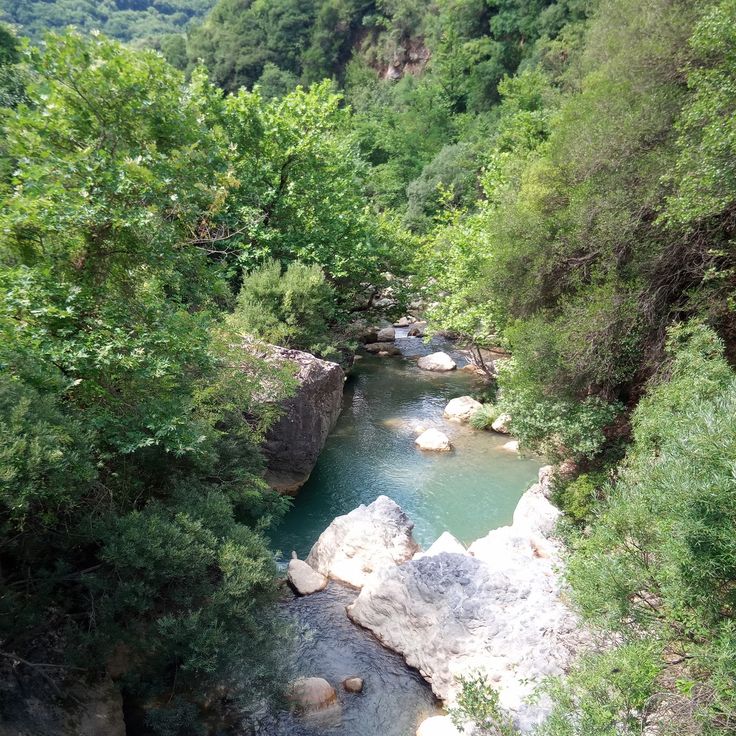
The Polylimnio Waterfalls are part of the natural wonders of the Peloponnese and consist of a network of fifteen natural water pools connected by small waterfalls in a forest environment. Visitors can swim in several basins while exploring the outdoor landscapes that define this region alongside ancient theaters, medieval castles, and Byzantine ruins.
The Neda Waterfalls are part of the Neda River, the only Greek river with a female name, and represent one of the natural wonders within the Peloponnese peninsula. Water flows through stone arches and natural caves, creating a powerful spectacle that draws visitors to explore this area alongside other regional attractions such as ancient theaters, medieval castles, and Byzantine ruins.
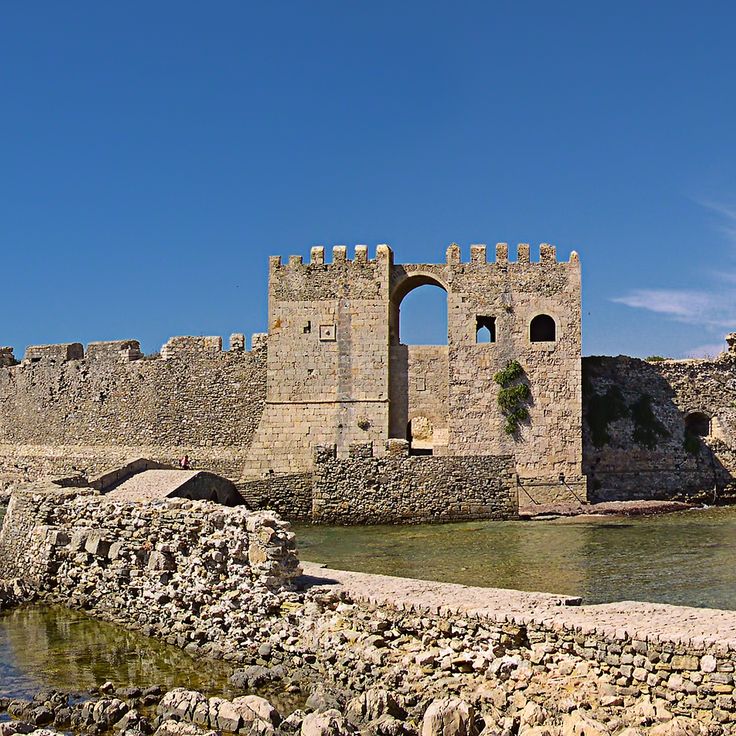
This fortress from the 13th century stands on a rocky promontory in the Peloponnese, part of the region's historical landmarks and natural wonders. Stone paths connect eight gates and lead to an octagonal tower on a small islet. The structure offers insight into the medieval architecture and defensive systems of this coastal area.
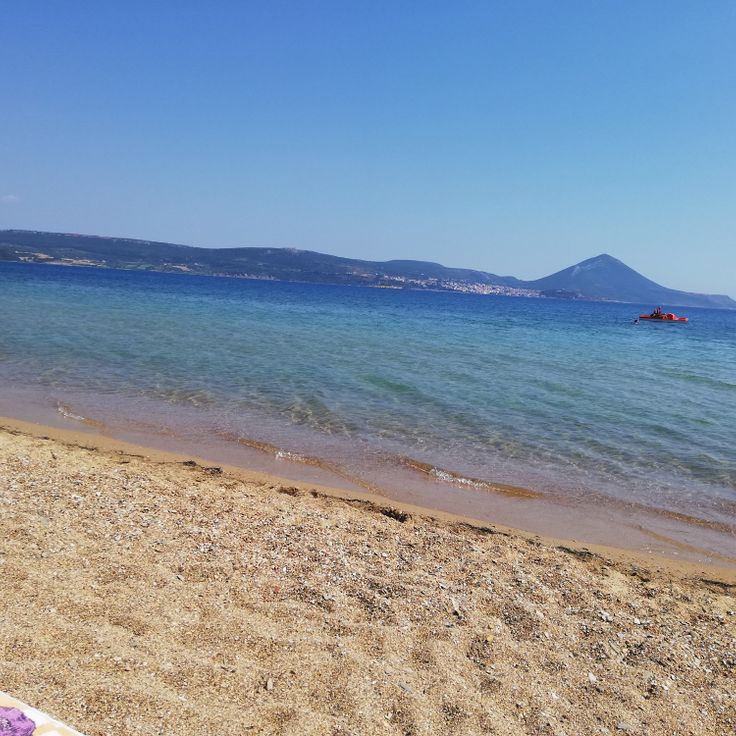
Voidokilia Beach shapes the Peloponnese landscape with its distinctive curved form resembling the Greek letter omega. Sand dunes border the shoreline near an ancient acropolis and a medieval castle. This beach demonstrates the natural variety of the region, which also features ancient theaters, Byzantine ruins, and waterfalls waiting to be explored.
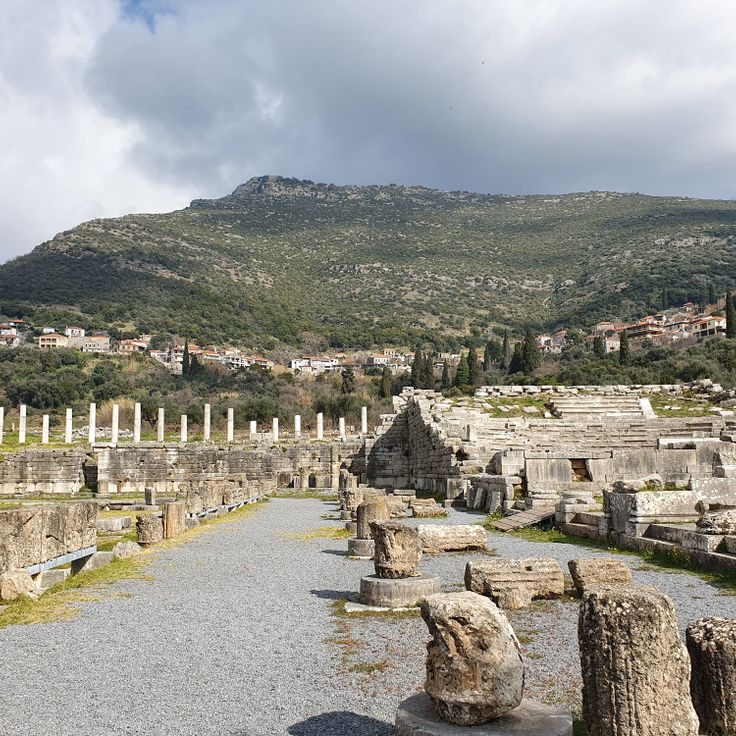
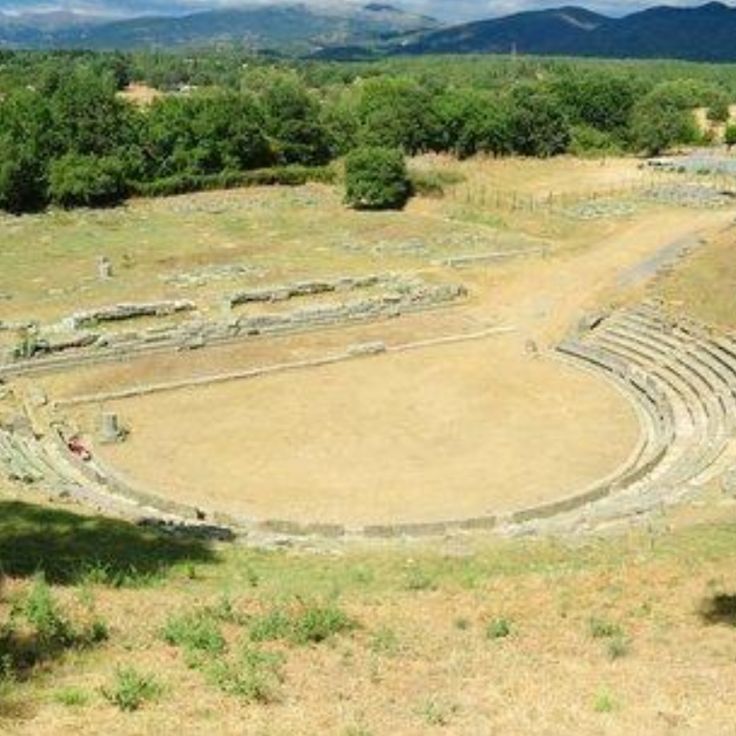
The Archaeological Site of Messene is an ancient city founded in 369 BC located in the Peloponnese region. Among the historical landmarks and natural wonders of this peninsula, this site stands out for its well-preserved structures including a stadium, theater, temples, and fortification walls that surrounded the city. Walking through these ruins gives you a sense of daily life in ancient times and complements visits to other significant sites like Ancient Olympia and Monemvasia.
Kardamyli is a coastal settlement in Messenia that reflects the region's blend of history and natural beauty found throughout the Peloponnese. Stone houses line its narrow streets, while olive groves and cypress trees reach down to the water's edge. The village preserves a traditional way of life where ancient building methods and local vegetation shape the character of daily life.
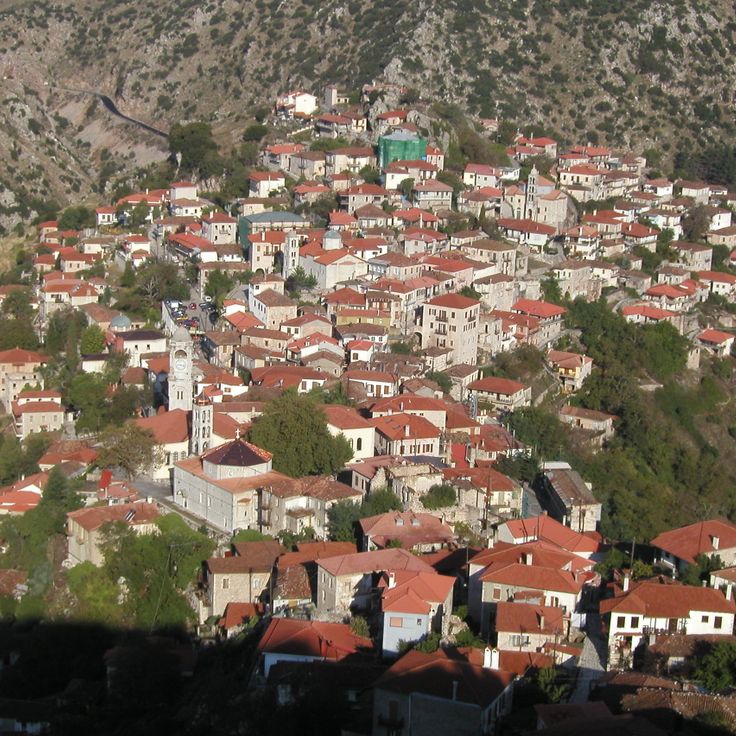
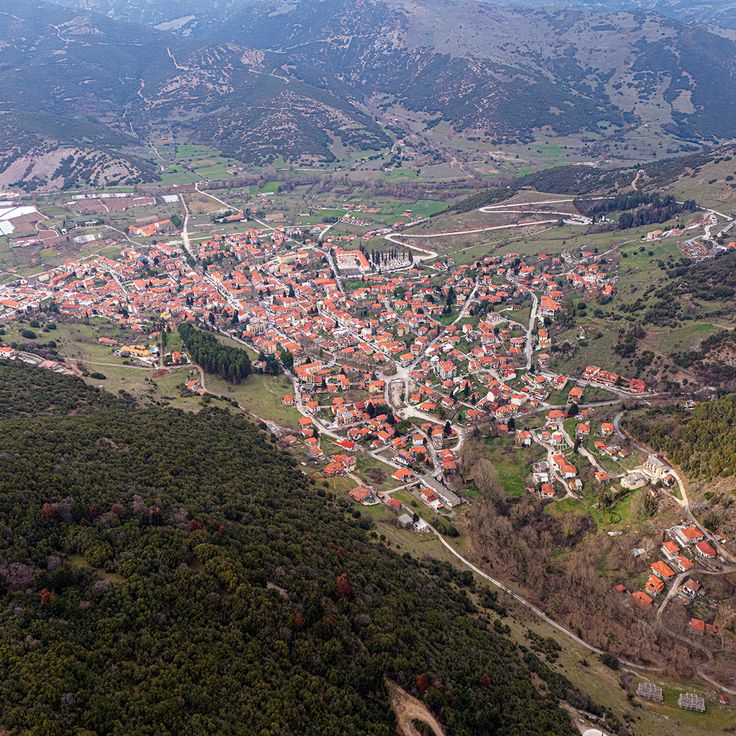
Dimitsana is a mountain settlement in the Peloponnese located at 960 meters elevation. The village shows how people lived in this region over time, with old stone mansions and working watermills. A museum here tells the story of gunpowder production, which was once a major industry. Dimitsana sits among the varied landscape of the Peloponnese, where you can also find ancient theaters, medieval castles, Byzantine ruins, and natural features like waterfalls and mountains.
Cape Tenaro is a peninsula in the Peloponnese with ancient ruins, a lighthouse and caves that extend into the Mediterranean Sea, marking the division between the Aegean and Ionian waters. This location fits well into a journey through the region, where ancient theaters, medieval castles and Byzantine ruins await visitors, along with waterfalls and mountain landscapes.
The Mani Peninsula is a rocky coastal region in the Peloponnese, known for its stone defensive towers built by local families in the 18th century. These towers, called tower houses, stand as reminders of a time when families needed to protect their homes and property. The landscape shows narrow streets winding between the towers, stone walls, and traditional buildings that remain largely unchanged. Local customs and ways of life have been passed down through generations, creating a region where history and daily life are deeply connected.
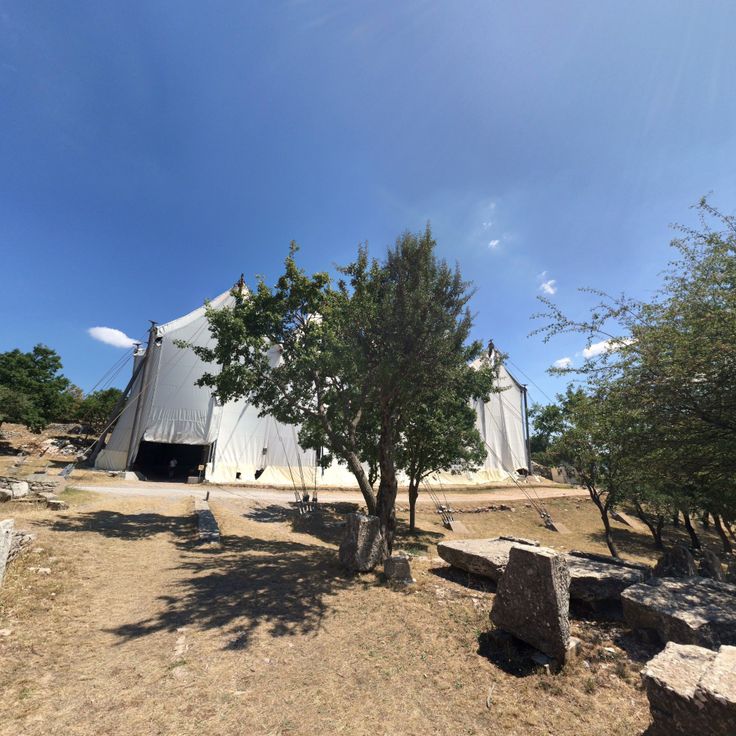
The Theater of Epidaurus sits in the Peloponnese among the region's ancient landmarks and natural wonders. This amphitheater was built in the 4th century BC and stands as a testament to the construction skills of ancient peoples. The theater holds approximately 14,000 stone seats arranged in tiers. During summer months, the site hosts modern performances in this original structure, allowing visitors to experience shows in a setting that has endured for over 2,000 years.
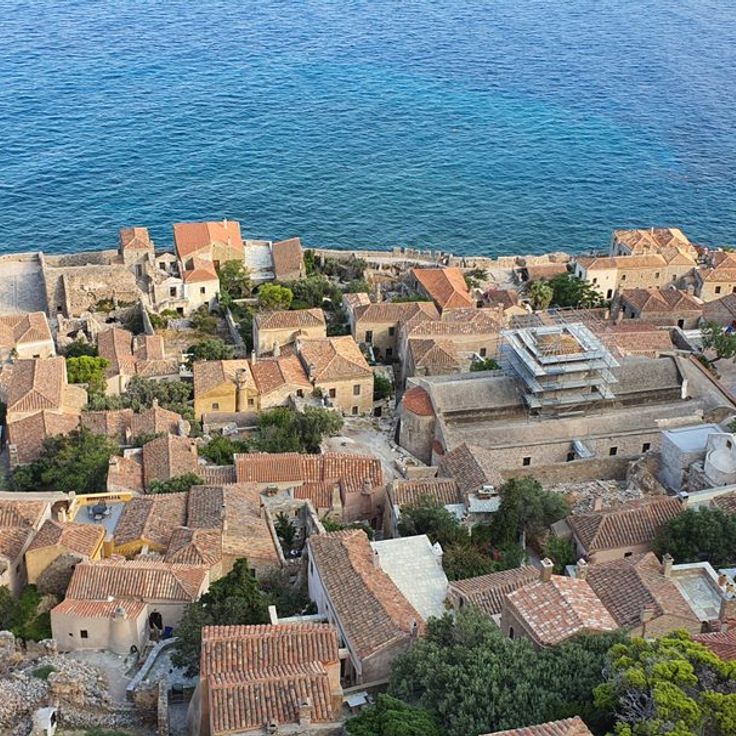
Monemvasia is a medieval settlement on a stone plateau rising from the sea, connected to the shore by a single causeway. This site represents the historical landmarks found throughout the Peloponnese, where ancient theaters, medieval castles, and Byzantine ruins coexist with natural wonders. The fortress shows how a strategic location shaped trade and daily life for centuries, with narrow streets and stone buildings that reveal the settlement's layered past.
Kalavryta is a mountain settlement in Achaea located at 750 meters elevation. The town offers winter sports facilities for visitors interested in snow and skiing. A memorial museum in Kalavryta documents the events of 1943 that marked the region's history. Surrounded by mountain peaks and forests, Kalavryta serves as a base for exploring the natural landscape of the Peloponnese.
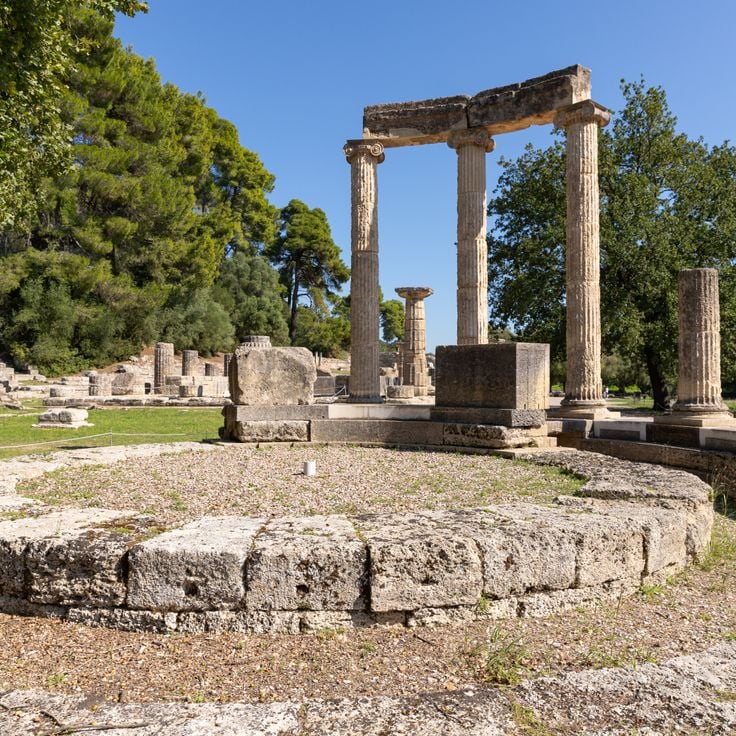
The Archaeological Site of Olympia contains remains of temples, athletic training grounds, and a stadium where competitors took part in the Olympic Games starting in the 8th century BC. This site represents the legacy of ancient Greece within the Peloponnese and holds UNESCO World Heritage status.
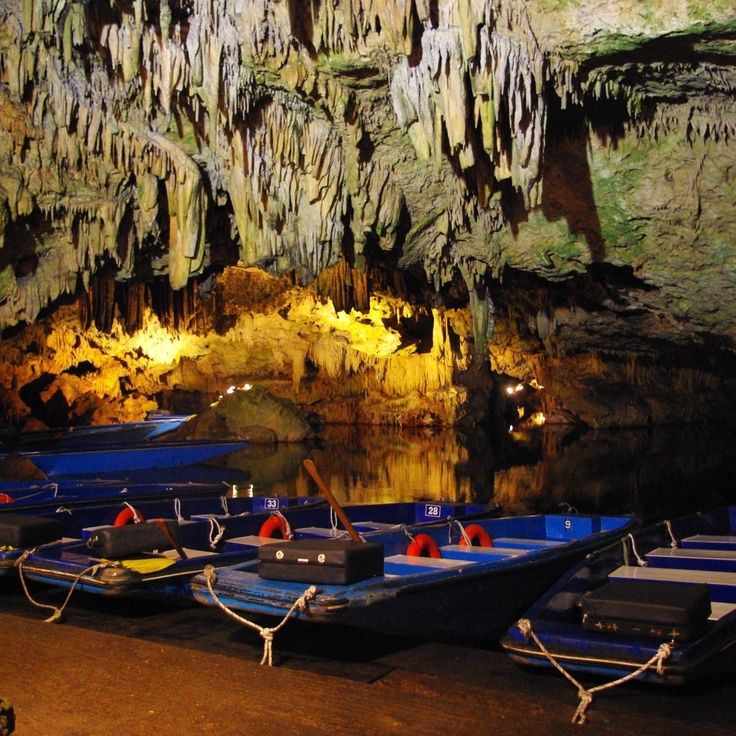
The Diros Cave System in Lakonia is part of the Peloponnese region's rich heritage, which features ancient theaters, medieval castles, and Byzantine ruins alongside natural wonders. This underground network extends for 15 kilometers and includes waterways navigable by small boats. The caves contain stalactites and archaeological remains from Neolithic times, offering insight into the early human settlement of the area.
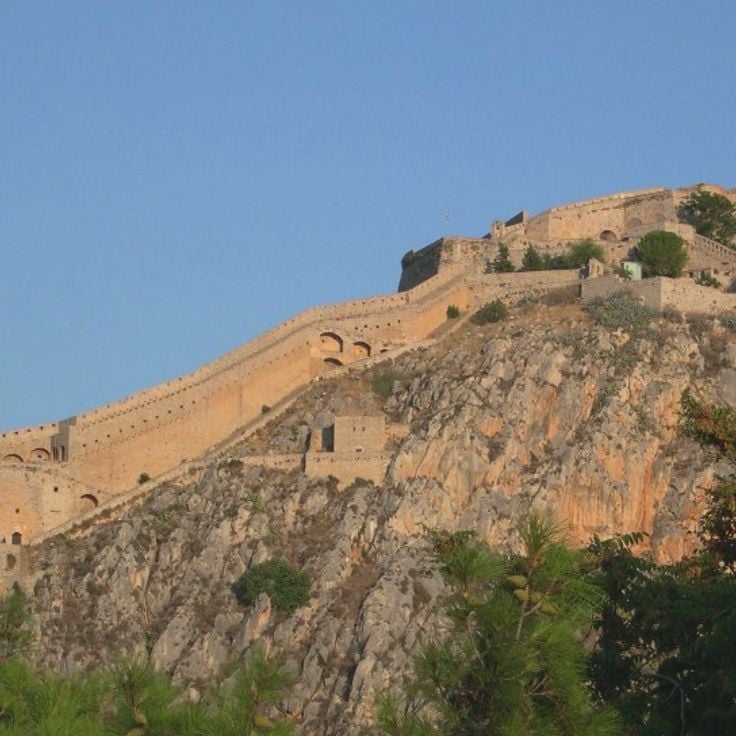
Palamidi Castle sits high above the town of Nafplio and shows how the Venetians built military fortresses in the early 1700s. Built between 1711 and 1714, the castle rises about 216 meters (710 feet) above sea level. Eight bastions connected by walls form the structure that once defended this part of the coast. As part of the Peloponnese's historical landmarks, it fits alongside ancient theaters, medieval castles, and Byzantine ruins that dot this region of Greece.
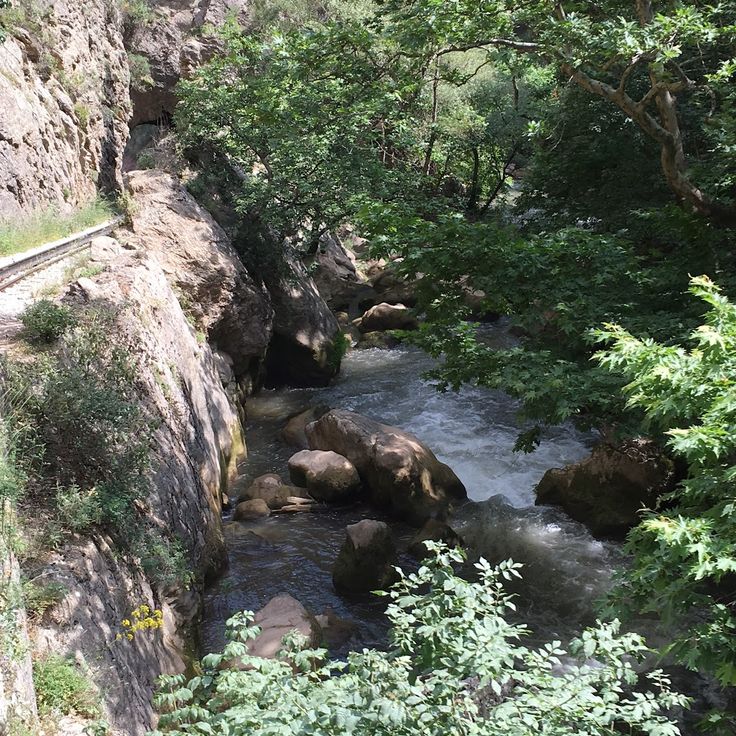
The Vouraikos Canyon runs through the Peloponnese as one of the region's natural wonders, featuring dramatic limestone walls carved by water over time. The Odontotos railway has operated through the canyon since 1896, carrying travelers on a scenic route that showcases the steep terrain and impressive rock formations. This canyon offers visitors a chance to experience the raw beauty of the landscape and understand how nature has shaped the region alongside its ancient and medieval landmarks.
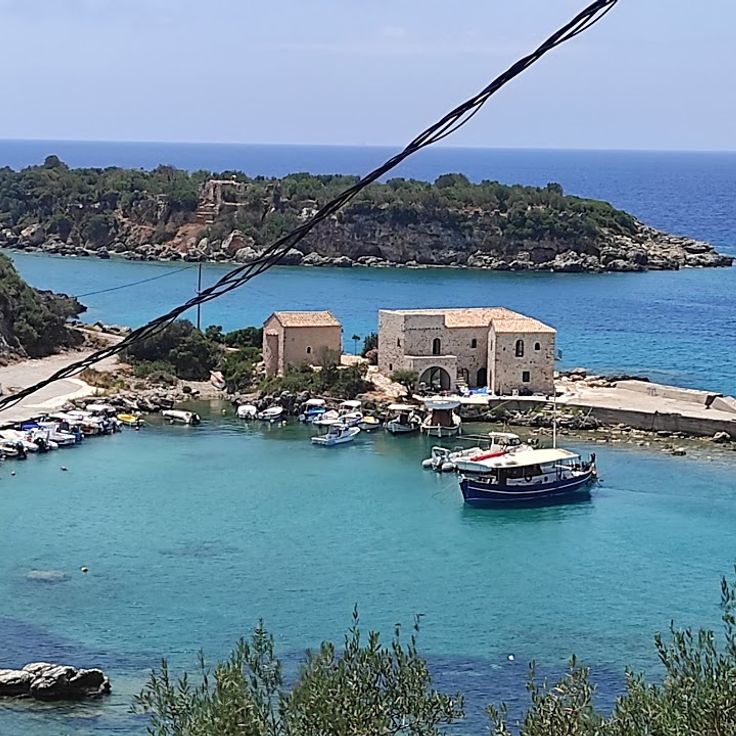
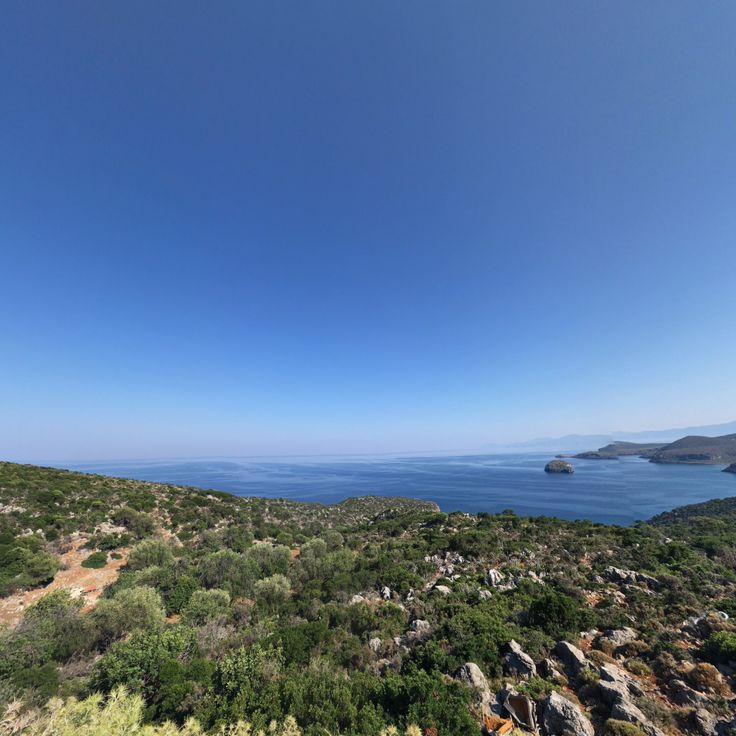
Gerakas Port is a small natural harbor in the Peloponnese region, sheltered by limestone cliffs that protect boats from the elements. The water depth allows medium-sized vessels to anchor safely. This port exemplifies the natural geography of a region known for its ancient theaters, medieval castles, Byzantine ruins, and outdoor exploration opportunities.
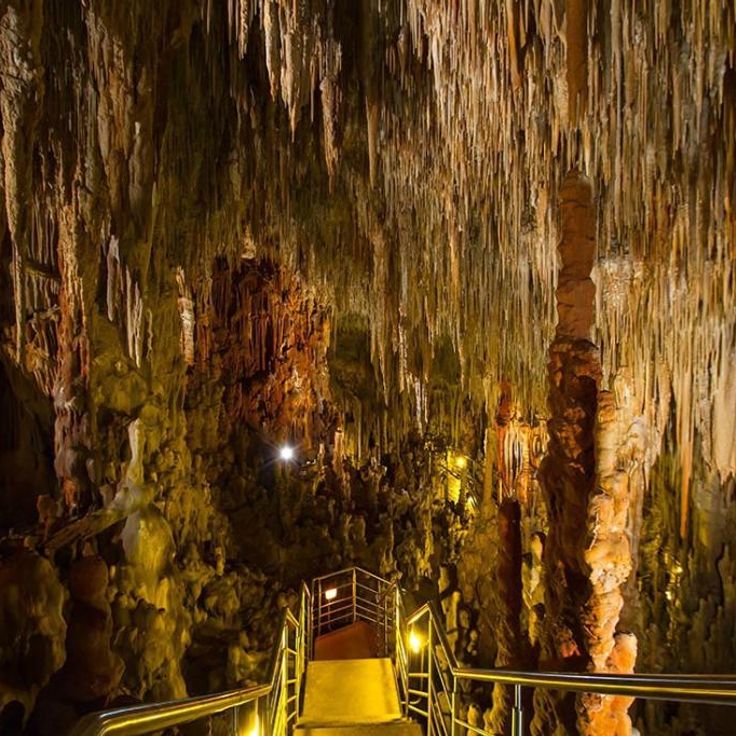
Kastania Cave is part of the natural wonders found throughout the Peloponnese region. This underground network displays mineral formations in red and white tones. The cave maintains a constant temperature throughout the year, creating a stable environment within. Visitors walk through the passages and observe the geological formations that have developed over millennia.
The Feneos Plateau is a mountain plain in Corinthia and represents the natural diversity of the Peloponnese region, which offers ancient theaters, medieval castles, Byzantine ruins, and outdoor exploration opportunities alongside its landscapes. Located at 750 meters in elevation, the plateau is covered with agricultural fields and pine forests. During the winter months, a lake forms on the plain, creating a seasonal transformation in the landscape.
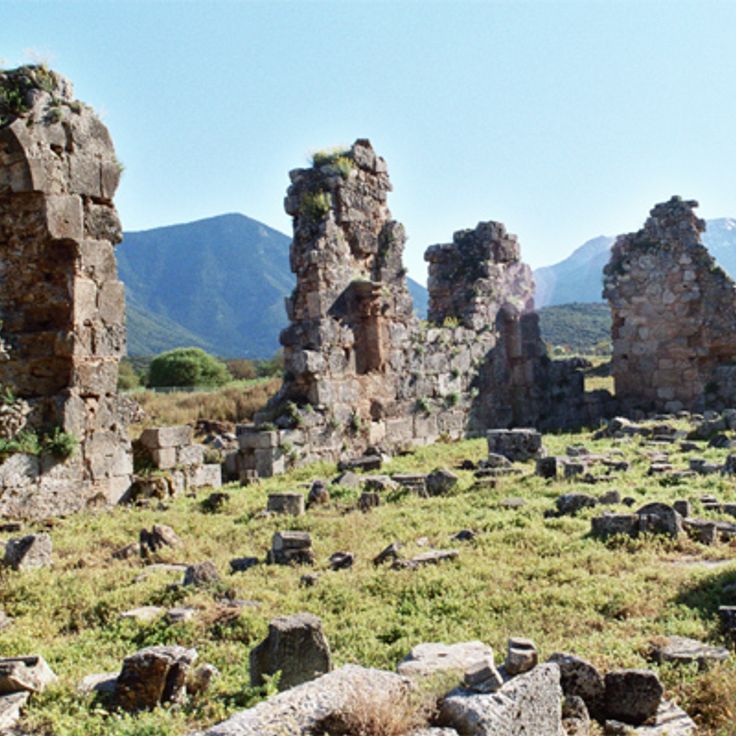
The Ancient Theater of Megalopolis is a stone theater built in 370 BC and stands as one of the major archaeological sites in the Peloponnese. Originally built to hold 20000 spectators, it was one of ancient Greece's largest theaters. Today, the orchestra and sections of the seating remain visible, giving you a sense of how the structure once functioned. The theater shows how ancient Greeks designed spaces for gatherings and performances. It sits in a region filled with ancient ruins, medieval castles, Byzantine remains, and natural sites, offering a complete picture of the Peloponnese's long history.
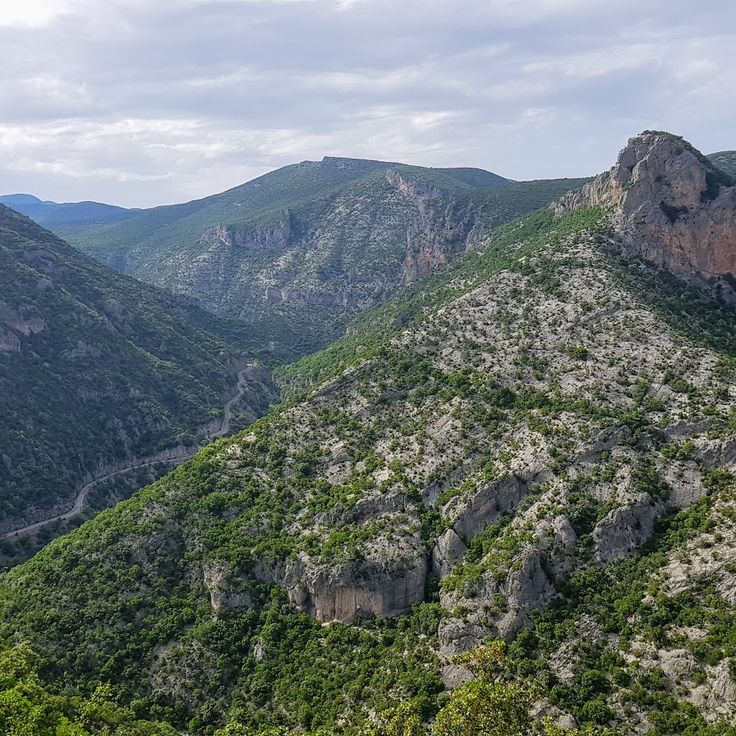
Lousios River Canyon is a limestone gorge in the Peloponnese that merges natural landscape with religious heritage. This canyon contains several monasteries built directly into the rock walls over centuries. Hiking paths connect these religious sites and run alongside the river through the gorge. The canyon offers a place to experience both the geological formations and the human history embedded in this landscape.
This ancient Greek temple sits at 1230 meters altitude in the mountains of the Peloponnese. It displays Doric columns and incorporates architectural elements from multiple classical orders. The Apollo Epicurius Temple stands among the region's important archaeological sites, alongside ancient theaters, medieval fortresses, Byzantine remains, and natural features like waterfalls and caves. Visitors can observe the construction techniques of ancient Greeks and experience the rugged landscape surrounding this hillside sanctuary.
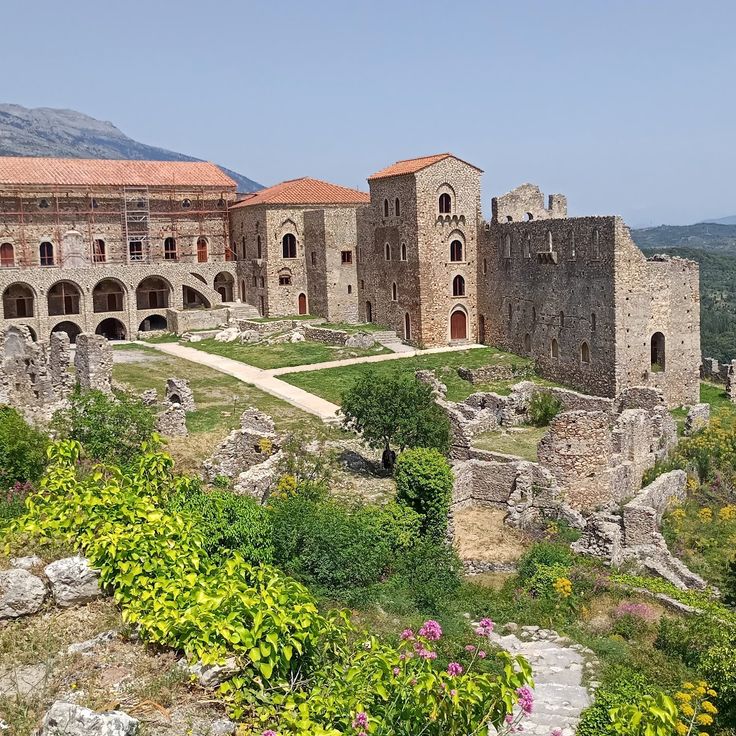
This archaeological site in Lakonia displays a medieval city built across multiple levels of Mount Taygetos. You will find palaces, houses, churches, and monasteries from the Byzantine period. Mystras fits naturally into the Peloponnese landscape, where ancient theaters, medieval castles, and Byzantine ruins tell the story of the region.
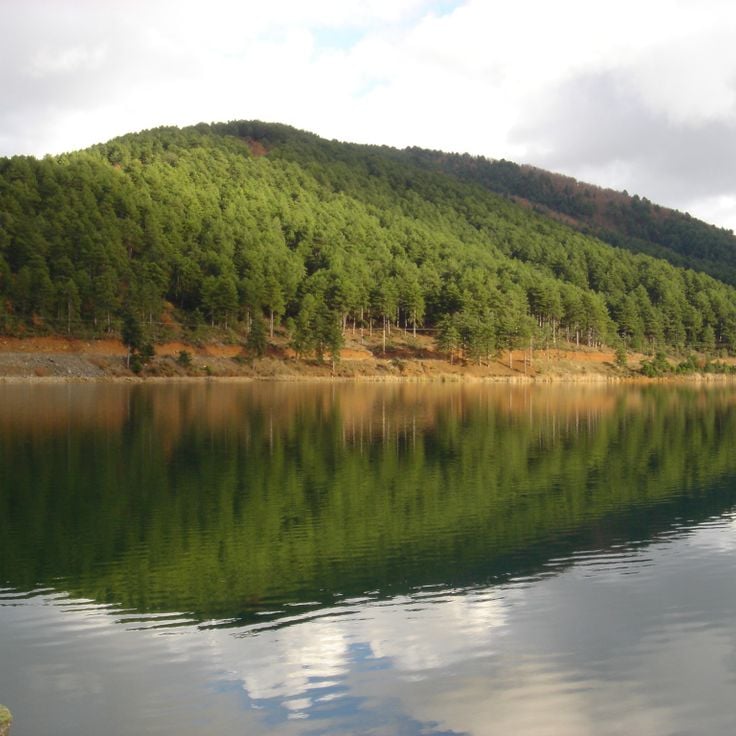
The Doxa Reservoir is an artificial lake in the Corinthia region, set high in a mountain valley at about 900 meters elevation. The surrounding Feneos valley mountains create a backdrop for outdoor exploration. This body of water offers a different kind of natural setting compared to the famous waterfalls and caves found elsewhere in the Peloponnese. Visitors can walk around the lake and experience the quiet mountain landscape that complements the peninsula's mix of ancient theaters, medieval fortresses, and Byzantine remains.
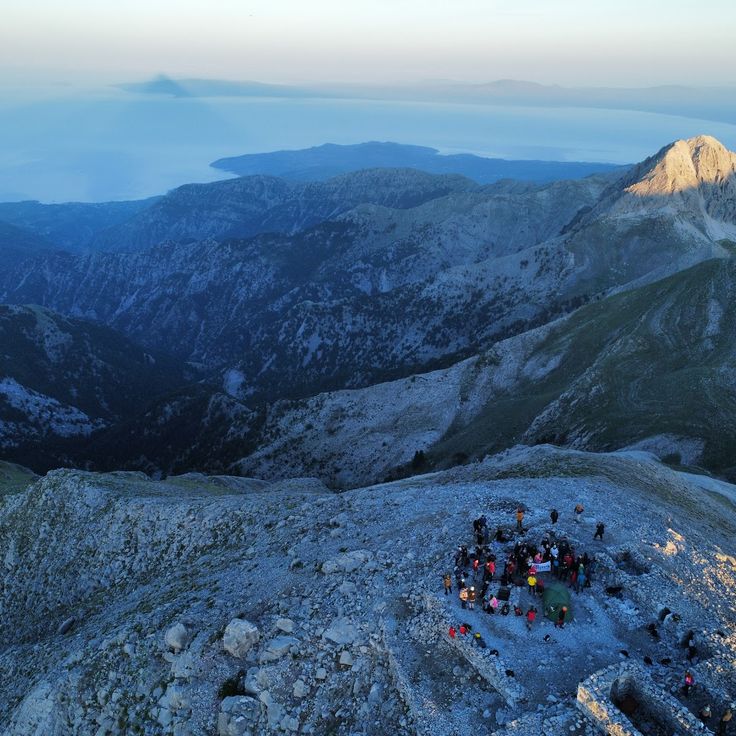
The Taygetus Range is the highest mountain chain in the Peloponnese and shapes the landscape of this historically rich region that includes ancient theaters, medieval castles, and Byzantine ruins. Rising up to 2407 meters, the range offers many trails through pine forests and limestone peaks, complementing the natural wonders of the Peloponnese such as the waterfalls at Polylimnio and Neda and the ancient site of Olympia.
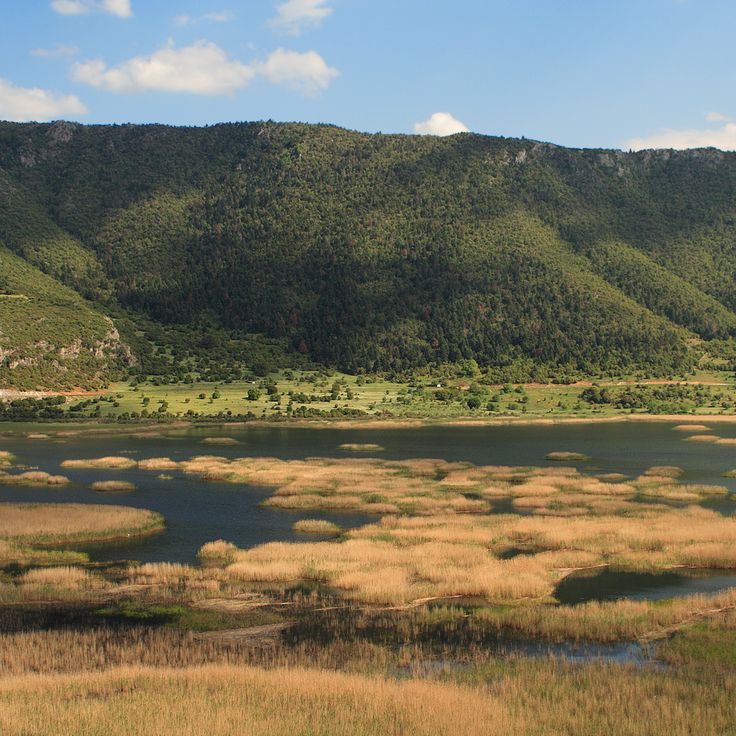
Stymphalia Lake is part of the Peloponnese region, which features ancient theaters, medieval castles, and Byzantine ruins alongside natural wonders. This mountain lake sits at about 600 meters in elevation and attracts numerous water birds throughout the year. Archaeological remains scattered along its shores tell stories of human settlement in this area over centuries. The lake offers visitors a chance to experience both the natural landscape and the historical layers of the Peloponnese.
Zarakas Monastery is a 13th century Cistercian complex set among olive groves on a Lakonian hillside, part of the Peloponnese's rich historical landscape. Its stone walls shelter medieval frescoes and stand as a reminder of the region's religious past, alongside ancient theaters, medieval castles, and Byzantine ruins. Walking through this monastery, you encounter the craftsmanship and faith of medieval monks who built and decorated these spaces, offering a quiet place to connect with the deep history of southern Greece.
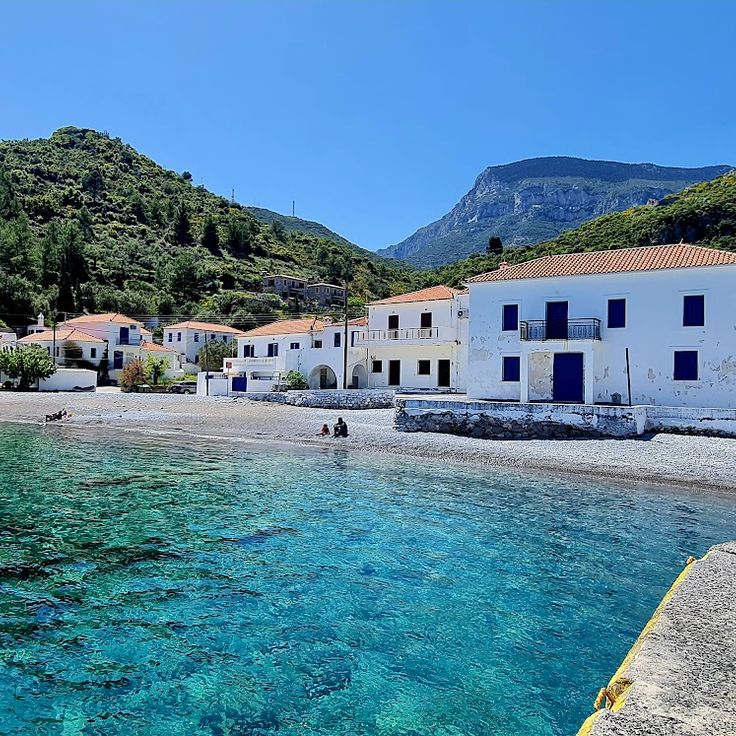
Kyparissi is a coastal settlement in Lakonia that fits into the landscape of the Peloponnese - a place with white houses nestled between mountains and sea. Stone architecture shapes the character of this village, and three pebble beaches invite exploration. Kyparissi shows how people live in this region, situated among the natural wonders and historical layers that define the Peloponnese.
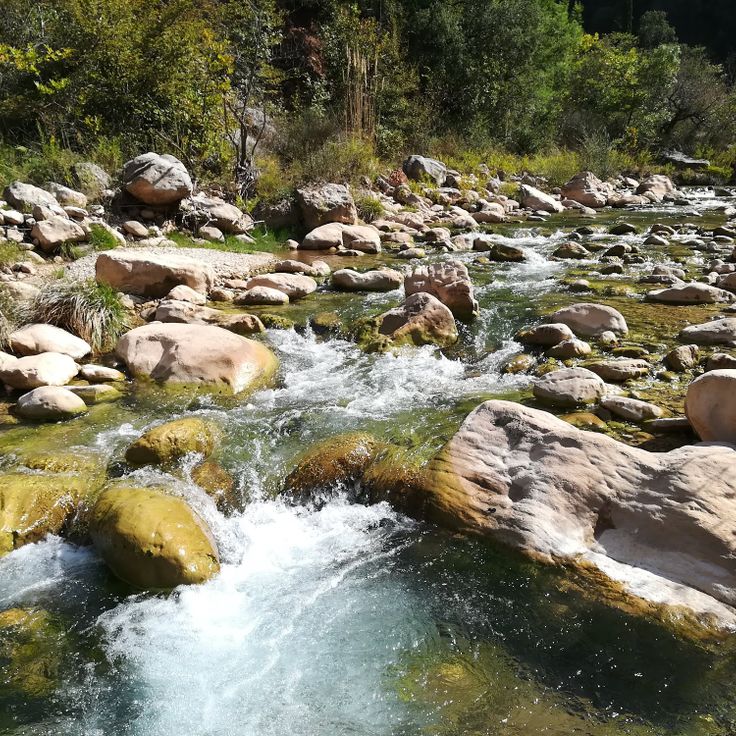
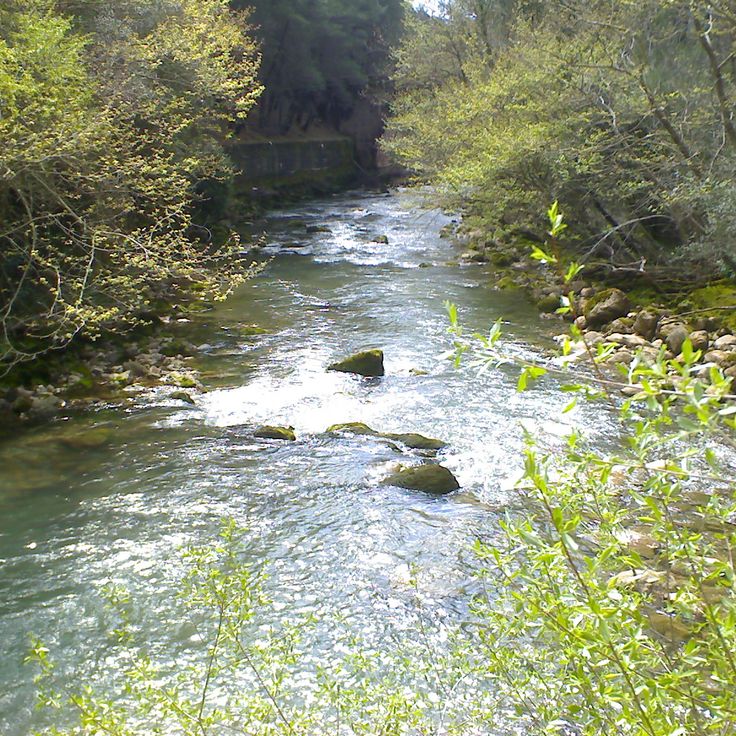
The Ladon River is a mountain river in the Peloponnese, home to several natural pools along its course through pine forests. It flows as part of this region that also features ancient theaters, medieval castles, Byzantine ruins, waterfalls at Polylimnio and Neda, the UNESCO site of Ancient Olympia, and the fortress of Monemvasia. The river waters carve through the landscape and create inviting swimming holes where visitors can cool off while surrounded by forest.
Parnonas Mountain rises 1934 meters and stands as a natural landmark within the Peloponnese region. The mountain is covered with fir forests and crisscrossed by hiking trails that lead through its terrain. Native Greek plant and animal species make their home on the mountain's slopes and ridges. As part of the broader Peloponnese landscape, Parnonas Mountain offers visitors a chance to explore the region's natural environment alongside its ancient theaters, medieval fortresses, and Byzantine ruins.
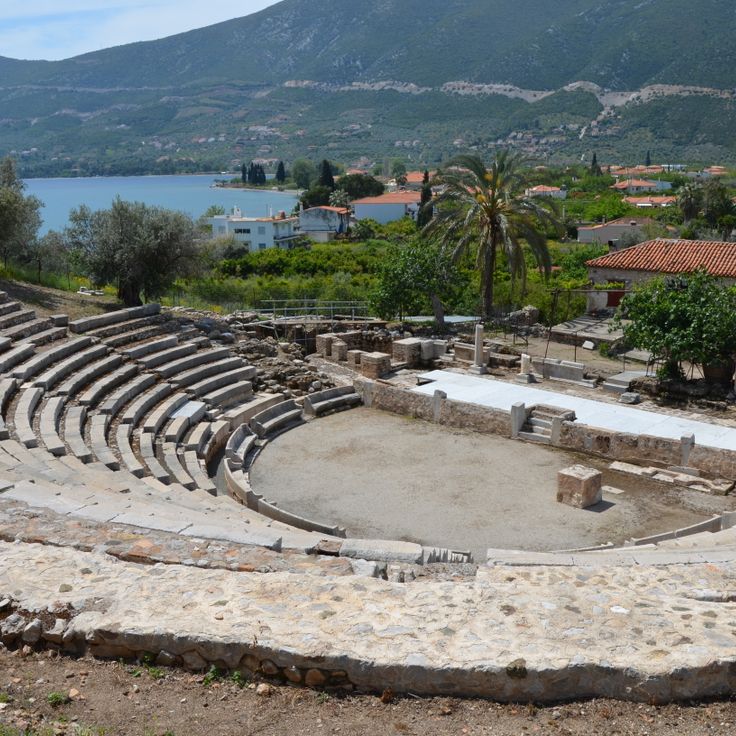
This ancient Greek theater stands in the Peloponnese region known for its historical landmarks and natural wonders. Built in the 4th century BC, the Little Theatre of Epidaurus sits near the sanctuary of Asclepius. The structure features nine rows of limestone seats that remain largely intact. The theater reveals how ancient Greeks designed spaces for gatherings and performances. Located among other significant sites like Ancient Olympia and medieval castles in the area, this theater helps visitors understand the religious and social practices of antiquity.
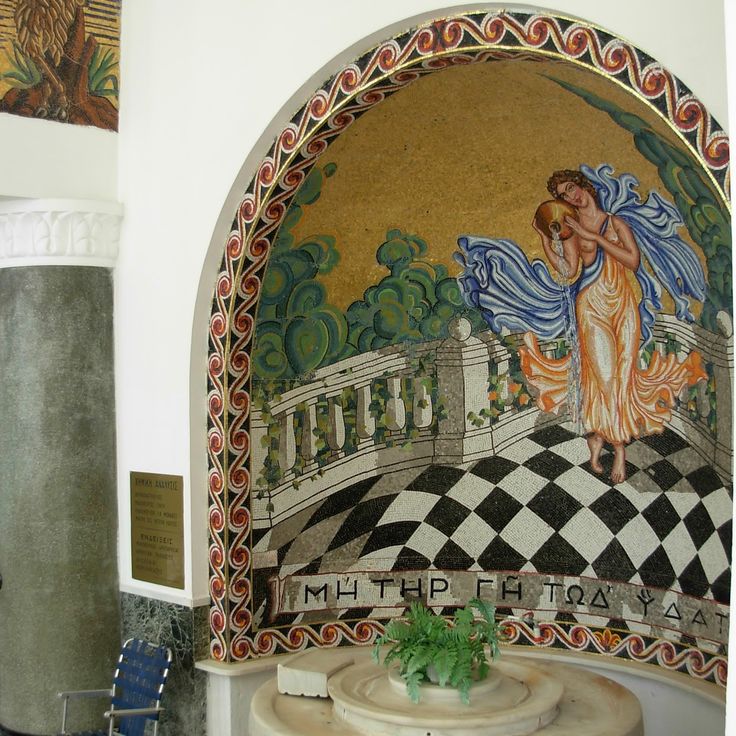
Loutraki Thermal Spa is part of the historical landmarks and natural wonders found throughout the Peloponnese. The natural springs here produce mineral water at about 30°C and contain magnesium, potassium, and calcium. People have used these healing waters since Roman times for therapeutic benefits. The spa offers a place where the region's natural resources and human history come together, much like the ancient theaters and castles found elsewhere in the peninsula.
The Polylimnio Waterfalls are part of the natural wonders of the Peloponnese and consist of a network of fifteen natural water pools connected by small waterfalls in a forest environment. Visitors can swim in several basins while exploring the outdoor landscapes that define this region alongside ancient theaters, medieval castles, and Byzantine ruins.
The Neda Waterfalls are part of the Neda River, the only Greek river with a female name, and represent one of the natural wonders within the Peloponnese peninsula. Water flows through stone arches and natural caves, creating a powerful spectacle that draws visitors to explore this area alongside other regional attractions such as ancient theaters, medieval castles, and Byzantine ruins.
This fortress from the 13th century stands on a rocky promontory in the Peloponnese, part of the region's historical landmarks and natural wonders. Stone paths connect eight gates and lead to an octagonal tower on a small islet. The structure offers insight into the medieval architecture and defensive systems of this coastal area.
Voidokilia Beach shapes the Peloponnese landscape with its distinctive curved form resembling the Greek letter omega. Sand dunes border the shoreline near an ancient acropolis and a medieval castle. This beach demonstrates the natural variety of the region, which also features ancient theaters, Byzantine ruins, and waterfalls waiting to be explored.
The Archaeological Site of Messene is an ancient city founded in 369 BC located in the Peloponnese region. Among the historical landmarks and natural wonders of this peninsula, this site stands out for its well-preserved structures including a stadium, theater, temples, and fortification walls that surrounded the city. Walking through these ruins gives you a sense of daily life in ancient times and complements visits to other significant sites like Ancient Olympia and Monemvasia.
Kardamyli is a coastal settlement in Messenia that reflects the region's blend of history and natural beauty found throughout the Peloponnese. Stone houses line its narrow streets, while olive groves and cypress trees reach down to the water's edge. The village preserves a traditional way of life where ancient building methods and local vegetation shape the character of daily life.
Dimitsana is a mountain settlement in the Peloponnese located at 960 meters elevation. The village shows how people lived in this region over time, with old stone mansions and working watermills. A museum here tells the story of gunpowder production, which was once a major industry. Dimitsana sits among the varied landscape of the Peloponnese, where you can also find ancient theaters, medieval castles, Byzantine ruins, and natural features like waterfalls and mountains.
Cape Tenaro is a peninsula in the Peloponnese with ancient ruins, a lighthouse and caves that extend into the Mediterranean Sea, marking the division between the Aegean and Ionian waters. This location fits well into a journey through the region, where ancient theaters, medieval castles and Byzantine ruins await visitors, along with waterfalls and mountain landscapes.
The Mani Peninsula is a rocky coastal region in the Peloponnese, known for its stone defensive towers built by local families in the 18th century. These towers, called tower houses, stand as reminders of a time when families needed to protect their homes and property. The landscape shows narrow streets winding between the towers, stone walls, and traditional buildings that remain largely unchanged. Local customs and ways of life have been passed down through generations, creating a region where history and daily life are deeply connected.
The Theater of Epidaurus sits in the Peloponnese among the region's ancient landmarks and natural wonders. This amphitheater was built in the 4th century BC and stands as a testament to the construction skills of ancient peoples. The theater holds approximately 14,000 stone seats arranged in tiers. During summer months, the site hosts modern performances in this original structure, allowing visitors to experience shows in a setting that has endured for over 2,000 years.
Monemvasia is a medieval settlement on a stone plateau rising from the sea, connected to the shore by a single causeway. This site represents the historical landmarks found throughout the Peloponnese, where ancient theaters, medieval castles, and Byzantine ruins coexist with natural wonders. The fortress shows how a strategic location shaped trade and daily life for centuries, with narrow streets and stone buildings that reveal the settlement's layered past.
Kalavryta is a mountain settlement in Achaea located at 750 meters elevation. The town offers winter sports facilities for visitors interested in snow and skiing. A memorial museum in Kalavryta documents the events of 1943 that marked the region's history. Surrounded by mountain peaks and forests, Kalavryta serves as a base for exploring the natural landscape of the Peloponnese.
The Archaeological Site of Olympia contains remains of temples, athletic training grounds, and a stadium where competitors took part in the Olympic Games starting in the 8th century BC. This site represents the legacy of ancient Greece within the Peloponnese and holds UNESCO World Heritage status.
The Diros Cave System in Lakonia is part of the Peloponnese region's rich heritage, which features ancient theaters, medieval castles, and Byzantine ruins alongside natural wonders. This underground network extends for 15 kilometers and includes waterways navigable by small boats. The caves contain stalactites and archaeological remains from Neolithic times, offering insight into the early human settlement of the area.
Palamidi Castle sits high above the town of Nafplio and shows how the Venetians built military fortresses in the early 1700s. Built between 1711 and 1714, the castle rises about 216 meters (710 feet) above sea level. Eight bastions connected by walls form the structure that once defended this part of the coast. As part of the Peloponnese's historical landmarks, it fits alongside ancient theaters, medieval castles, and Byzantine ruins that dot this region of Greece.
The Vouraikos Canyon runs through the Peloponnese as one of the region's natural wonders, featuring dramatic limestone walls carved by water over time. The Odontotos railway has operated through the canyon since 1896, carrying travelers on a scenic route that showcases the steep terrain and impressive rock formations. This canyon offers visitors a chance to experience the raw beauty of the landscape and understand how nature has shaped the region alongside its ancient and medieval landmarks.
Gerakas Port is a small natural harbor in the Peloponnese region, sheltered by limestone cliffs that protect boats from the elements. The water depth allows medium-sized vessels to anchor safely. This port exemplifies the natural geography of a region known for its ancient theaters, medieval castles, Byzantine ruins, and outdoor exploration opportunities.
Kastania Cave is part of the natural wonders found throughout the Peloponnese region. This underground network displays mineral formations in red and white tones. The cave maintains a constant temperature throughout the year, creating a stable environment within. Visitors walk through the passages and observe the geological formations that have developed over millennia.
The Feneos Plateau is a mountain plain in Corinthia and represents the natural diversity of the Peloponnese region, which offers ancient theaters, medieval castles, Byzantine ruins, and outdoor exploration opportunities alongside its landscapes. Located at 750 meters in elevation, the plateau is covered with agricultural fields and pine forests. During the winter months, a lake forms on the plain, creating a seasonal transformation in the landscape.
The Ancient Theater of Megalopolis is a stone theater built in 370 BC and stands as one of the major archaeological sites in the Peloponnese. Originally built to hold 20000 spectators, it was one of ancient Greece's largest theaters. Today, the orchestra and sections of the seating remain visible, giving you a sense of how the structure once functioned. The theater shows how ancient Greeks designed spaces for gatherings and performances. It sits in a region filled with ancient ruins, medieval castles, Byzantine remains, and natural sites, offering a complete picture of the Peloponnese's long history.
Lousios River Canyon is a limestone gorge in the Peloponnese that merges natural landscape with religious heritage. This canyon contains several monasteries built directly into the rock walls over centuries. Hiking paths connect these religious sites and run alongside the river through the gorge. The canyon offers a place to experience both the geological formations and the human history embedded in this landscape.
This ancient Greek temple sits at 1230 meters altitude in the mountains of the Peloponnese. It displays Doric columns and incorporates architectural elements from multiple classical orders. The Apollo Epicurius Temple stands among the region's important archaeological sites, alongside ancient theaters, medieval fortresses, Byzantine remains, and natural features like waterfalls and caves. Visitors can observe the construction techniques of ancient Greeks and experience the rugged landscape surrounding this hillside sanctuary.
This archaeological site in Lakonia displays a medieval city built across multiple levels of Mount Taygetos. You will find palaces, houses, churches, and monasteries from the Byzantine period. Mystras fits naturally into the Peloponnese landscape, where ancient theaters, medieval castles, and Byzantine ruins tell the story of the region.
The Doxa Reservoir is an artificial lake in the Corinthia region, set high in a mountain valley at about 900 meters elevation. The surrounding Feneos valley mountains create a backdrop for outdoor exploration. This body of water offers a different kind of natural setting compared to the famous waterfalls and caves found elsewhere in the Peloponnese. Visitors can walk around the lake and experience the quiet mountain landscape that complements the peninsula's mix of ancient theaters, medieval fortresses, and Byzantine remains.
The Taygetus Range is the highest mountain chain in the Peloponnese and shapes the landscape of this historically rich region that includes ancient theaters, medieval castles, and Byzantine ruins. Rising up to 2407 meters, the range offers many trails through pine forests and limestone peaks, complementing the natural wonders of the Peloponnese such as the waterfalls at Polylimnio and Neda and the ancient site of Olympia.
Stymphalia Lake is part of the Peloponnese region, which features ancient theaters, medieval castles, and Byzantine ruins alongside natural wonders. This mountain lake sits at about 600 meters in elevation and attracts numerous water birds throughout the year. Archaeological remains scattered along its shores tell stories of human settlement in this area over centuries. The lake offers visitors a chance to experience both the natural landscape and the historical layers of the Peloponnese.
Zarakas Monastery is a 13th century Cistercian complex set among olive groves on a Lakonian hillside, part of the Peloponnese's rich historical landscape. Its stone walls shelter medieval frescoes and stand as a reminder of the region's religious past, alongside ancient theaters, medieval castles, and Byzantine ruins. Walking through this monastery, you encounter the craftsmanship and faith of medieval monks who built and decorated these spaces, offering a quiet place to connect with the deep history of southern Greece.
Kyparissi is a coastal settlement in Lakonia that fits into the landscape of the Peloponnese - a place with white houses nestled between mountains and sea. Stone architecture shapes the character of this village, and three pebble beaches invite exploration. Kyparissi shows how people live in this region, situated among the natural wonders and historical layers that define the Peloponnese.
The Ladon River is a mountain river in the Peloponnese, home to several natural pools along its course through pine forests. It flows as part of this region that also features ancient theaters, medieval castles, Byzantine ruins, waterfalls at Polylimnio and Neda, the UNESCO site of Ancient Olympia, and the fortress of Monemvasia. The river waters carve through the landscape and create inviting swimming holes where visitors can cool off while surrounded by forest.
Parnonas Mountain rises 1934 meters and stands as a natural landmark within the Peloponnese region. The mountain is covered with fir forests and crisscrossed by hiking trails that lead through its terrain. Native Greek plant and animal species make their home on the mountain's slopes and ridges. As part of the broader Peloponnese landscape, Parnonas Mountain offers visitors a chance to explore the region's natural environment alongside its ancient theaters, medieval fortresses, and Byzantine ruins.
This ancient Greek theater stands in the Peloponnese region known for its historical landmarks and natural wonders. Built in the 4th century BC, the Little Theatre of Epidaurus sits near the sanctuary of Asclepius. The structure features nine rows of limestone seats that remain largely intact. The theater reveals how ancient Greeks designed spaces for gatherings and performances. Located among other significant sites like Ancient Olympia and medieval castles in the area, this theater helps visitors understand the religious and social practices of antiquity.
Loutraki Thermal Spa is part of the historical landmarks and natural wonders found throughout the Peloponnese. The natural springs here produce mineral water at about 30°C and contain magnesium, potassium, and calcium. People have used these healing waters since Roman times for therapeutic benefits. The spa offers a place where the region's natural resources and human history come together, much like the ancient theaters and castles found elsewhere in the peninsula.
The Polylimnio Waterfalls are part of the natural wonders of the Peloponnese and consist of a network of fifteen natural water pools connected by small waterfalls in a forest environment. Visitors can swim in several basins while exploring the outdoor landscapes that define this region alongside ancient theaters, medieval castles, and Byzantine ruins.
The Neda Waterfalls are part of the Neda River, the only Greek river with a female name, and represent one of the natural wonders within the Peloponnese peninsula. Water flows through stone arches and natural caves, creating a powerful spectacle that draws visitors to explore this area alongside other regional attractions such as ancient theaters, medieval castles, and Byzantine ruins.
This fortress from the 13th century stands on a rocky promontory in the Peloponnese, part of the region's historical landmarks and natural wonders. Stone paths connect eight gates and lead to an octagonal tower on a small islet. The structure offers insight into the medieval architecture and defensive systems of this coastal area.
Voidokilia Beach shapes the Peloponnese landscape with its distinctive curved form resembling the Greek letter omega. Sand dunes border the shoreline near an ancient acropolis and a medieval castle. This beach demonstrates the natural variety of the region, which also features ancient theaters, Byzantine ruins, and waterfalls waiting to be explored.
The Archaeological Site of Messene is an ancient city founded in 369 BC located in the Peloponnese region. Among the historical landmarks and natural wonders of this peninsula, this site stands out for its well-preserved structures including a stadium, theater, temples, and fortification walls that surrounded the city. Walking through these ruins gives you a sense of daily life in ancient times and complements visits to other significant sites like Ancient Olympia and Monemvasia.
Kardamyli is a coastal settlement in Messenia that reflects the region's blend of history and natural beauty found throughout the Peloponnese. Stone houses line its narrow streets, while olive groves and cypress trees reach down to the water's edge. The village preserves a traditional way of life where ancient building methods and local vegetation shape the character of daily life.
Dimitsana is a mountain settlement in the Peloponnese located at 960 meters elevation. The village shows how people lived in this region over time, with old stone mansions and working watermills. A museum here tells the story of gunpowder production, which was once a major industry. Dimitsana sits among the varied landscape of the Peloponnese, where you can also find ancient theaters, medieval castles, Byzantine ruins, and natural features like waterfalls and mountains.
Cape Tenaro is a peninsula in the Peloponnese with ancient ruins, a lighthouse and caves that extend into the Mediterranean Sea, marking the division between the Aegean and Ionian waters. This location fits well into a journey through the region, where ancient theaters, medieval castles and Byzantine ruins await visitors, along with waterfalls and mountain landscapes.
The Mani Peninsula is a rocky coastal region in the Peloponnese, known for its stone defensive towers built by local families in the 18th century. These towers, called tower houses, stand as reminders of a time when families needed to protect their homes and property. The landscape shows narrow streets winding between the towers, stone walls, and traditional buildings that remain largely unchanged. Local customs and ways of life have been passed down through generations, creating a region where history and daily life are deeply connected.
The Theater of Epidaurus sits in the Peloponnese among the region's ancient landmarks and natural wonders. This amphitheater was built in the 4th century BC and stands as a testament to the construction skills of ancient peoples. The theater holds approximately 14,000 stone seats arranged in tiers. During summer months, the site hosts modern performances in this original structure, allowing visitors to experience shows in a setting that has endured for over 2,000 years.
Monemvasia is a medieval settlement on a stone plateau rising from the sea, connected to the shore by a single causeway. This site represents the historical landmarks found throughout the Peloponnese, where ancient theaters, medieval castles, and Byzantine ruins coexist with natural wonders. The fortress shows how a strategic location shaped trade and daily life for centuries, with narrow streets and stone buildings that reveal the settlement's layered past.
Kalavryta is a mountain settlement in Achaea located at 750 meters elevation. The town offers winter sports facilities for visitors interested in snow and skiing. A memorial museum in Kalavryta documents the events of 1943 that marked the region's history. Surrounded by mountain peaks and forests, Kalavryta serves as a base for exploring the natural landscape of the Peloponnese.
The Archaeological Site of Olympia contains remains of temples, athletic training grounds, and a stadium where competitors took part in the Olympic Games starting in the 8th century BC. This site represents the legacy of ancient Greece within the Peloponnese and holds UNESCO World Heritage status.
The Diros Cave System in Lakonia is part of the Peloponnese region's rich heritage, which features ancient theaters, medieval castles, and Byzantine ruins alongside natural wonders. This underground network extends for 15 kilometers and includes waterways navigable by small boats. The caves contain stalactites and archaeological remains from Neolithic times, offering insight into the early human settlement of the area.
Palamidi Castle sits high above the town of Nafplio and shows how the Venetians built military fortresses in the early 1700s. Built between 1711 and 1714, the castle rises about 216 meters (710 feet) above sea level. Eight bastions connected by walls form the structure that once defended this part of the coast. As part of the Peloponnese's historical landmarks, it fits alongside ancient theaters, medieval castles, and Byzantine ruins that dot this region of Greece.
The Vouraikos Canyon runs through the Peloponnese as one of the region's natural wonders, featuring dramatic limestone walls carved by water over time. The Odontotos railway has operated through the canyon since 1896, carrying travelers on a scenic route that showcases the steep terrain and impressive rock formations. This canyon offers visitors a chance to experience the raw beauty of the landscape and understand how nature has shaped the region alongside its ancient and medieval landmarks.
Gerakas Port is a small natural harbor in the Peloponnese region, sheltered by limestone cliffs that protect boats from the elements. The water depth allows medium-sized vessels to anchor safely. This port exemplifies the natural geography of a region known for its ancient theaters, medieval castles, Byzantine ruins, and outdoor exploration opportunities.
Kastania Cave is part of the natural wonders found throughout the Peloponnese region. This underground network displays mineral formations in red and white tones. The cave maintains a constant temperature throughout the year, creating a stable environment within. Visitors walk through the passages and observe the geological formations that have developed over millennia.
The Feneos Plateau is a mountain plain in Corinthia and represents the natural diversity of the Peloponnese region, which offers ancient theaters, medieval castles, Byzantine ruins, and outdoor exploration opportunities alongside its landscapes. Located at 750 meters in elevation, the plateau is covered with agricultural fields and pine forests. During the winter months, a lake forms on the plain, creating a seasonal transformation in the landscape.
The Ancient Theater of Megalopolis is a stone theater built in 370 BC and stands as one of the major archaeological sites in the Peloponnese. Originally built to hold 20000 spectators, it was one of ancient Greece's largest theaters. Today, the orchestra and sections of the seating remain visible, giving you a sense of how the structure once functioned. The theater shows how ancient Greeks designed spaces for gatherings and performances. It sits in a region filled with ancient ruins, medieval castles, Byzantine remains, and natural sites, offering a complete picture of the Peloponnese's long history.
Lousios River Canyon is a limestone gorge in the Peloponnese that merges natural landscape with religious heritage. This canyon contains several monasteries built directly into the rock walls over centuries. Hiking paths connect these religious sites and run alongside the river through the gorge. The canyon offers a place to experience both the geological formations and the human history embedded in this landscape.
This ancient Greek temple sits at 1230 meters altitude in the mountains of the Peloponnese. It displays Doric columns and incorporates architectural elements from multiple classical orders. The Apollo Epicurius Temple stands among the region's important archaeological sites, alongside ancient theaters, medieval fortresses, Byzantine remains, and natural features like waterfalls and caves. Visitors can observe the construction techniques of ancient Greeks and experience the rugged landscape surrounding this hillside sanctuary.
This archaeological site in Lakonia displays a medieval city built across multiple levels of Mount Taygetos. You will find palaces, houses, churches, and monasteries from the Byzantine period. Mystras fits naturally into the Peloponnese landscape, where ancient theaters, medieval castles, and Byzantine ruins tell the story of the region.
The Doxa Reservoir is an artificial lake in the Corinthia region, set high in a mountain valley at about 900 meters elevation. The surrounding Feneos valley mountains create a backdrop for outdoor exploration. This body of water offers a different kind of natural setting compared to the famous waterfalls and caves found elsewhere in the Peloponnese. Visitors can walk around the lake and experience the quiet mountain landscape that complements the peninsula's mix of ancient theaters, medieval fortresses, and Byzantine remains.
The Taygetus Range is the highest mountain chain in the Peloponnese and shapes the landscape of this historically rich region that includes ancient theaters, medieval castles, and Byzantine ruins. Rising up to 2407 meters, the range offers many trails through pine forests and limestone peaks, complementing the natural wonders of the Peloponnese such as the waterfalls at Polylimnio and Neda and the ancient site of Olympia.
Stymphalia Lake is part of the Peloponnese region, which features ancient theaters, medieval castles, and Byzantine ruins alongside natural wonders. This mountain lake sits at about 600 meters in elevation and attracts numerous water birds throughout the year. Archaeological remains scattered along its shores tell stories of human settlement in this area over centuries. The lake offers visitors a chance to experience both the natural landscape and the historical layers of the Peloponnese.
Zarakas Monastery is a 13th century Cistercian complex set among olive groves on a Lakonian hillside, part of the Peloponnese's rich historical landscape. Its stone walls shelter medieval frescoes and stand as a reminder of the region's religious past, alongside ancient theaters, medieval castles, and Byzantine ruins. Walking through this monastery, you encounter the craftsmanship and faith of medieval monks who built and decorated these spaces, offering a quiet place to connect with the deep history of southern Greece.
Kyparissi is a coastal settlement in Lakonia that fits into the landscape of the Peloponnese - a place with white houses nestled between mountains and sea. Stone architecture shapes the character of this village, and three pebble beaches invite exploration. Kyparissi shows how people live in this region, situated among the natural wonders and historical layers that define the Peloponnese.
The Ladon River is a mountain river in the Peloponnese, home to several natural pools along its course through pine forests. It flows as part of this region that also features ancient theaters, medieval castles, Byzantine ruins, waterfalls at Polylimnio and Neda, the UNESCO site of Ancient Olympia, and the fortress of Monemvasia. The river waters carve through the landscape and create inviting swimming holes where visitors can cool off while surrounded by forest.
Parnonas Mountain rises 1934 meters and stands as a natural landmark within the Peloponnese region. The mountain is covered with fir forests and crisscrossed by hiking trails that lead through its terrain. Native Greek plant and animal species make their home on the mountain's slopes and ridges. As part of the broader Peloponnese landscape, Parnonas Mountain offers visitors a chance to explore the region's natural environment alongside its ancient theaters, medieval fortresses, and Byzantine ruins.
This ancient Greek theater stands in the Peloponnese region known for its historical landmarks and natural wonders. Built in the 4th century BC, the Little Theatre of Epidaurus sits near the sanctuary of Asclepius. The structure features nine rows of limestone seats that remain largely intact. The theater reveals how ancient Greeks designed spaces for gatherings and performances. Located among other significant sites like Ancient Olympia and medieval castles in the area, this theater helps visitors understand the religious and social practices of antiquity.
Loutraki Thermal Spa is part of the historical landmarks and natural wonders found throughout the Peloponnese. The natural springs here produce mineral water at about 30°C and contain magnesium, potassium, and calcium. People have used these healing waters since Roman times for therapeutic benefits. The spa offers a place where the region's natural resources and human history come together, much like the ancient theaters and castles found elsewhere in the peninsula.