See the monuments around you in AROpen chests in the app
Around Us is built for your phone — point your camera at the streets and discover the monuments and places around you in augmented reality.Around Us is built for your phone — chests unlock when you walk, explore and capture nearby places.
Off-the-beaten-track sites in Crete: Venetian fortresses, limestone gorges, and mountain villages
This selection highlights Crete locations away from common routes. It includes historic sites such as the Venetian fortress of Spinalonga, occupied by a leper colony until 1957, and the ruins of the Minoan palace of Kato Zakros on the eastern coast. Notable geological formations include the Kourtaliotiko gorges with 600-meter limestone walls, the Aradena bridge suspended 138 meters above the void, and the Dikteon cave, extending over two kilometers into Mount Dikte.
Nature enthusiasts can explore the small bay of Seitan Limania between its white cliffs, the Argiroupoli springs bursting amidst Roman ruins, or take trails through the Theriso gorges. These destinations offer a different view of Crete, away from the tourist crowds along the northern coastline.
Off-the-beaten-track sites in Crete: Venetian fortresses, limestone gorges, and mountain villages
This selection highlights Crete locations away from common routes. It includes historic sites such as the Venetian fortress of Spinalonga, occupied by a leper colony until 1957, and the ruins of the Minoan palace of Kato Zakros on the eastern coast. Notable geological formations include the Kourtaliotiko gorges with 600-meter limestone walls, the Aradena bridge suspended 138 meters above the void, and the Dikteon cave, extending over two kilometers into Mount Dikte.
Nature enthusiasts can explore the small bay of Seitan Limania between its white cliffs, the Argiroupoli springs bursting amidst Roman ruins, or take trails through the Theriso gorges. These destinations offer a different view of Crete, away from the tourist crowds along the northern coastline.
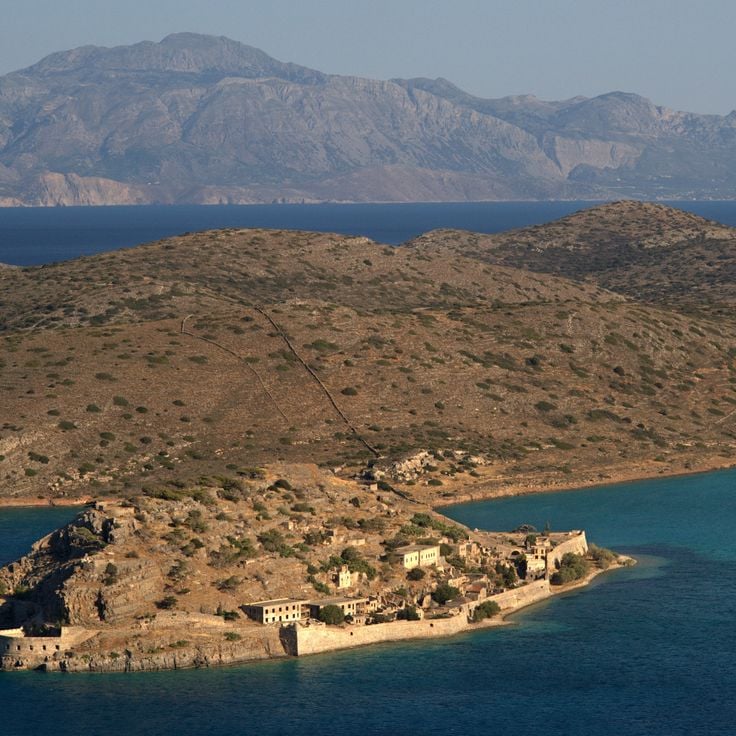
Spinalonga Island lies off the coast near Agios Nikolaos and holds a 16th-century Venetian fortress. Thick stone walls surround the island, and narrow passages wind between stone buildings. From 1903 to 1957, the fortress served as an isolation facility for patients with leprosy. Today visitors can walk through the remains and understand how people lived here while separated from the outside world.
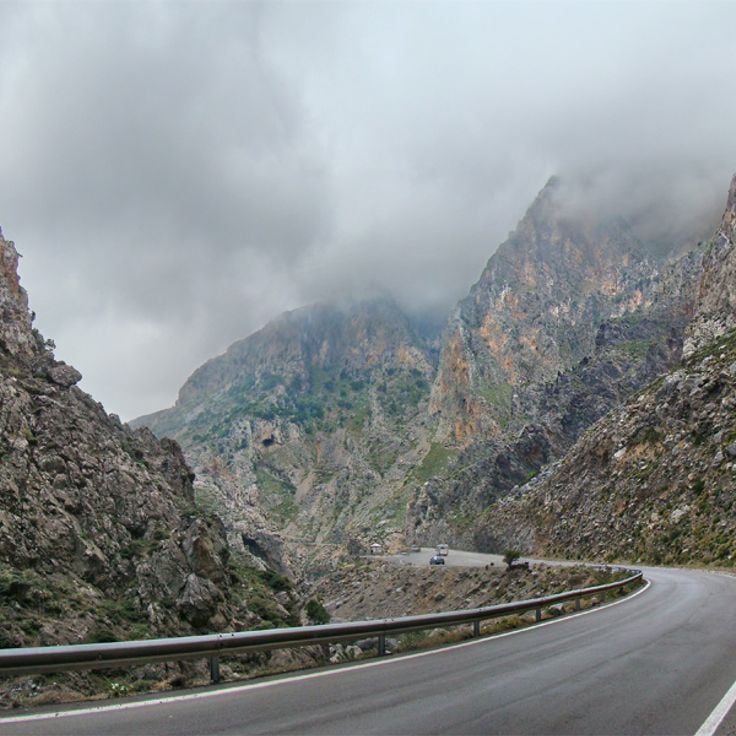
The Kourtaliotiko Gorge is a limestone canyon extending 3 kilometers with vertical walls reaching 600 meters in height. This formation is part of Crete's off-the-beaten-track destinations, located away from the main tourist routes. Natural springs and small rivers flow through its base, creating a dramatic geological landscape.
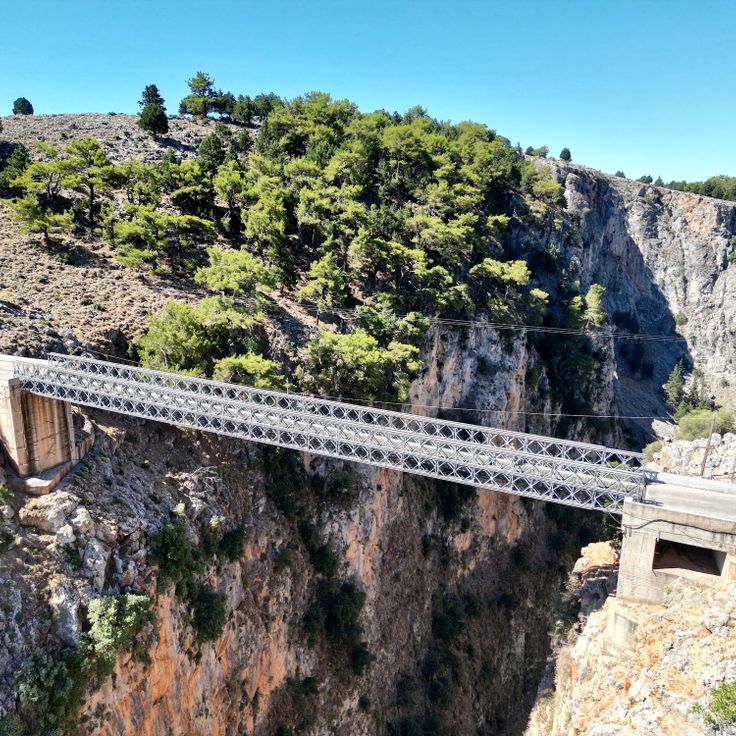
This metal bridge at Aradena is part of Crete's lesser-traveled destinations and spans 138 meters across a gorge at a height of 138 meters. Built in 1986, it connects a regional road to the abandoned settlement of Aradena. The bridge offers a way to experience the remote areas of the island that differ from tourist routes and allows visitors to encounter the rugged landscape and geological formations of the region.
The archaeological site of Ancient Lappa in Argyroupoli preserves remains from when this location served as a Roman city. You can walk among thermal baths with decorative geometric floor patterns and stone structures from the Roman period. Water springs flow naturally from the surrounding rocks. This site sits away from the main tourist paths, offering a window into Crete's Roman past.
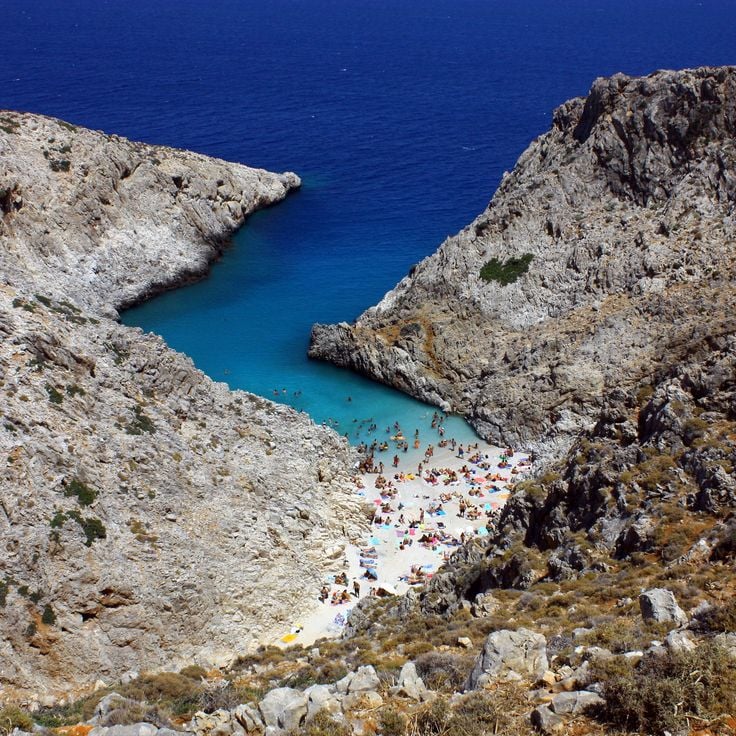
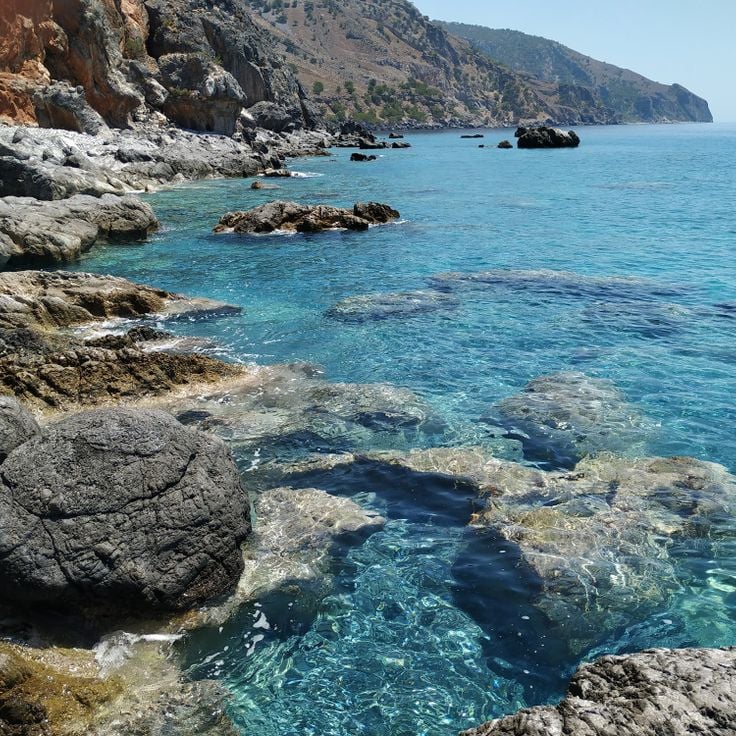
This small bay on the Akrotiri Peninsula is part of a selection of less-visited locations in Crete. The turquoise water sits between steep limestone cliffs. Natural rock formations create three separate coves with white pebble shores. The beach offers visitors a quiet escape when exploring Crete away from crowded areas.
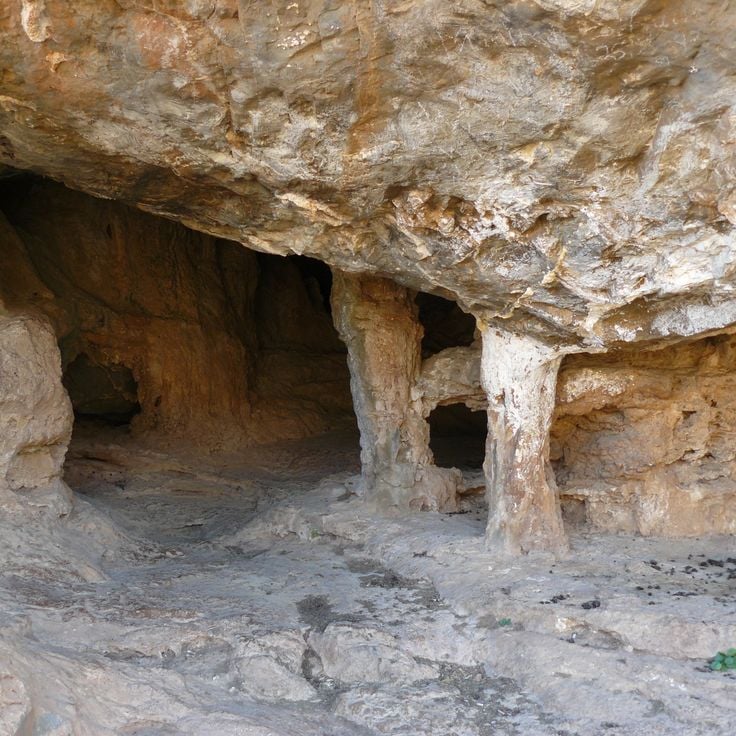
This cave in Milatos holds a place of quiet remembrance for a difficult moment in Crete's past. In 1823, around two thousand residents sought shelter here during the Ottoman occupation. Today, a small memorial chapel and ossuary inside the cave honor those events. Milatos Cave fits within this collection of lesser-traveled destinations where history and landscape meet in a meaningful way.
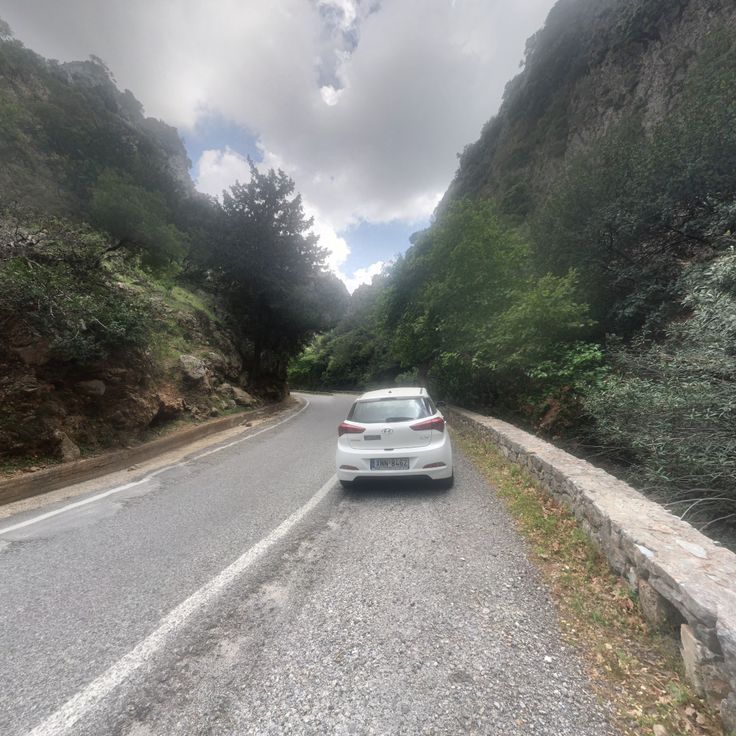
This six-kilometer canyon features vertical rock walls and native vegetation. The Theriso Gorge fits perfectly with this collection of less-visited Cretan locations, as the mountain road connects traditional villages and resistance sites from 1905. Hikers will pass through an area away from the common routes followed by tourists along the northern coast.
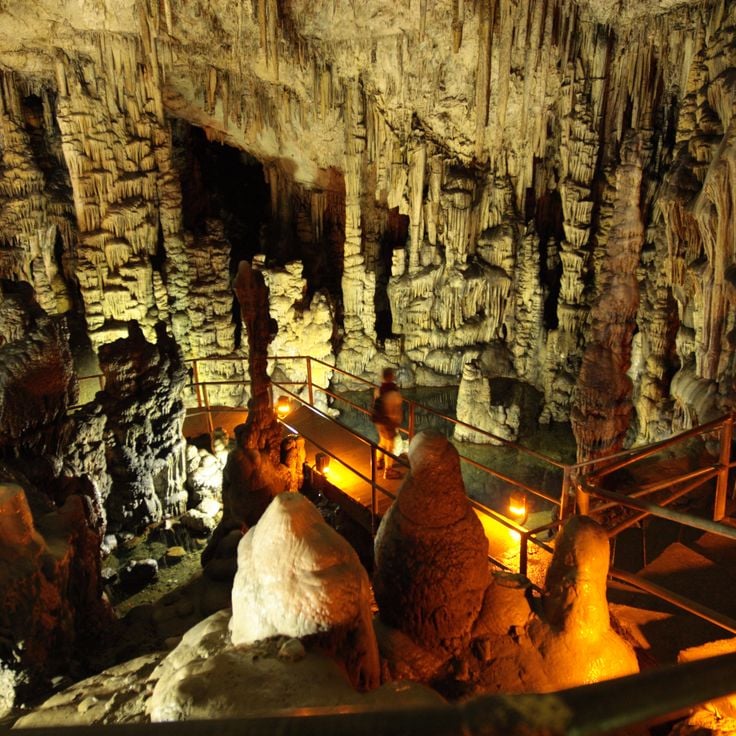
This cave system extends over two kilometers into Mount Dicte. Stone staircases guide visitors through multiple chambers featuring natural mineral formations and remnants from Minoan occupation. The Dikteon Cave is one of Crete's notable geological formations, situated away from common tourist routes and offering a glimpse into the island's natural and archaeological history.
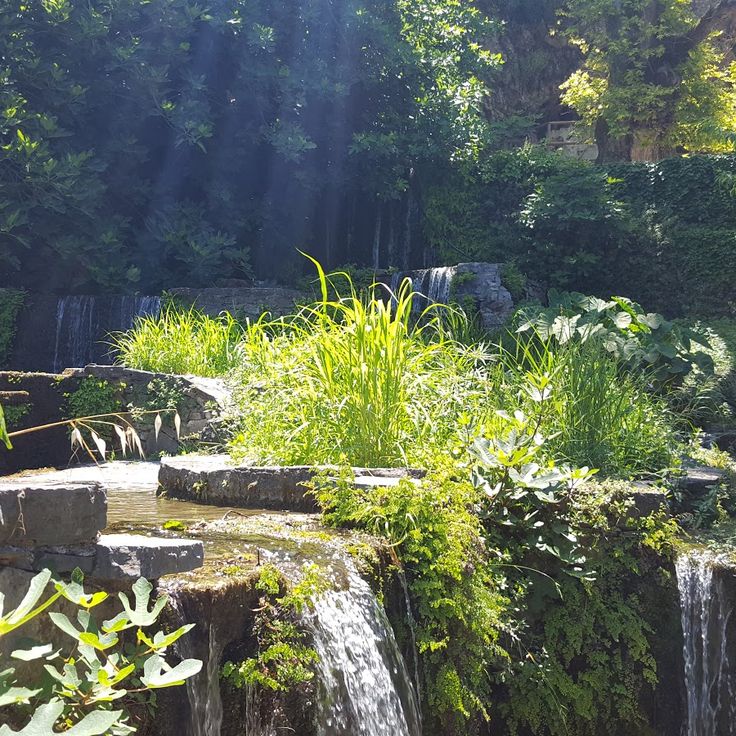
The Argiroupoli Springs are part of this collection of lesser-known sites in Crete, offering a different experience from the tourist beaches along the northern coast. Multiple freshwater springs flow through stone structures and waterfalls amid maple trees and remnants of Roman settlements in this mountain area.
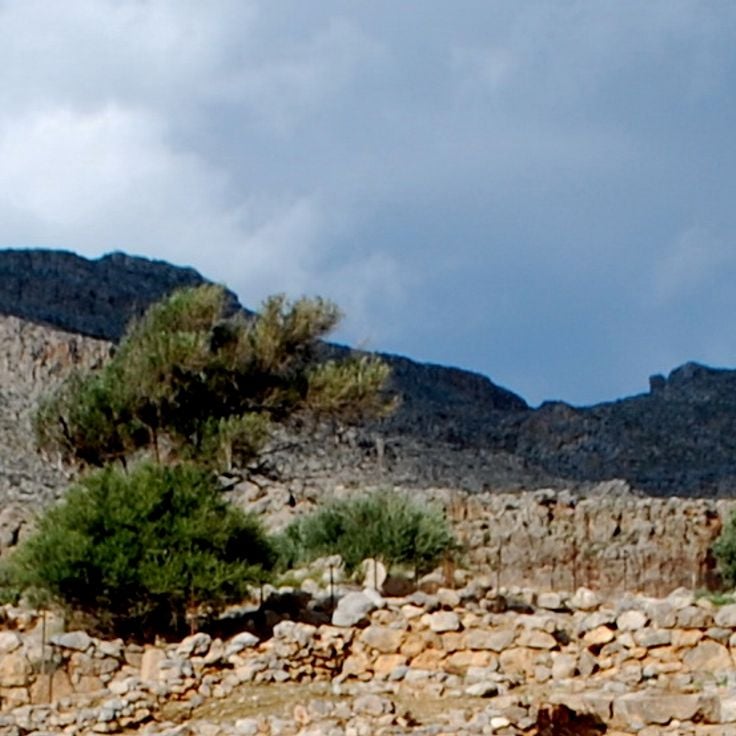
Kato Zakros is one of the four largest Minoan palace sites and sits on the eastern coast of Crete. This palace contains storage rooms, workshops, shrines, and central courtyards that reveal how people lived during the Minoan civilization. For travelers exploring away from common routes, this site offers a rare glimpse into Crete's ancient past.
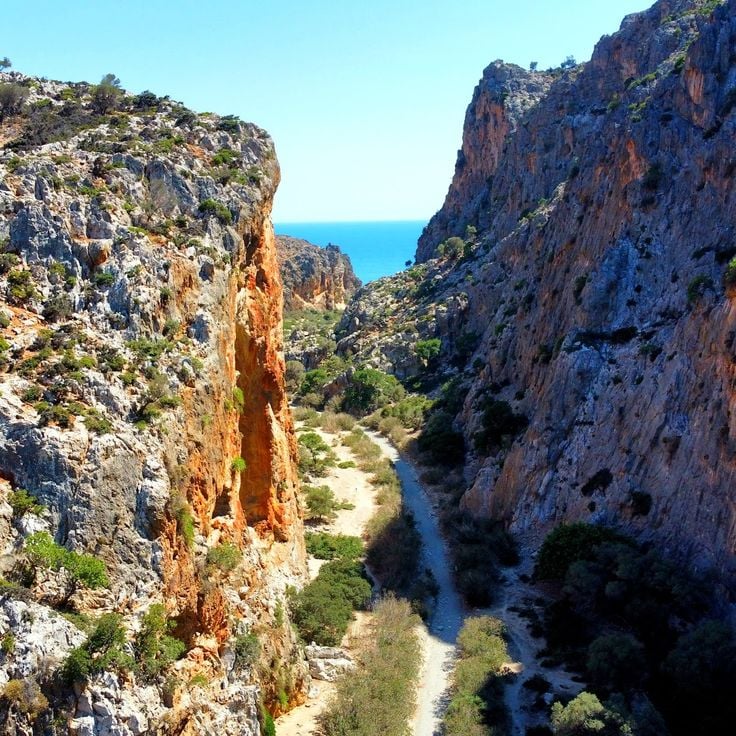
Agiofarago Gorge is a natural canyon that extends roughly 1.5 kilometers between limestone cliffs leading toward the Libyan Sea. Within the gorge lie caves and a small Byzantine church. This gorge represents a different side of Crete, away from the tourist routes along the northern coast. It offers visitors seeking lesser-known locations an insight into the island's geology and history.
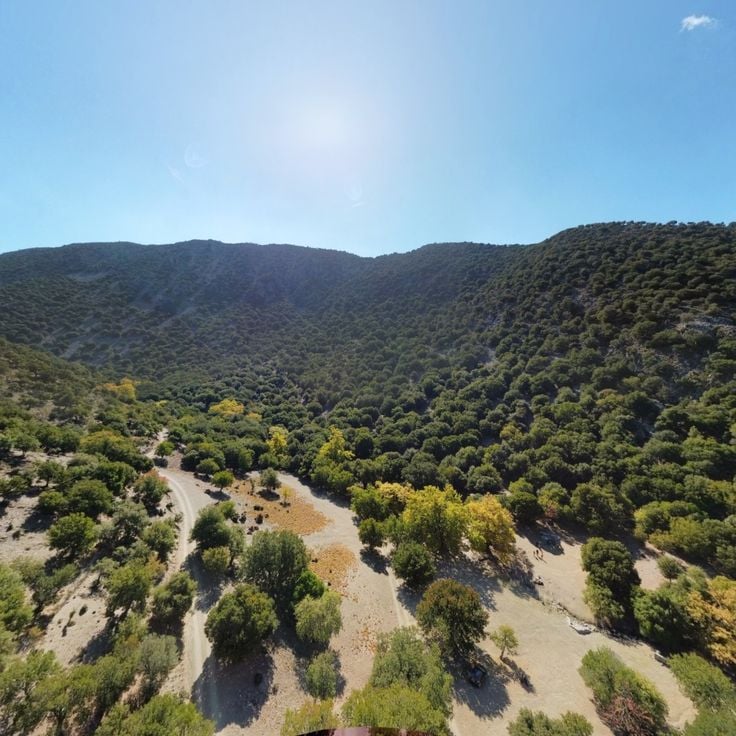
The Rouvas Forest is a mountain forest in the Heraklion Region on Crete, with maple and oak trees dotting its slopes. Marked trails wind through this woodland, offering a retreat for visitors who want to explore nature away from the busier tourist routes. The forest is home to rare plant species and displays the natural variety of central Crete.
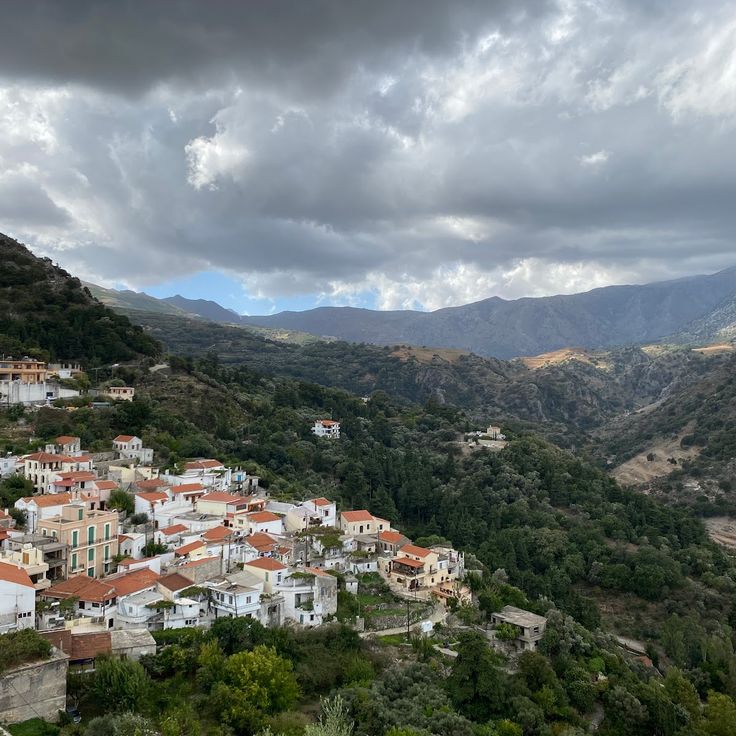
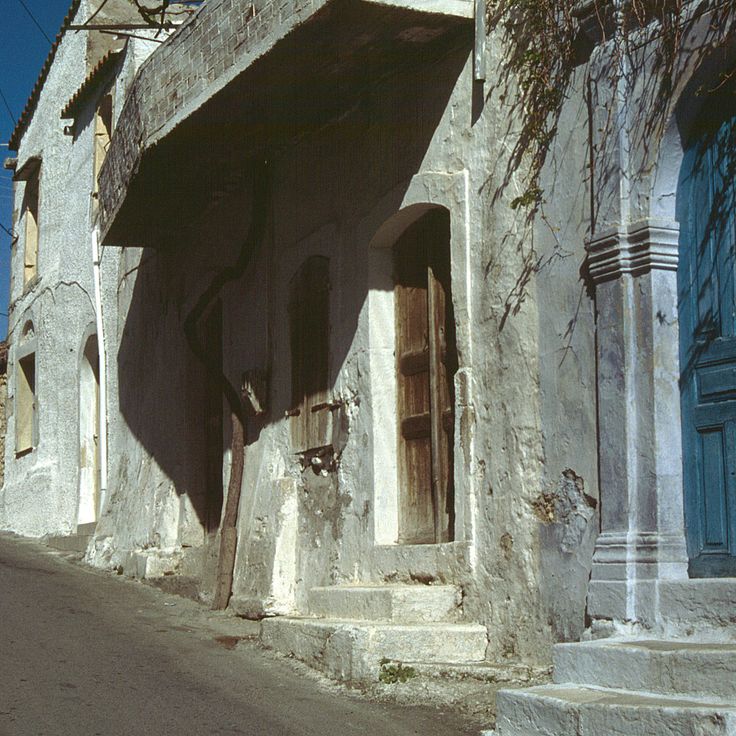
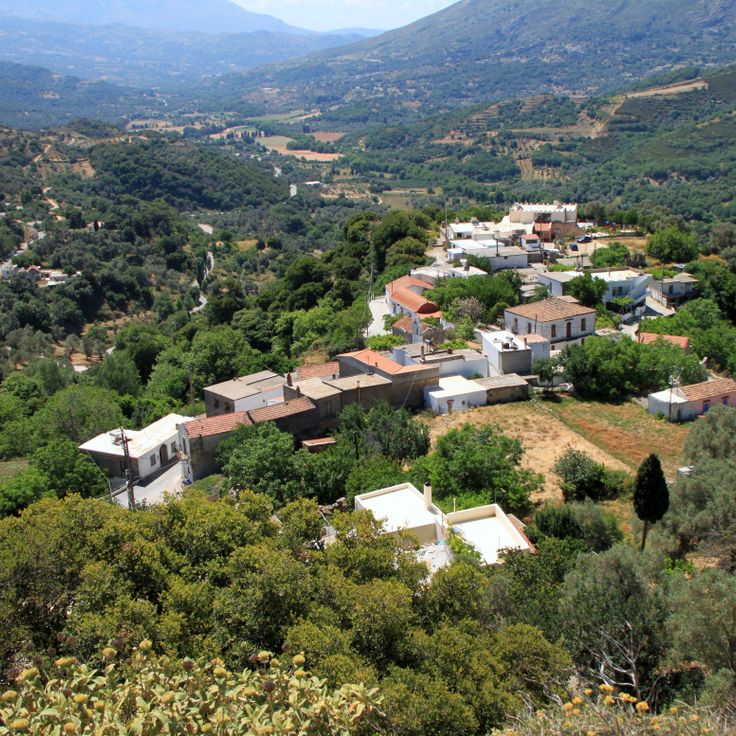
Margarites village sits away from the common routes explored by most visitors to Crete. This mountain settlement has kept its traditional character through generations. Pottery workshops line the streets where craftspeople work with clay using methods passed down for centuries. Stone houses with Venetian features define the village: decorated doors and arched windows mark the buildings throughout. Walking here, you experience daily life in a genuine mountain community far from the crowded northern coast.
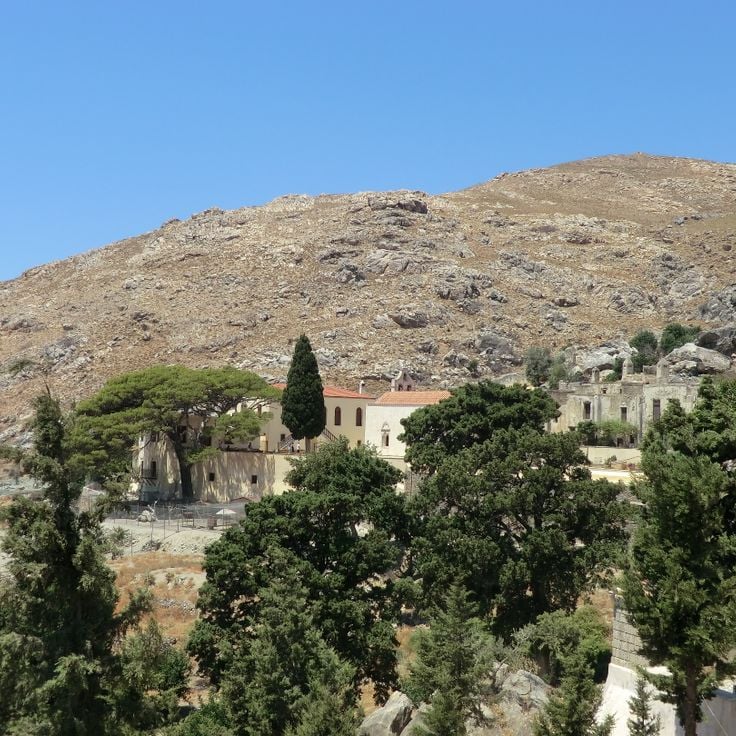
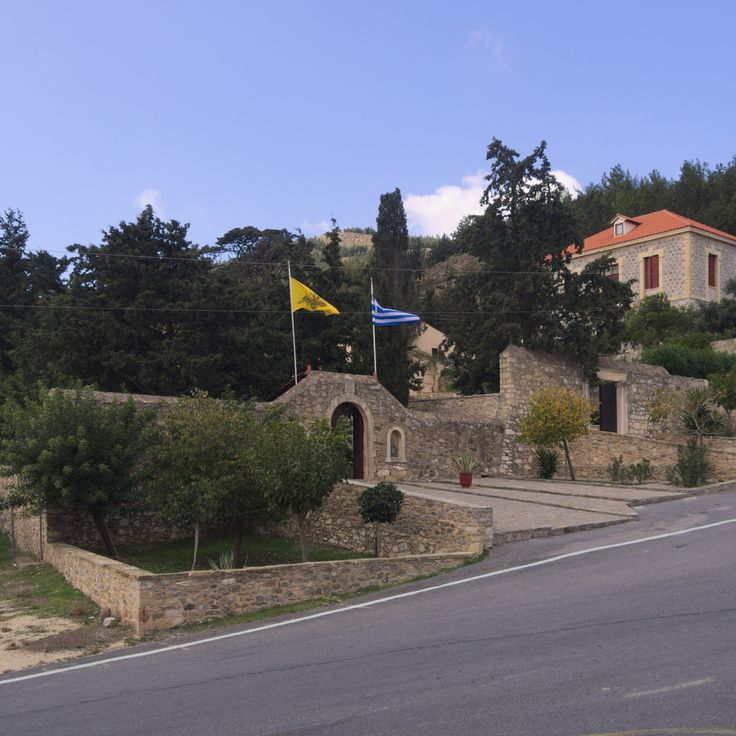
This Orthodox monastery stands on a hill overlooking the Libyan Sea. The two main buildings date to the 17th century and hold religious artifacts. Preveli Monastery offers insight into the spiritual history of Crete and sits away from the tourist crowds of the northern coast.
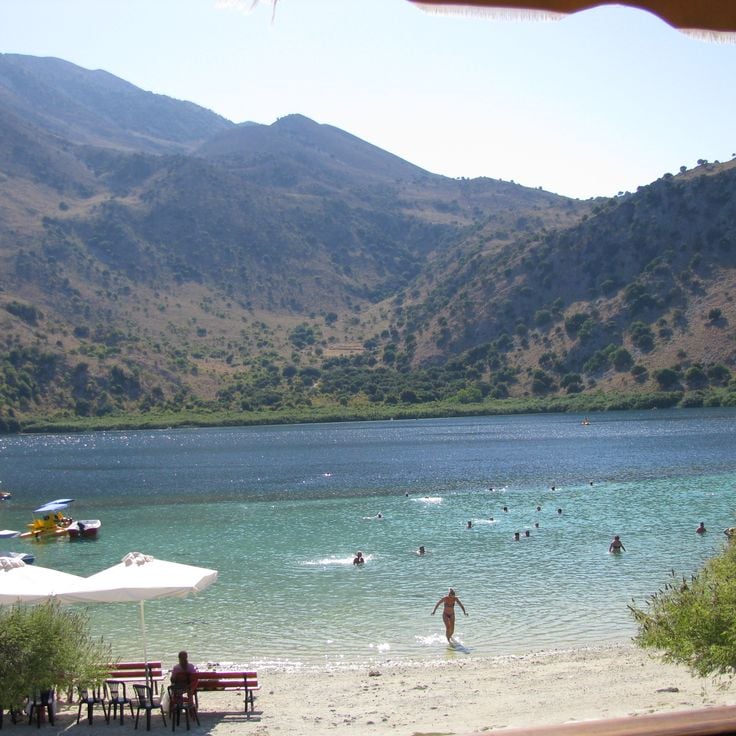
Kournas Lake is Crete's only natural freshwater lake, surrounded by green hills and mountains that create a gentle landscape. The water is clear and inviting for swimming. Paths around the lake offer walking routes through the countryside. This lake provides a quiet escape away from the tourist crowds along Crete's northern coast, offering a chance to experience the island's natural landscape in its simplest form.
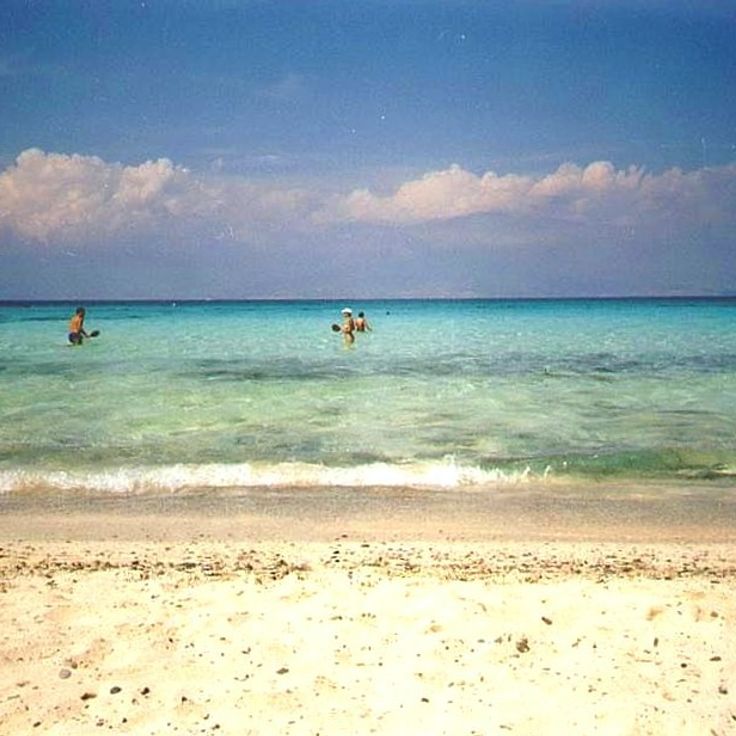
Chrissi Island is a small isle off the southern coast of Crete, marked by extensive sand dunes and groves of cedar trees. The shallow, clear water surrounding the island holds coral reefs that invite exploration. This destination offers a retreat away from the usual tourist paths, where visitors can experience the natural beauty and marine life of the region in a peaceful way.
The Maheridia Heights are a limestone formation rising 800 meters above sea level, part of this collection of lesser-known locations on Crete. From this place, visitors can view olive groves and the Mediterranean Sea. The heights provide opportunities to observe local birds and native flora while hiking away from the main tourist routes that dominate the northern coast.
This 16th-century Orthodox monastery in Crete is part of this collection of lesser-visited sites away from main tourist routes. Agarathos Monastery houses a collection of Byzantine icons, manuscripts, and religious artifacts within its stone buildings. The complex includes a central church and monks' cells that offer insight into monastic life and the region's religious traditions.
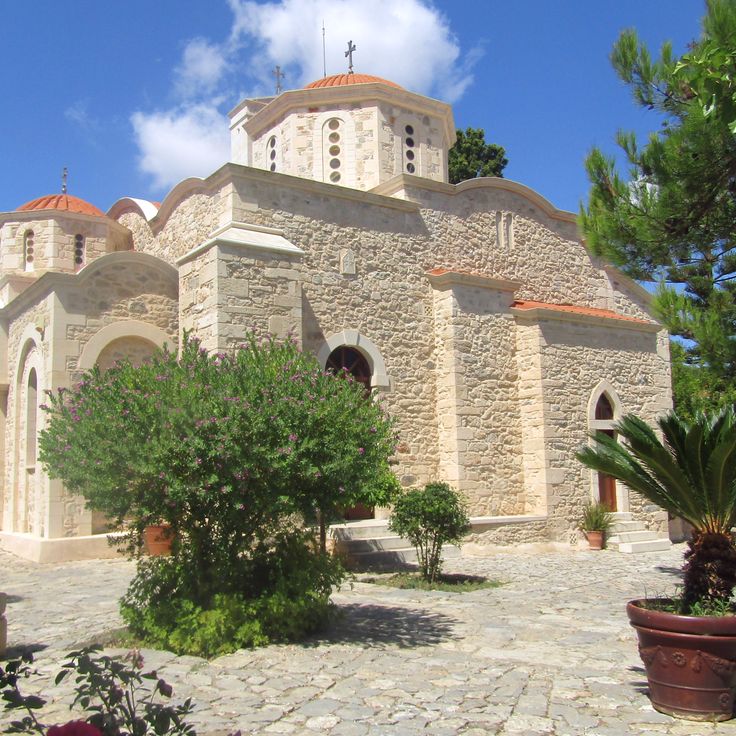
The Epanosifis Monastery sits in Crete as part of this collection of lesser-known destinations away from the main tourist routes. Built in 1600, this monastery houses a museum of religious artifacts, a library with old manuscripts, and gardens filled with Mediterranean plants and herbs. It offers a glimpse into the spiritual life of the island through its preserved spaces and collections.
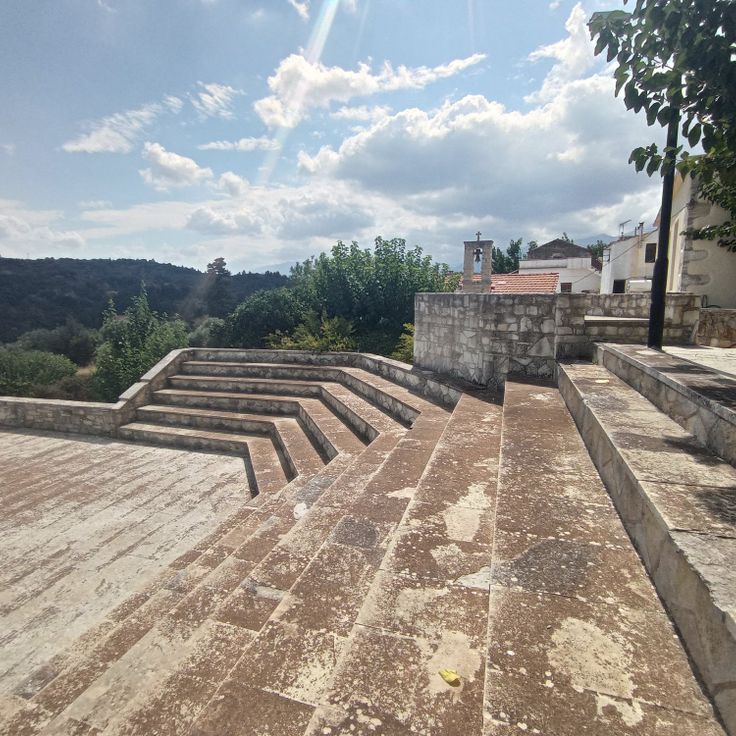
Thronos village sits away from main routes and shows how people lived in Crete's mountains. Here you find ruins of ancient temples and Roman structures that tell of a long history. The houses display traditional Cretan architecture with stone walls and wooden balconies, reflecting daily life in mountain communities.
This gorge in Crete is a natural canyon with vertical limestone walls and several caves. The Tripiti Gorge offers hikers a path through narrow passages between rock formations. It lies away from common routes and allows visitors to discover a different side of Crete, away from the tourist crowds along the northern coastline.
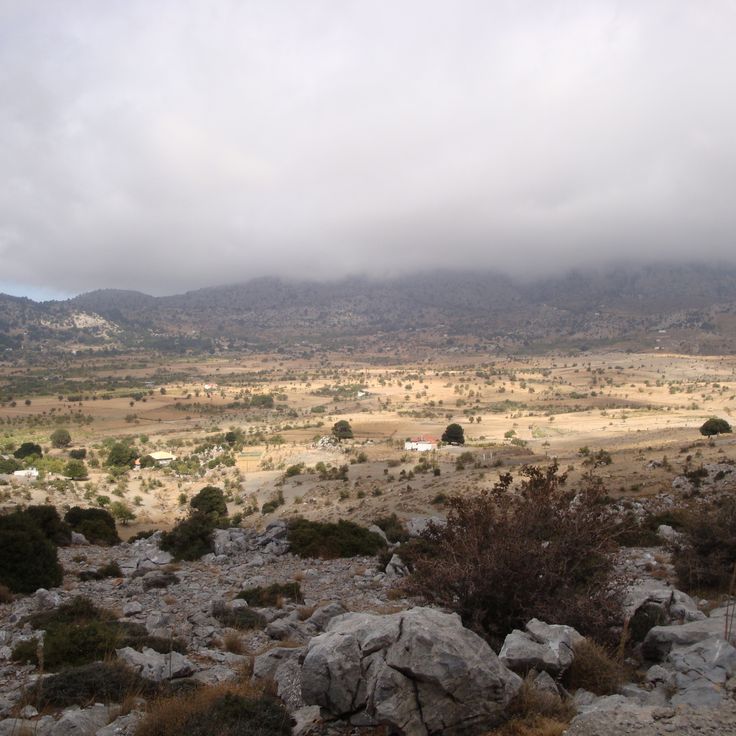
The Katharo Plateau is part of this collection of lesser-known Cretan locations and shows a different side of the island away from common tourist routes. Located at 1200 meters elevation, this mountain plain spreads across oak forests and open grazing lands. Here you will find habitats for birds and mountain goats that roam freely across the slopes. The plateau offers visitors a chance to experience the natural rhythms of mountain life in Crete.
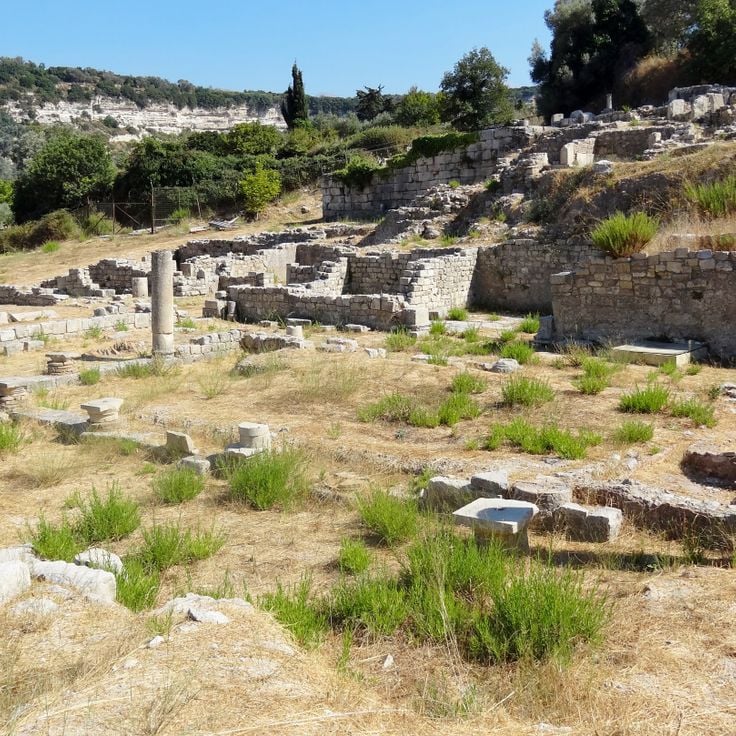
Ancient Eleutherna within this collection reveals Crete's layered history far from main tourist areas. This archaeological site preserves remains from several periods, including Roman baths and a cemetery from ancient times. The museum on the grounds displays objects discovered during excavations. Visitors can see how people lived from ancient through Roman times.
This beach within this collection highlights a location away from common routes. Fodele Beach extends along a protected bay with clear waters and dark sand. Palm trees line the shore near the village where painter El Greco was born.
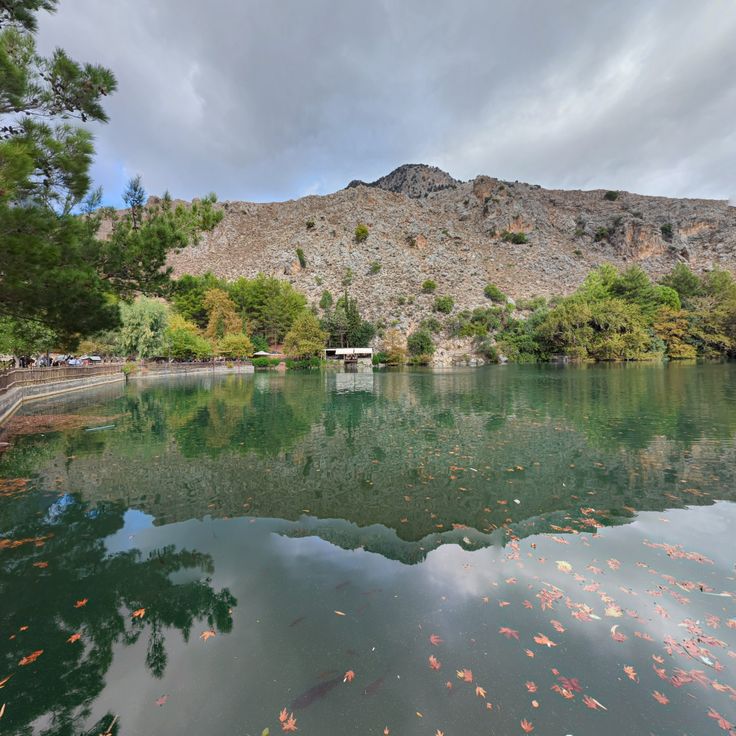
This artificial lake at 400 meters elevation near Zaros supplies water to local farms while offering visitors a quiet place to walk around its shores, fish for trout, and watch local birds. The lake sits away from common routes and shows a different side of Crete, far from tourist crowds found along the northern coast.
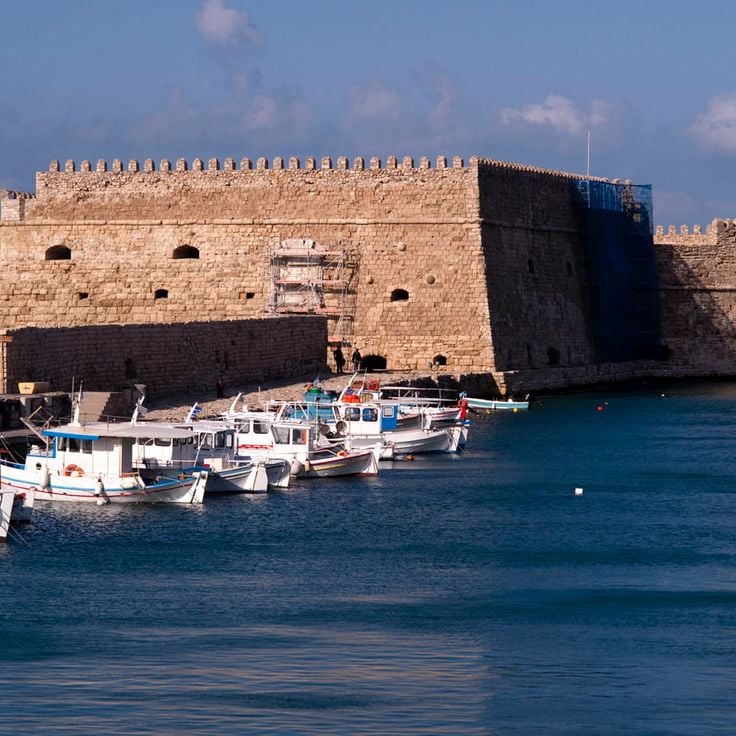
This 16th century fortress is a Venetian structure that guarded the harbor of Heraklion. The Rocca al Mare has walls six meters thick and contains two floors with vaulted halls and storage rooms. It shows the strategic role these coastal fortifications played in Venetian rule over Crete.
Spinalonga Island lies off the coast near Agios Nikolaos and holds a 16th-century Venetian fortress. Thick stone walls surround the island, and narrow passages wind between stone buildings. From 1903 to 1957, the fortress served as an isolation facility for patients with leprosy. Today visitors can walk through the remains and understand how people lived here while separated from the outside world.
The Kourtaliotiko Gorge is a limestone canyon extending 3 kilometers with vertical walls reaching 600 meters in height. This formation is part of Crete's off-the-beaten-track destinations, located away from the main tourist routes. Natural springs and small rivers flow through its base, creating a dramatic geological landscape.
This metal bridge at Aradena is part of Crete's lesser-traveled destinations and spans 138 meters across a gorge at a height of 138 meters. Built in 1986, it connects a regional road to the abandoned settlement of Aradena. The bridge offers a way to experience the remote areas of the island that differ from tourist routes and allows visitors to encounter the rugged landscape and geological formations of the region.
The archaeological site of Ancient Lappa in Argyroupoli preserves remains from when this location served as a Roman city. You can walk among thermal baths with decorative geometric floor patterns and stone structures from the Roman period. Water springs flow naturally from the surrounding rocks. This site sits away from the main tourist paths, offering a window into Crete's Roman past.
This small bay on the Akrotiri Peninsula is part of a selection of less-visited locations in Crete. The turquoise water sits between steep limestone cliffs. Natural rock formations create three separate coves with white pebble shores. The beach offers visitors a quiet escape when exploring Crete away from crowded areas.
This cave in Milatos holds a place of quiet remembrance for a difficult moment in Crete's past. In 1823, around two thousand residents sought shelter here during the Ottoman occupation. Today, a small memorial chapel and ossuary inside the cave honor those events. Milatos Cave fits within this collection of lesser-traveled destinations where history and landscape meet in a meaningful way.
This six-kilometer canyon features vertical rock walls and native vegetation. The Theriso Gorge fits perfectly with this collection of less-visited Cretan locations, as the mountain road connects traditional villages and resistance sites from 1905. Hikers will pass through an area away from the common routes followed by tourists along the northern coast.
This cave system extends over two kilometers into Mount Dicte. Stone staircases guide visitors through multiple chambers featuring natural mineral formations and remnants from Minoan occupation. The Dikteon Cave is one of Crete's notable geological formations, situated away from common tourist routes and offering a glimpse into the island's natural and archaeological history.
The Argiroupoli Springs are part of this collection of lesser-known sites in Crete, offering a different experience from the tourist beaches along the northern coast. Multiple freshwater springs flow through stone structures and waterfalls amid maple trees and remnants of Roman settlements in this mountain area.
Kato Zakros is one of the four largest Minoan palace sites and sits on the eastern coast of Crete. This palace contains storage rooms, workshops, shrines, and central courtyards that reveal how people lived during the Minoan civilization. For travelers exploring away from common routes, this site offers a rare glimpse into Crete's ancient past.
Agiofarago Gorge is a natural canyon that extends roughly 1.5 kilometers between limestone cliffs leading toward the Libyan Sea. Within the gorge lie caves and a small Byzantine church. This gorge represents a different side of Crete, away from the tourist routes along the northern coast. It offers visitors seeking lesser-known locations an insight into the island's geology and history.
The Rouvas Forest is a mountain forest in the Heraklion Region on Crete, with maple and oak trees dotting its slopes. Marked trails wind through this woodland, offering a retreat for visitors who want to explore nature away from the busier tourist routes. The forest is home to rare plant species and displays the natural variety of central Crete.
Margarites village sits away from the common routes explored by most visitors to Crete. This mountain settlement has kept its traditional character through generations. Pottery workshops line the streets where craftspeople work with clay using methods passed down for centuries. Stone houses with Venetian features define the village: decorated doors and arched windows mark the buildings throughout. Walking here, you experience daily life in a genuine mountain community far from the crowded northern coast.
This Orthodox monastery stands on a hill overlooking the Libyan Sea. The two main buildings date to the 17th century and hold religious artifacts. Preveli Monastery offers insight into the spiritual history of Crete and sits away from the tourist crowds of the northern coast.
Kournas Lake is Crete's only natural freshwater lake, surrounded by green hills and mountains that create a gentle landscape. The water is clear and inviting for swimming. Paths around the lake offer walking routes through the countryside. This lake provides a quiet escape away from the tourist crowds along Crete's northern coast, offering a chance to experience the island's natural landscape in its simplest form.
Chrissi Island is a small isle off the southern coast of Crete, marked by extensive sand dunes and groves of cedar trees. The shallow, clear water surrounding the island holds coral reefs that invite exploration. This destination offers a retreat away from the usual tourist paths, where visitors can experience the natural beauty and marine life of the region in a peaceful way.
The Maheridia Heights are a limestone formation rising 800 meters above sea level, part of this collection of lesser-known locations on Crete. From this place, visitors can view olive groves and the Mediterranean Sea. The heights provide opportunities to observe local birds and native flora while hiking away from the main tourist routes that dominate the northern coast.
This 16th-century Orthodox monastery in Crete is part of this collection of lesser-visited sites away from main tourist routes. Agarathos Monastery houses a collection of Byzantine icons, manuscripts, and religious artifacts within its stone buildings. The complex includes a central church and monks' cells that offer insight into monastic life and the region's religious traditions.
The Epanosifis Monastery sits in Crete as part of this collection of lesser-known destinations away from the main tourist routes. Built in 1600, this monastery houses a museum of religious artifacts, a library with old manuscripts, and gardens filled with Mediterranean plants and herbs. It offers a glimpse into the spiritual life of the island through its preserved spaces and collections.
Thronos village sits away from main routes and shows how people lived in Crete's mountains. Here you find ruins of ancient temples and Roman structures that tell of a long history. The houses display traditional Cretan architecture with stone walls and wooden balconies, reflecting daily life in mountain communities.
This gorge in Crete is a natural canyon with vertical limestone walls and several caves. The Tripiti Gorge offers hikers a path through narrow passages between rock formations. It lies away from common routes and allows visitors to discover a different side of Crete, away from the tourist crowds along the northern coastline.
The Katharo Plateau is part of this collection of lesser-known Cretan locations and shows a different side of the island away from common tourist routes. Located at 1200 meters elevation, this mountain plain spreads across oak forests and open grazing lands. Here you will find habitats for birds and mountain goats that roam freely across the slopes. The plateau offers visitors a chance to experience the natural rhythms of mountain life in Crete.
Ancient Eleutherna within this collection reveals Crete's layered history far from main tourist areas. This archaeological site preserves remains from several periods, including Roman baths and a cemetery from ancient times. The museum on the grounds displays objects discovered during excavations. Visitors can see how people lived from ancient through Roman times.
This beach within this collection highlights a location away from common routes. Fodele Beach extends along a protected bay with clear waters and dark sand. Palm trees line the shore near the village where painter El Greco was born.
This artificial lake at 400 meters elevation near Zaros supplies water to local farms while offering visitors a quiet place to walk around its shores, fish for trout, and watch local birds. The lake sits away from common routes and shows a different side of Crete, far from tourist crowds found along the northern coast.
This 16th century fortress is a Venetian structure that guarded the harbor of Heraklion. The Rocca al Mare has walls six meters thick and contains two floors with vaulted halls and storage rooms. It shows the strategic role these coastal fortifications played in Venetian rule over Crete.
Spinalonga Island lies off the coast near Agios Nikolaos and holds a 16th-century Venetian fortress. Thick stone walls surround the island, and narrow passages wind between stone buildings. From 1903 to 1957, the fortress served as an isolation facility for patients with leprosy. Today visitors can walk through the remains and understand how people lived here while separated from the outside world.
The Kourtaliotiko Gorge is a limestone canyon extending 3 kilometers with vertical walls reaching 600 meters in height. This formation is part of Crete's off-the-beaten-track destinations, located away from the main tourist routes. Natural springs and small rivers flow through its base, creating a dramatic geological landscape.
This metal bridge at Aradena is part of Crete's lesser-traveled destinations and spans 138 meters across a gorge at a height of 138 meters. Built in 1986, it connects a regional road to the abandoned settlement of Aradena. The bridge offers a way to experience the remote areas of the island that differ from tourist routes and allows visitors to encounter the rugged landscape and geological formations of the region.
The archaeological site of Ancient Lappa in Argyroupoli preserves remains from when this location served as a Roman city. You can walk among thermal baths with decorative geometric floor patterns and stone structures from the Roman period. Water springs flow naturally from the surrounding rocks. This site sits away from the main tourist paths, offering a window into Crete's Roman past.
This small bay on the Akrotiri Peninsula is part of a selection of less-visited locations in Crete. The turquoise water sits between steep limestone cliffs. Natural rock formations create three separate coves with white pebble shores. The beach offers visitors a quiet escape when exploring Crete away from crowded areas.
This cave in Milatos holds a place of quiet remembrance for a difficult moment in Crete's past. In 1823, around two thousand residents sought shelter here during the Ottoman occupation. Today, a small memorial chapel and ossuary inside the cave honor those events. Milatos Cave fits within this collection of lesser-traveled destinations where history and landscape meet in a meaningful way.
This six-kilometer canyon features vertical rock walls and native vegetation. The Theriso Gorge fits perfectly with this collection of less-visited Cretan locations, as the mountain road connects traditional villages and resistance sites from 1905. Hikers will pass through an area away from the common routes followed by tourists along the northern coast.
This cave system extends over two kilometers into Mount Dicte. Stone staircases guide visitors through multiple chambers featuring natural mineral formations and remnants from Minoan occupation. The Dikteon Cave is one of Crete's notable geological formations, situated away from common tourist routes and offering a glimpse into the island's natural and archaeological history.
The Argiroupoli Springs are part of this collection of lesser-known sites in Crete, offering a different experience from the tourist beaches along the northern coast. Multiple freshwater springs flow through stone structures and waterfalls amid maple trees and remnants of Roman settlements in this mountain area.
Kato Zakros is one of the four largest Minoan palace sites and sits on the eastern coast of Crete. This palace contains storage rooms, workshops, shrines, and central courtyards that reveal how people lived during the Minoan civilization. For travelers exploring away from common routes, this site offers a rare glimpse into Crete's ancient past.
Agiofarago Gorge is a natural canyon that extends roughly 1.5 kilometers between limestone cliffs leading toward the Libyan Sea. Within the gorge lie caves and a small Byzantine church. This gorge represents a different side of Crete, away from the tourist routes along the northern coast. It offers visitors seeking lesser-known locations an insight into the island's geology and history.
The Rouvas Forest is a mountain forest in the Heraklion Region on Crete, with maple and oak trees dotting its slopes. Marked trails wind through this woodland, offering a retreat for visitors who want to explore nature away from the busier tourist routes. The forest is home to rare plant species and displays the natural variety of central Crete.
Margarites village sits away from the common routes explored by most visitors to Crete. This mountain settlement has kept its traditional character through generations. Pottery workshops line the streets where craftspeople work with clay using methods passed down for centuries. Stone houses with Venetian features define the village: decorated doors and arched windows mark the buildings throughout. Walking here, you experience daily life in a genuine mountain community far from the crowded northern coast.
This Orthodox monastery stands on a hill overlooking the Libyan Sea. The two main buildings date to the 17th century and hold religious artifacts. Preveli Monastery offers insight into the spiritual history of Crete and sits away from the tourist crowds of the northern coast.
Kournas Lake is Crete's only natural freshwater lake, surrounded by green hills and mountains that create a gentle landscape. The water is clear and inviting for swimming. Paths around the lake offer walking routes through the countryside. This lake provides a quiet escape away from the tourist crowds along Crete's northern coast, offering a chance to experience the island's natural landscape in its simplest form.
Chrissi Island is a small isle off the southern coast of Crete, marked by extensive sand dunes and groves of cedar trees. The shallow, clear water surrounding the island holds coral reefs that invite exploration. This destination offers a retreat away from the usual tourist paths, where visitors can experience the natural beauty and marine life of the region in a peaceful way.
The Maheridia Heights are a limestone formation rising 800 meters above sea level, part of this collection of lesser-known locations on Crete. From this place, visitors can view olive groves and the Mediterranean Sea. The heights provide opportunities to observe local birds and native flora while hiking away from the main tourist routes that dominate the northern coast.
This 16th-century Orthodox monastery in Crete is part of this collection of lesser-visited sites away from main tourist routes. Agarathos Monastery houses a collection of Byzantine icons, manuscripts, and religious artifacts within its stone buildings. The complex includes a central church and monks' cells that offer insight into monastic life and the region's religious traditions.
The Epanosifis Monastery sits in Crete as part of this collection of lesser-known destinations away from the main tourist routes. Built in 1600, this monastery houses a museum of religious artifacts, a library with old manuscripts, and gardens filled with Mediterranean plants and herbs. It offers a glimpse into the spiritual life of the island through its preserved spaces and collections.
Thronos village sits away from main routes and shows how people lived in Crete's mountains. Here you find ruins of ancient temples and Roman structures that tell of a long history. The houses display traditional Cretan architecture with stone walls and wooden balconies, reflecting daily life in mountain communities.
This gorge in Crete is a natural canyon with vertical limestone walls and several caves. The Tripiti Gorge offers hikers a path through narrow passages between rock formations. It lies away from common routes and allows visitors to discover a different side of Crete, away from the tourist crowds along the northern coastline.
The Katharo Plateau is part of this collection of lesser-known Cretan locations and shows a different side of the island away from common tourist routes. Located at 1200 meters elevation, this mountain plain spreads across oak forests and open grazing lands. Here you will find habitats for birds and mountain goats that roam freely across the slopes. The plateau offers visitors a chance to experience the natural rhythms of mountain life in Crete.
Ancient Eleutherna within this collection reveals Crete's layered history far from main tourist areas. This archaeological site preserves remains from several periods, including Roman baths and a cemetery from ancient times. The museum on the grounds displays objects discovered during excavations. Visitors can see how people lived from ancient through Roman times.
This beach within this collection highlights a location away from common routes. Fodele Beach extends along a protected bay with clear waters and dark sand. Palm trees line the shore near the village where painter El Greco was born.
This artificial lake at 400 meters elevation near Zaros supplies water to local farms while offering visitors a quiet place to walk around its shores, fish for trout, and watch local birds. The lake sits away from common routes and shows a different side of Crete, far from tourist crowds found along the northern coast.
This 16th century fortress is a Venetian structure that guarded the harbor of Heraklion. The Rocca al Mare has walls six meters thick and contains two floors with vaulted halls and storage rooms. It shows the strategic role these coastal fortifications played in Venetian rule over Crete.