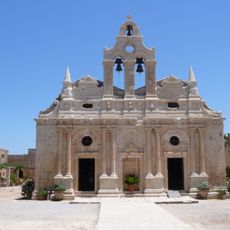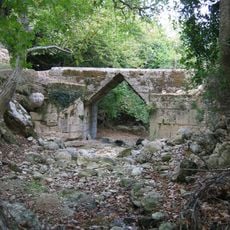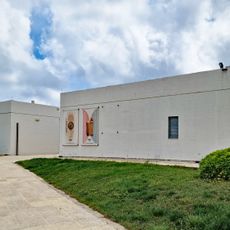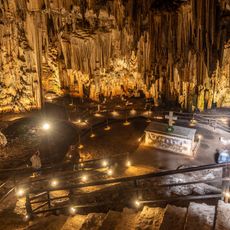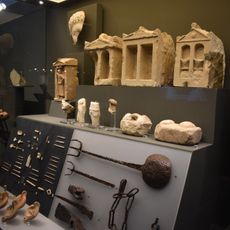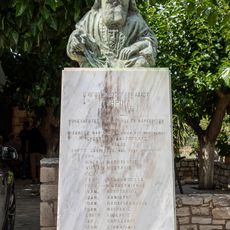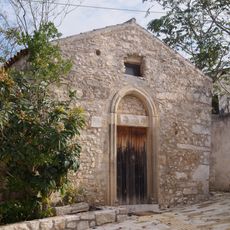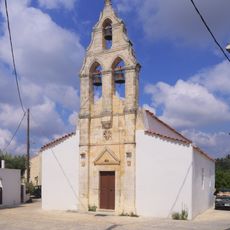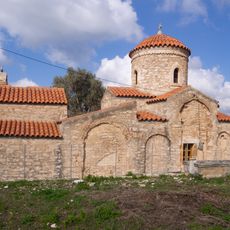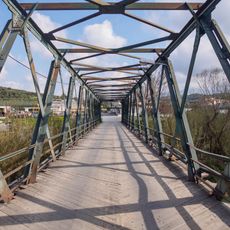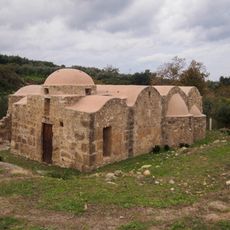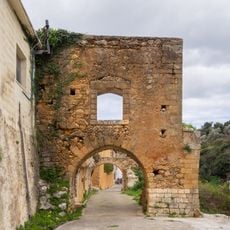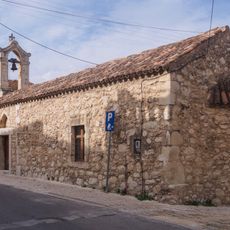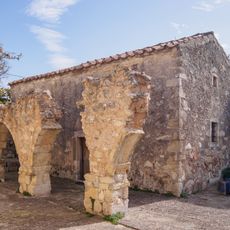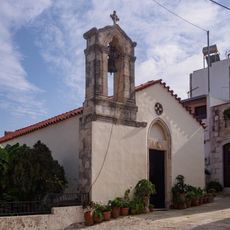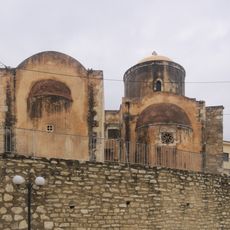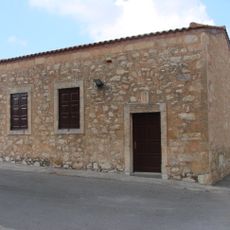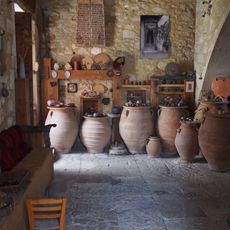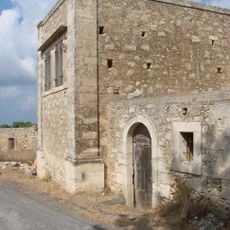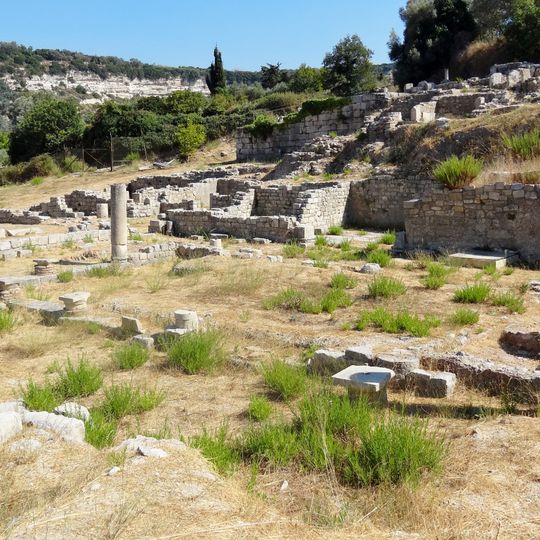
Eleutherna, Archaeological site near Mount Ida, Crete, Greece.
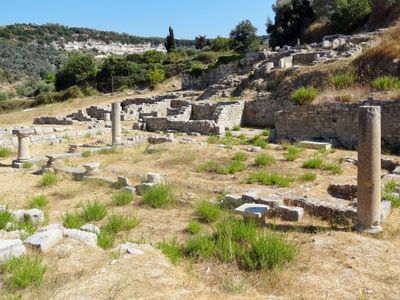
Eleutherna is an ancient city on Crete whose excavated remains spread across two hills, displaying walls from the Hellenistic period, Roman structures, and early Christian buildings. The site also contains a large cemetery area with hundreds of burial chambers from different eras.
The city was founded in the 9th century BC and grew into a significant city-state involved in regional conflicts. A major earthquake in 365 CE marked the end of this period of importance.
The name Eleutherna comes from the concept of freedom and autonomy, reflecting the city's independence in ancient times. Visitors can observe how residents organized their living spaces and arranged public areas, revealing daily life patterns of a self-governing community.
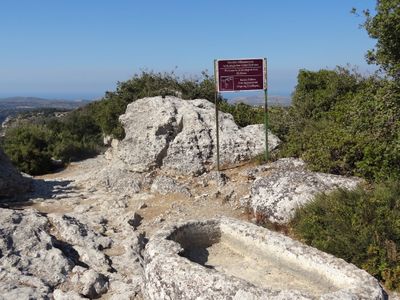
The excavation site has walking paths and information panels in Greek and English to help visitors navigate. The best conditions for exploration are in the cooler morning and evening hours, especially during the hotter months.
Four female remains from the Iron Age found at the site belonged to a matrilineal line of priestesses, making it a rare find in Mediterranean archaeology. This discovery sheds light on women's roles in religious leadership of this early society.
The community of curious travelers
AroundUs brings together thousands of curated places, local tips, and hidden gems, enriched daily by 91,260 contributors worldwide.