See the monuments around you in AROpen chests in the app
Around Us is built for your phone — point your camera at the streets and discover the monuments and places around you in augmented reality.Around Us is built for your phone — chests unlock when you walk, explore and capture nearby places.
Crete combines remnants of ancient civilizations with natural landscapes along its 1,050 km coastline. The island offers photographers a mix of archaeological sites like the Minoan palace at Knossos and historic settlements such as the Venetian harbor districts of Chania and Rethymno. Coastal formations range from the pink sand beaches of Elafonissi to the turquoise lagoon at Balos and the palm groves at Preveli and Vai. Mountain ranges in the interior contain gorges like Samaria and Aradena, along with remote villages such as Kritsa and Margarites where traditional ways of life continue.
The photography spots in this collection show Crete's different sides. Beaches like Elafonissi, Balos, and Seitan offer colorful coastal shots, while sites like Spinalonga and Moni Arkadiou capture historical moments. Villages like Loutro and Kritsa give insight into daily life, and gorges like Samaria and Aradena reveal the dramatic landscape of the interior. Each place has its own light and its own story to tell.
Crete combines remnants of ancient civilizations with natural landscapes along its 1,050 km coastline. The island offers photographers a mix of archaeological sites like the Minoan palace at Knossos and historic settlements such as the Venetian harbor districts of Chania and Rethymno. Coastal formations range from the pink sand beaches of Elafonissi to the turquoise lagoon at Balos and the palm groves at Preveli and Vai. Mountain ranges in the interior contain gorges like Samaria and Aradena, along with remote villages such as Kritsa and Margarites where traditional ways of life continue.
The photography spots in this collection show Crete's different sides. Beaches like Elafonissi, Balos, and Seitan offer colorful coastal shots, while sites like Spinalonga and Moni Arkadiou capture historical moments. Villages like Loutro and Kritsa give insight into daily life, and gorges like Samaria and Aradena reveal the dramatic landscape of the interior. Each place has its own light and its own story to tell.
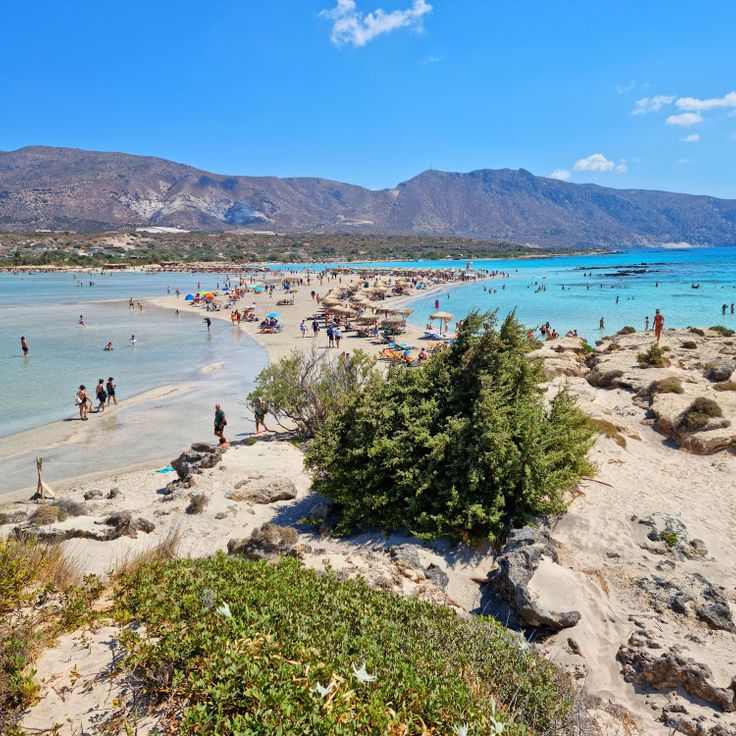
Elafonissi Beach sits on the southwestern coast of Crete and forms a shallow lagoon colored pink by crushed shells and coral fragments. The warm water extends about 50 meters (165 feet) from shore and provides opportunities to photograph the unusual sand against turquoise sea. The peninsula is accessible on foot at low tide and offers changing perspectives of the lagoon and the sand dunes beyond. The combination of colored sand, shallow water and Mediterranean light makes this beach a valuable subject for photography in Crete.
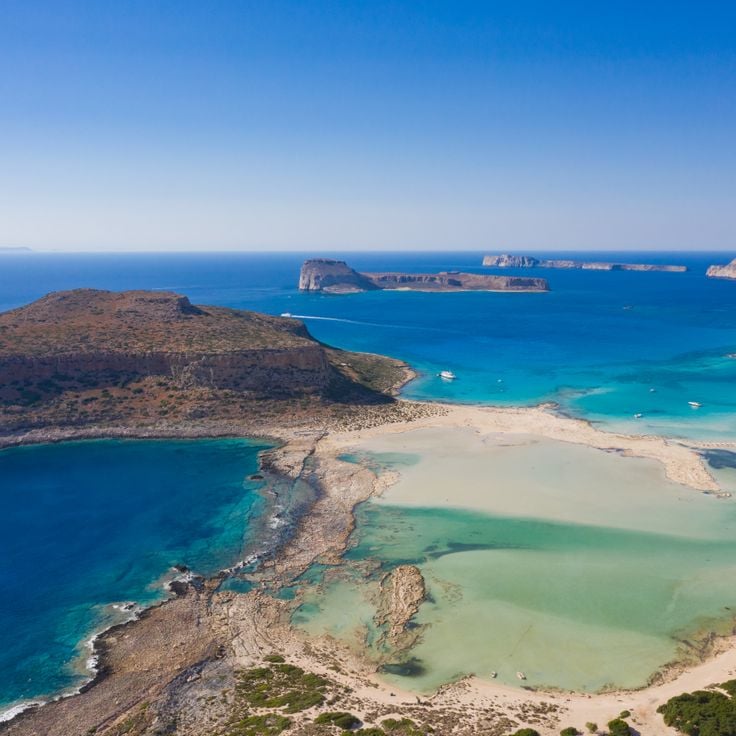
Balos Lagoon is a marine protected area where turquoise water flows between beaches of white and pink sand. Limestone rocks separate two connected bays on the Gramvousa Peninsula. The shallow water and sandbars create color gradations from aquamarine to deep blue. The lagoon sits about 56 kilometers northwest of Chania and is accessible via an unpaved road or by boat. Its exposed position on the open sea provides changing light conditions throughout the day, suitable for wide-angle shots from elevated viewpoints along the access path.
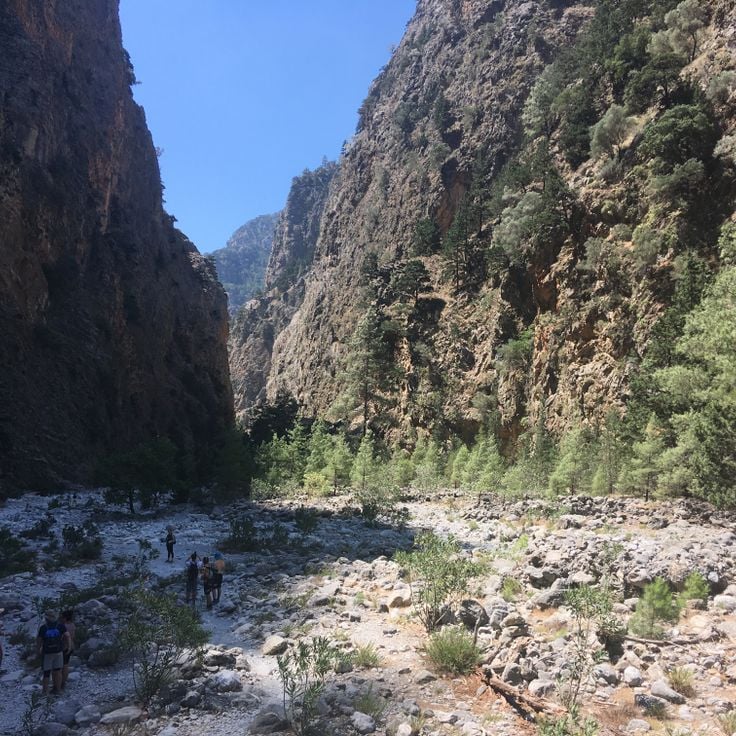
The Samaria Gorge cuts through the White Mountains and ranks as one of Europe's longest canyons. Its limestone walls rise steeply, especially at the narrowest point where the passage becomes dramatically confined. The trail passes through pine forests, abandoned villages and the Iron Gates, where the passage narrows to just a few meters wide. Changing light on the gray and ochre rock faces creates strong contrasts ideal for landscape photography. The gorge ends at the Libyan Sea near Agia Roumeli.
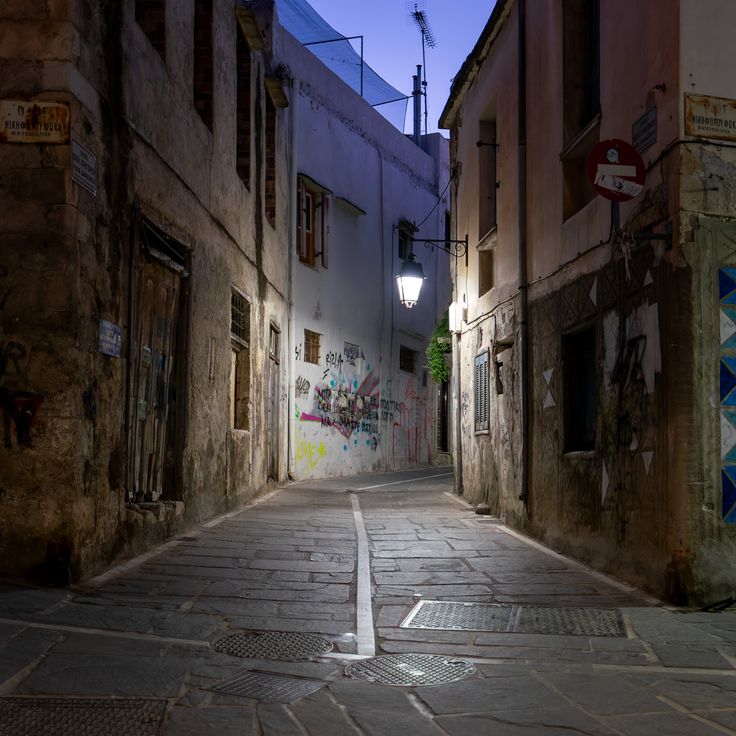
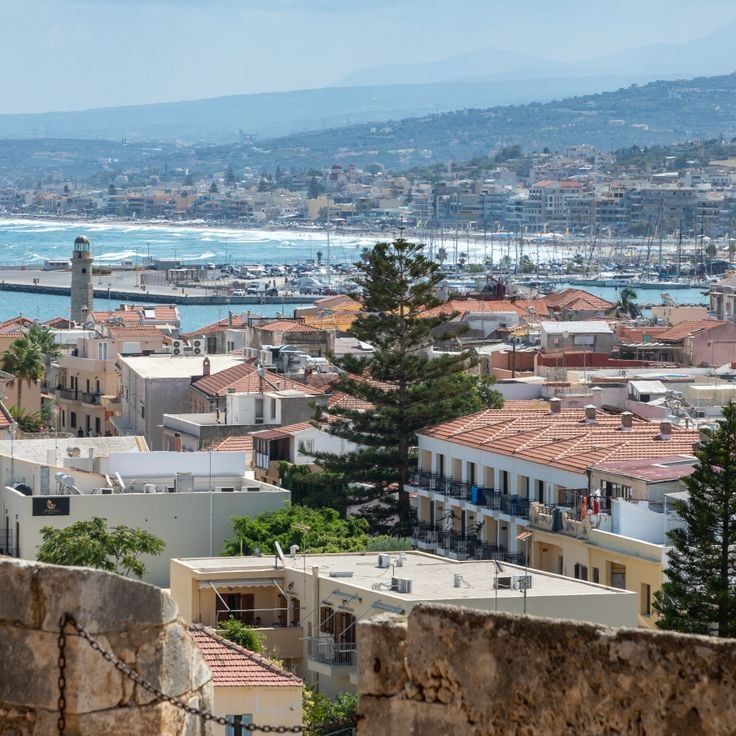
Rethymno Old Town displays stone facades and wooden balconies from the 16th century along its narrow streets, offering photographers a Mediterranean setting with Venetian and Ottoman architecture. Arched doorways and minarets line the winding passages that open into small squares. The architectural details and historic buildings create subjects with Cretan character. This quarter extends between the Venetian harbor and the Fortezza fortress, preserving layers from several centuries of island history.
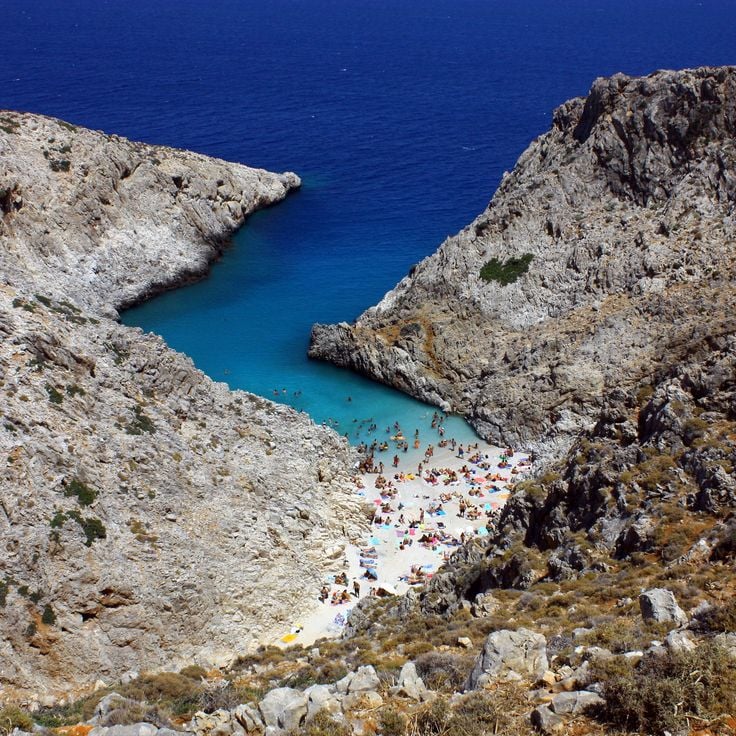
This beach sits at the end of a narrow inlet on the Akrotiri Peninsula, flanked by tall limestone cliffs. A steep path descends from the parking area to the shore, where clear turquoise water fills the sheltered cove. The near-vertical rock walls on both sides shape the landscape dramatically and intensify the color of the sea. Seitan Beach offers wide-angle views of the inlet from elevated viewpoints along the descent, or close-up shots of the cliffs and clear water from the beach itself. The location provides engaging coastal subjects for photographers visiting Crete.
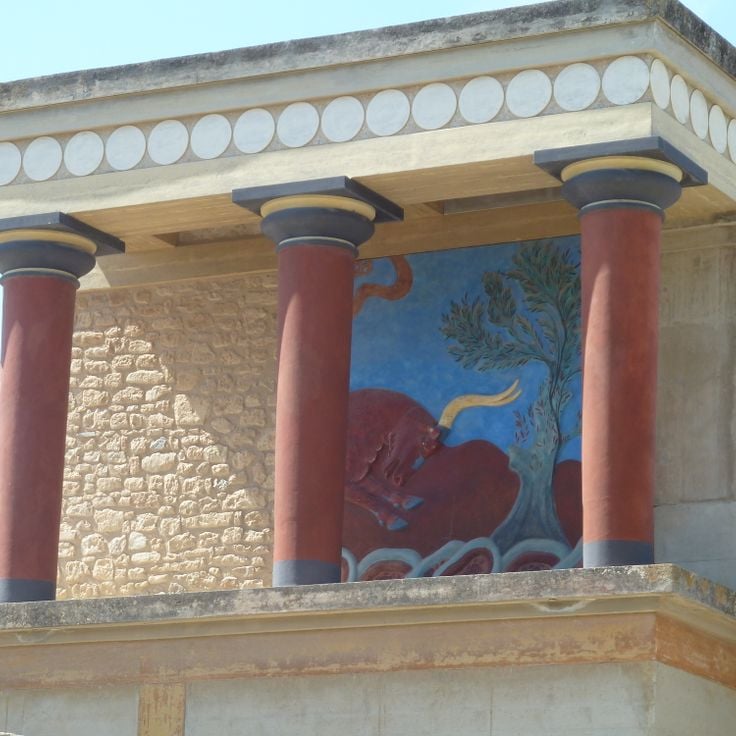
Knossos serves as a major photography destination for capturing Minoan civilization and its architectural legacy. The palace complex displays reconstructed columns and painted walls depicting scenes from daily life, including processions, dancers and dolphins. Visitors can photograph the throne room, grand staircases and colored frescoes that reveal the building techniques and artistic abilities of this Bronze Age society that flourished around 3,700 years ago.
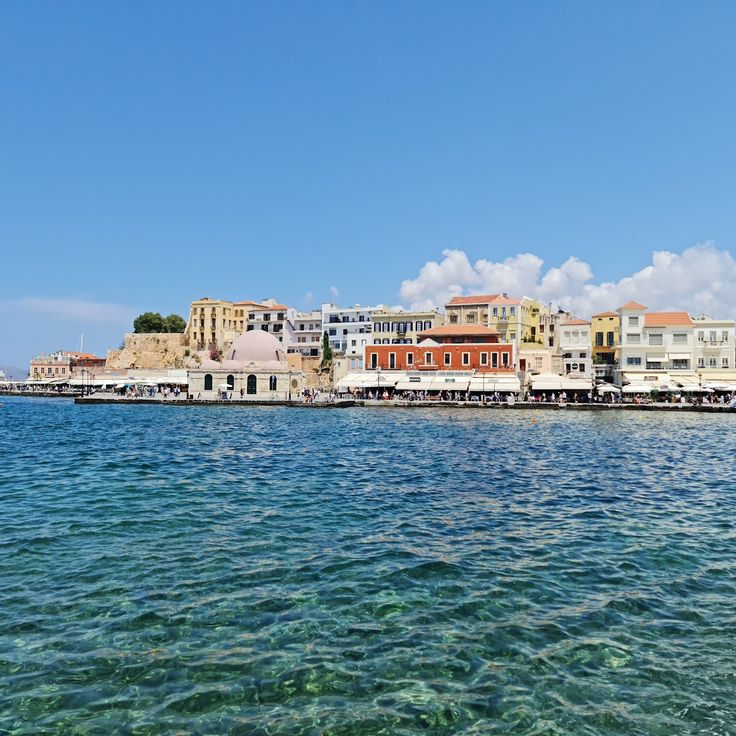
The Venetian Harbor of Chania is a place photographers seek when capturing Crete's mix of ancient civilizations and Mediterranean life. This 16th century harbor displays architecture from the period of Venetian rule. Fishing boats line the quay, and a historic lighthouse marks the harbor entrance. The buildings along the waterfront preserve Venetian architectural features and form a working harbor where daily port activity unfolds for photographs.
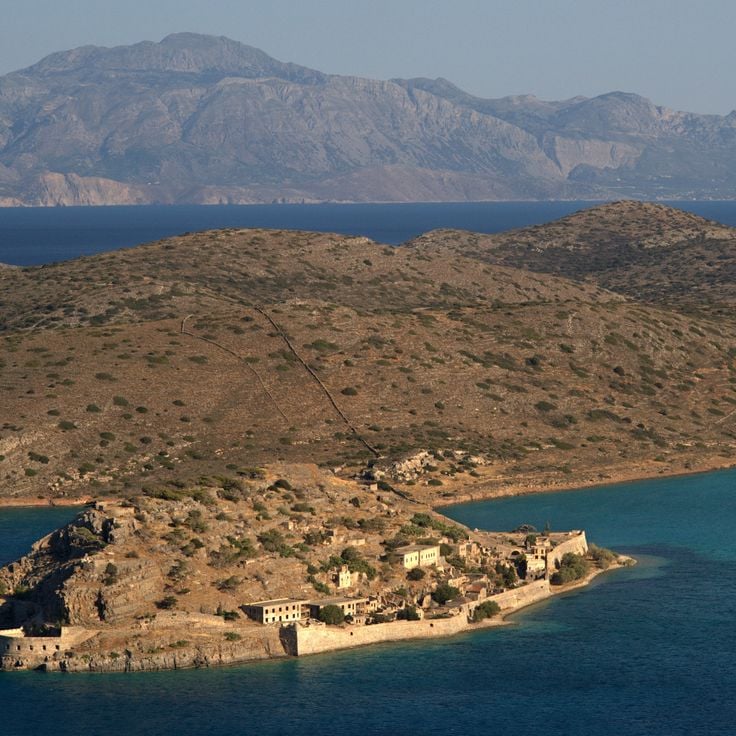
Spinalonga is a small island in Mirabello Bay that documents an important chapter of Cretan history as a former leper colony. The Venetians fortified the island in the 16th century, and it later served as a quarantine station for people with leprosy from across Greece between 1903 and 1957. The fortress walls, abandoned houses, and small church create a compelling backdrop for images that combine human isolation with historical architecture. Photographers will find an unusual subject for Crete collections that links Venetian military history with the social heritage of the 20th century.
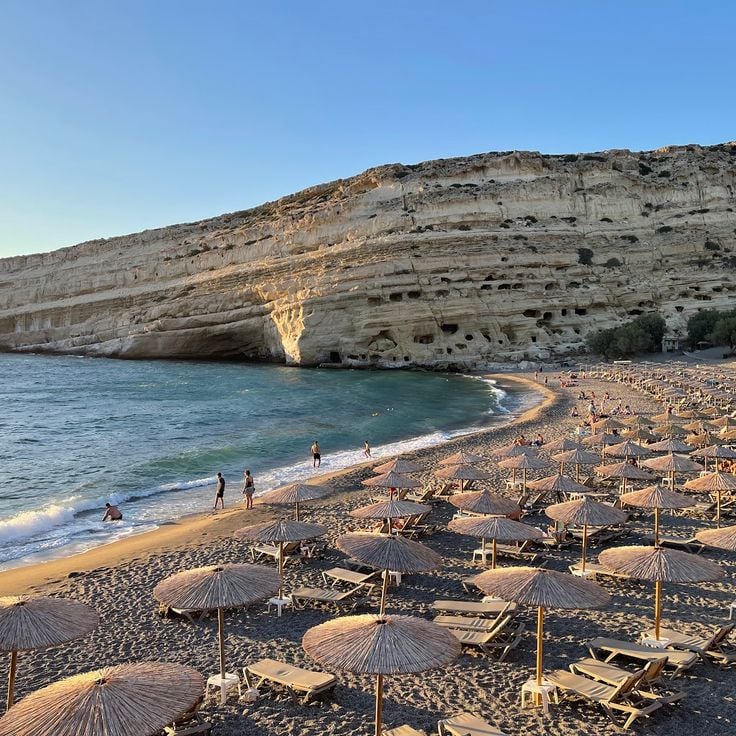
Matala Beach sits on Crete's southern coast in a bay of yellow sand bordered by tall limestone cliffs. The caves carved into these rock faces served first as Roman burial sites and later housed a hippie community during the 1960s and 1970s. The beach offers photo opportunities with the distinctive rock formations as backdrop, while the caves provide an unusual contrast to the coastal landscape. The clear water and geological features make this location a characteristic example of Cretan coastal diversity.
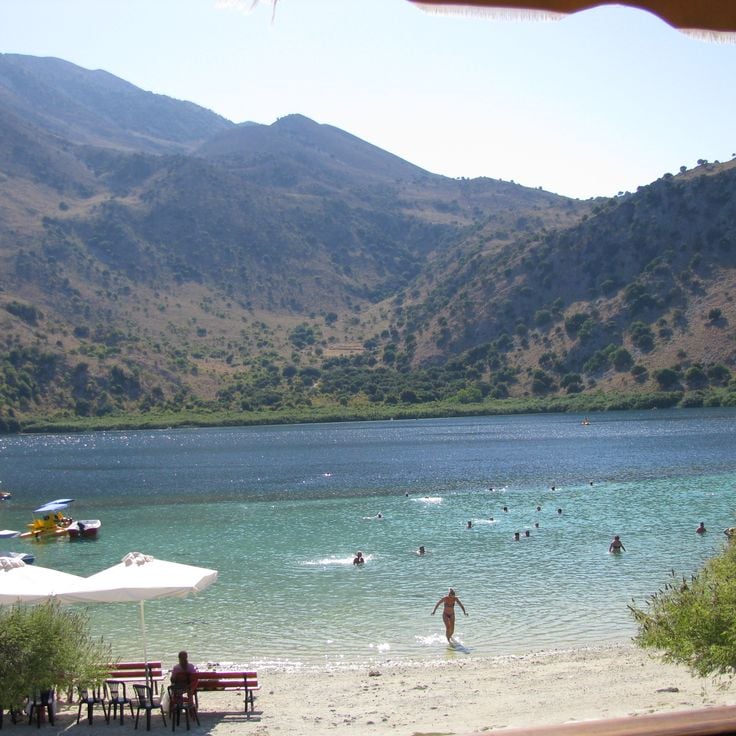
Lake Kournas sits south of Georgioupolis between mountains in northern Crete and collects rainwater in a limestone basin. Olive groves and low vegetation surround the shoreline, while turtles and freshwater fish inhabit the lake. A walking path circles the lake and provides different perspectives of the water against the mountain backdrop. Fishermen and paddle boats appear on the surface during afternoons. The best photography happens in morning hours when light illuminates the mountains and fewer visitors occupy the shore. Lake Kournas offers photographers a mix of water and mountain subjects in a quiet setting.
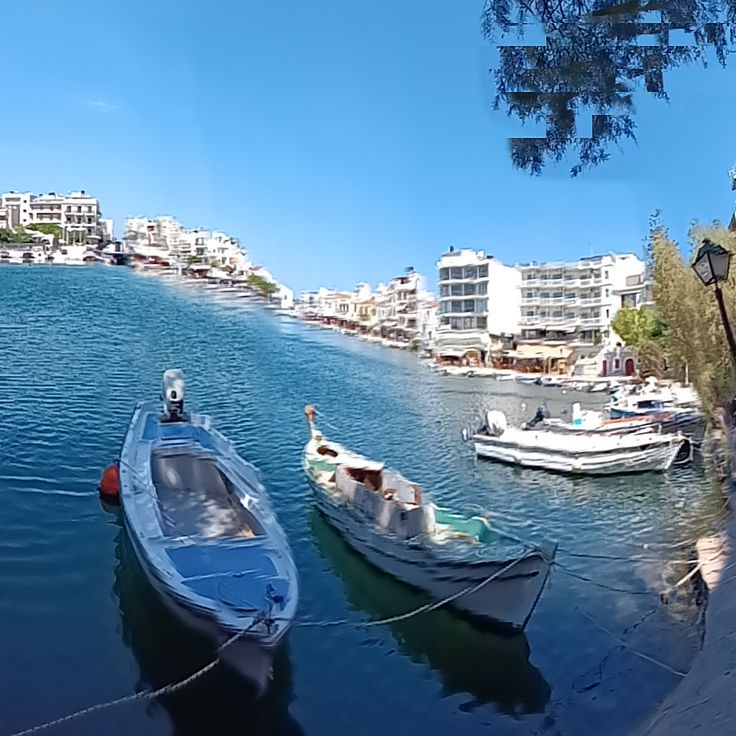
Lake Voulismeni sits in the heart of Agios Nikolaos and offers photographers a distinctive subject in Crete. This circular lake features steep rock walls and connects to the sea through a narrow channel that allows water exchange with the Mediterranean. Cafes and restaurants line the shoreline, where traditional Cretan architecture meets Mediterranean vegetation. Small boats use the lake as a natural harbor, while the waterfront promenade and surrounding cliffs provide varied subjects for photography.
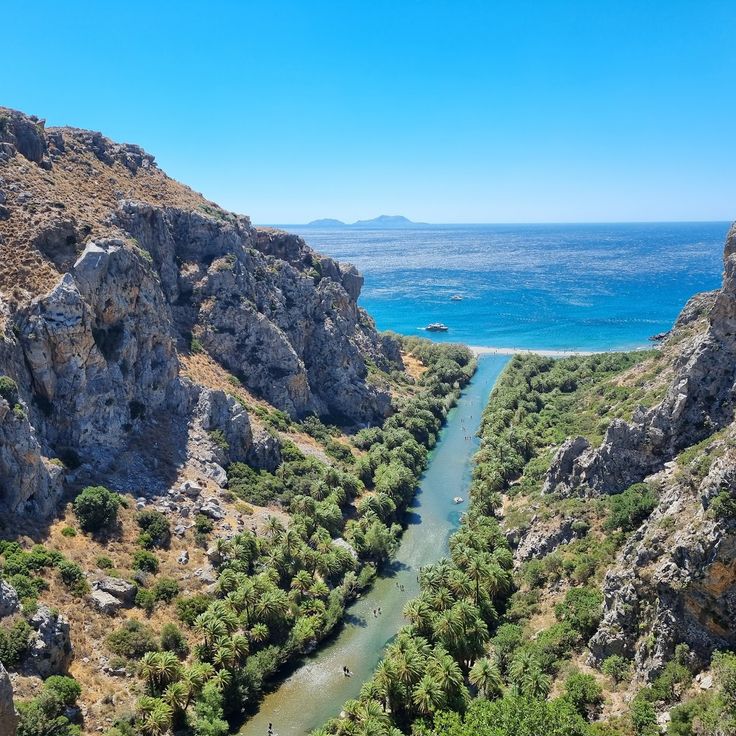
Preveli Beach sits at the mouth of the Kourtaliotis River, where freshwater meets the Libyan Sea. Phoenix palms line both riverbanks, forming a natural palm grove. The sandy beach stretches between rock formations, while the river creates shallow pools before reaching the sea. This location combines flowing water, Mediterranean vegetation, and a coastal setting that makes it a valuable subject for photographing the Cretan landscape.
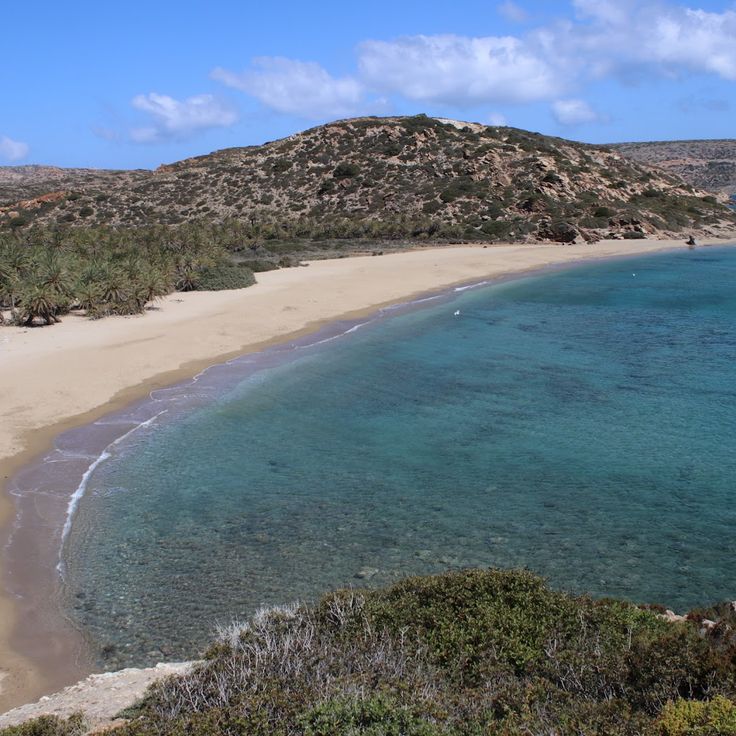
Vai Palm Beach features one of Europe's rare naturally occurring palm groves along the coast. The protected Phoenix theophrasti palms create a striking contrast with the shallow sandy shore and turquoise water. Photographers find the best vantage points at the northern and southern sections of the beach where the palms grow most densely. This combination of Mediterranean coastline and tropical vegetation produces photographs that stand out in Crete photography collections.
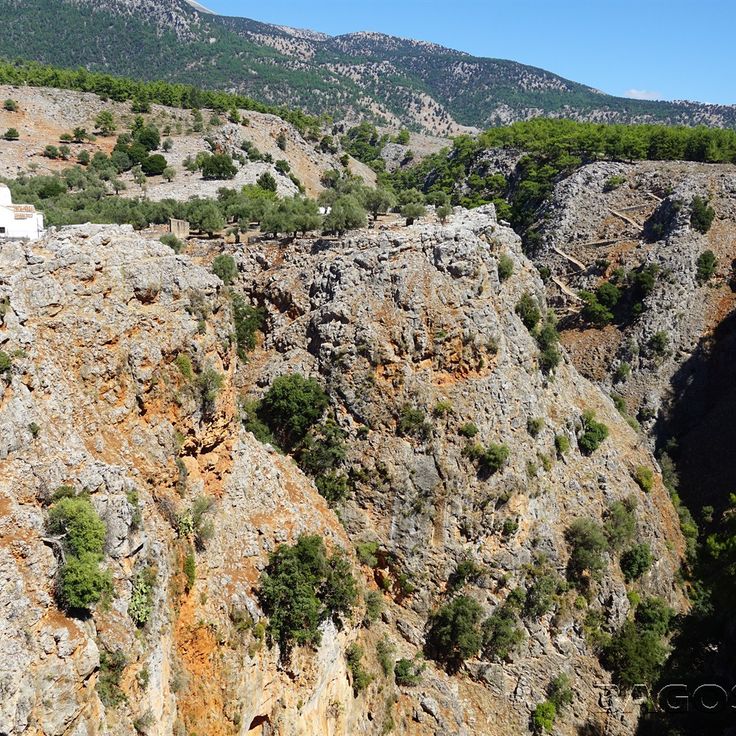
Aradena Gorge cuts deep into the southwestern landscape of Crete and offers strong contrasts for photographers. The gorge is spanned by a steel bridge built in 1986 connecting the abandoned village of Aradena to the road toward Anopolis. The bridge provides a clear view straight down into the limestone formations. Photographers find compelling contrasts here between the industrial structure of steel and natural rock textures, with shifting light highlighting the cliff faces throughout the day.
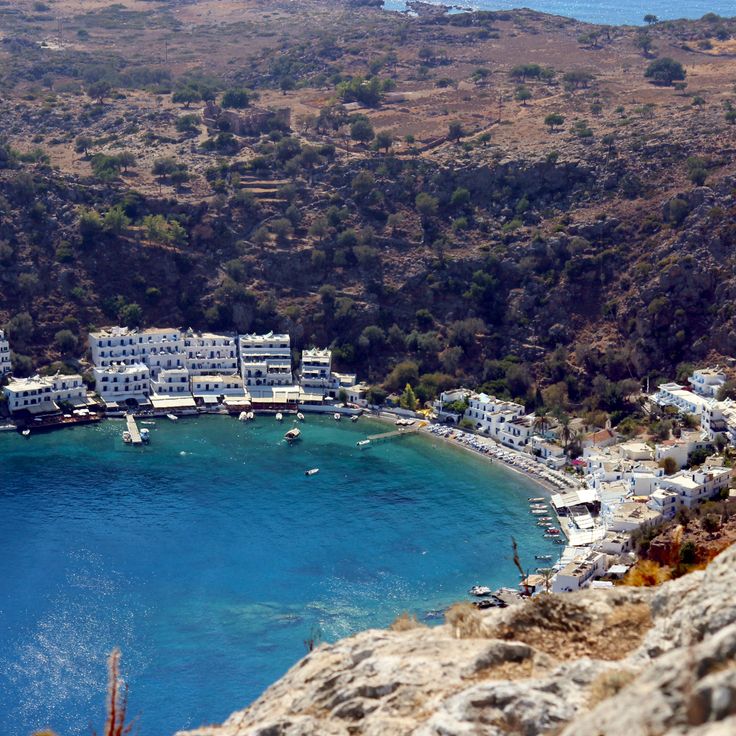
Loutro is a car-free coastal village on Crete's southern shore and offers one of the island's most photogenic settings. White buildings cluster around a small bay, with the steep slopes of the Lefka Ori mountains and the Libyan Sea as backdrop. The village is accessible only by boat or on foot, which has kept its traditional character intact. Fishing boats float in clear water, and the buildings display typical Cretan architecture. The mix of Mediterranean structures, mountain views, and seaside location makes this village a compelling subject for photography.
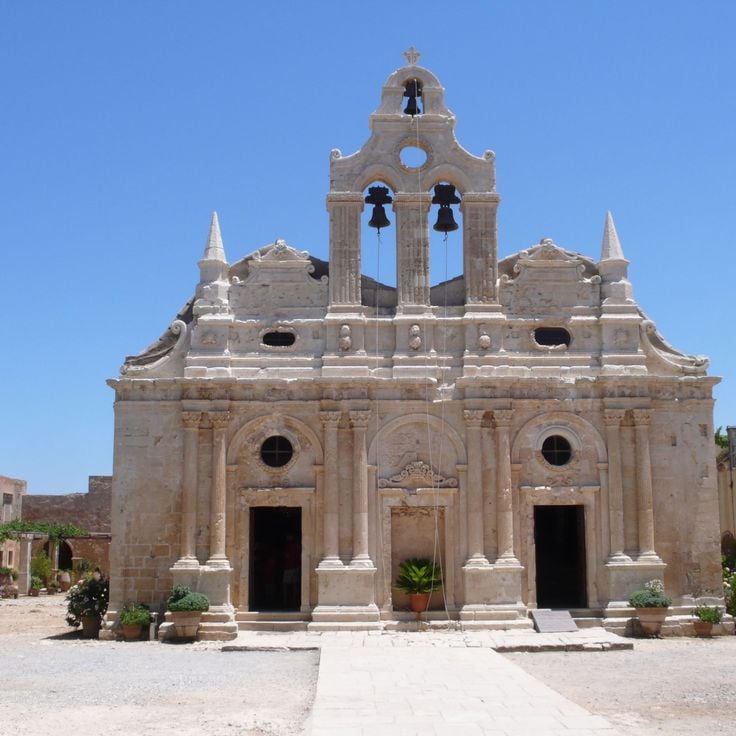
Moni Arkadiou is a 16th century monastery set in the mountains southeast of Rethymno. The complex displays Venetian-influenced architecture, with a two-aisled church and sturdy fortification walls. For photographers documenting Crete's historical sites, this monastery offers compelling subjects: weathered stone walls, religious buildings, and a museum displaying artifacts from the island's past. The monastery also carries the story of Cretan resistance during the Ottoman period in the 19th century.
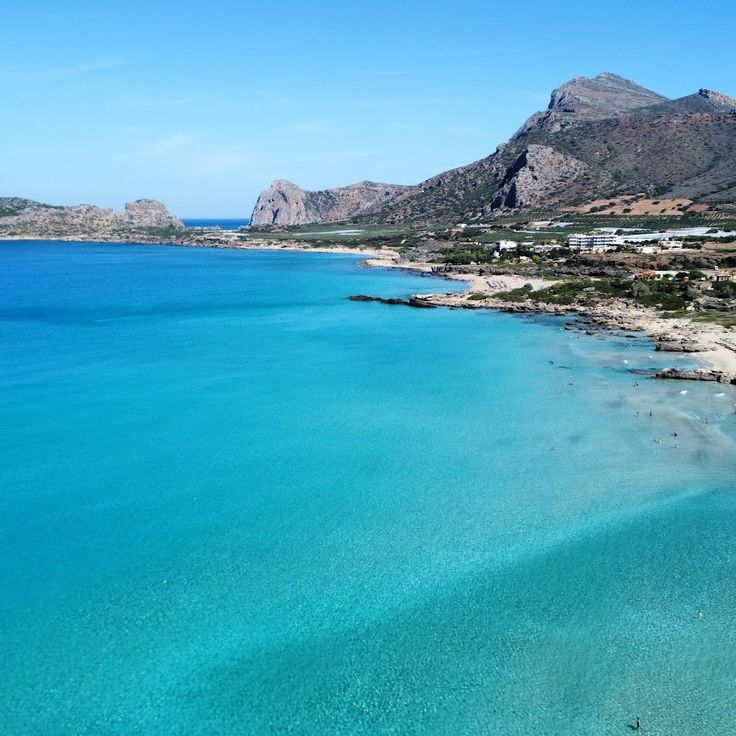
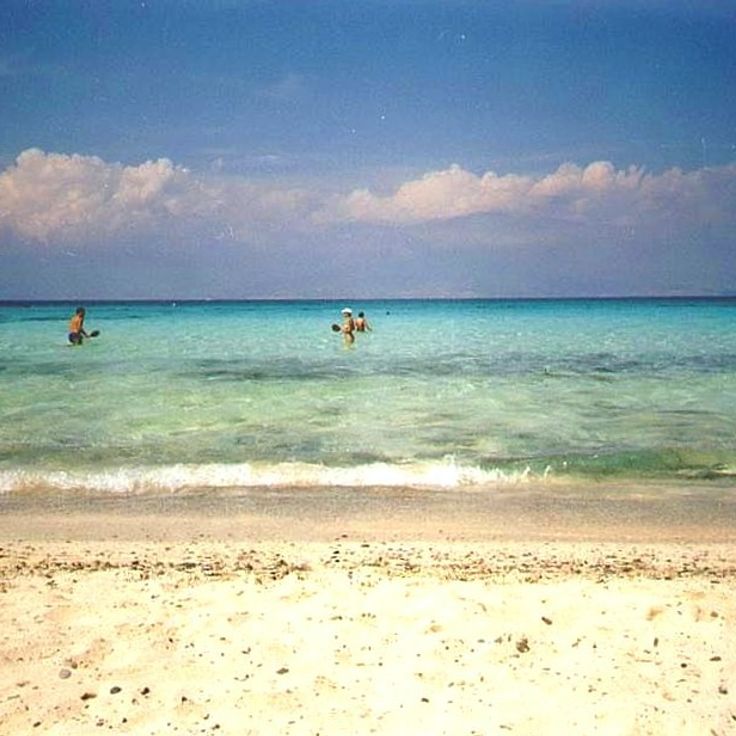
This wide sandy beach on the west coast stretches across several sections and offers turquoise water with consistent wave action. Falassarna Beach attracts water sports enthusiasts and provides various angles for photographing the shoreline, the surf and the surrounding hills. The fine sand and clear water work well for beach and seascape shots, while the western orientation delivers afternoon and sunset light conditions. The beach sits away from major towns and shows typical west Crete coastal features with natural surroundings.
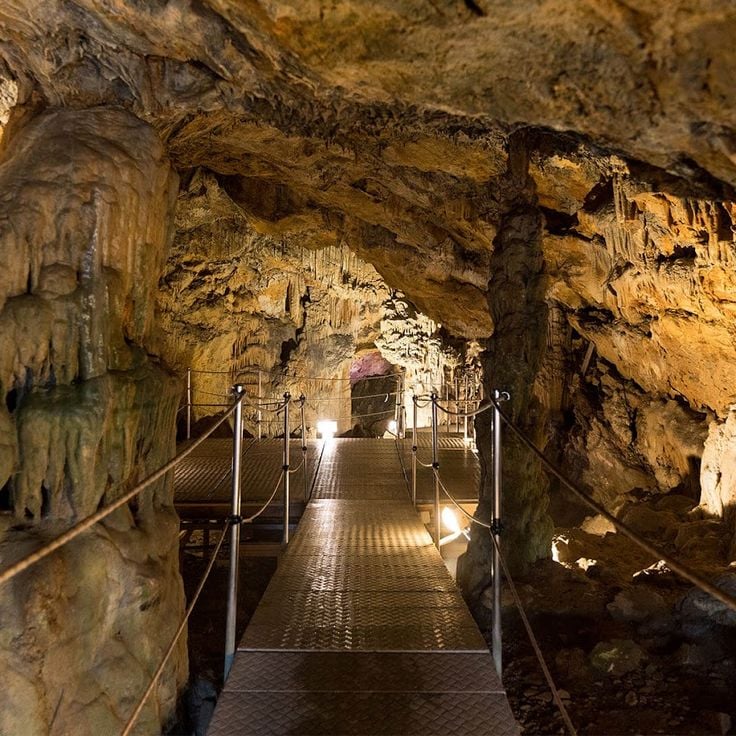
This cave extends beneath the Cretan landscape, leading visitors through an underground network of passages and chambers. Sfendoni Cave displays stalactites and stalagmites in shades of orange, red and white that developed over thousands of years. The illuminated pathway system makes the mineral formations accessible and creates excellent opportunities for photography. This underground natural wonder offers a contrast to the Mediterranean landscapes and historical sites found across the island.
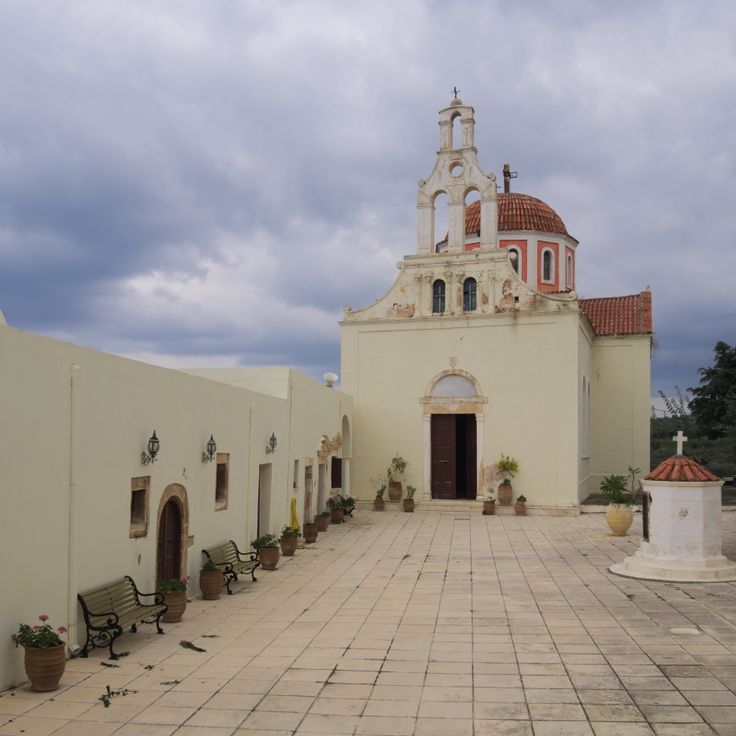
The Arsani Monastery displays religious architecture from the 17th century and houses a collection of historical icons and manuscripts. The complex includes a courtyard and outbuildings that give photographers access to monastic life and traditional Venetian construction methods of the region. Stone buildings and a courtyard provide settings for photo series documenting the spiritual and cultural heritage of Crete. This monastery combines religious history with the characteristic architecture of the mountainous areas around Rethymno and shows authentic aspects of the island's Mediterranean monastic tradition.
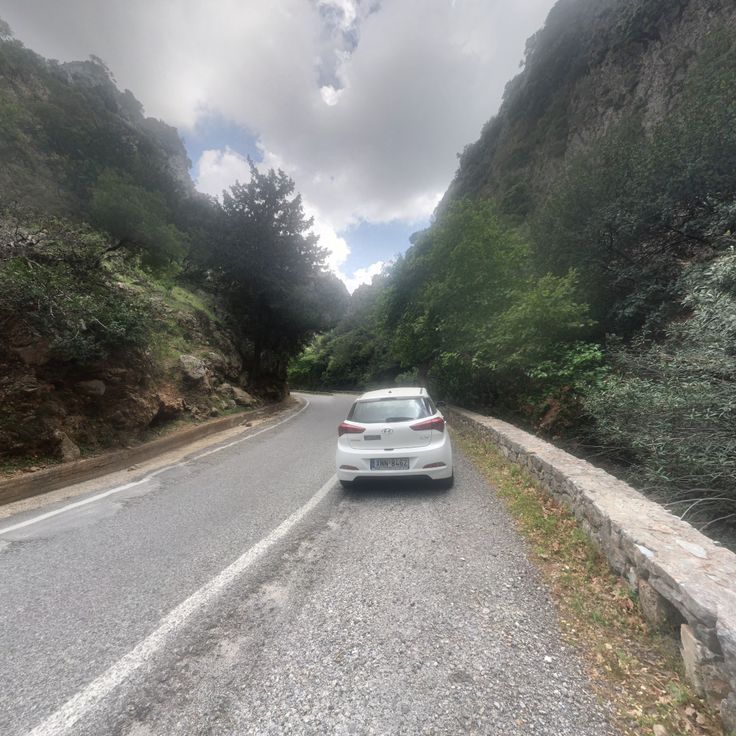
The Theriso Gorge cuts through limestone formations south of Chania, featuring steep rock faces ideal for landscape photography. This gorge was the site of the Cretan uprising in 1905 and connects natural geology with regional history. The narrow road through the gorge lets you photograph rock towers, Mediterranean vegetation, and traditional stone bridges. As a subject for Instagram, the Theriso Gorge offers an alternative to Crete's famous coastal sites, focusing instead on mountain terrain and local heritage.
This fortress complex from the 16th century stands on Paleokastro hill above Rethymno, displaying Venetian military architecture in functional form. The defense walls of the Fortezza extend for roughly 1,300 meters, enclosing bastions, a theater and a mosque from the Ottoman period. The elevated position provides views over the harbor town with the Aegean Sea in the background. Stone structures and geometric fortification lines create strong compositions in angled light. The site connects military history with Mediterranean coastal landscape.
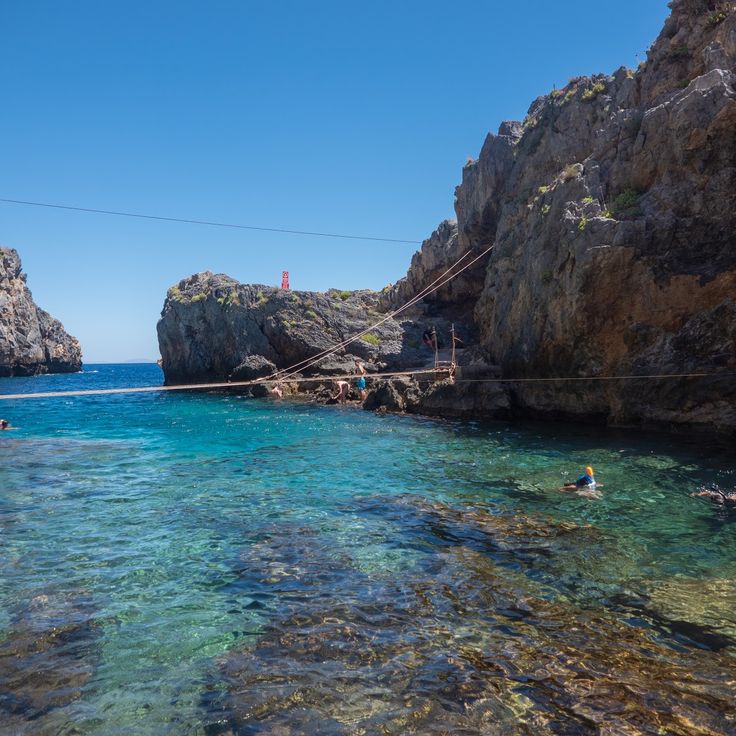
This beach sits in a small cove on Crete's southern coast, lined with limestone formations that rise from the Mediterranean. The sheltered waters make it suitable for swimming and snorkeling between the rocks. The sand and pebbles create a natural beach floor, while the rocky outcrops serve as natural platforms for sunbathing and framing photographs of the sea. Located south of Rethymno, this cove draws photographers seeking compelling compositions with geological features and coastal views.
This uninhabited island south of Ierapetra offers distinctive subjects for photographers. Chrissi Island features golden sand dunes and Lebanon cedar forests set against turquoise waters. The shallow beaches display fossilized shells and other remains embedded in the sand. The protected area allows for wide-angle shots of the coastal landscape and close-up details of the gnarled trees. The boat trip from Ierapetra takes about 45 minutes.
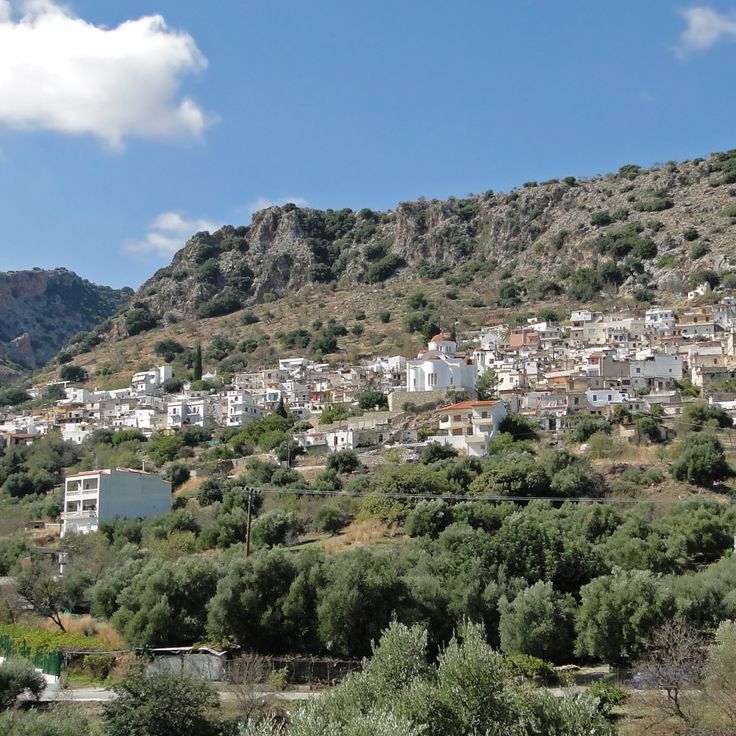
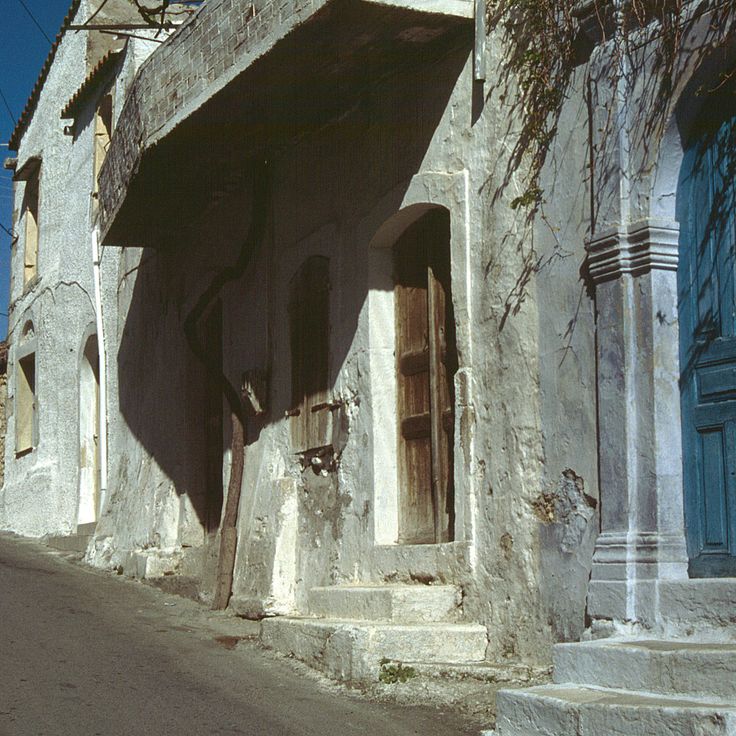
Kritsa Village is a traditional mountain settlement with stone houses and narrow streets that showcase typical Cretan building style. For photographers, this village offers a window into daily life on Crete, where craftspeople still practice old trades and residents maintain customary ways of living. The winding streets and whitewashed walls provide natural frames for capturing local culture.
This mountain village in the interior of Crete is home to traditional ceramic and pottery workshops where craftsmen use techniques handed down through generations. The architecture of Margarites includes stone houses from the Ottoman period and Byzantine churches dating to the 14th century. Narrow lanes wind through the village, with workshops displaying their work. The elevated location provides views across surrounding olive groves and the Cretan countryside. This combination of craft tradition and historical architecture offers photo subjects that document the island's village culture.
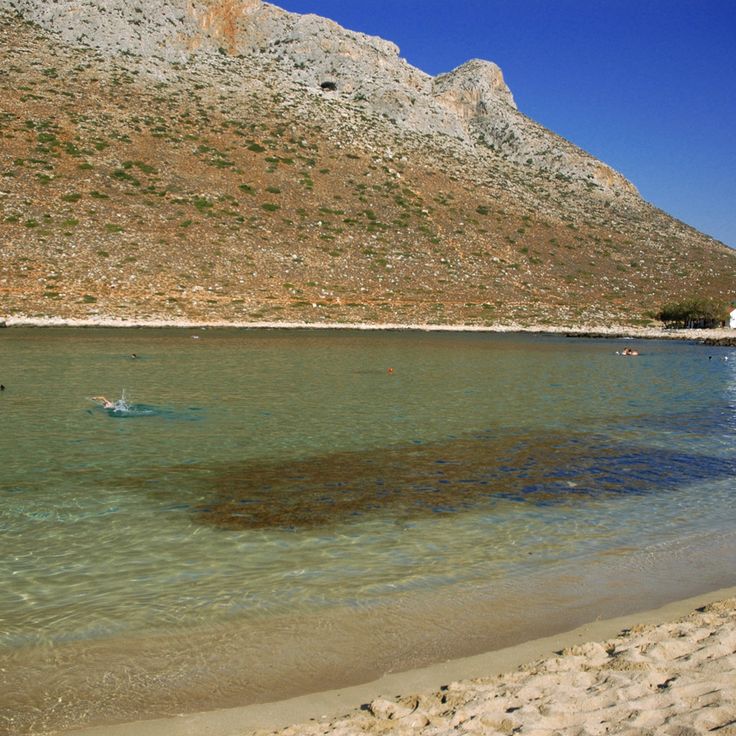
This sand beach sits at the base of a 330-foot (100-meter) limestone mountain on the Akrotiri Peninsula northeast of Chania. The shallow water and traditional fishing boats along the shore provide clean lines and Mediterranean subjects for photography. The mountain backdrop frames compositions from multiple angles along the crescent-shaped shoreline. Morning light emphasizes the contrast between the pale sand, turquoise water, and gray rock face. The beach served as a filming location for Zorba the Greek in the 1960s and retains the character that made it recognizable in the film.
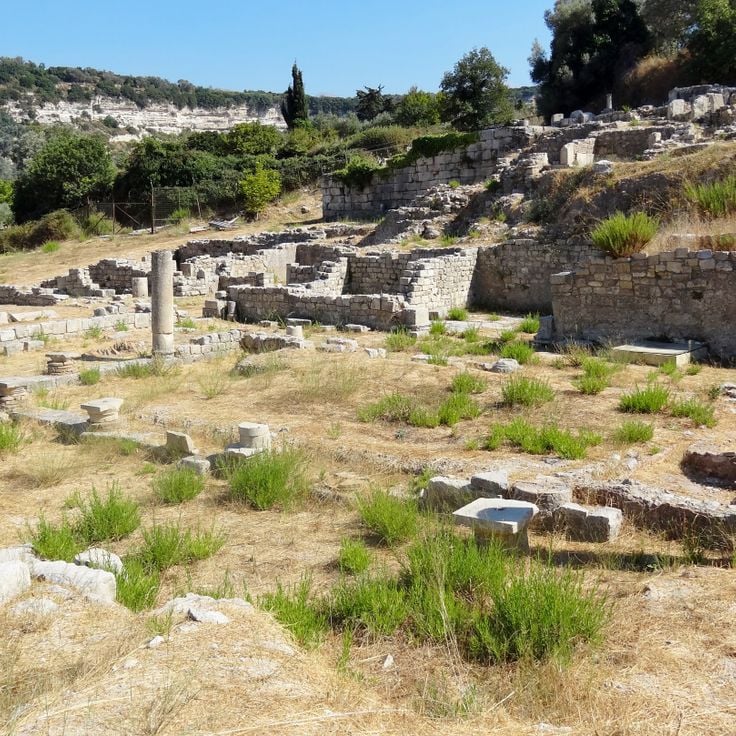
This archaeological site displays remains of Minoan and Byzantine settlements on a hillside above the village, offering photographers subjects of ancient stone structures against the Cretan landscape. Exposed house foundations, tombs, and fortress walls from the 9th century BC to the 14th century AD are scattered across multiple terraces. A modern museum at the base presents key artifacts from the ongoing excavations.
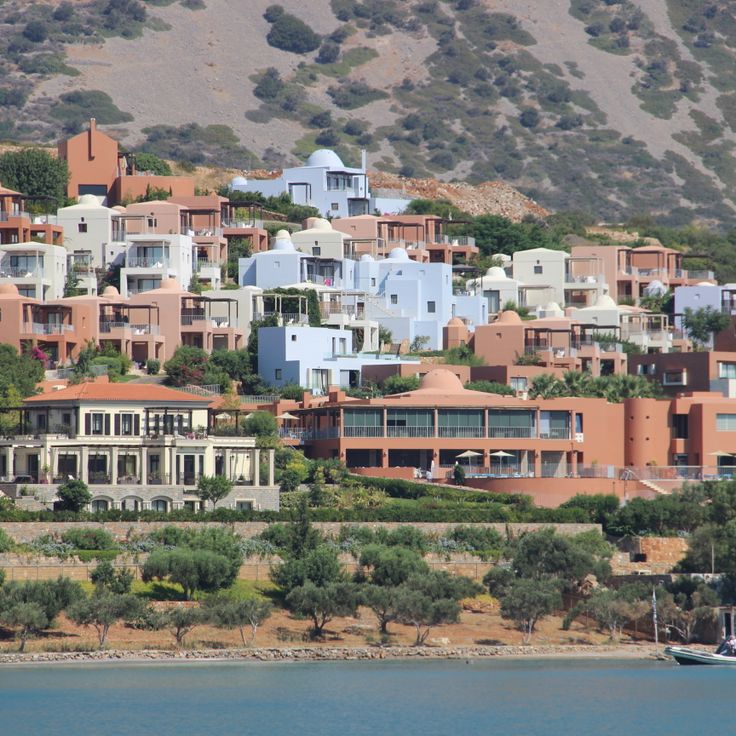
Elounda presents photo subjects along its coastline, where former fishing harbor elements meet modern hotel complexes. The bay offers views toward Spinalonga, a small island with a Venetian fortress just offshore. Sandy beaches and rocky coves alternate along the waterfront, framing the turquoise waters. This former fishing village shows a mix of traditional Cretan architecture and contemporary tourism infrastructure, offering various Instagram compositions from coastal landscapes to architectural details.
This 17th-century monastery sits on the Rodopou Peninsula west of Chania. High stone walls enclose an interior courtyard displaying traditional Cretan architecture. The attached museum houses ecclesiastical objects, icons and historical artifacts from the Venetian and Ottoman periods. The exposed position on a rocky promontory offers wide views across the sea and surrounding coastal landscape, making Gonia Odigitria a worthwhile photographic subject for this collection of Instagram locations in Crete.
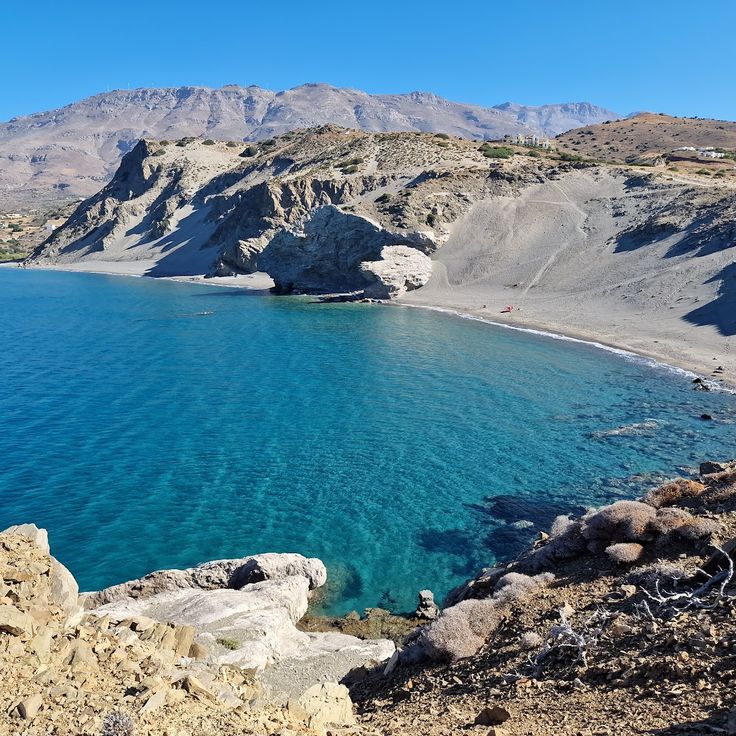
Agios Pavlos Sandhills provides photographers with unusual landscape compositions along the southern coast near Rethymno. Pale sand formations create sharp contrast against the deep blue sea. The location sits away from main roads and requires a short walk from the beach. Late afternoon offers the best light, when the sun shapes the contours of the dunes and casts long shadows across the slopes.
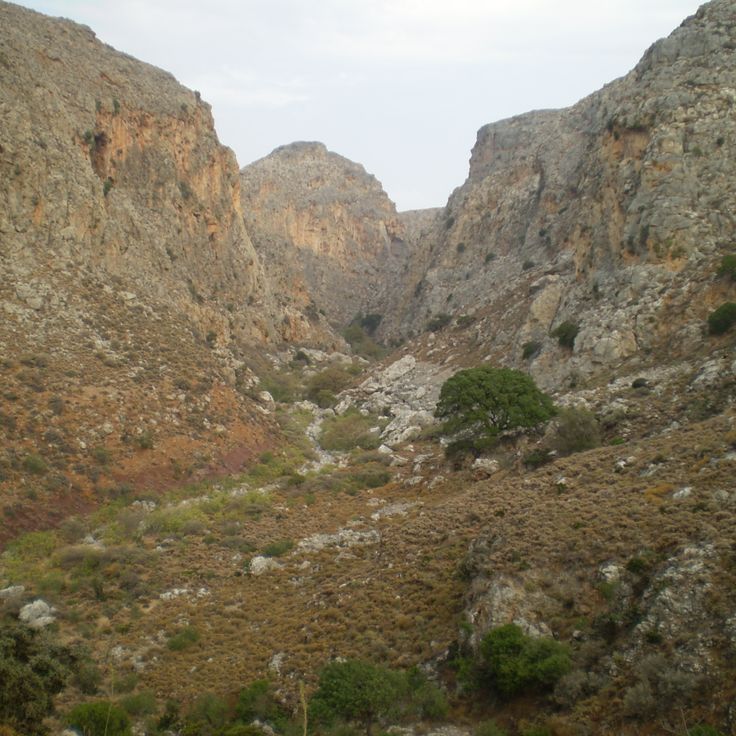
This gorge extends through limestone formations in eastern Crete and leads through the canyon to Minoan caves and ancient remains. The rock walls offer natural photo subjects, while archaeological elements tell the story of the place. Zakros Gorge connects mountain terrain with historical sites and ends at the sea near the ruins of the Minoan palace of Zakros.
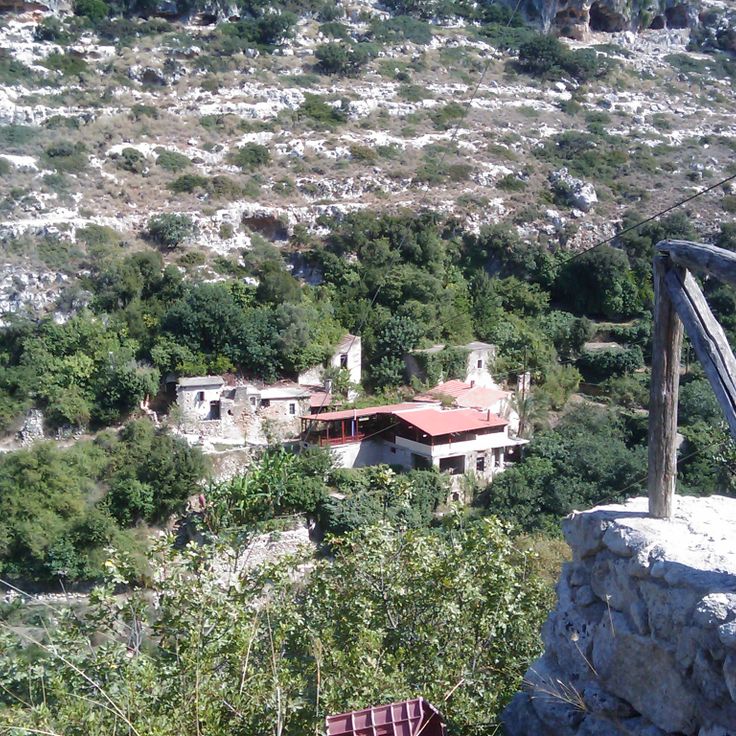
Mili Gorge in Rethymno offers photographers a chance to capture the meeting of history and nature. A stream runs through this gorge and once powered a series of stone watermills built centuries ago. The trail passes several small waterfalls and the remains of abandoned mills. Plane trees, oleanders, and wild herbs grow along the path. The gorge walls provide shade and create opportunities to photograph historic structures alongside the natural landscape.
Elafonissi Beach sits on the southwestern coast of Crete and forms a shallow lagoon colored pink by crushed shells and coral fragments. The warm water extends about 50 meters (165 feet) from shore and provides opportunities to photograph the unusual sand against turquoise sea. The peninsula is accessible on foot at low tide and offers changing perspectives of the lagoon and the sand dunes beyond. The combination of colored sand, shallow water and Mediterranean light makes this beach a valuable subject for photography in Crete.
Balos Lagoon is a marine protected area where turquoise water flows between beaches of white and pink sand. Limestone rocks separate two connected bays on the Gramvousa Peninsula. The shallow water and sandbars create color gradations from aquamarine to deep blue. The lagoon sits about 56 kilometers northwest of Chania and is accessible via an unpaved road or by boat. Its exposed position on the open sea provides changing light conditions throughout the day, suitable for wide-angle shots from elevated viewpoints along the access path.
The Samaria Gorge cuts through the White Mountains and ranks as one of Europe's longest canyons. Its limestone walls rise steeply, especially at the narrowest point where the passage becomes dramatically confined. The trail passes through pine forests, abandoned villages and the Iron Gates, where the passage narrows to just a few meters wide. Changing light on the gray and ochre rock faces creates strong contrasts ideal for landscape photography. The gorge ends at the Libyan Sea near Agia Roumeli.
Rethymno Old Town displays stone facades and wooden balconies from the 16th century along its narrow streets, offering photographers a Mediterranean setting with Venetian and Ottoman architecture. Arched doorways and minarets line the winding passages that open into small squares. The architectural details and historic buildings create subjects with Cretan character. This quarter extends between the Venetian harbor and the Fortezza fortress, preserving layers from several centuries of island history.
This beach sits at the end of a narrow inlet on the Akrotiri Peninsula, flanked by tall limestone cliffs. A steep path descends from the parking area to the shore, where clear turquoise water fills the sheltered cove. The near-vertical rock walls on both sides shape the landscape dramatically and intensify the color of the sea. Seitan Beach offers wide-angle views of the inlet from elevated viewpoints along the descent, or close-up shots of the cliffs and clear water from the beach itself. The location provides engaging coastal subjects for photographers visiting Crete.
Knossos serves as a major photography destination for capturing Minoan civilization and its architectural legacy. The palace complex displays reconstructed columns and painted walls depicting scenes from daily life, including processions, dancers and dolphins. Visitors can photograph the throne room, grand staircases and colored frescoes that reveal the building techniques and artistic abilities of this Bronze Age society that flourished around 3,700 years ago.
The Venetian Harbor of Chania is a place photographers seek when capturing Crete's mix of ancient civilizations and Mediterranean life. This 16th century harbor displays architecture from the period of Venetian rule. Fishing boats line the quay, and a historic lighthouse marks the harbor entrance. The buildings along the waterfront preserve Venetian architectural features and form a working harbor where daily port activity unfolds for photographs.
Spinalonga is a small island in Mirabello Bay that documents an important chapter of Cretan history as a former leper colony. The Venetians fortified the island in the 16th century, and it later served as a quarantine station for people with leprosy from across Greece between 1903 and 1957. The fortress walls, abandoned houses, and small church create a compelling backdrop for images that combine human isolation with historical architecture. Photographers will find an unusual subject for Crete collections that links Venetian military history with the social heritage of the 20th century.
Matala Beach sits on Crete's southern coast in a bay of yellow sand bordered by tall limestone cliffs. The caves carved into these rock faces served first as Roman burial sites and later housed a hippie community during the 1960s and 1970s. The beach offers photo opportunities with the distinctive rock formations as backdrop, while the caves provide an unusual contrast to the coastal landscape. The clear water and geological features make this location a characteristic example of Cretan coastal diversity.
Lake Kournas sits south of Georgioupolis between mountains in northern Crete and collects rainwater in a limestone basin. Olive groves and low vegetation surround the shoreline, while turtles and freshwater fish inhabit the lake. A walking path circles the lake and provides different perspectives of the water against the mountain backdrop. Fishermen and paddle boats appear on the surface during afternoons. The best photography happens in morning hours when light illuminates the mountains and fewer visitors occupy the shore. Lake Kournas offers photographers a mix of water and mountain subjects in a quiet setting.
Lake Voulismeni sits in the heart of Agios Nikolaos and offers photographers a distinctive subject in Crete. This circular lake features steep rock walls and connects to the sea through a narrow channel that allows water exchange with the Mediterranean. Cafes and restaurants line the shoreline, where traditional Cretan architecture meets Mediterranean vegetation. Small boats use the lake as a natural harbor, while the waterfront promenade and surrounding cliffs provide varied subjects for photography.
Preveli Beach sits at the mouth of the Kourtaliotis River, where freshwater meets the Libyan Sea. Phoenix palms line both riverbanks, forming a natural palm grove. The sandy beach stretches between rock formations, while the river creates shallow pools before reaching the sea. This location combines flowing water, Mediterranean vegetation, and a coastal setting that makes it a valuable subject for photographing the Cretan landscape.
Vai Palm Beach features one of Europe's rare naturally occurring palm groves along the coast. The protected Phoenix theophrasti palms create a striking contrast with the shallow sandy shore and turquoise water. Photographers find the best vantage points at the northern and southern sections of the beach where the palms grow most densely. This combination of Mediterranean coastline and tropical vegetation produces photographs that stand out in Crete photography collections.
Aradena Gorge cuts deep into the southwestern landscape of Crete and offers strong contrasts for photographers. The gorge is spanned by a steel bridge built in 1986 connecting the abandoned village of Aradena to the road toward Anopolis. The bridge provides a clear view straight down into the limestone formations. Photographers find compelling contrasts here between the industrial structure of steel and natural rock textures, with shifting light highlighting the cliff faces throughout the day.
Loutro is a car-free coastal village on Crete's southern shore and offers one of the island's most photogenic settings. White buildings cluster around a small bay, with the steep slopes of the Lefka Ori mountains and the Libyan Sea as backdrop. The village is accessible only by boat or on foot, which has kept its traditional character intact. Fishing boats float in clear water, and the buildings display typical Cretan architecture. The mix of Mediterranean structures, mountain views, and seaside location makes this village a compelling subject for photography.
Moni Arkadiou is a 16th century monastery set in the mountains southeast of Rethymno. The complex displays Venetian-influenced architecture, with a two-aisled church and sturdy fortification walls. For photographers documenting Crete's historical sites, this monastery offers compelling subjects: weathered stone walls, religious buildings, and a museum displaying artifacts from the island's past. The monastery also carries the story of Cretan resistance during the Ottoman period in the 19th century.
This wide sandy beach on the west coast stretches across several sections and offers turquoise water with consistent wave action. Falassarna Beach attracts water sports enthusiasts and provides various angles for photographing the shoreline, the surf and the surrounding hills. The fine sand and clear water work well for beach and seascape shots, while the western orientation delivers afternoon and sunset light conditions. The beach sits away from major towns and shows typical west Crete coastal features with natural surroundings.
This cave extends beneath the Cretan landscape, leading visitors through an underground network of passages and chambers. Sfendoni Cave displays stalactites and stalagmites in shades of orange, red and white that developed over thousands of years. The illuminated pathway system makes the mineral formations accessible and creates excellent opportunities for photography. This underground natural wonder offers a contrast to the Mediterranean landscapes and historical sites found across the island.
The Arsani Monastery displays religious architecture from the 17th century and houses a collection of historical icons and manuscripts. The complex includes a courtyard and outbuildings that give photographers access to monastic life and traditional Venetian construction methods of the region. Stone buildings and a courtyard provide settings for photo series documenting the spiritual and cultural heritage of Crete. This monastery combines religious history with the characteristic architecture of the mountainous areas around Rethymno and shows authentic aspects of the island's Mediterranean monastic tradition.
The Theriso Gorge cuts through limestone formations south of Chania, featuring steep rock faces ideal for landscape photography. This gorge was the site of the Cretan uprising in 1905 and connects natural geology with regional history. The narrow road through the gorge lets you photograph rock towers, Mediterranean vegetation, and traditional stone bridges. As a subject for Instagram, the Theriso Gorge offers an alternative to Crete's famous coastal sites, focusing instead on mountain terrain and local heritage.
This fortress complex from the 16th century stands on Paleokastro hill above Rethymno, displaying Venetian military architecture in functional form. The defense walls of the Fortezza extend for roughly 1,300 meters, enclosing bastions, a theater and a mosque from the Ottoman period. The elevated position provides views over the harbor town with the Aegean Sea in the background. Stone structures and geometric fortification lines create strong compositions in angled light. The site connects military history with Mediterranean coastal landscape.
This beach sits in a small cove on Crete's southern coast, lined with limestone formations that rise from the Mediterranean. The sheltered waters make it suitable for swimming and snorkeling between the rocks. The sand and pebbles create a natural beach floor, while the rocky outcrops serve as natural platforms for sunbathing and framing photographs of the sea. Located south of Rethymno, this cove draws photographers seeking compelling compositions with geological features and coastal views.
This uninhabited island south of Ierapetra offers distinctive subjects for photographers. Chrissi Island features golden sand dunes and Lebanon cedar forests set against turquoise waters. The shallow beaches display fossilized shells and other remains embedded in the sand. The protected area allows for wide-angle shots of the coastal landscape and close-up details of the gnarled trees. The boat trip from Ierapetra takes about 45 minutes.
Kritsa Village is a traditional mountain settlement with stone houses and narrow streets that showcase typical Cretan building style. For photographers, this village offers a window into daily life on Crete, where craftspeople still practice old trades and residents maintain customary ways of living. The winding streets and whitewashed walls provide natural frames for capturing local culture.
This mountain village in the interior of Crete is home to traditional ceramic and pottery workshops where craftsmen use techniques handed down through generations. The architecture of Margarites includes stone houses from the Ottoman period and Byzantine churches dating to the 14th century. Narrow lanes wind through the village, with workshops displaying their work. The elevated location provides views across surrounding olive groves and the Cretan countryside. This combination of craft tradition and historical architecture offers photo subjects that document the island's village culture.
This sand beach sits at the base of a 330-foot (100-meter) limestone mountain on the Akrotiri Peninsula northeast of Chania. The shallow water and traditional fishing boats along the shore provide clean lines and Mediterranean subjects for photography. The mountain backdrop frames compositions from multiple angles along the crescent-shaped shoreline. Morning light emphasizes the contrast between the pale sand, turquoise water, and gray rock face. The beach served as a filming location for Zorba the Greek in the 1960s and retains the character that made it recognizable in the film.
This archaeological site displays remains of Minoan and Byzantine settlements on a hillside above the village, offering photographers subjects of ancient stone structures against the Cretan landscape. Exposed house foundations, tombs, and fortress walls from the 9th century BC to the 14th century AD are scattered across multiple terraces. A modern museum at the base presents key artifacts from the ongoing excavations.
Elounda presents photo subjects along its coastline, where former fishing harbor elements meet modern hotel complexes. The bay offers views toward Spinalonga, a small island with a Venetian fortress just offshore. Sandy beaches and rocky coves alternate along the waterfront, framing the turquoise waters. This former fishing village shows a mix of traditional Cretan architecture and contemporary tourism infrastructure, offering various Instagram compositions from coastal landscapes to architectural details.
This 17th-century monastery sits on the Rodopou Peninsula west of Chania. High stone walls enclose an interior courtyard displaying traditional Cretan architecture. The attached museum houses ecclesiastical objects, icons and historical artifacts from the Venetian and Ottoman periods. The exposed position on a rocky promontory offers wide views across the sea and surrounding coastal landscape, making Gonia Odigitria a worthwhile photographic subject for this collection of Instagram locations in Crete.
Agios Pavlos Sandhills provides photographers with unusual landscape compositions along the southern coast near Rethymno. Pale sand formations create sharp contrast against the deep blue sea. The location sits away from main roads and requires a short walk from the beach. Late afternoon offers the best light, when the sun shapes the contours of the dunes and casts long shadows across the slopes.
This gorge extends through limestone formations in eastern Crete and leads through the canyon to Minoan caves and ancient remains. The rock walls offer natural photo subjects, while archaeological elements tell the story of the place. Zakros Gorge connects mountain terrain with historical sites and ends at the sea near the ruins of the Minoan palace of Zakros.
Mili Gorge in Rethymno offers photographers a chance to capture the meeting of history and nature. A stream runs through this gorge and once powered a series of stone watermills built centuries ago. The trail passes several small waterfalls and the remains of abandoned mills. Plane trees, oleanders, and wild herbs grow along the path. The gorge walls provide shade and create opportunities to photograph historic structures alongside the natural landscape.
Elafonissi Beach sits on the southwestern coast of Crete and forms a shallow lagoon colored pink by crushed shells and coral fragments. The warm water extends about 50 meters (165 feet) from shore and provides opportunities to photograph the unusual sand against turquoise sea. The peninsula is accessible on foot at low tide and offers changing perspectives of the lagoon and the sand dunes beyond. The combination of colored sand, shallow water and Mediterranean light makes this beach a valuable subject for photography in Crete.
Balos Lagoon is a marine protected area where turquoise water flows between beaches of white and pink sand. Limestone rocks separate two connected bays on the Gramvousa Peninsula. The shallow water and sandbars create color gradations from aquamarine to deep blue. The lagoon sits about 56 kilometers northwest of Chania and is accessible via an unpaved road or by boat. Its exposed position on the open sea provides changing light conditions throughout the day, suitable for wide-angle shots from elevated viewpoints along the access path.
The Samaria Gorge cuts through the White Mountains and ranks as one of Europe's longest canyons. Its limestone walls rise steeply, especially at the narrowest point where the passage becomes dramatically confined. The trail passes through pine forests, abandoned villages and the Iron Gates, where the passage narrows to just a few meters wide. Changing light on the gray and ochre rock faces creates strong contrasts ideal for landscape photography. The gorge ends at the Libyan Sea near Agia Roumeli.
Rethymno Old Town displays stone facades and wooden balconies from the 16th century along its narrow streets, offering photographers a Mediterranean setting with Venetian and Ottoman architecture. Arched doorways and minarets line the winding passages that open into small squares. The architectural details and historic buildings create subjects with Cretan character. This quarter extends between the Venetian harbor and the Fortezza fortress, preserving layers from several centuries of island history.
This beach sits at the end of a narrow inlet on the Akrotiri Peninsula, flanked by tall limestone cliffs. A steep path descends from the parking area to the shore, where clear turquoise water fills the sheltered cove. The near-vertical rock walls on both sides shape the landscape dramatically and intensify the color of the sea. Seitan Beach offers wide-angle views of the inlet from elevated viewpoints along the descent, or close-up shots of the cliffs and clear water from the beach itself. The location provides engaging coastal subjects for photographers visiting Crete.
Knossos serves as a major photography destination for capturing Minoan civilization and its architectural legacy. The palace complex displays reconstructed columns and painted walls depicting scenes from daily life, including processions, dancers and dolphins. Visitors can photograph the throne room, grand staircases and colored frescoes that reveal the building techniques and artistic abilities of this Bronze Age society that flourished around 3,700 years ago.
The Venetian Harbor of Chania is a place photographers seek when capturing Crete's mix of ancient civilizations and Mediterranean life. This 16th century harbor displays architecture from the period of Venetian rule. Fishing boats line the quay, and a historic lighthouse marks the harbor entrance. The buildings along the waterfront preserve Venetian architectural features and form a working harbor where daily port activity unfolds for photographs.
Spinalonga is a small island in Mirabello Bay that documents an important chapter of Cretan history as a former leper colony. The Venetians fortified the island in the 16th century, and it later served as a quarantine station for people with leprosy from across Greece between 1903 and 1957. The fortress walls, abandoned houses, and small church create a compelling backdrop for images that combine human isolation with historical architecture. Photographers will find an unusual subject for Crete collections that links Venetian military history with the social heritage of the 20th century.
Matala Beach sits on Crete's southern coast in a bay of yellow sand bordered by tall limestone cliffs. The caves carved into these rock faces served first as Roman burial sites and later housed a hippie community during the 1960s and 1970s. The beach offers photo opportunities with the distinctive rock formations as backdrop, while the caves provide an unusual contrast to the coastal landscape. The clear water and geological features make this location a characteristic example of Cretan coastal diversity.
Lake Kournas sits south of Georgioupolis between mountains in northern Crete and collects rainwater in a limestone basin. Olive groves and low vegetation surround the shoreline, while turtles and freshwater fish inhabit the lake. A walking path circles the lake and provides different perspectives of the water against the mountain backdrop. Fishermen and paddle boats appear on the surface during afternoons. The best photography happens in morning hours when light illuminates the mountains and fewer visitors occupy the shore. Lake Kournas offers photographers a mix of water and mountain subjects in a quiet setting.
Lake Voulismeni sits in the heart of Agios Nikolaos and offers photographers a distinctive subject in Crete. This circular lake features steep rock walls and connects to the sea through a narrow channel that allows water exchange with the Mediterranean. Cafes and restaurants line the shoreline, where traditional Cretan architecture meets Mediterranean vegetation. Small boats use the lake as a natural harbor, while the waterfront promenade and surrounding cliffs provide varied subjects for photography.
Preveli Beach sits at the mouth of the Kourtaliotis River, where freshwater meets the Libyan Sea. Phoenix palms line both riverbanks, forming a natural palm grove. The sandy beach stretches between rock formations, while the river creates shallow pools before reaching the sea. This location combines flowing water, Mediterranean vegetation, and a coastal setting that makes it a valuable subject for photographing the Cretan landscape.
Vai Palm Beach features one of Europe's rare naturally occurring palm groves along the coast. The protected Phoenix theophrasti palms create a striking contrast with the shallow sandy shore and turquoise water. Photographers find the best vantage points at the northern and southern sections of the beach where the palms grow most densely. This combination of Mediterranean coastline and tropical vegetation produces photographs that stand out in Crete photography collections.
Aradena Gorge cuts deep into the southwestern landscape of Crete and offers strong contrasts for photographers. The gorge is spanned by a steel bridge built in 1986 connecting the abandoned village of Aradena to the road toward Anopolis. The bridge provides a clear view straight down into the limestone formations. Photographers find compelling contrasts here between the industrial structure of steel and natural rock textures, with shifting light highlighting the cliff faces throughout the day.
Loutro is a car-free coastal village on Crete's southern shore and offers one of the island's most photogenic settings. White buildings cluster around a small bay, with the steep slopes of the Lefka Ori mountains and the Libyan Sea as backdrop. The village is accessible only by boat or on foot, which has kept its traditional character intact. Fishing boats float in clear water, and the buildings display typical Cretan architecture. The mix of Mediterranean structures, mountain views, and seaside location makes this village a compelling subject for photography.
Moni Arkadiou is a 16th century monastery set in the mountains southeast of Rethymno. The complex displays Venetian-influenced architecture, with a two-aisled church and sturdy fortification walls. For photographers documenting Crete's historical sites, this monastery offers compelling subjects: weathered stone walls, religious buildings, and a museum displaying artifacts from the island's past. The monastery also carries the story of Cretan resistance during the Ottoman period in the 19th century.
This wide sandy beach on the west coast stretches across several sections and offers turquoise water with consistent wave action. Falassarna Beach attracts water sports enthusiasts and provides various angles for photographing the shoreline, the surf and the surrounding hills. The fine sand and clear water work well for beach and seascape shots, while the western orientation delivers afternoon and sunset light conditions. The beach sits away from major towns and shows typical west Crete coastal features with natural surroundings.
This cave extends beneath the Cretan landscape, leading visitors through an underground network of passages and chambers. Sfendoni Cave displays stalactites and stalagmites in shades of orange, red and white that developed over thousands of years. The illuminated pathway system makes the mineral formations accessible and creates excellent opportunities for photography. This underground natural wonder offers a contrast to the Mediterranean landscapes and historical sites found across the island.
The Arsani Monastery displays religious architecture from the 17th century and houses a collection of historical icons and manuscripts. The complex includes a courtyard and outbuildings that give photographers access to monastic life and traditional Venetian construction methods of the region. Stone buildings and a courtyard provide settings for photo series documenting the spiritual and cultural heritage of Crete. This monastery combines religious history with the characteristic architecture of the mountainous areas around Rethymno and shows authentic aspects of the island's Mediterranean monastic tradition.
The Theriso Gorge cuts through limestone formations south of Chania, featuring steep rock faces ideal for landscape photography. This gorge was the site of the Cretan uprising in 1905 and connects natural geology with regional history. The narrow road through the gorge lets you photograph rock towers, Mediterranean vegetation, and traditional stone bridges. As a subject for Instagram, the Theriso Gorge offers an alternative to Crete's famous coastal sites, focusing instead on mountain terrain and local heritage.
This fortress complex from the 16th century stands on Paleokastro hill above Rethymno, displaying Venetian military architecture in functional form. The defense walls of the Fortezza extend for roughly 1,300 meters, enclosing bastions, a theater and a mosque from the Ottoman period. The elevated position provides views over the harbor town with the Aegean Sea in the background. Stone structures and geometric fortification lines create strong compositions in angled light. The site connects military history with Mediterranean coastal landscape.
This beach sits in a small cove on Crete's southern coast, lined with limestone formations that rise from the Mediterranean. The sheltered waters make it suitable for swimming and snorkeling between the rocks. The sand and pebbles create a natural beach floor, while the rocky outcrops serve as natural platforms for sunbathing and framing photographs of the sea. Located south of Rethymno, this cove draws photographers seeking compelling compositions with geological features and coastal views.
This uninhabited island south of Ierapetra offers distinctive subjects for photographers. Chrissi Island features golden sand dunes and Lebanon cedar forests set against turquoise waters. The shallow beaches display fossilized shells and other remains embedded in the sand. The protected area allows for wide-angle shots of the coastal landscape and close-up details of the gnarled trees. The boat trip from Ierapetra takes about 45 minutes.
Kritsa Village is a traditional mountain settlement with stone houses and narrow streets that showcase typical Cretan building style. For photographers, this village offers a window into daily life on Crete, where craftspeople still practice old trades and residents maintain customary ways of living. The winding streets and whitewashed walls provide natural frames for capturing local culture.
This mountain village in the interior of Crete is home to traditional ceramic and pottery workshops where craftsmen use techniques handed down through generations. The architecture of Margarites includes stone houses from the Ottoman period and Byzantine churches dating to the 14th century. Narrow lanes wind through the village, with workshops displaying their work. The elevated location provides views across surrounding olive groves and the Cretan countryside. This combination of craft tradition and historical architecture offers photo subjects that document the island's village culture.
This sand beach sits at the base of a 330-foot (100-meter) limestone mountain on the Akrotiri Peninsula northeast of Chania. The shallow water and traditional fishing boats along the shore provide clean lines and Mediterranean subjects for photography. The mountain backdrop frames compositions from multiple angles along the crescent-shaped shoreline. Morning light emphasizes the contrast between the pale sand, turquoise water, and gray rock face. The beach served as a filming location for Zorba the Greek in the 1960s and retains the character that made it recognizable in the film.
This archaeological site displays remains of Minoan and Byzantine settlements on a hillside above the village, offering photographers subjects of ancient stone structures against the Cretan landscape. Exposed house foundations, tombs, and fortress walls from the 9th century BC to the 14th century AD are scattered across multiple terraces. A modern museum at the base presents key artifacts from the ongoing excavations.
Elounda presents photo subjects along its coastline, where former fishing harbor elements meet modern hotel complexes. The bay offers views toward Spinalonga, a small island with a Venetian fortress just offshore. Sandy beaches and rocky coves alternate along the waterfront, framing the turquoise waters. This former fishing village shows a mix of traditional Cretan architecture and contemporary tourism infrastructure, offering various Instagram compositions from coastal landscapes to architectural details.
This 17th-century monastery sits on the Rodopou Peninsula west of Chania. High stone walls enclose an interior courtyard displaying traditional Cretan architecture. The attached museum houses ecclesiastical objects, icons and historical artifacts from the Venetian and Ottoman periods. The exposed position on a rocky promontory offers wide views across the sea and surrounding coastal landscape, making Gonia Odigitria a worthwhile photographic subject for this collection of Instagram locations in Crete.
Agios Pavlos Sandhills provides photographers with unusual landscape compositions along the southern coast near Rethymno. Pale sand formations create sharp contrast against the deep blue sea. The location sits away from main roads and requires a short walk from the beach. Late afternoon offers the best light, when the sun shapes the contours of the dunes and casts long shadows across the slopes.
This gorge extends through limestone formations in eastern Crete and leads through the canyon to Minoan caves and ancient remains. The rock walls offer natural photo subjects, while archaeological elements tell the story of the place. Zakros Gorge connects mountain terrain with historical sites and ends at the sea near the ruins of the Minoan palace of Zakros.
Mili Gorge in Rethymno offers photographers a chance to capture the meeting of history and nature. A stream runs through this gorge and once powered a series of stone watermills built centuries ago. The trail passes several small waterfalls and the remains of abandoned mills. Plane trees, oleanders, and wild herbs grow along the path. The gorge walls provide shade and create opportunities to photograph historic structures alongside the natural landscape.