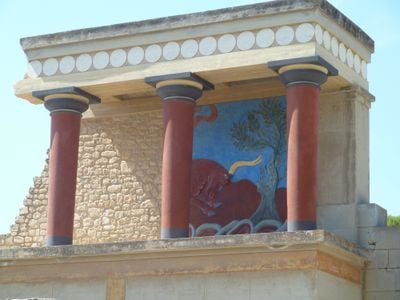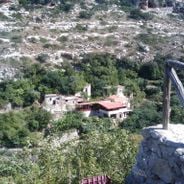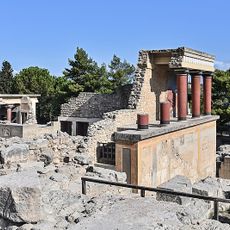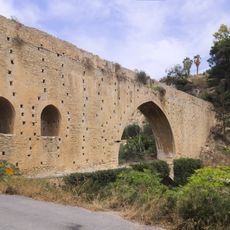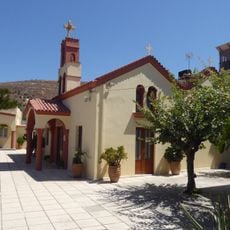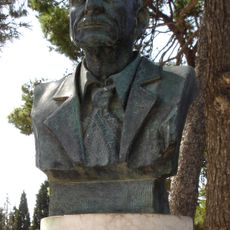
Palace of Knossos, Bronze Age palace in Heraklion, Greece.
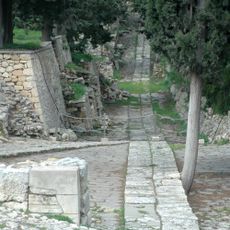
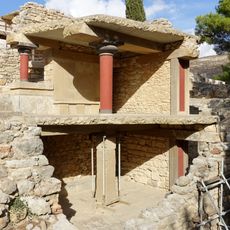
The Palace of Knossos is a Bronze Age palace and archaeological site in Heraklion Municipality on Crete. The site covers around 20,000 square meters with several levels, passages, courtyards, and storerooms arranged in an intertwined layout.
The palace was first built around 2000–1900 BCE, with a central courtyard and water supply and drainage systems. It was destroyed around 1700 BCE and rebuilt; most surviving remains belong to this second palace. After another destruction around 1450 BCE, it was the only great Cretan palace rebuilt, housing Mycenaeans until its final destruction around 1380 BCE. Some rooms were later reused as houses and storerooms.
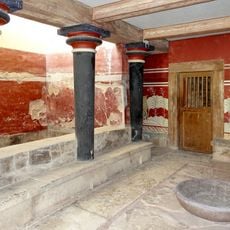
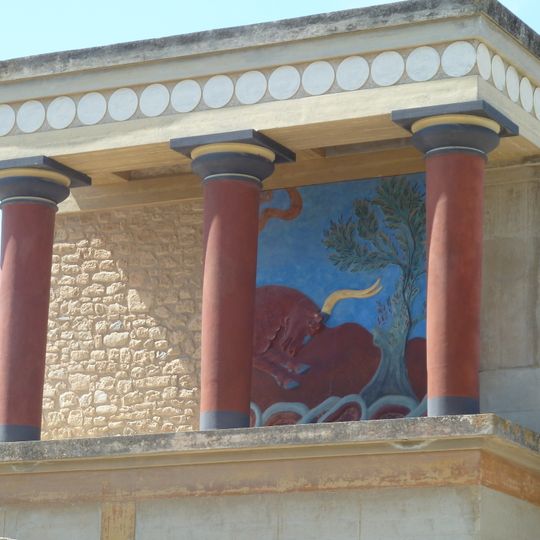
The name Knossos comes from pre-Greek times and marks the most important center of Minoan culture on Crete. Visitors today see partly reconstructed rooms and columns that show how inhabitants lived and shaped their palaces thousands of years ago.
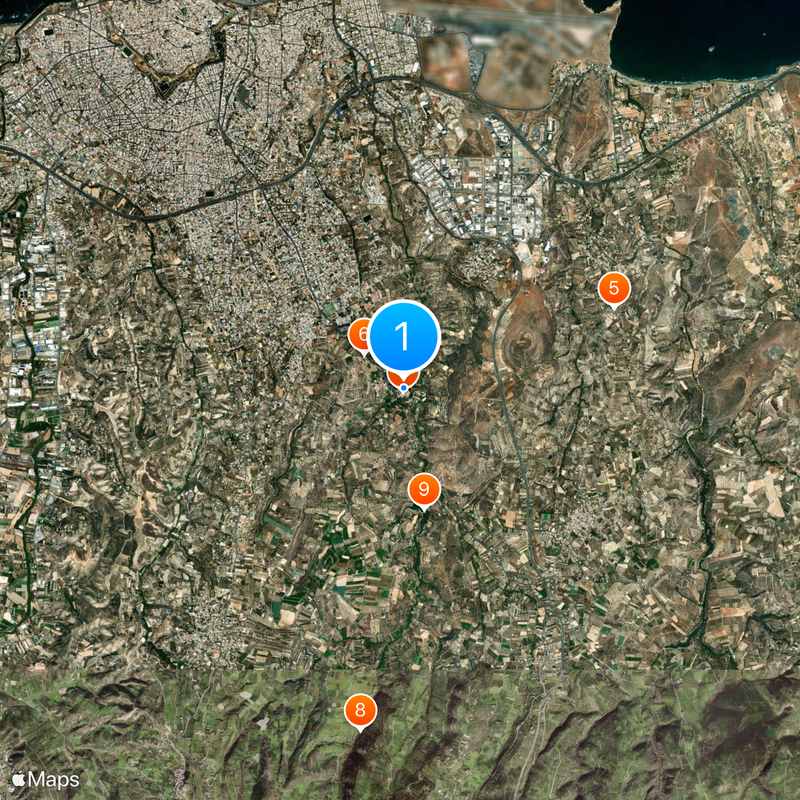
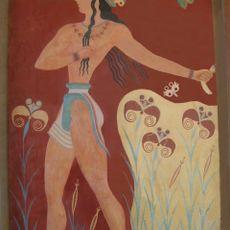
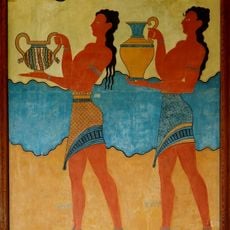
The site lies about five kilometres south of Heraklion, on the hill once called Kefala. The west wing, with the Throne Room and the storerooms, is the most rebuilt part; the east wing steps down the slope in four levels. Most of the original frescoes and finds are in the Archaeological Museum of Heraklion, so allow time for both.
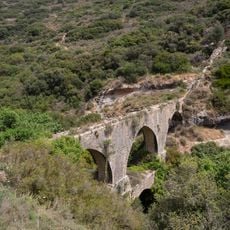
Three separate water piping systems within the complex show advanced engineering for the Bronze Age. This technology allowed water to be channeled and used in different areas of the sprawling building.
The community of curious travelers
AroundUs brings together thousands of curated places, local tips, and hidden gems, enriched daily by 94,660 contributors worldwide.