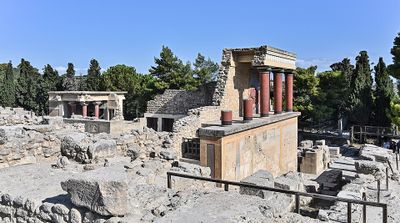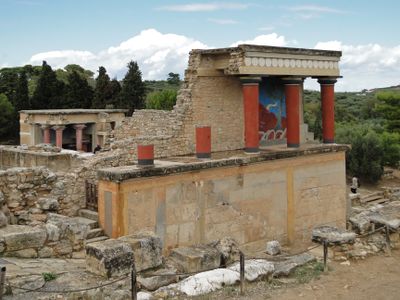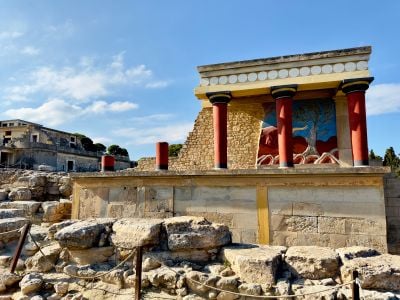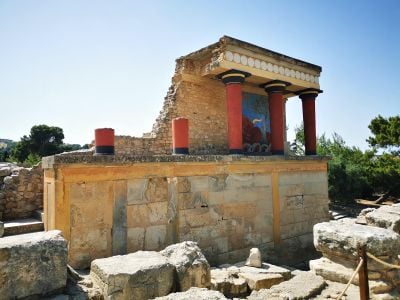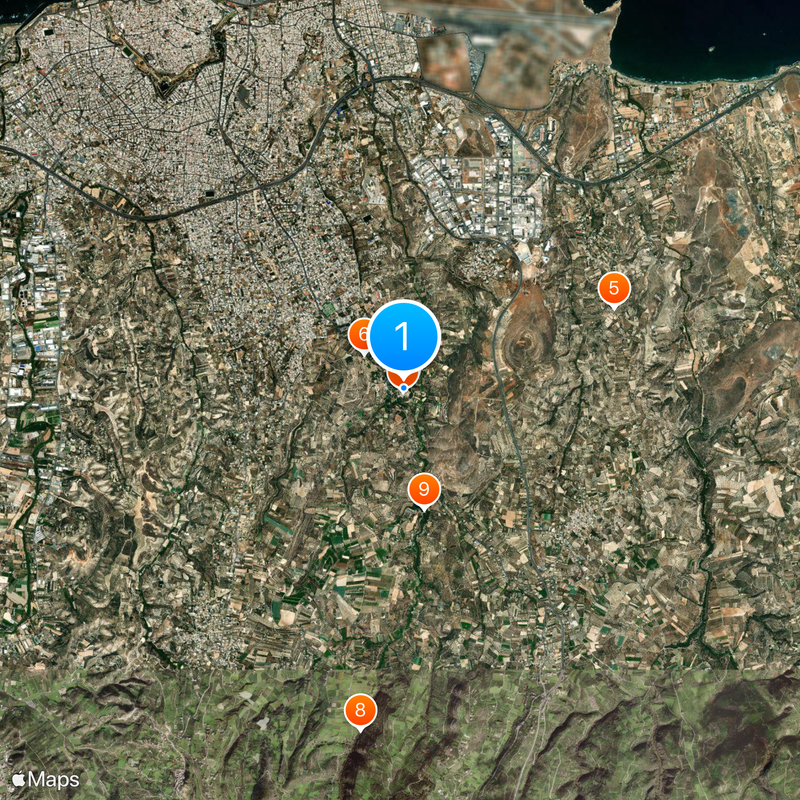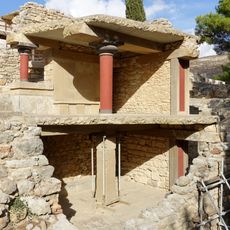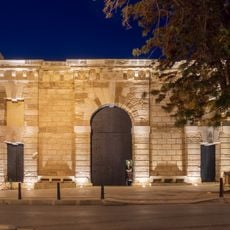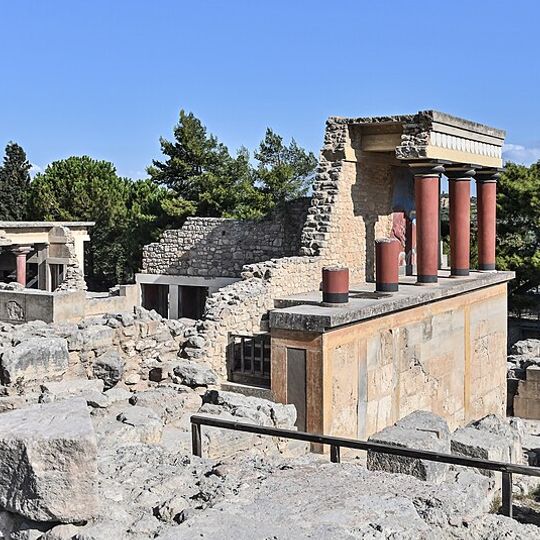
Knossos, Bronze Age archaeological site near Heraklion, Greece.
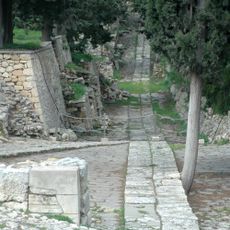
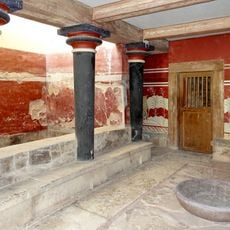
The excavated complex consists of a multilevel structure with limestone staircases, courtyards, and more than a thousand rooms on different levels. Corridors connect storage areas, workshops, and living quarters spread across an expansive footprint.
Settlement traces on the hill reach back several millennia before the common era. The large structure arose around 1900 BCE and was later modified several times, until fire destroyed the complex around 1350 BCE.
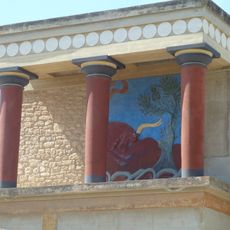
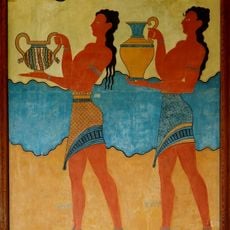
Wall paintings throughout the complex show people leaping over bulls, performing rituals, and gathering outdoors. Visitors can stand before these originals and see how communities organized themselves thousands of years ago.
Walking through involves uneven paths and partly restored staircases, so comfortable shoes are recommended. Shade is scarce in open sections, so visiting early in the morning or later in the afternoon can be more comfortable.
Clay pots buried below ground served as pipes, with tapered joints controlling water pressure and preventing blockages. This technical solution worked without pumps or external force over long distances inside the complex.
The community of curious travelers
AroundUs brings together thousands of curated places, local tips, and hidden gems, enriched daily by 91,320 contributors worldwide.