Knossos excavations, Bronze Age archaeological excavation in Heraklion, Greece.
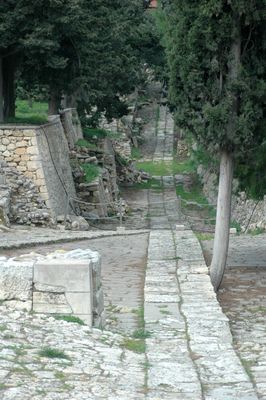
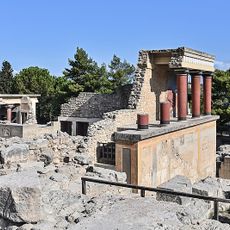
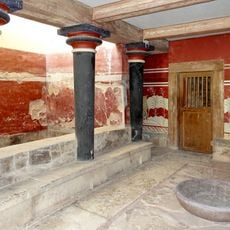
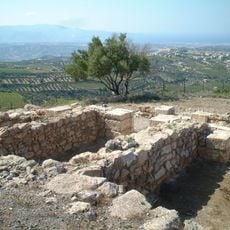
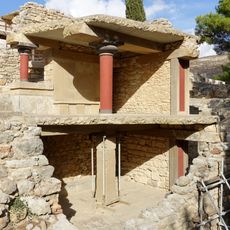
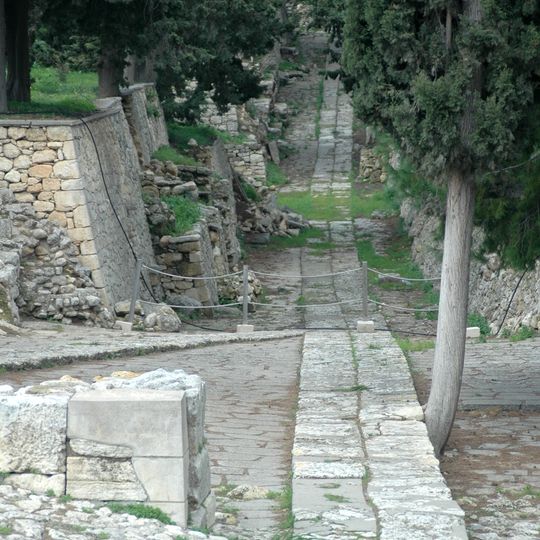
Knossos excavations reveal a Bronze Age palace complex with multiple levels of interconnected rooms, courtyards, and administrative areas built into the hillside. The remains include storage chambers, pottery, and structural foundations that show how this important settlement was organized and used.
Arthur Evans began systematic excavations in 1900 and uncovered layers spanning more than 2000 years of occupation and rebuilding. The site shows continuous settlement from the early Minoan period until the late Bronze Age around 1450 BCE.
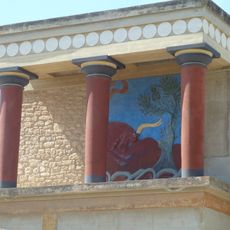
The site displays frescoes showing dolphins, bull-leaping scenes, and religious processions that reveal how the Minoan people lived and what they valued. These artworks provide direct insight into the beliefs and daily activities of a civilization that thrived roughly 3,500 years ago.
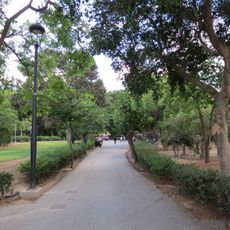
The site is sprawling and requires comfortable shoes and sun protection, as most areas have little shade. Well-marked pathways and informational signs throughout help visitors understand the different sections and their original purposes.
The water system with clay pipes and drainage channels shows that the Minoan people had advanced engineering capabilities for their time. Ongoing excavations continue to reveal new details about how these clever systems worked beneath the palace.
The community of curious travelers
AroundUs brings together thousands of curated places, local tips, and hidden gems, enriched daily by 91,098 contributors worldwide.