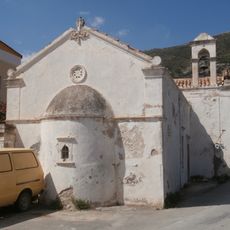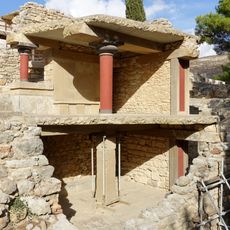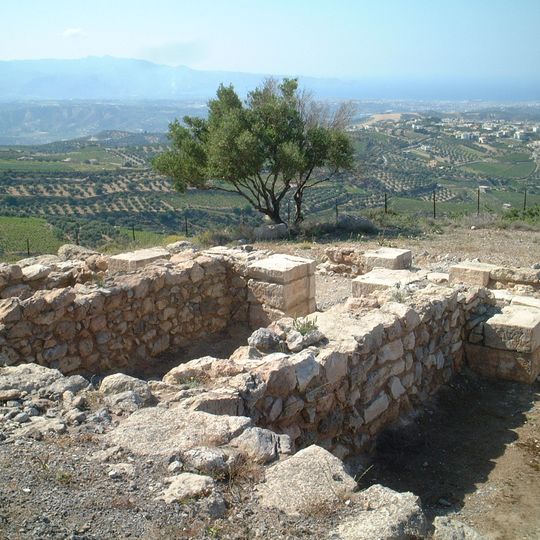
Anemospilia, Minoan temple ruins on Mount Juktas, Greece
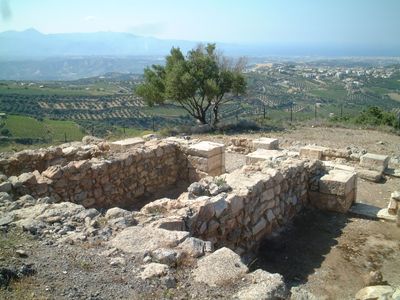
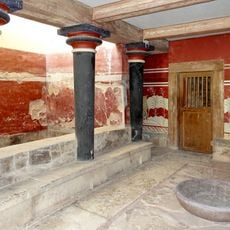
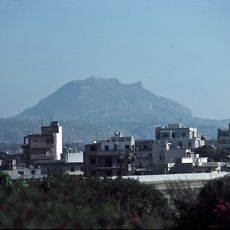
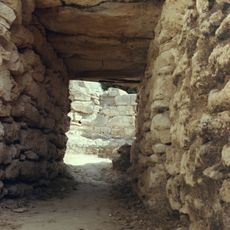
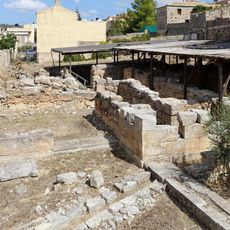
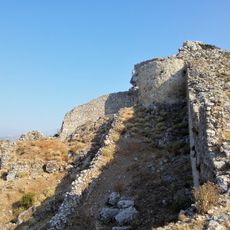
Anemospilia is a Minoan temple composed of three chambers arranged along the southern side of a rectangular building, with a corridor running across the northern section. This site sits on Mount Juktas and displays the architectural layout characteristic of religious centers from that ancient period.
The temple was discovered in 1979 by Greek archaeologists Yannis and Efi Sakellarakis and dates to the Minoan period. The site was destroyed by a powerful earthquake in the mid-17th century BCE.
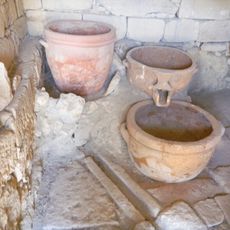
The temple provides insights into Minoan religious practices, with evidence of offerings such as milk and honey displayed throughout the chambers. The arrangement of the spaces and the objects discovered reveal how the community conducted sacred rituals and ceremonies that shaped their spiritual life.
Visiting this site requires advance permission from the local archaeological authority that can be obtained by contacting +30 2810 752712. Planning your visit in advance will help you understand current access conditions and timing for your trip.
Excavations uncovered four human skeletons, with one individual positioned on a trapezoidal table and bearing a weapon in the body. These discoveries suggest dramatic events occurred at the moment of the temple's destruction.
The community of curious travelers
AroundUs brings together thousands of curated places, local tips, and hidden gems, enriched daily by 91,269 contributors worldwide.