Kourtaliotiko Gorge, Natural gorge in Agios Vasileios, Greece
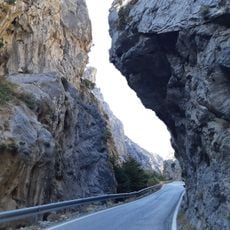
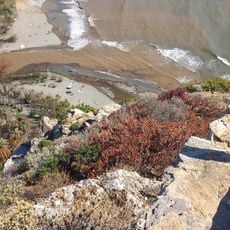
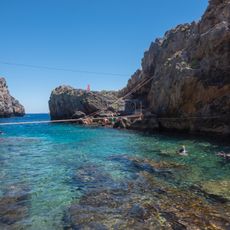
The Kourtaliotiko Gorge is a mountain cut on southern Crete between Mount Kouroupa to the west and Mount Xiron to the east, with the Megalopotamos, also called the Kourtaliotis, flowing along its bed. Its rock walls rise steeply up to 250 metres, and the river bed lies more than 100 metres below the road in places. The road from Koxare to Asomatos runs through it, and a 40-metre waterfall and the chapel of Agios Nikolaos stand by the springs.
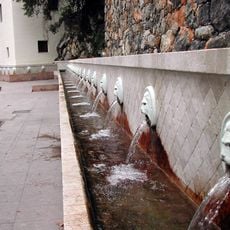
The road through the gorge was only paved in the early 1960s, linking Rethymno with the south coast at Plakias and Preveli. The chapel of Agios Nikolaos stands by the springs that legend says the saint struck from the rock with his staff; the stream below it carries water all year and is therefore called Megalopotamos, the Great River.
The gorge's name comes from Agios Nikolaos o Kourtaliotis, "the Rattler," after the clapping sound of wind in the caves. A chapel to him stands by the springs; legend says he struck the rock with his staff and seven springs burst out. The Kourtaliotis River carries water year-round and is also called Megalopotamos, "Great River."
The asphalt road through the gorge, linking Koxare in the north with Asomatos and then Plakias, was only paved in the early 1960s. The rock walls rise up to 250 metres, and the river bed lies more than 100 metres below the road in places. Hikers can follow the river path to Preveli beach in about two and a half hours, or take the easier parallel path.
About 20 metres from the northern entrance, the wind funnelled through high caves breaks the sound barrier, producing claps like hands coming together. These claps are the kourtala that gave the gorge its name, Kourtaliotis, meaning "the rattle" or "the noisy".
The community of curious travelers
AroundUs brings together thousands of curated places, local tips, and hidden gems, enriched daily by 94,347 contributors worldwide.