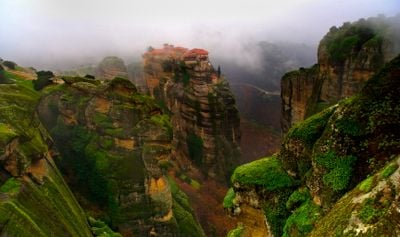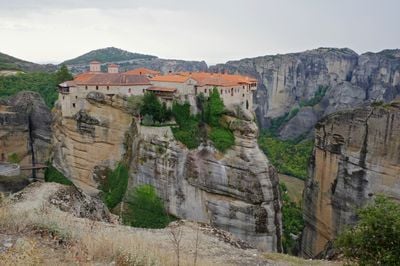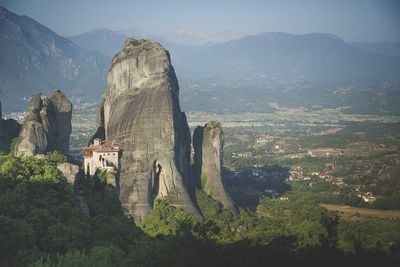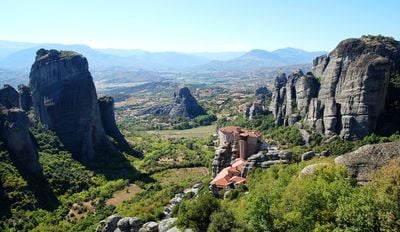
Meteora, UNESCO World Heritage monastic complex in Thessaly, Greece
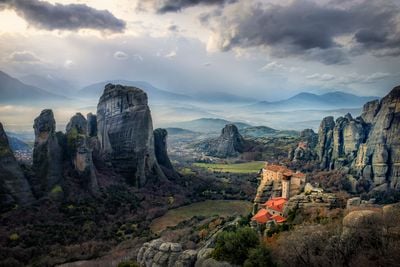
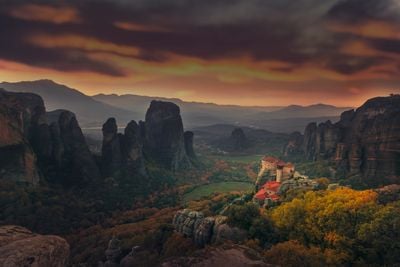
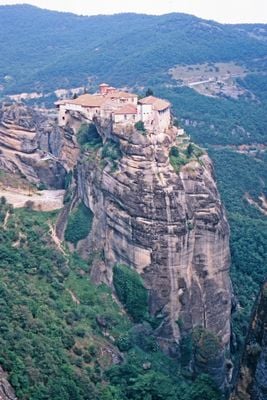
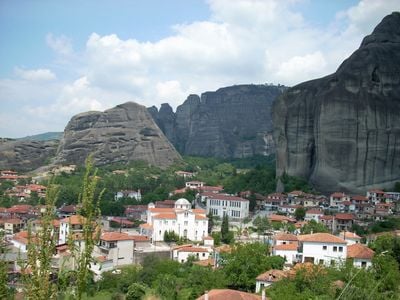
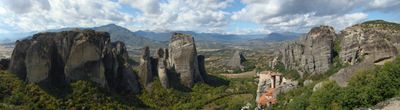
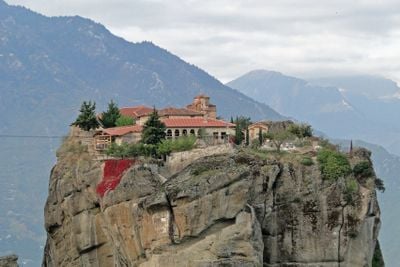
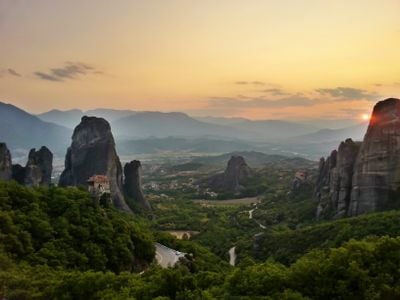
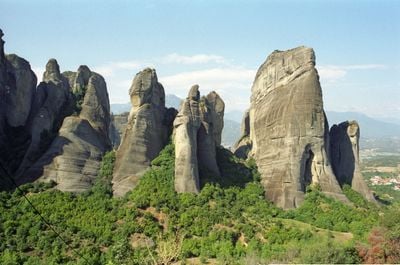
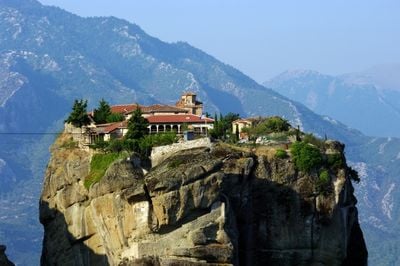
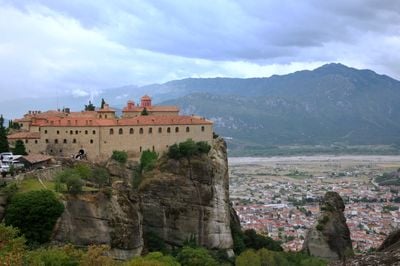
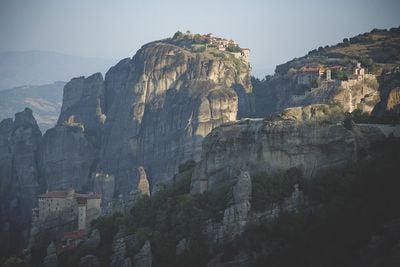
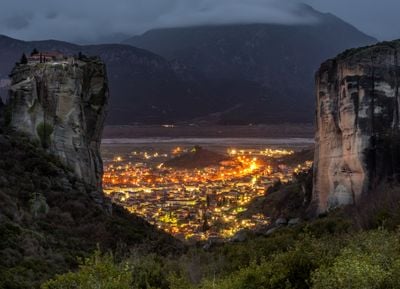
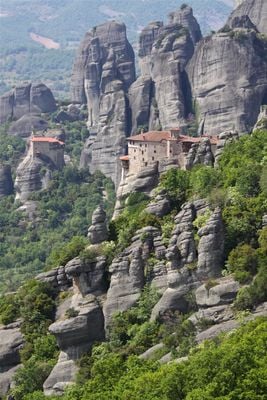
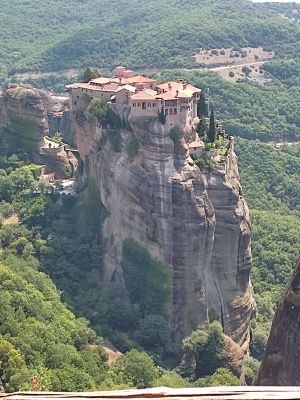
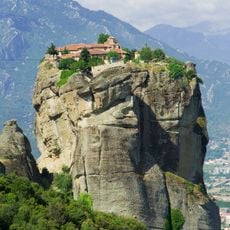
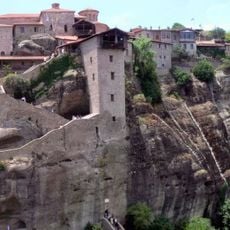
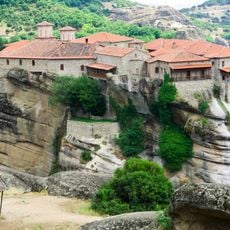
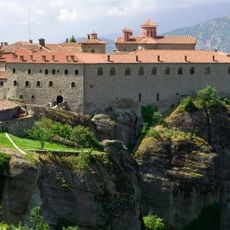
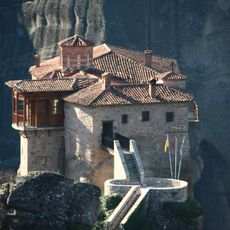
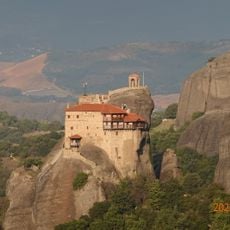
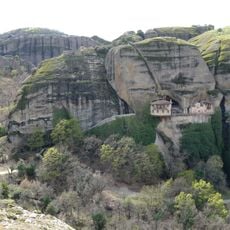
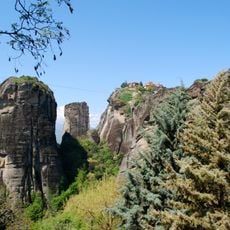
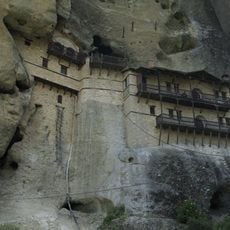
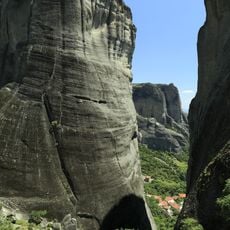
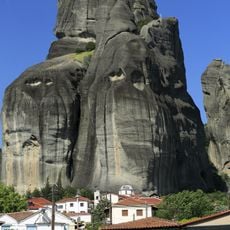
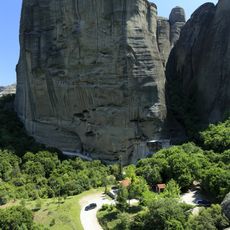
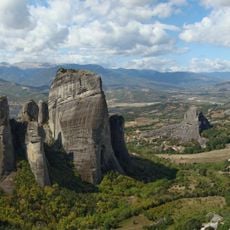
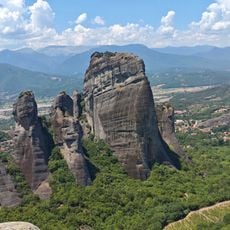
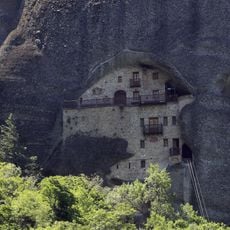
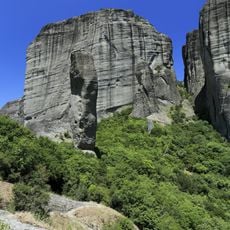
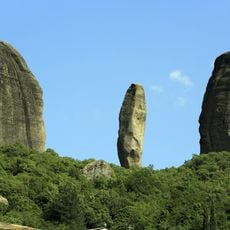
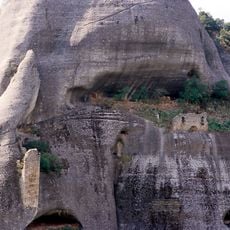
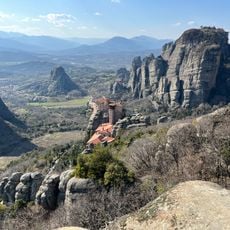
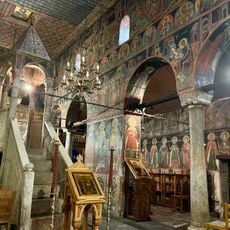
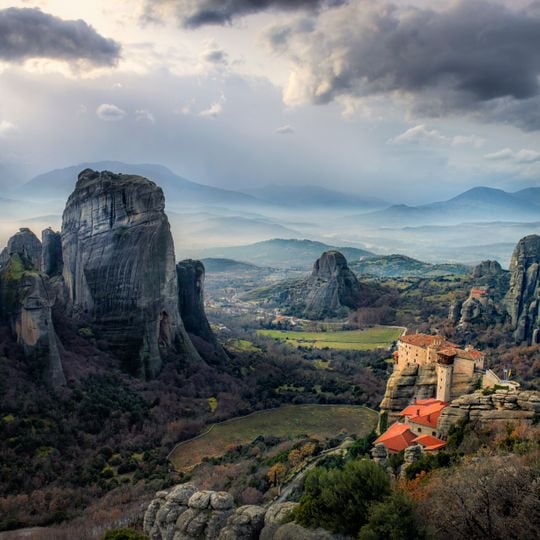
The Meteora monasteries form a group of six Orthodox monastic complexes in central Greece, each built atop separate sandstone pillars that rise roughly 600 meters (1,970 feet) above the Thessalian plains. Each site contains multistory stone buildings with churches, cells, and courtyards connected by narrow staircases and bridges carved into the rock.
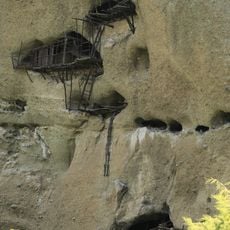
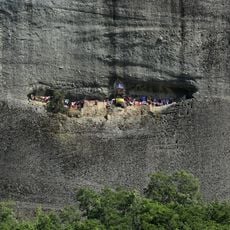
Hermits began settling on the rock pillars during the 11th century, and organized monastic communities formed in the 14th century when 24 monasteries were established. Builders initially relied on ropes and removable ladders before cutting permanent staircases into the stone, which allowed the communities to expand and accept more residents.
Monks and nuns still live in the monasteries, following Orthodox monastic routines that visitors can witness during open hours. The communities maintain their prayer schedules and daily work, including icon painting, manuscript preservation, and tending small gardens built into the rock platforms.
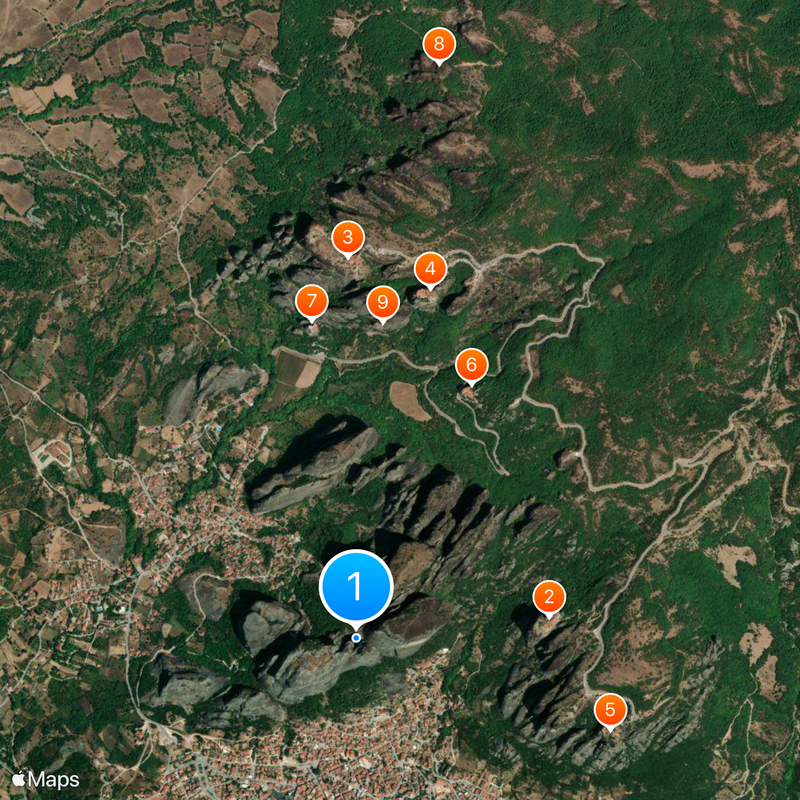
Each monastery follows its own opening schedule, which varies by day of the week, so planning ahead helps if you want to visit more than one. Roads and footpaths connect the different sites, and visitors should wear clothing that covers legs fully since shorts or short skirts are not allowed inside.
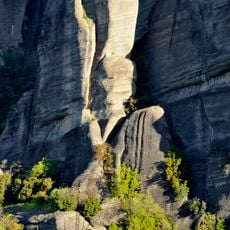
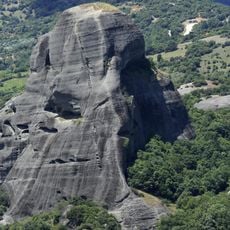
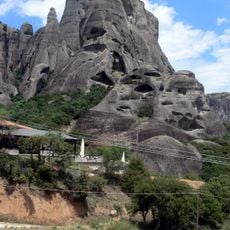
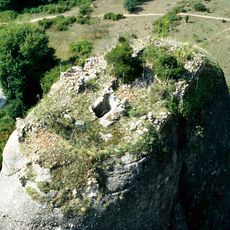
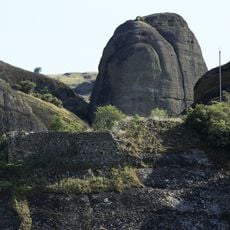
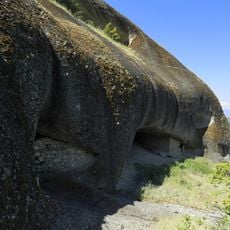
The rock pillars took shape over millions of years through erosion of ancient river deposits, as wind and water removed softer material and left the harder stone standing. Monks used net hoists operated by ropes to haul supplies and occasionally people up to the monasteries, a practice that continued into the mid-20th century.
The community of curious travelers
AroundUs brings together thousands of curated places, local tips, and hidden gems, enriched daily by 90,848 contributors worldwide.