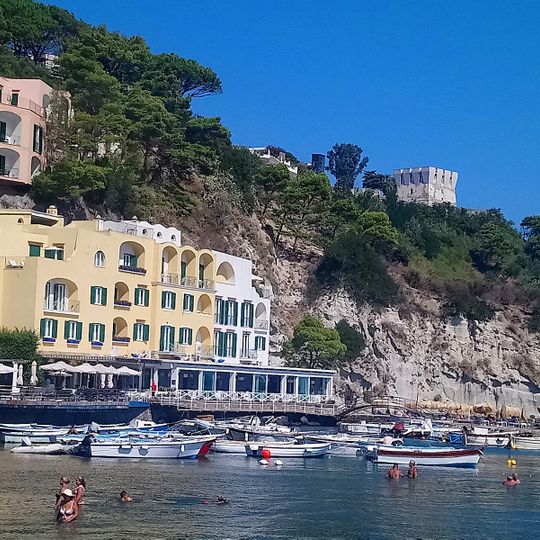
Ischia, Volcanic island in the Gulf of Naples, Italy
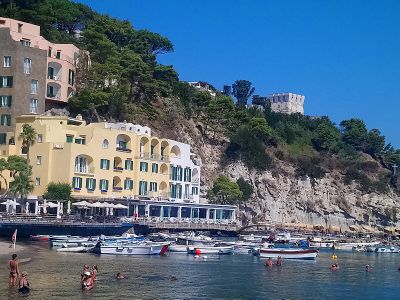
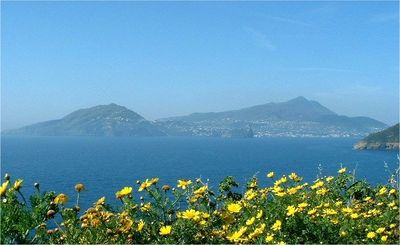
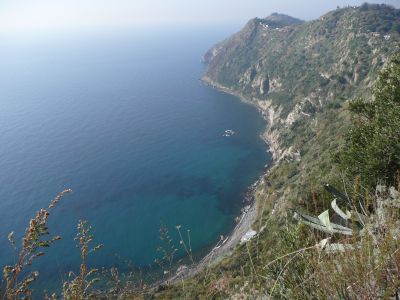
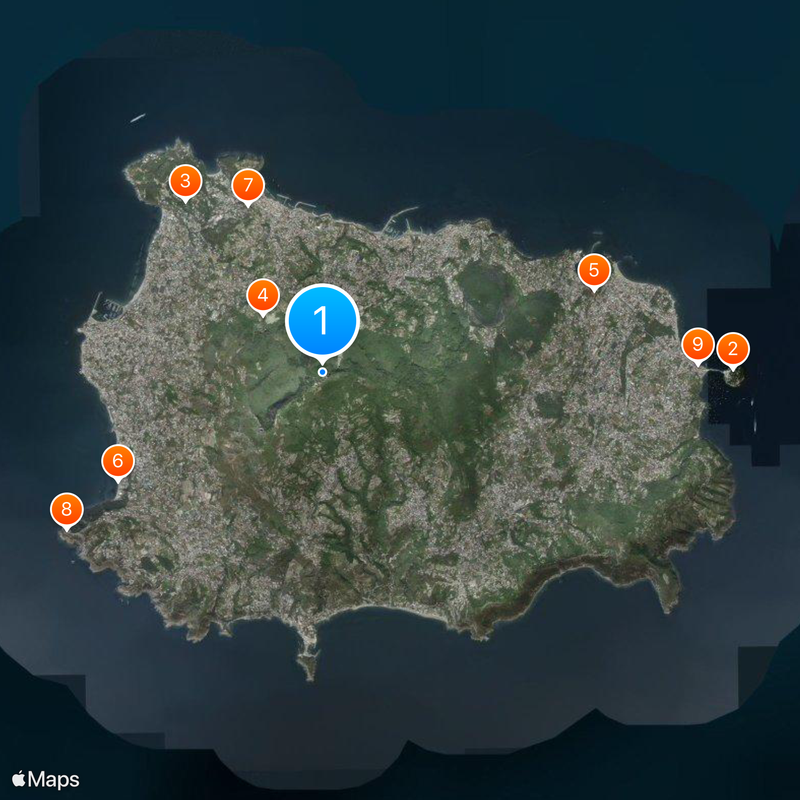
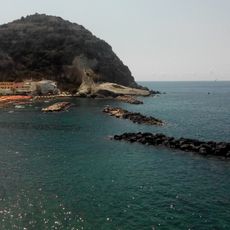
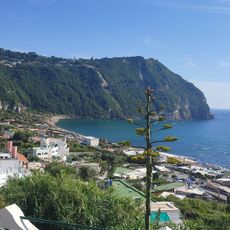
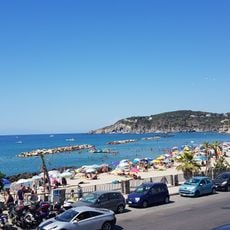
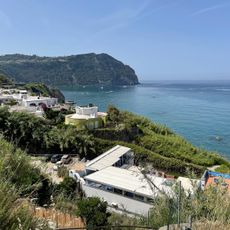
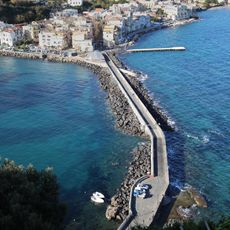
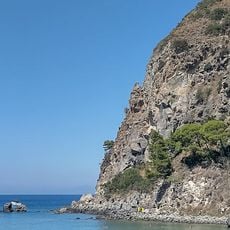
Ischia is a volcanic island in the Gulf of Naples, made up of several small towns along the coast and a central mountain mass that rises well above the rest of the land. Thermal springs emerge from the ground across the island, some of them reaching the shore itself.
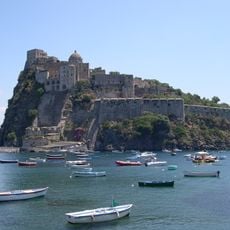
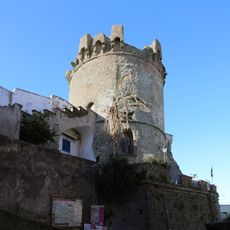
Greeks established the first known colony in the western Mediterranean on this island in the 8th century BC, naming it Pithecusae. Romans, Normans, and the House of Aragon each held the island in later centuries, and it was repeatedly struck by earthquakes over time.
In several workshops across the island, potters still shape clay by hand and coat it with bright glazes following old southern Italian methods. These studios are often open to passers-by, and the finished pieces can be bought directly from the artisans.
Ferries leave regularly from Naples and Pozzuoli, connecting to the island's main ports at different speeds depending on the type of vessel. Spring and autumn are good times to visit, since the island fills up during summer and some services are reduced in winter.
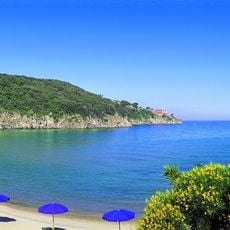
Below the island, more than a hundred thermal springs and dozens of fumarole groups are active, pointing to a volcanic system that is still alive underground. At certain beaches, digging a short way into the sand is enough to reach naturally warm water.
The community of curious travelers
AroundUs brings together thousands of curated places, local tips, and hidden gems, enriched daily by 90,754 contributors worldwide.