Museo di Santa Restituta, museum in Italy
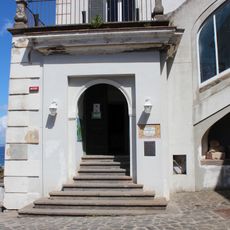
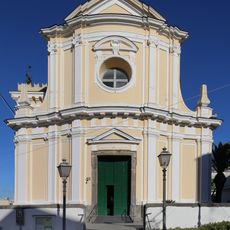
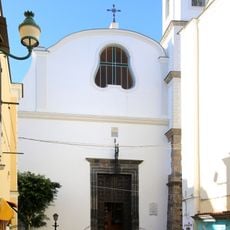
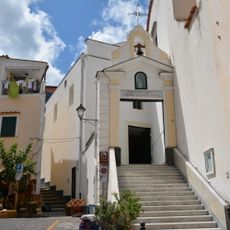
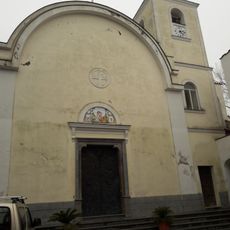
The Museo di Santa Restituta occupies the space beneath the Basilica of Santa Restituta in the centre of Lacco Ameno, on Ischia, next to the Museo Archeologico di Pithecusae. Excavation areas and display cases share the same underground rooms, where a paleo-Christian crypt, a Christian cemetery and Phoenician, Punic and Greco-Roman tombs were found. Visitors see kilns for firing clay, amphora fragments, and heads of the nymph Arethusa and of Demeter from the 4th century BC.
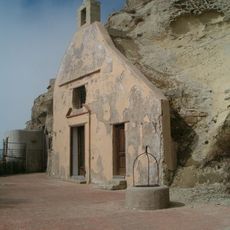
The museum began in the 1950s when excavations beneath a small chapel uncovered many ancient structures and objects, which the priest Pietro Monti documented and organized. The findings show traces of Phoenicians, Greeks, Romans, and early Christians who inhabited and traveled through the area over thousands of years.
The museum takes its name from the African martyr Restituta, whose relics reached Ischia in the 5th century and were kept in the chapel before being moved to Naples in the 9th century. The excavation area still shows the clay ovens where Pithecusan vases were fired and then exported across the Mediterranean.
Access is possible on foot from the center of Lacco Ameno, as the museum is located near the church in town. Excavations are sometimes closed for maintenance and research work, so it is wise to check current opening hours before visiting.
The excavation revealed both a cemetery and a workshop area with clay kilns where Pithecusan vases were fired and exported across the Mediterranean. Among the finds are a 4th-century BC terracotta head of the nymph Arethusa and a head of Demeter, plus a red-painted clay antefix from the 6th century BC.
The community of curious travelers
AroundUs brings together thousands of curated places, local tips, and hidden gems, enriched daily by 94,018 contributors worldwide.