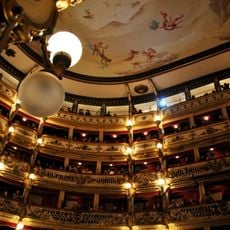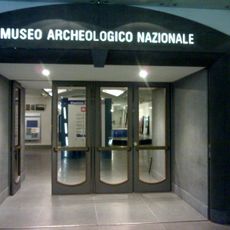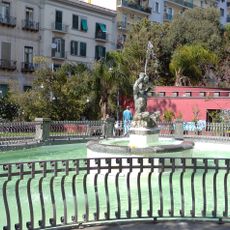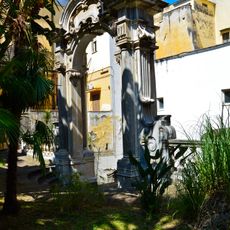
Palazzo degli Studi, Renaissance palace in Naples, Italy.
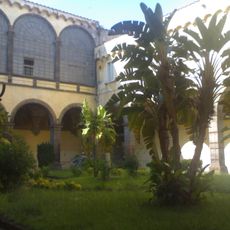
Palazzo degli Studi is a large rectangular building featuring two interior courtyards, a columned portico on the western side, and closed arches along the eastern facade. The interior contains a long atrium with a main staircase, along with administrative spaces located in the lower levels.
Construction of the building began in 1586 as a cavalry barracks outside the city walls, and in 1612 viceroy Pedro Fernández de Castro converted it into a university. This transformation marked a turning point and made the structure a symbol of educational reform in Naples.
This palace served as the main educational hub for the city and attracted students from surrounding regions for centuries. The rooms still reflect this academic role through their spacious design and the way the halls are organized for learning.
Visitors enter through the main gate, which leads to spacious corridors and the central staircase. Plan to spend time exploring the different levels and areas at a relaxed pace.
The building contains a rare meridian line embedded in the floor of its main hall, used for solar observations during the 18th century. This brass or stone line remains visible today and shows the early connection between the structure and scientific inquiry.
The community of curious travelers
AroundUs brings together thousands of curated places, local tips, and hidden gems, enriched daily by 92,623 contributors worldwide.