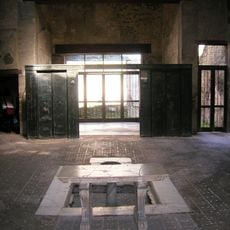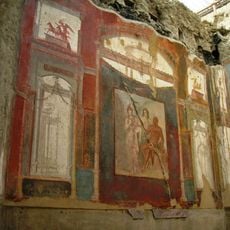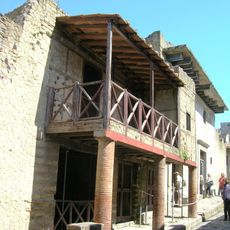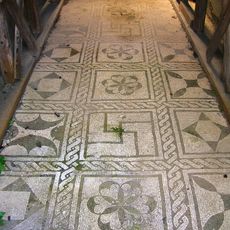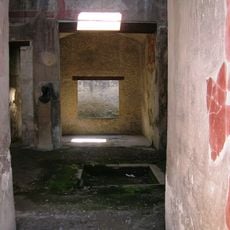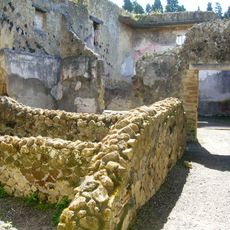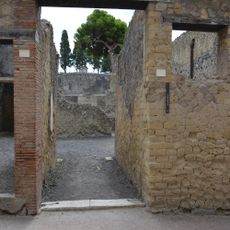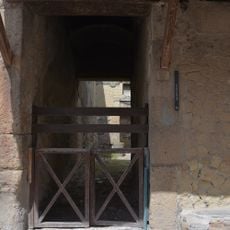
Villa of the Papyri, Roman villa in Ercolano, Italy
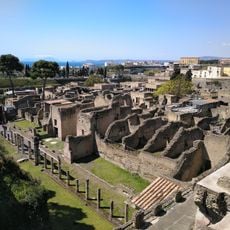
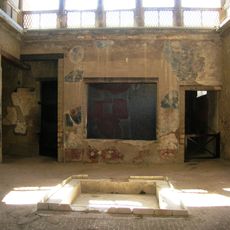
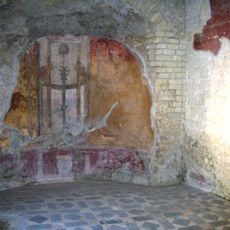
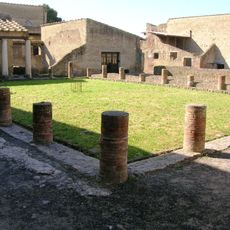
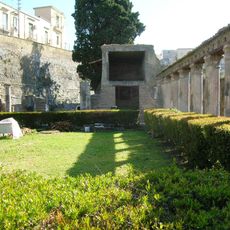
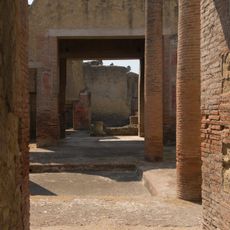
The Villa of the Papyri is an ancient Roman villa in Ercolano, Italy, built between 60 and 50 BC. It had four terraced levels below the main floor, which stood 16 m above sea level, and a layout of four squares with a 100 m by 37 m peristyle garden and a central pool. The entrance faced the sea with a columned portico.
The owner of this estate was probably Lucius Calpurnius Piso Caesoninus, father-in-law of Julius Caesar. Excavations began in the 18th century through underground tunnels, long before modern archaeological methods were developed.
The scrolls discovered here contain philosophical works written in Greek, mainly texts from the Epicurean school. Scholars continue working to decipher these charred documents and gain new insights into ancient thought.
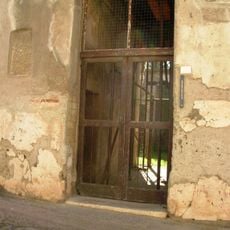
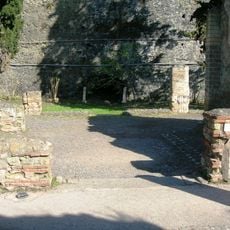
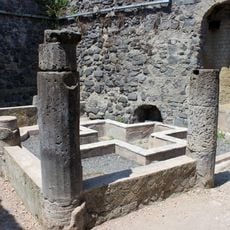
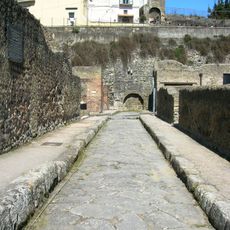
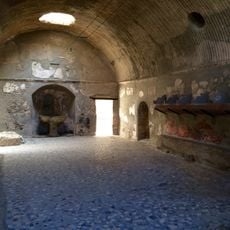
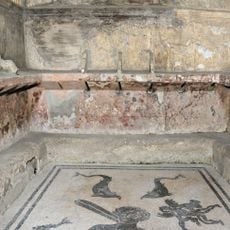
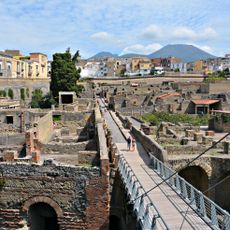
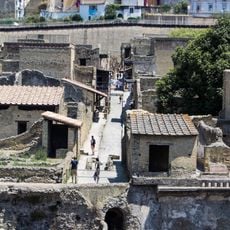
Access is through the Herculaneum excavation site, which provides paths through the uncovered areas. Part of the complex remains underground and is not open to visitors.
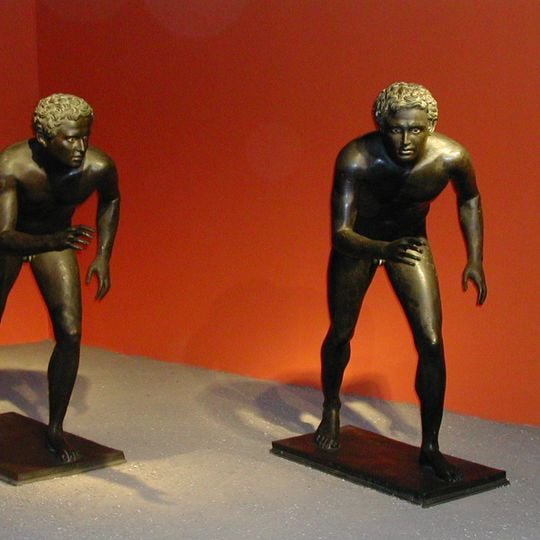
The Villa of the Papyri's plan, drawn by Karl Weber in 1754 and revised in 1764, served as the model for the Getty Villa in Malibu, built by Jean Paul Getty as his private residence and later turned into a museum bearing his name. The villa's bronze statues, including the Seated Hermes found in 1758, are held in the Naples National Archaeological Museum.
The community of curious travelers
AroundUs brings together thousands of curated places, local tips, and hidden gems, enriched daily by 93,361 contributors worldwide.