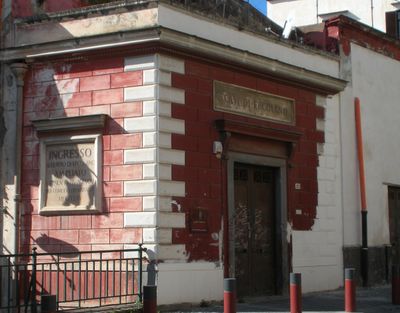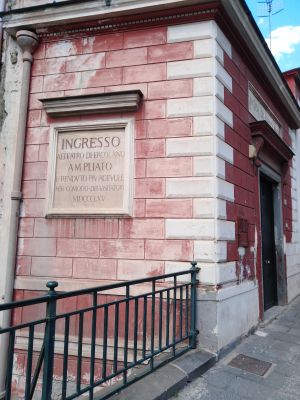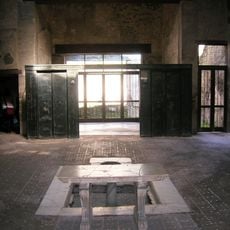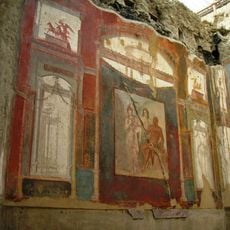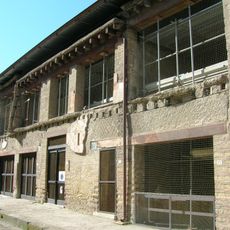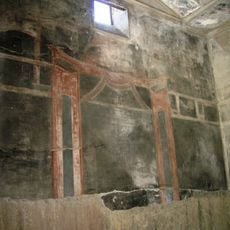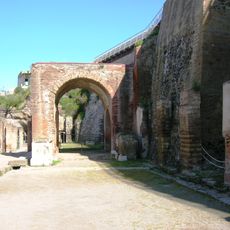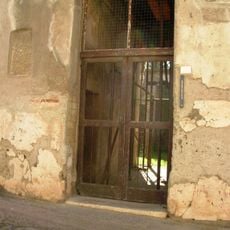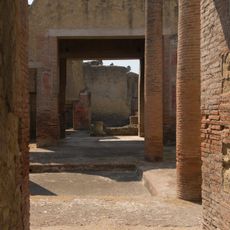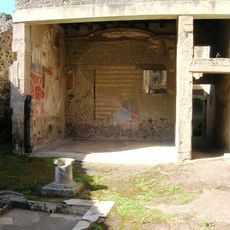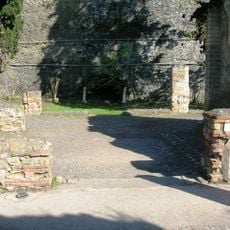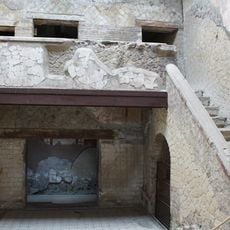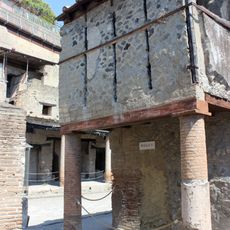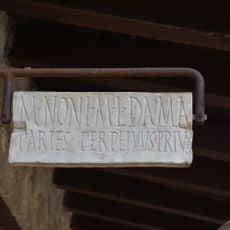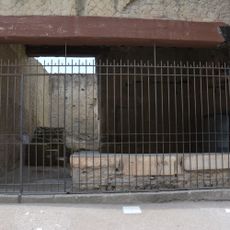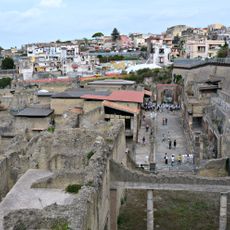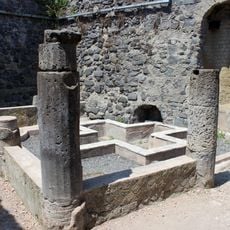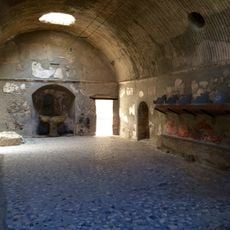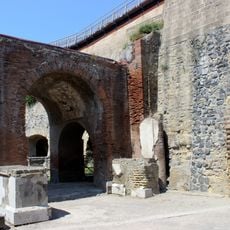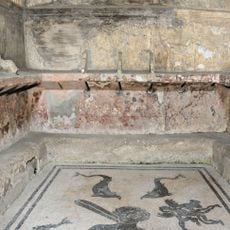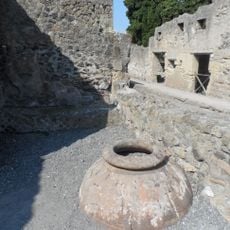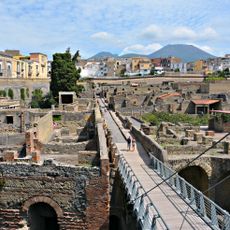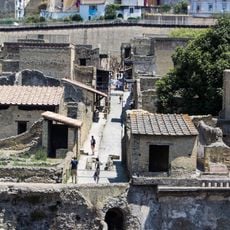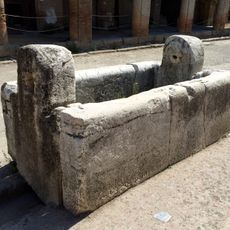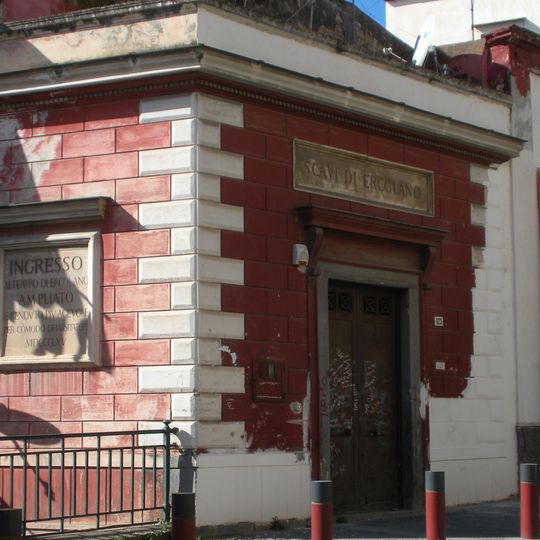
Theatre of Herculaneum, Ancient Roman theatre in Ercolano, Italy.
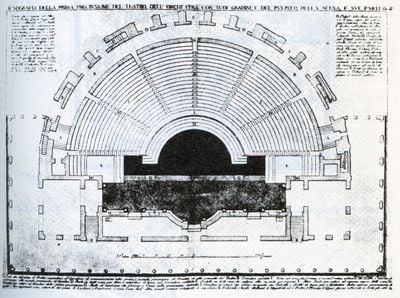
The theatre of Herculaneum is an ancient Roman structure built with a semicircular design containing three distinct seating sections for audiences. The building displays typical Roman theatre architecture with zones for spectators and a stage area where performances took place.
The site was discovered by chance in 1710 during well-digging work, which led to systematic excavations starting in 1738 under the direction of King Charles of Bourbon. This event became a turning point for understanding Roman life in the region.
The seating layout revealed the social order of ancient Herculaneum, with lower sections covered in white and yellow marble for prominent residents. Visitors can still observe how the space separated different social groups.
Access to the site involves walking along paved paths and climbing several sets of stairs to reach different levels of the theatre. The surfaces can be slippery, so sturdy footwear and caution are recommended, especially during wet conditions.
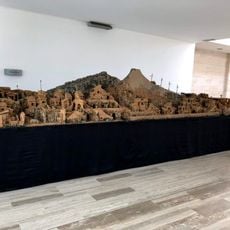
The theatre remains buried beneath around 20 meters of volcanic material from the eruption of Mount Vesuvius, which helped preserve many original features. This deep burial makes it one of the best-preserved Roman theatres.
The community of curious travelers
AroundUs brings together thousands of curated places, local tips, and hidden gems, enriched daily by 91,375 contributors worldwide.