Circus Maximus, Ancient Roman circus in Rome, Italy
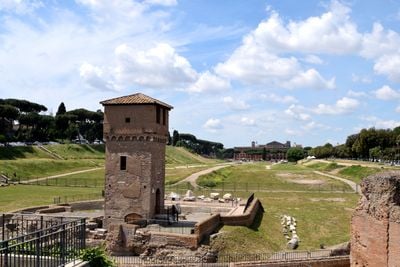
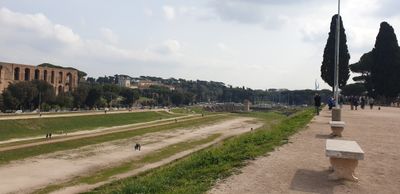
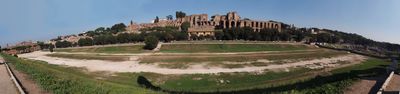
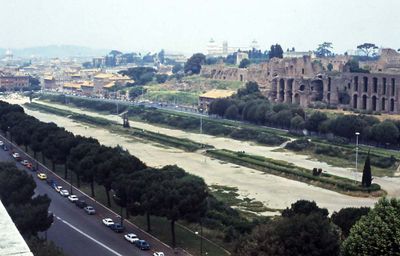
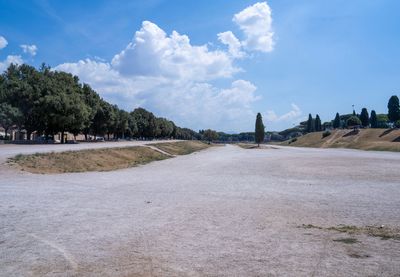
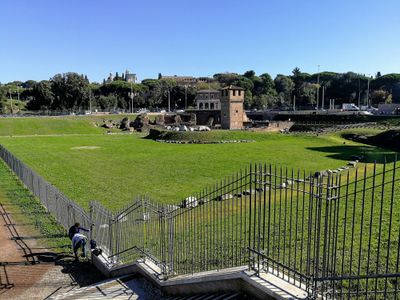
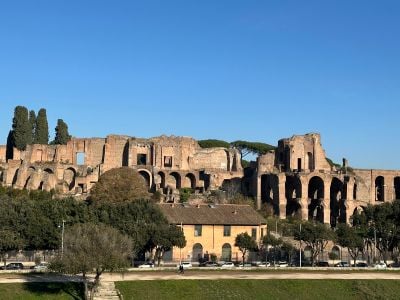
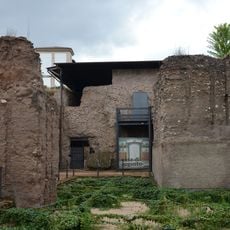
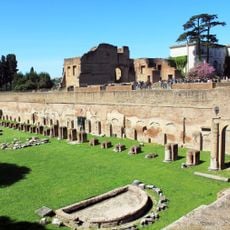
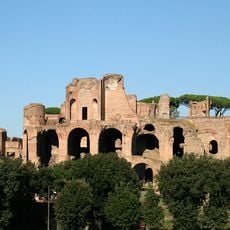
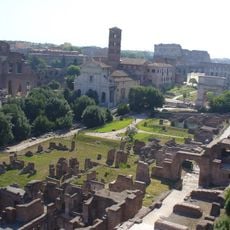
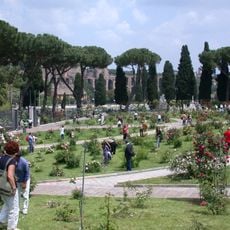
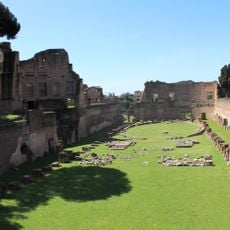
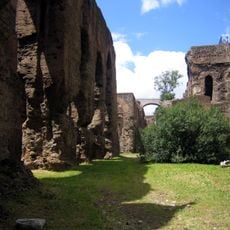
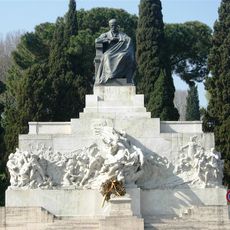
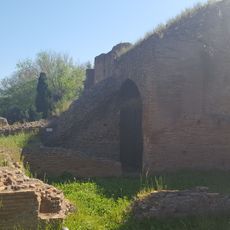
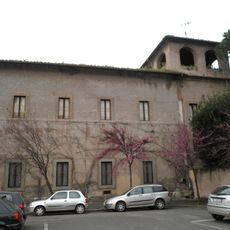
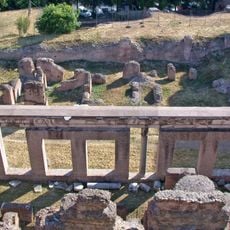
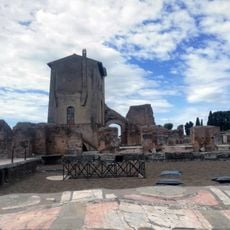
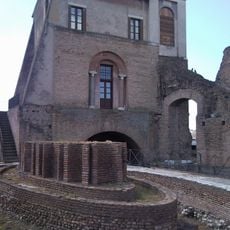
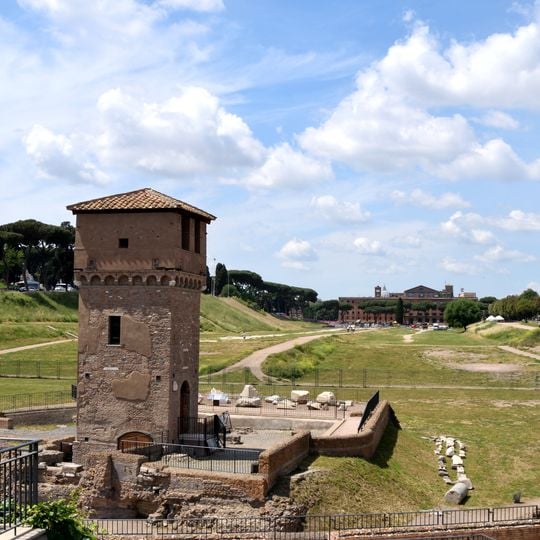
Circus Maximus is an archaeological site in the first district of Rome that shows the layout of an ancient racetrack. The grounds stretch 600 meters long and 140 meters wide and preserve remains of seating areas, underground passages and medieval buildings that settled over the Roman foundation.
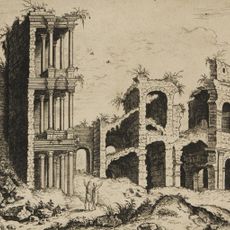
Julius Caesar commissioned a permanent structure here in the first century before Christ, replacing earlier wooden buildings in the Murcia valley. Over the centuries the arena was expanded and remained in operation until the sixth century after Christ, when it fell into disrepair and its stones were used for other projects.
Charioteers raced here wearing green, blue, red or white while crowds cheered for their team and placed bets on the outcome. The atmosphere resembled a modern stadium where rivalry and passion shaped the day and people from all walks of life gathered together.
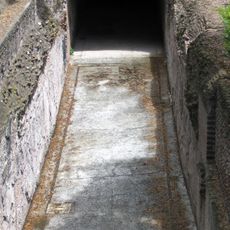
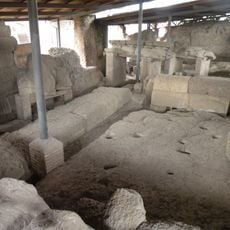
The site lies open under the sky and is accessible in all weather, though shade is scarce during summer months. Visitors can walk across ancient paving stones and descend into accessible galleries that once led to the seating rows.
A virtual experience using special glasses lets visitors see the building in different periods and understand how races unfolded. The technology brings back vanished columns, seating and chariots and connects the empty field with its former shape.
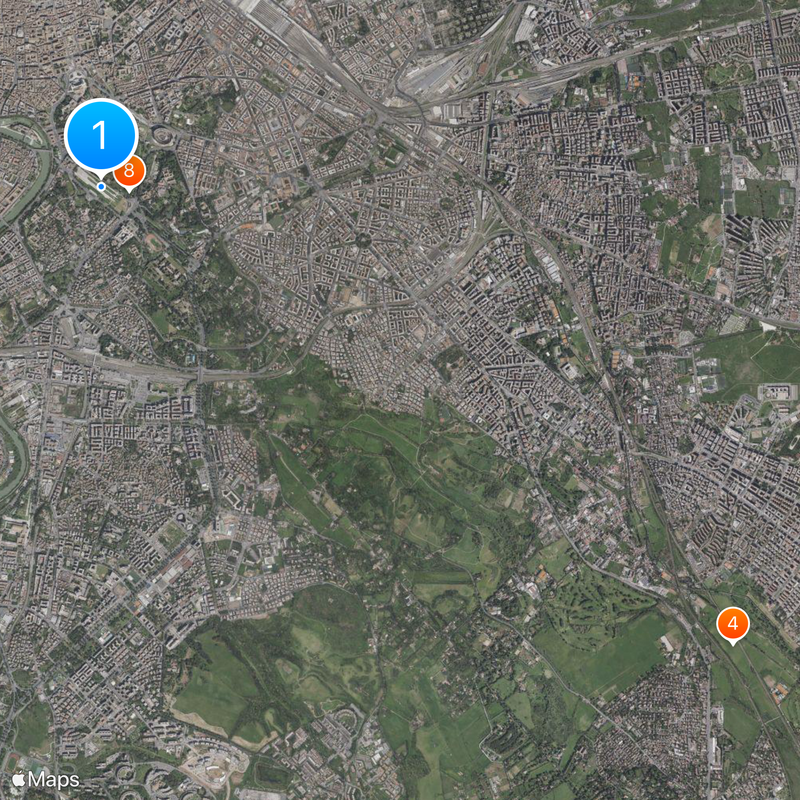
Location: Municipio I
Inception: 550s BCE
Length: 600 m
Width: 140 m
Accessibility: Wheelchair limited access
Website: http://sovraintendenzaroma.it/i_luoghi/roma_antica/monumenti/circo_massimo
GPS coordinates: 41.88590,12.48570
Latest update: December 12, 2025 16:48
Rome preserves more than 2,000 years of architectural history within its city limits, maintaining ancient temples and amphitheaters beside Renaissance churches and Baroque piazzas. The Roman Forum displays ruins from the first century BC through the fourth century AD, including government buildings...
Rome joins history with modern photography. The city spreads across several hills and holds buildings from different centuries, from ancient ruins to baroque churches and fountains. Photographers find subjects on every street corner, from large public squares to narrow alleys in old neighborhoods....
In the heart of Rome, traditional cafés keep the story of Italian coffee alive. Since the 18th century, places like the Antico Caffè Greco and Caffè Sant'Eustachio make their coffee using the same recipes as long ago. You will see wooden counters that are well-worn, old mirrors, and a feeling that...
Lupercal
262 m
House of Augustus
335 m
Aqua Claudia
7 km
Domus aputa
213 m
Palace of Domitian
324 m
Temple of Apollo Palatinus
330 m
Septizodium
252 m
Domus Transitoria
301 m
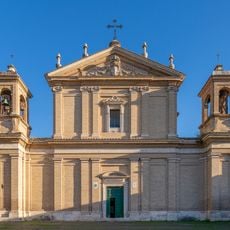
Basilica di Sant'Anastasia al Palatino
289 m
Santa Prisca
342 m
Rome Rose Garden
202 m
Palatine stadium
208 mTemple of Mercury
248 m
Domus Severiana
191 m
Monument to Giuseppe Mazzini
138 m
Torre della Moletta
259 m
Baths of Decius
310 mSanctuary of Ceres, Liber and Libera
318 m
Villa Mills
227 m
Paedagogium
202 m
Santa Prisca Mithraeum
352 m
Cenatio Iovis
284 m
Roman Catholic Ecclesiastical province of Rome
351 m
Santa Maria dei Cerchi
100 m
Palatino
288 m
Santissima Trinità in Clivo di Scauro
340 m
Fontanina degli Innamorati
246 m
Circus Maximus
11 mVisited this place? Tap the stars to rate it and share your experience / photos with the community! Try now! You can cancel it anytime.
Discover hidden gems everywhere you go!
From secret cafés to breathtaking viewpoints, skip the crowded tourist spots and find places that match your style. Our app makes it easy with voice search, smart filtering, route optimization, and insider tips from travelers worldwide. Download now for the complete mobile experience.

A unique approach to discovering new places❞
— Le Figaro
All the places worth exploring❞
— France Info
A tailor-made excursion in just a few clicks❞
— 20 Minutes