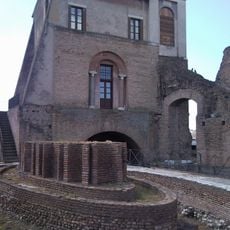
Domus aputa, Archaeological site on Palatine Hill, Rome, Italy
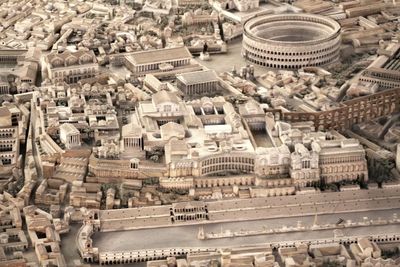
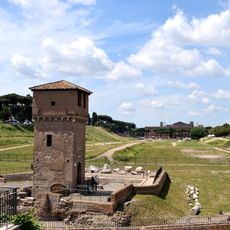
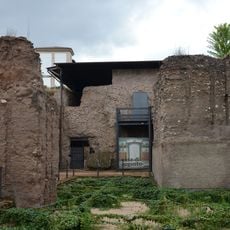
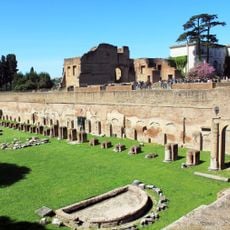
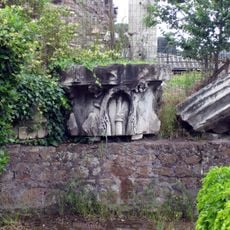
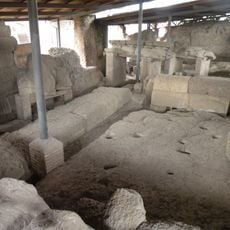
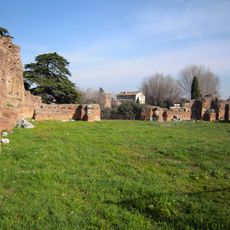
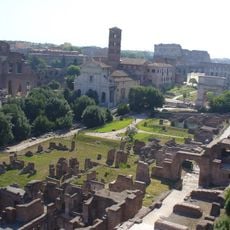
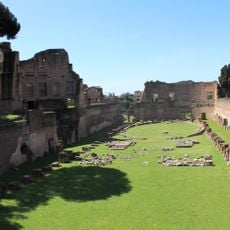
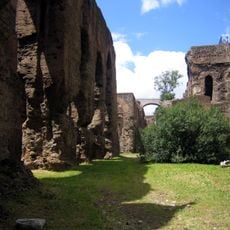
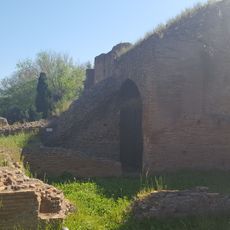
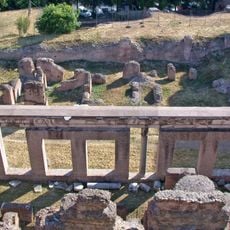
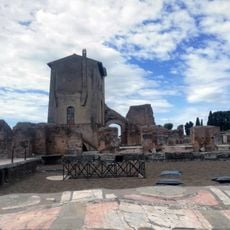
Domus Aputa is an archaeological site on the Palatine Hill in Rome, Italy, preserving traces of residential rooms and inner courtyards from the imperial era. The excavated areas reveal masonry foundations, floor levels, and scattered fragments of wall decoration that help reconstruct the layout of Roman housing.
The complex originated under Augustus and underwent modifications by later emperors in the first century, who added new rooms and altered earlier structures. These interventions reflect the growing need for representative living space as imperial power expanded on the Palatine.
The name may refer to a Latin term no longer in common use, designating a specific section of the imperial complex on the Palatine. Visitors can see how Romans organized their living spaces around open courtyards, with rooms arranged for different daily activities.
Access is through the main entrance to the Palatine, where multilingual information panels explain the different sections of the excavation. Sturdy footwear is advisable, as the paths cross ancient floor levels and uneven paving in places.
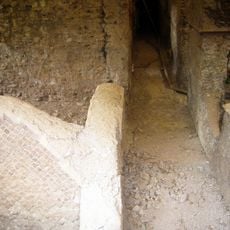
Beneath the exposed sections run lead pipes that once carried water to fountains and baths throughout the residence. These channels show how Roman engineers used pressure gradients and distribution systems to supply multiple areas at once.
The community of curious travelers
AroundUs brings together thousands of curated places, local tips, and hidden gems, enriched daily by 90,758 contributors worldwide.