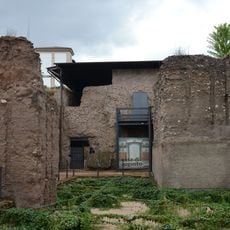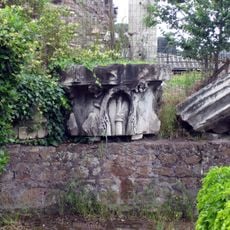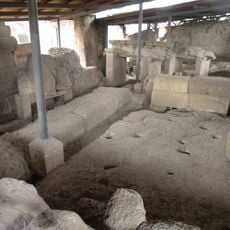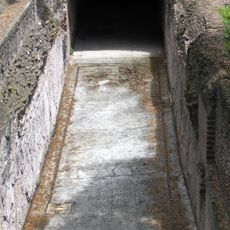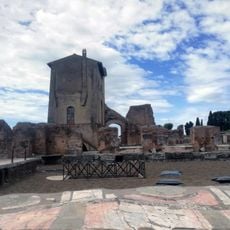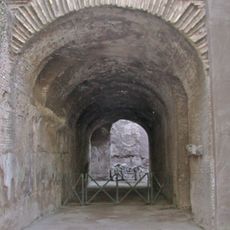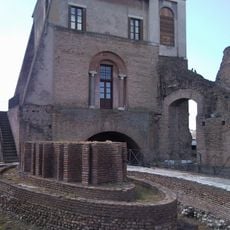
Palace of Domitian, Imperial palace ruins on Palatine Hill, Rome, Italy.
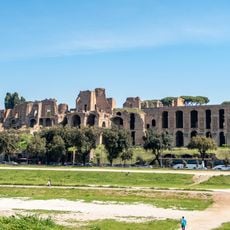
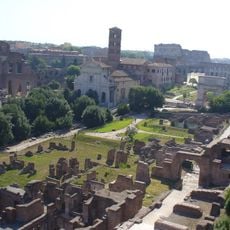
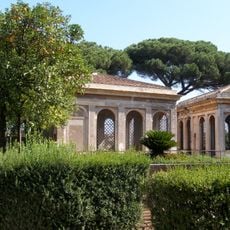
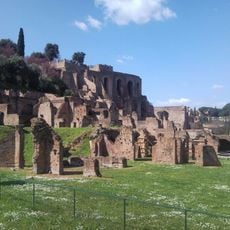
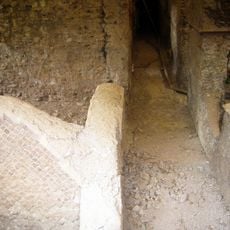
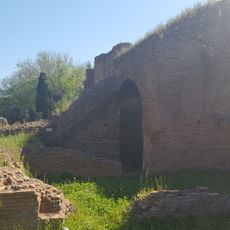
The Palace of Domitian was a large residential complex on the Palatine Hill with several distinct sections. The Domus Flavia served for official receptions, the Domus Augustana housed the emperor's private rooms, and a stadium-shaped garden lay between them.
Domitian began the palace shortly after taking power in 81 AD, and the architect Rabirius directed work completed in 92 AD. The complex replaced buildings from the Republican era through Nero's time, including Nero's Domus Transitoria and the House of the Griffins. Septimius Severus added a large extension on the southwestern slope, and Theodoric the Great renovated the palace in the early 6th century using proceeds from a special tax.
The palace shows how Roman elites lived and worked during the imperial period. The divided spaces for public business and private life reflect the strict social order that defined Rome.
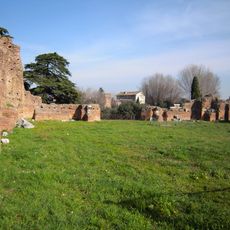
The remains are easily accessible but partly exposed to the elements, and can become slippery in wet weather. Sturdy shoes are recommended, and on hot days visitors should bring water and sun protection.
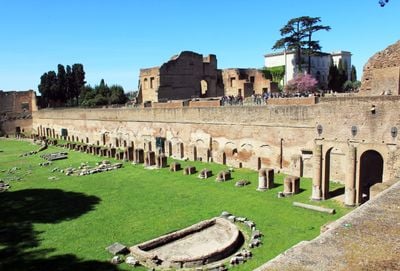
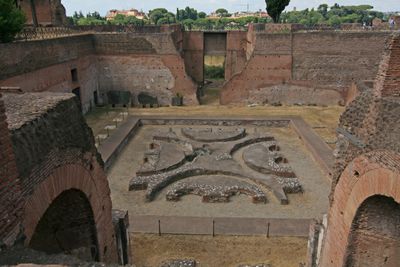
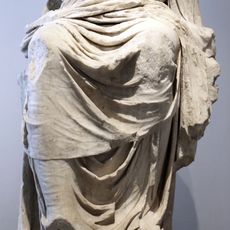
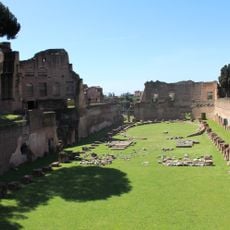
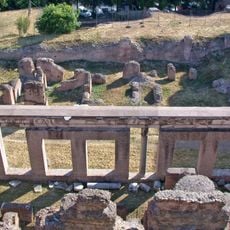
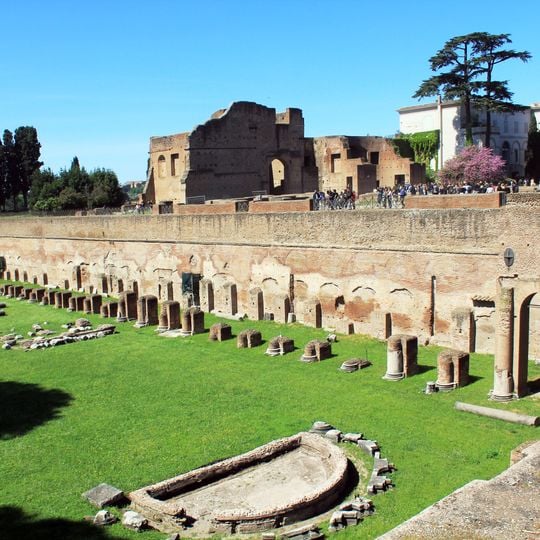
The sunken garden known as the Stadium of Domitian measures about 160 by 48 metres and looks like a circus but was too small for chariots. Most of the statuary in the nearby Palatine museum comes from it. Brick stamps show Hadrian later reinforced its porticoes, and at its southern end stands a small oval enclosure from the time of Theodoric.
The community of curious travelers
AroundUs brings together thousands of curated places, local tips, and hidden gems, enriched daily by 93,367 contributors worldwide.