Lupercal, Archaeological cave at the foot of Palatine Hill, Rome, Italy
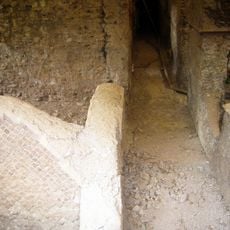
The Lupercal is a cave at the base of the Palatine Hill in Rome, extending roughly fifteen meters below ground level and decorated with shells, mosaics, and marble. The walls and ceiling display elaborate ornamentation that suggests careful craftsmanship during ancient times.
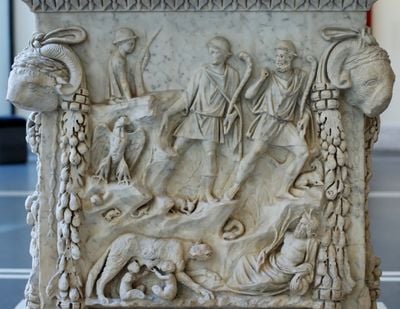
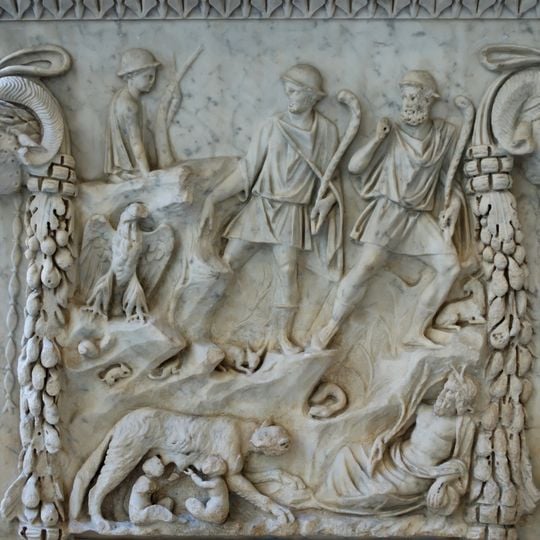
Roman mythology links this cave to the she-wolf who nursed Romulus and Remus before the city was founded in the eighth century BC. Emperor Augustus later restored the grotto and elevated it to an important monument for the Roman foundation myth.
Roman priests called Luperci performed ceremonies in this cave during Lupercalia, a fertility festival celebrated annually on February 15 until 494 AD.
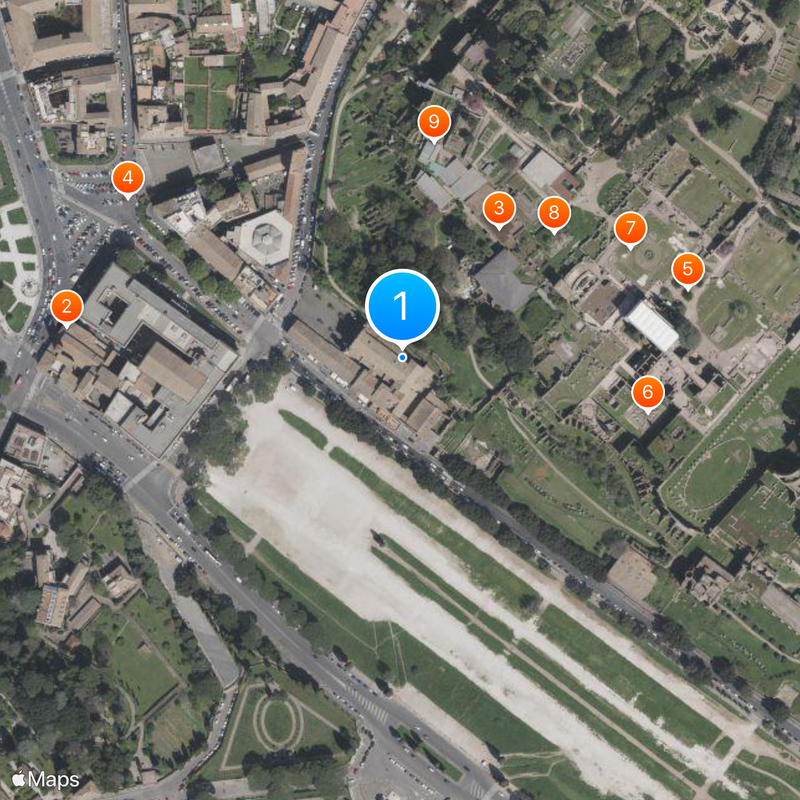
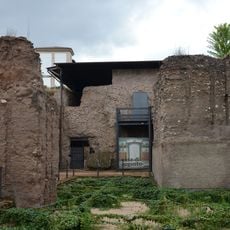
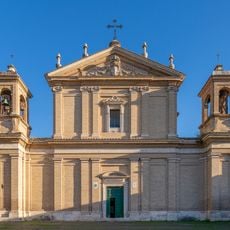
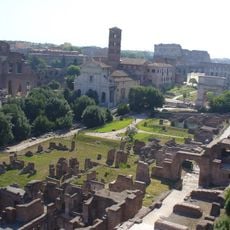
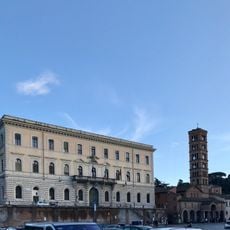
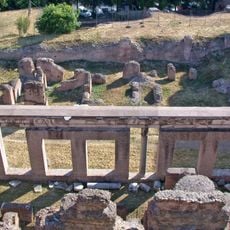
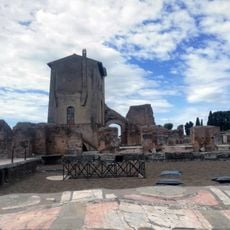
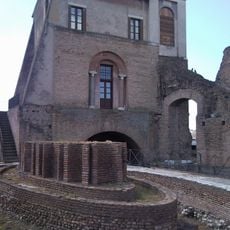
The archaeological site sits sixteen meters below the current ground level between the Temple of Magna Mater and the church of Sant'Anastasia al Palatino. Visitors cannot enter the location at present, but it remains the subject of archaeological research and is occasionally referenced in academic publications.
Archaeologists discovered the chamber in 2007 during maintenance work beneath the House of Augustus using a probe with a camera. The interior reaches a height of roughly eight meters and displays a white eagle motif on the ceiling that points to imperial craftsmanship.
The community of curious travelers
AroundUs brings together thousands of curated places, local tips, and hidden gems, enriched daily by 91,615 contributors worldwide.