Temple of Cybele, Archaeological site on Palatine Hill, Rome, Italy
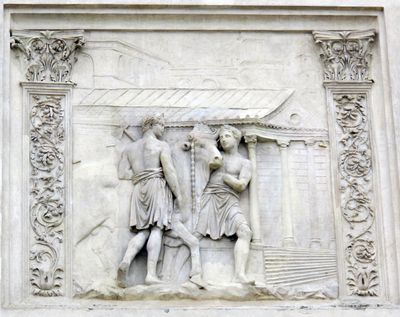
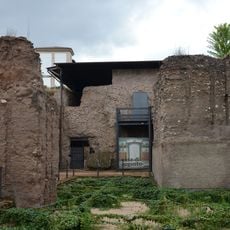
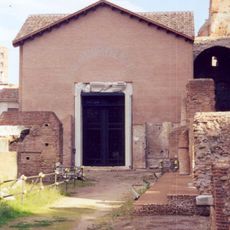
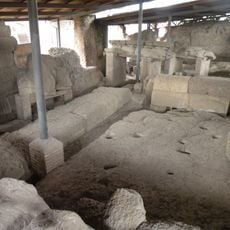
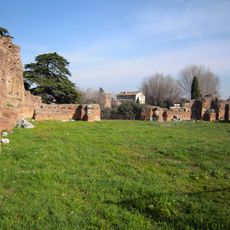
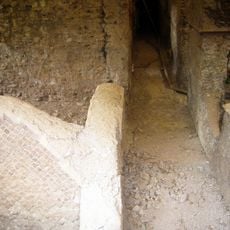
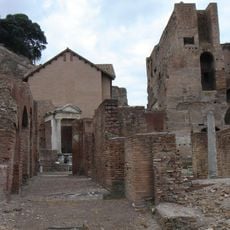
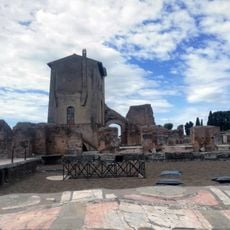
The Temple of Cybele sits on the western slope of Palatine Hill and was originally a substantial stone structure featuring Corinthian columns. Today only the foundation stones and scattered remains survive, nestled into the hillside as part of the broader archaeological layers.
The Romans built this sanctuary in 204 BCE to house a sacred black stone that arrived from Asia Minor during a major military conflict. It then became an important location for public religious ceremonies throughout the Roman period.
The temple served as a center for worship of the Mother Goddess, an Eastern deity adopted into Roman religious practice. People gathered here to participate in rituals that blended foreign traditions with Roman customs.
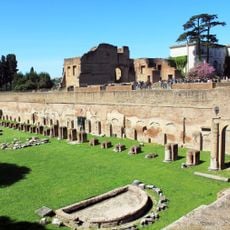
The temple is part of the Palatine archaeological area and can only be visited as part of the broader excavation site connected to the Roman Forum. It is best explored during daylight hours since the ruins are exposed to the weather, and paths can become difficult after rain.
The black meteorite at the center of the temple came from distant lands and served as proof to Romans of their goddess's power. Scholars believe this cosmic stone may explain why the sanctuary received such elaborate construction and carefully engineered foundations.
The community of curious travelers
AroundUs brings together thousands of curated places, local tips, and hidden gems, enriched daily by 91,333 contributors worldwide.