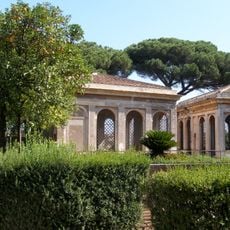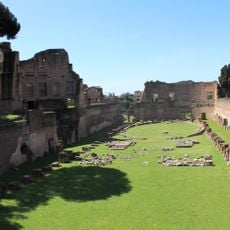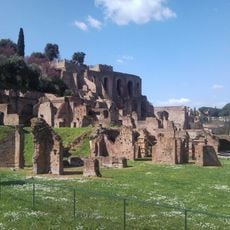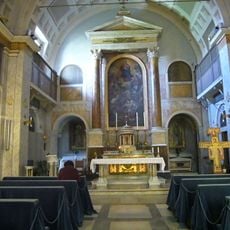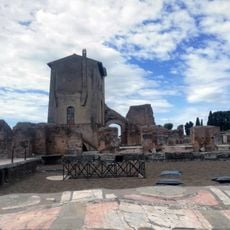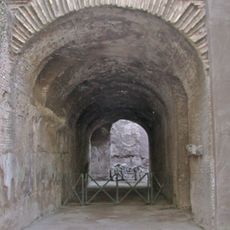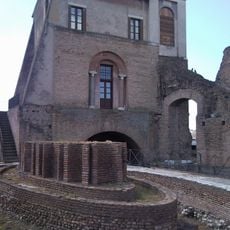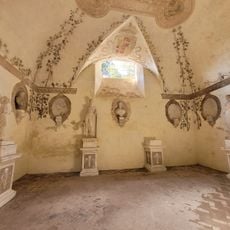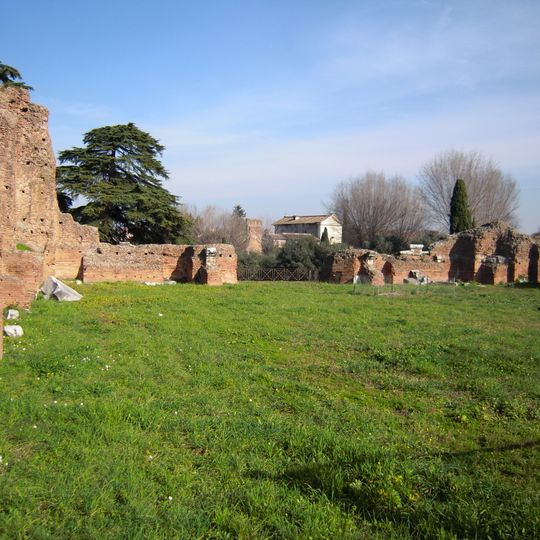
Aula regia, Ancient imperial reception hall on Palatine Hill, Rome, Italy.
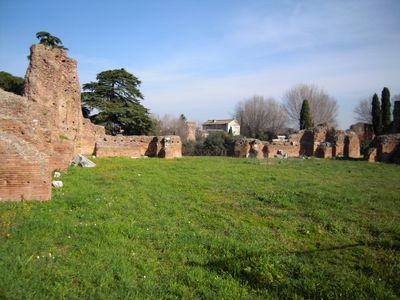
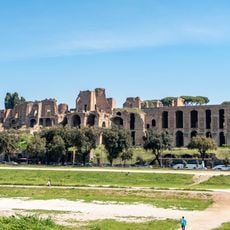
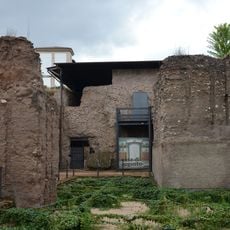
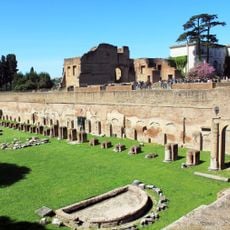
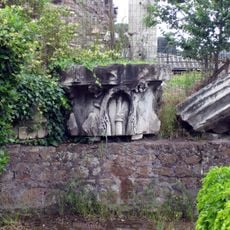
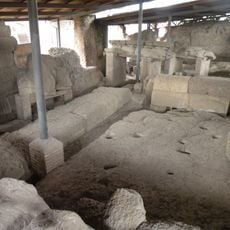
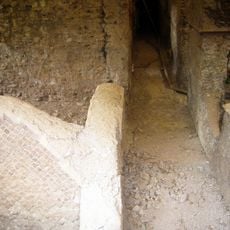
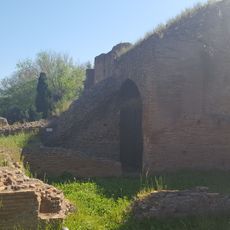
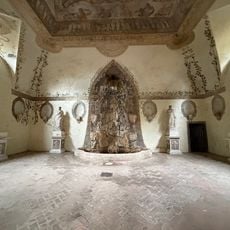
The Aula Regia is a grand reception hall from Emperor Domitian's palace complex on Palatine Hill, built with sturdy stone walls and niches designed to display impressive statuary. Eight large alcoves cut into the walls once held colossal figures that dominated the visual space.
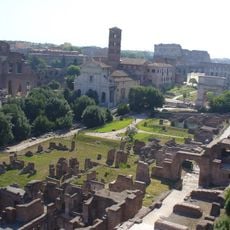
Emperor Domitian built this hall toward the end of the 1st century as the centerpiece of his new palace complex for conducting grand imperial receptions. The structure deteriorated after Rome's decline, and parts of it were buried beneath later construction on the Palatine.
The hall was a stage for imperial authority, where the emperor displayed his power to visiting dignitaries and important figures of the state. The grandeur of the space itself served as a message about Rome's dominance and the ruler's supreme position.
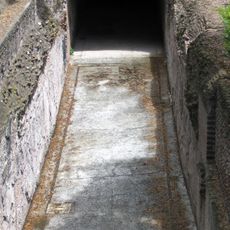
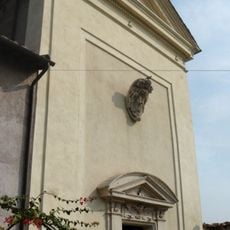
Access to the ruins comes from the pathways and staircases of Palatine Hill, where sturdy shoes are advisable due to uneven ground and ancient stone surfaces. The remains are partially enclosed by later structures, so visitors should allow time to locate and walk through the hall.
The hall was designed so that the colossal statues in the niches fragmented how visitors could move through and see the space, creating different viewing angles from various positions. This layout gave the emperor psychological and visual control over important audiences gathered before him.
The community of curious travelers
AroundUs brings together thousands of curated places, local tips, and hidden gems, enriched daily by 91,149 contributors worldwide.