Palatine Museum, Archaeological museum on Palatine Hill, Italy
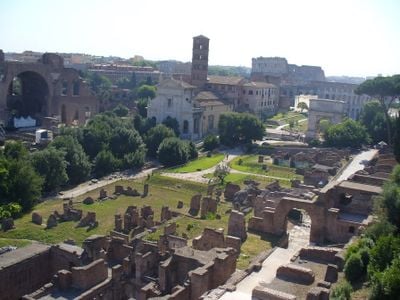
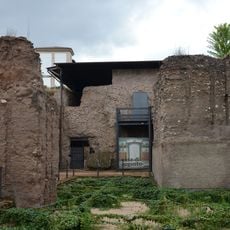
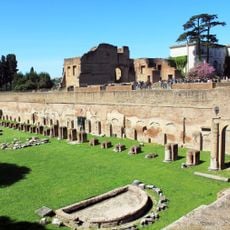
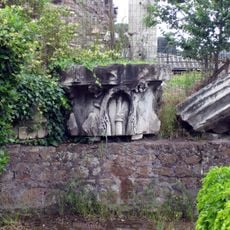
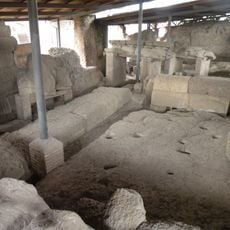
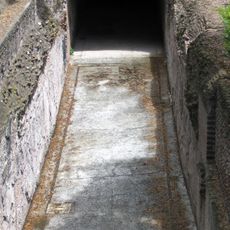
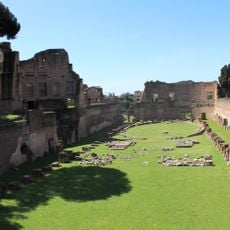
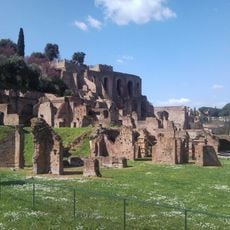
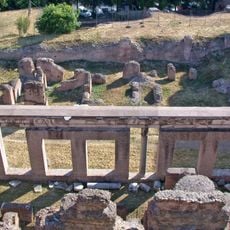
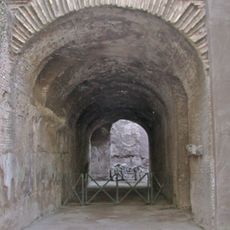
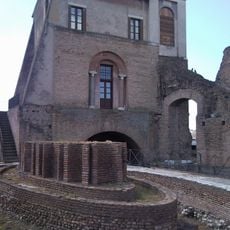
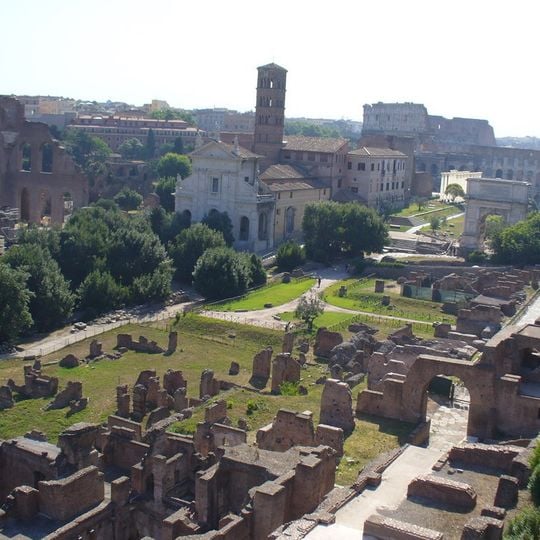
The Palatine Museum is an archaeological collection on Palatine Hill in Rome, housing artifacts from the imperial palaces and surrounding areas. The displays include sculptures, pottery, coins, and architectural elements spanning different periods of the city's past.
The museum was established in the 1800s near the House of Tiberius and later relocated in 1930 to improve access to the collection. This move allowed the artifacts to be displayed in a more organized and visible setting.
The collections show how artistic styles and daily life changed across different periods of ancient Rome. Visitors can trace these shifts through the objects displayed on different floors.
The museum can be visited daily until one hour before sunset with a ticket for the Colosseum Archaeological Park. Wearing comfortable shoes is important since the site is hilly with stairs and uneven surfaces.
The museum holds the Alexamenos graffito, an ancient carved stone showing an unusual religious scene from the early centuries. This rare artifact is one of few surviving records of early Christianity in Rome and intrigues visitors with its enigmatic imagery.
The community of curious travelers
AroundUs brings together thousands of curated places, local tips, and hidden gems, enriched daily by 92,771 contributors worldwide.