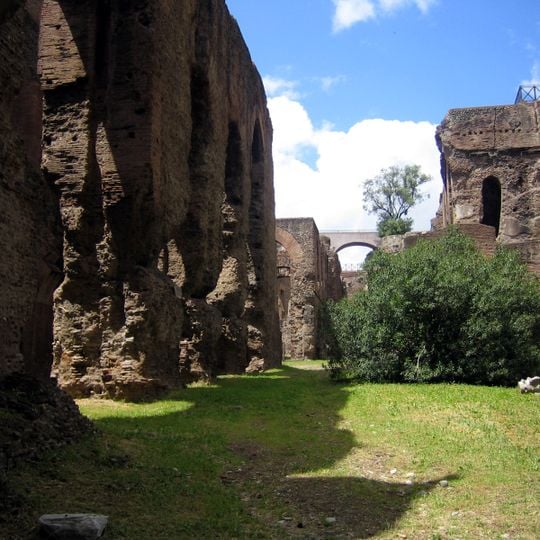
Domus Severiana, Ancient Roman structure on Palatine Hill, Rome, Italy
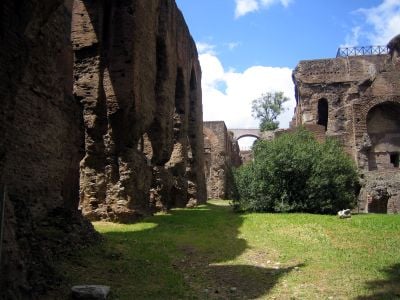
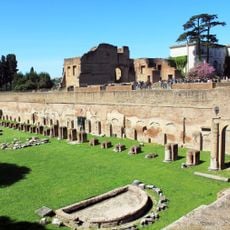
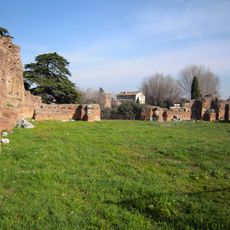
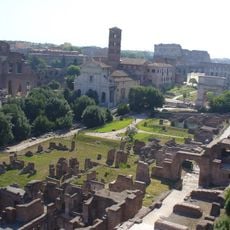
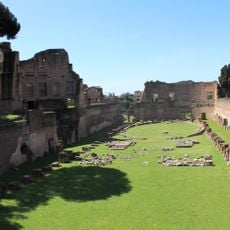
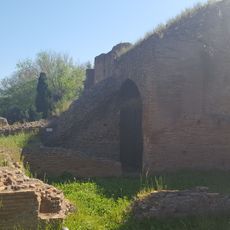
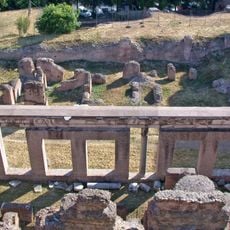
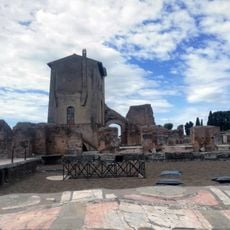
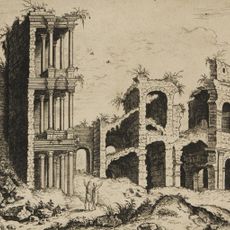
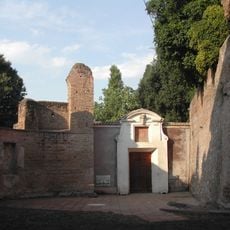
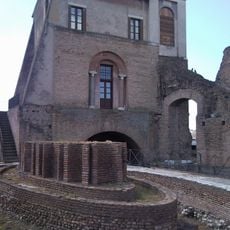
The Domus Severiana is an ancient Roman structure on the Palatine Hill in Rome, made up of large brick substructures that were built to form a raised platform over the natural slope of the hill. The upper floors, now mostly gone, once contained the private and ceremonial rooms of the imperial court, sitting well above the city below.
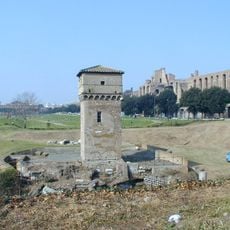
The complex was built under Emperor Septimius Severus at the end of the 2nd century and became the last major addition to the imperial palace on the Palatine. It was attached to the earlier Palace of Domitian, expanding the royal footprint southward toward the Circus Maximus.
The name Domus Severiana refers to the emperor who ordered its construction, Septimius Severus, whose African origins influenced the choice to face the building toward the Appian Way, the road arriving from the south. Visitors walking through the ruins today can observe how the terraced layout was designed to be seen from below, not just from within.
The site is part of the broader Palatine archaeological area and is reached through the same entrance used for the hill as a whole. The terrain is uneven, with steps and sloped surfaces, so sturdy footwear makes the visit much easier.
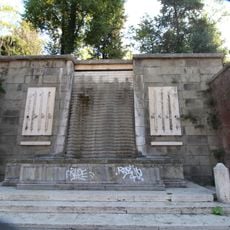
Right at the foot of the complex stood the Septizodium, a tall decorative facade built to impress travelers arriving on the Appian Way from the south, well before they reached the city center. Nothing of it stands today, but its outline can still be traced in the ground below the southern edge of the hill.
The community of curious travelers
AroundUs brings together thousands of curated places, local tips, and hidden gems, enriched daily by 92,586 contributors worldwide.