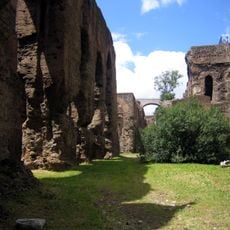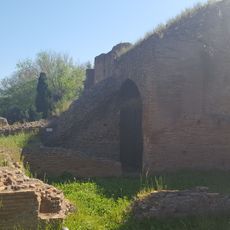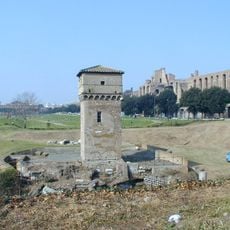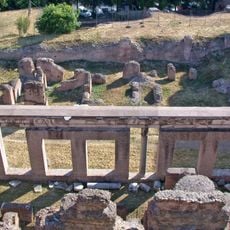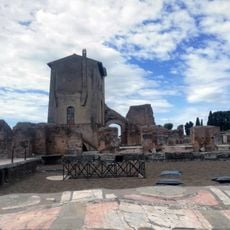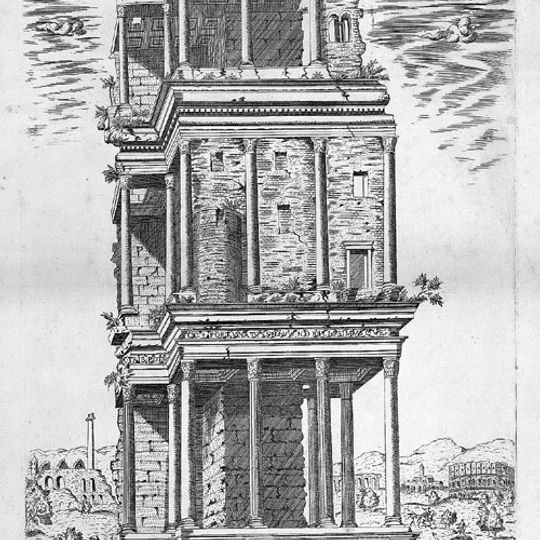
Septizodium, Ancient Roman nymphaeum at Palatine Hill, Rome, Italy.
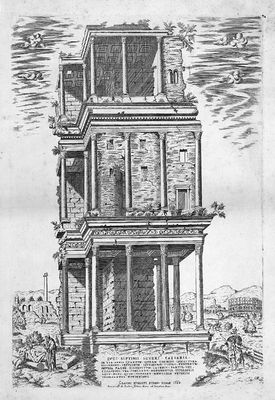
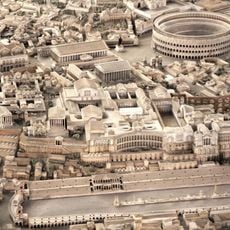
The Septizodium was an ancient Roman nymphaeum on the Palatine featuring three tiers with alternating projecting and recessed sections rising approximately 95 meters in length and 30 meters in height. The facade gleamed with granite and marble, creating an ornate display of stone and flowing water.
A Roman emperor commissioned this monumental fountain in the early 200s at a major intersection in Rome. Centuries later, church leaders ordered its demolition in the late 1500s, with a prominent architect carefully documenting every step of the removal.
The structure served as a grand gateway to the imperial residence while housing water features that delighted visitors, blending both formal and recreational functions in one monument.
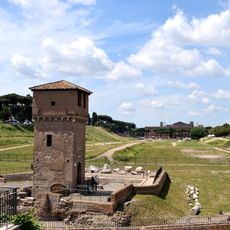
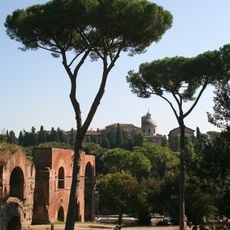
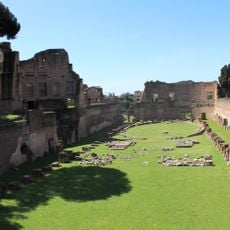
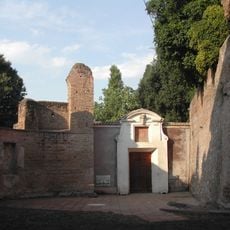
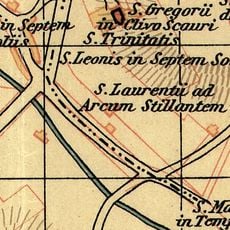
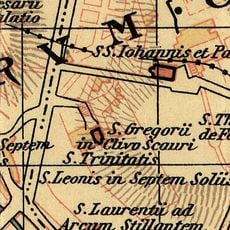
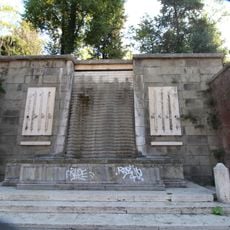
The structure once stood at the southeastern corner of the Palatine, where only its foundations remain today and require a map or guide to locate. Visitors exploring the Palatine should not overlook this area, as the remains form part of the hill's important archaeological layers.
Although only foundations remain today, detailed drawings from the 1500s show exactly how the structure looked and document each stone as it was removed. These historical records make it possible to mentally reconstruct the vanished monument.
The community of curious travelers
AroundUs brings together thousands of curated places, local tips, and hidden gems, enriched daily by 91,615 contributors worldwide.