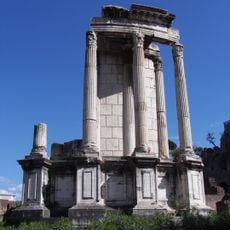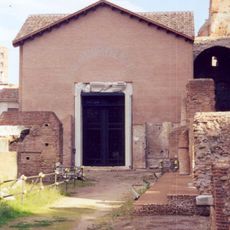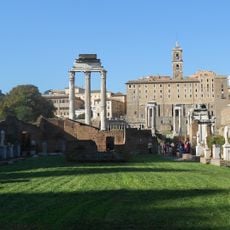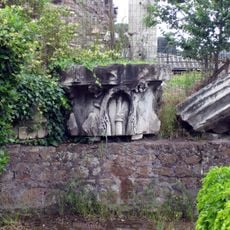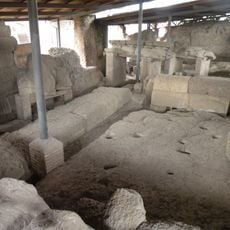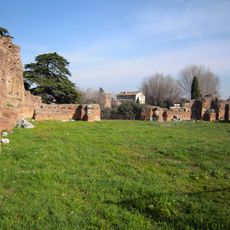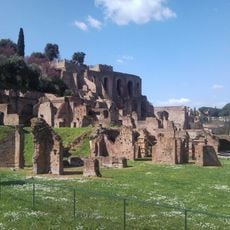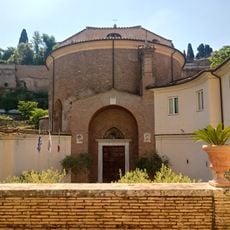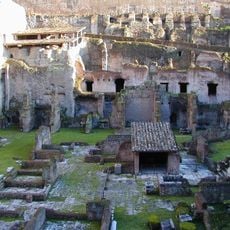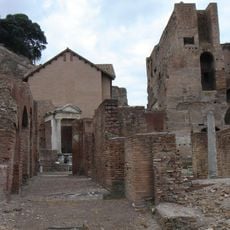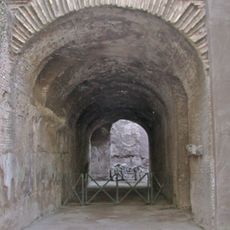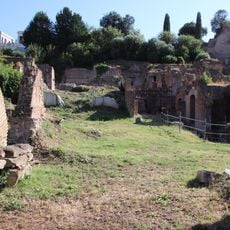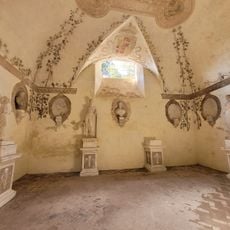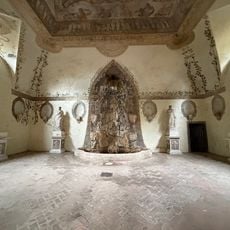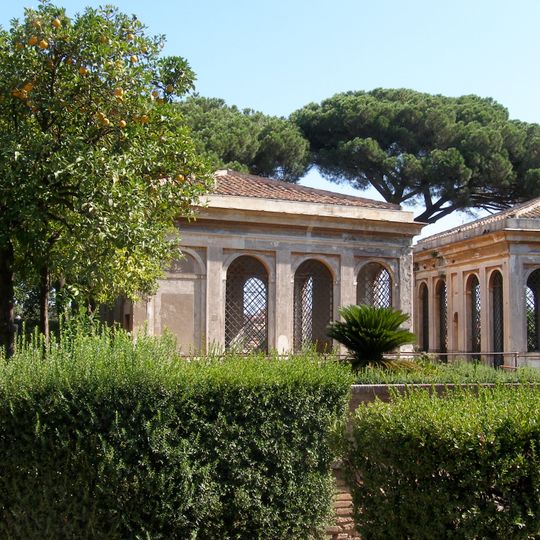
Farnese Gardens, Renaissance botanical garden and archaeological site on Palatine Hill, Rome, Italy.
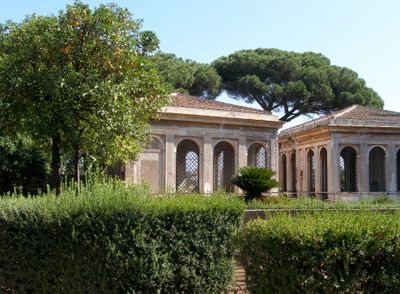
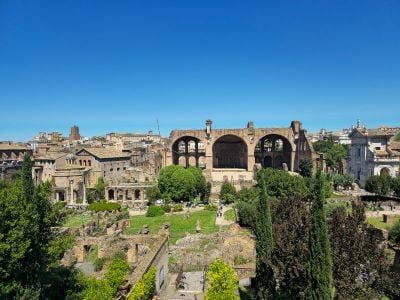
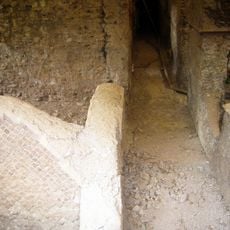
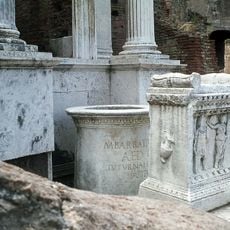
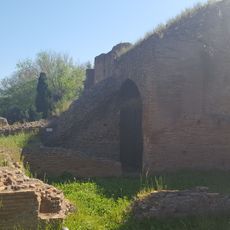
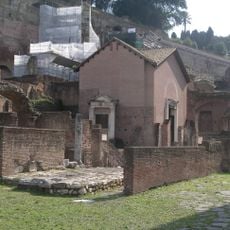
The Farnese Gardens are a Renaissance botanical garden and archaeological site on Palatine Hill in Rome, built across multiple terraces with pavilions, stairs, and ramps connecting the Roman Forum to the hilltop. The site blends ancient Roman ruins with garden architecture from the 16th century.
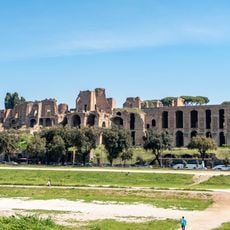
Cardinal Alessandro Farnese founded these gardens in 1550, building them over the ruins of Emperor Tiberius's palace on Palatine Hill. This project created Europe's first private botanical garden and marked a new approach to repurposing ancient Roman sites.
The garden displays classical design principles through its symmetrical layout and four quadrants arranged around a central fountain. Visitors can trace the hand of architect Giacomo Barozzi da Vignola in the paths, terraces, and overall structure that still define the space today.
The gardens are accessible through Palatine Hill entrances and can be explored together with the Roman Forum and nearby sites. Wear proper footwear, as the terrain is uneven with many steps and sloping paths throughout.
The plant species Acacia farnesiana and the chemical compound farnesol bear the Farnese name, both deriving from the botanical work conducted here. Few visitors realize that these scientific names keep the garden's legacy alive in modern science.
The community of curious travelers
AroundUs brings together thousands of curated places, local tips, and hidden gems, enriched daily by 90,777 contributors worldwide.