See the monuments around you in AROpen chests in the app
Around Us is built for your phone — point your camera at the streets and discover the monuments and places around you in augmented reality.Around Us is built for your phone — chests unlock when you walk, explore and capture nearby places.
Caves and rocky dwellings in Italy : karst landscapes, ancient settlements, and seaside grottos
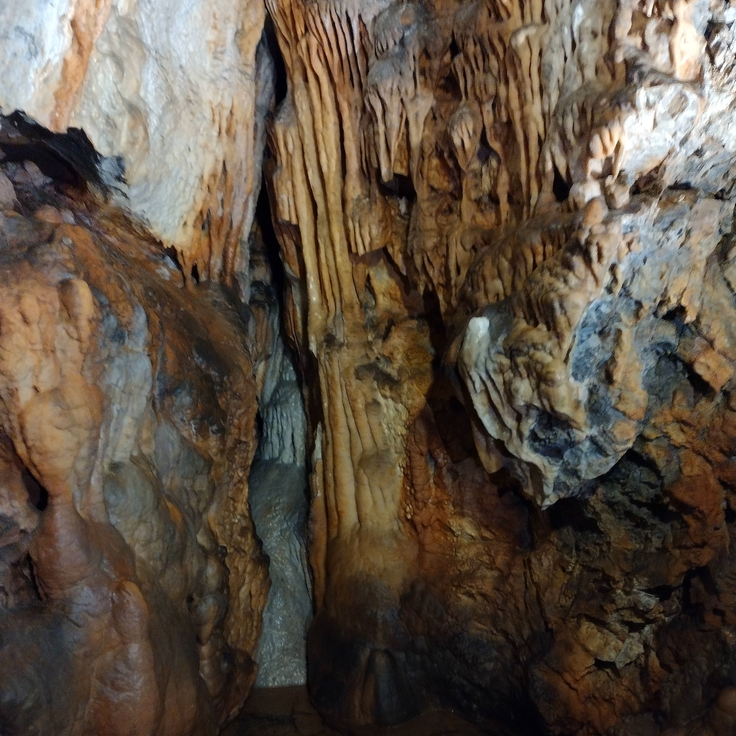
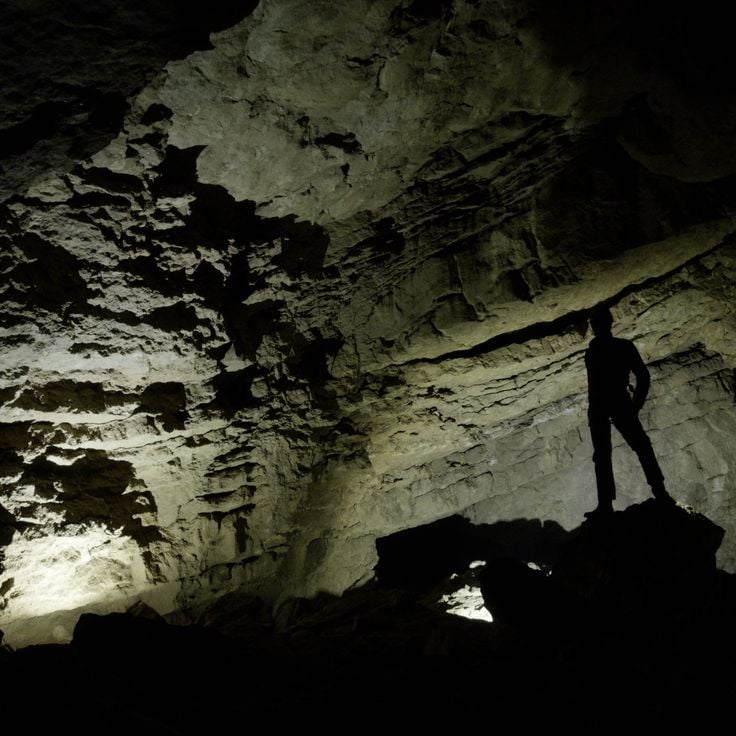
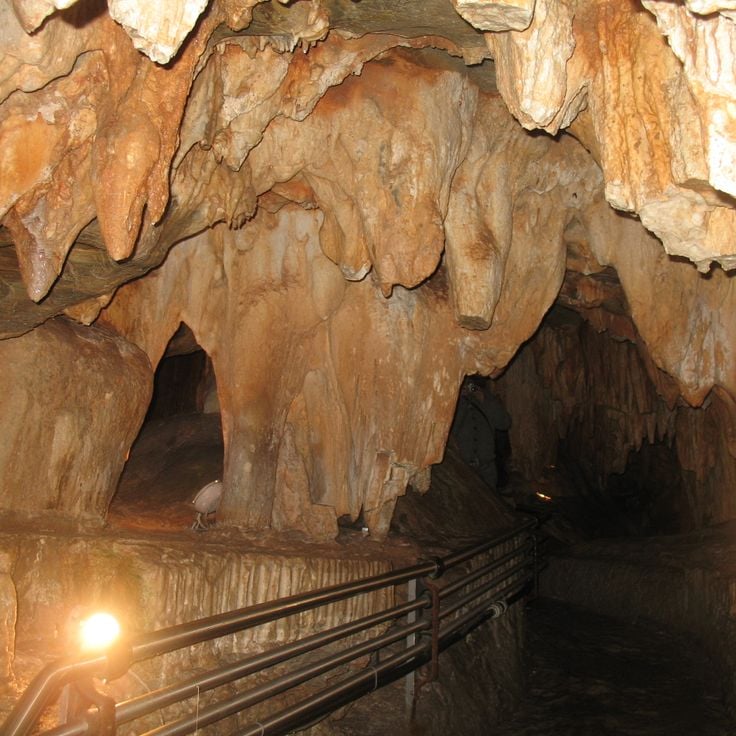
Italy holds some of Europe's most remarkable underground and seaside dwellings formed by nature over thousands of years. These homes exist in caves carved from limestone, hidden within cliffs overlooking the sea, and tucked into ancient rock shelters where people once sought protection and safety. From the northeast near Trieste to the southern tip of Puglia, you can find homes and settlements that tell stories of how humans adapted to the land and made these natural spaces their own.
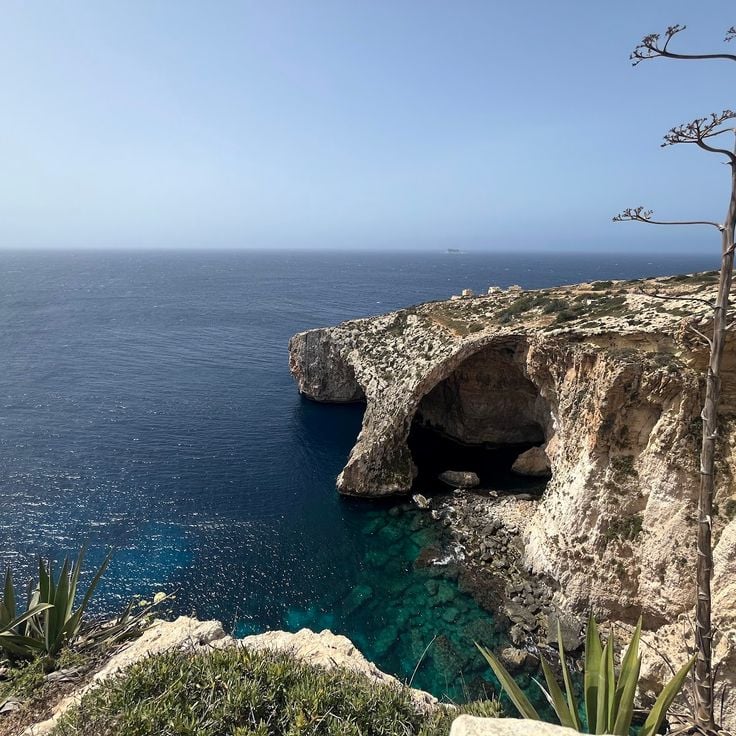
Visitors can explore the Grotte di Castellana, where massive chambers open up beneath rolling countryside, or visit the Grotta Gigante, one of the largest caverns you can walk through. Along the coasts, sea caves like the Blue Grotto near Capri reveal how water shaped the landscape over millennia, creating rooms filled with ethereal blue light. Other sites such as Grotta della Poesia and Zinzulusa Cave show where ancient peoples built homes directly into the rock, living in harmony with their surroundings for countless generations.
These caves and rock dwellings offer a window into how Italians lived before modern construction. You can see traces of human habitation, archaeological remains, and the engineering solutions people developed to live comfortably within stone. Walking through these spaces, you understand the deep connection between the Italian people and the land, where nature provided shelter (and communities thrived in places that seem almost frozen in time).
Caves and rocky dwellings in Italy : karst landscapes, ancient settlements, and seaside grottos
Italy holds some of Europe's most remarkable underground and seaside dwellings formed by nature over thousands of years. These homes exist in caves carved from limestone, hidden within cliffs overlooking the sea, and tucked into ancient rock shelters where people once sought protection and safety. From the northeast near Trieste to the southern tip of Puglia, you can find homes and settlements that tell stories of how humans adapted to the land and made these natural spaces their own.
Visitors can explore the Grotte di Castellana, where massive chambers open up beneath rolling countryside, or visit the Grotta Gigante, one of the largest caverns you can walk through. Along the coasts, sea caves like the Blue Grotto near Capri reveal how water shaped the landscape over millennia, creating rooms filled with ethereal blue light. Other sites such as Grotta della Poesia and Zinzulusa Cave show where ancient peoples built homes directly into the rock, living in harmony with their surroundings for countless generations.
These caves and rock dwellings offer a window into how Italians lived before modern construction. You can see traces of human habitation, archaeological remains, and the engineering solutions people developed to live comfortably within stone. Walking through these spaces, you understand the deep connection between the Italian people and the land, where nature provided shelter (and communities thrived in places that seem almost frozen in time).
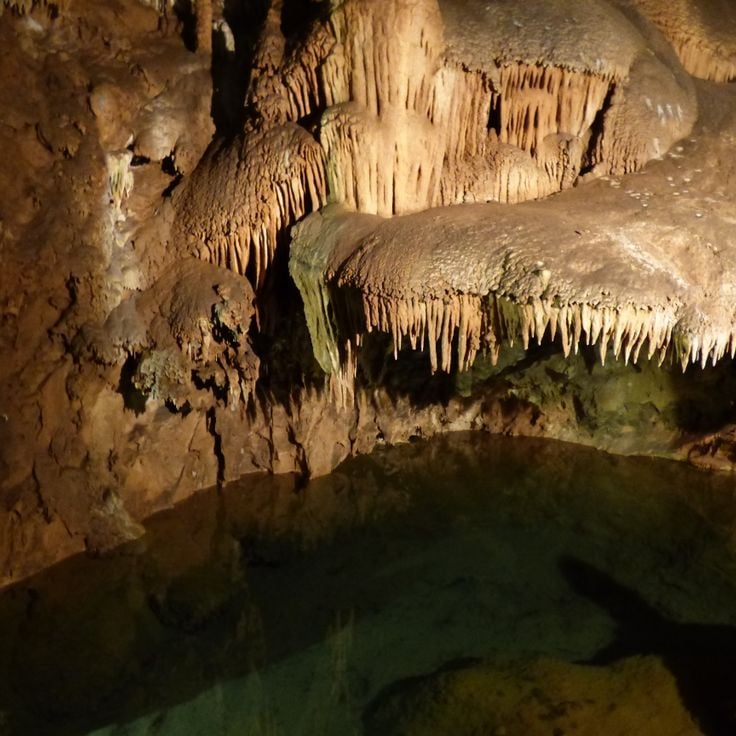
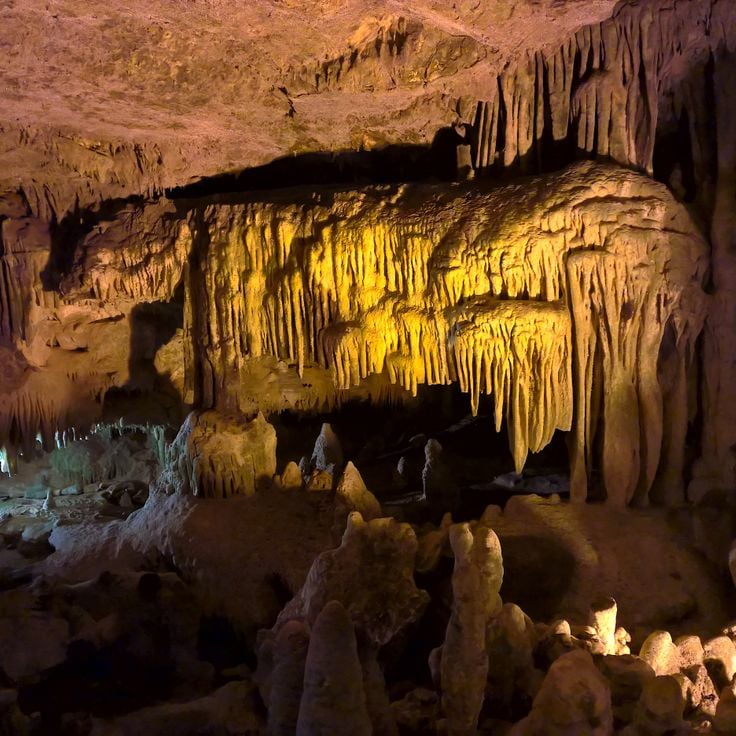
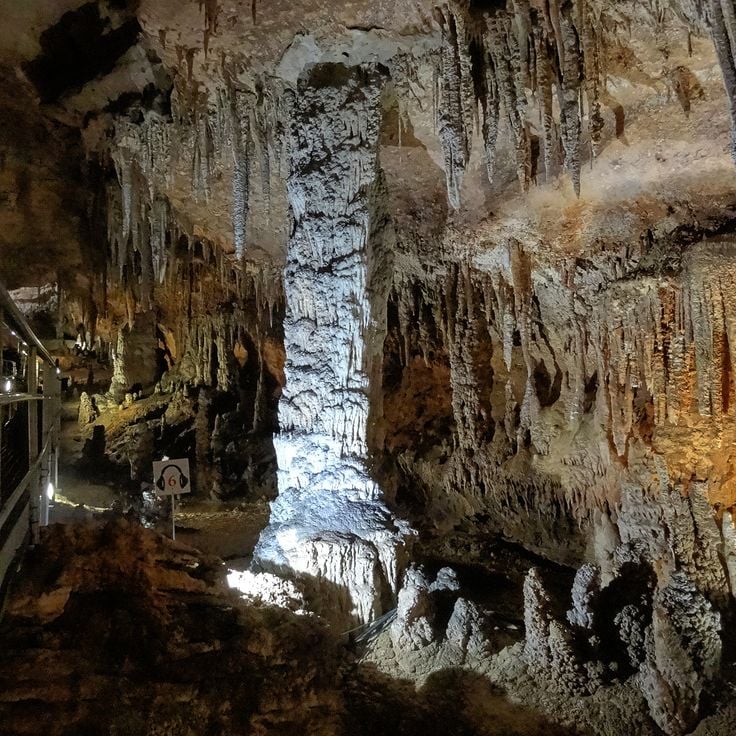
The Grotte di Castellana are karst caves that extend beneath the town of Castellana Grotte and rank among Europe's largest cave systems. Formed over thousands of years by water dissolving limestone, they contain massive chambers and underground lakes that show how natural forces shaped the landscape. Within this collection of Italian caves and rocky dwellings, Grotte di Castellana demonstrates how subterranean spaces provided shelter and drew human settlement throughout history.
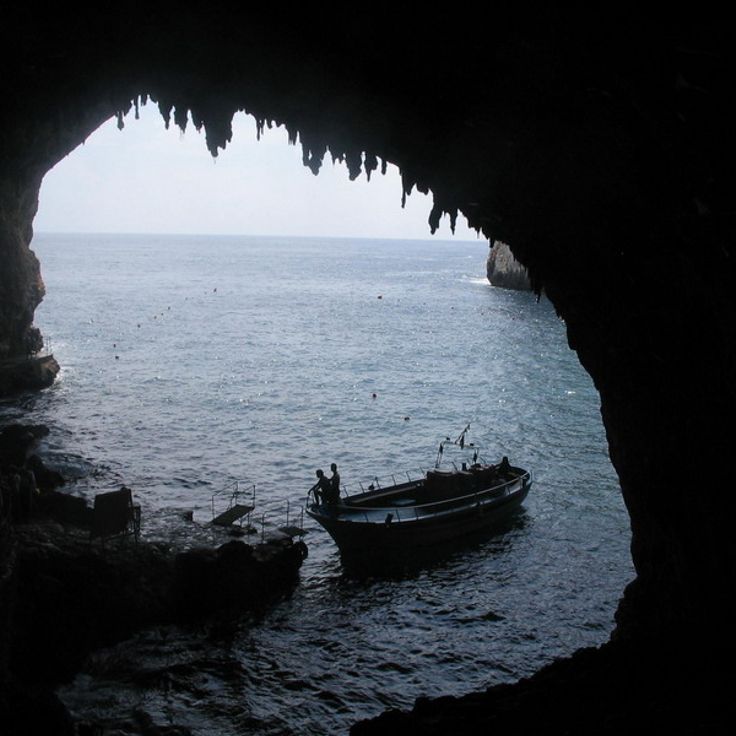
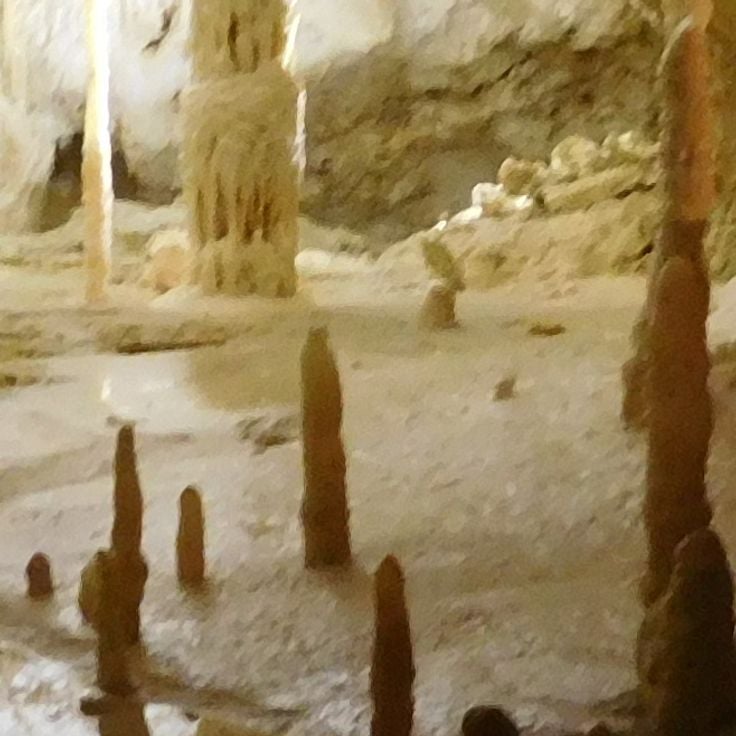
Zinzulusa Cave opens directly onto the Adriatic Sea, revealing how water has shaped limestone over thousands of years. Inside, stalactites hang from the ceiling and stalagmites rise from the floor, while salt water fills the lower chamber. This cave is part of Italy's karst landscapes and shows how ancient peoples made their homes in such natural spaces. The cave connects the story of early human settlement with the raw power of nature that carved these underground worlds.
The Grotta dei Cervi displays neolithic paintings of humans and animals on its walls, created with ochre and guano. This cave belongs to Italy's underground dwellings and tells the story of early human settlement in this region. The drawings offer insight into the lives and artistic traditions of people who lived in natural rock shelters thousands of years ago. They show how these early communities adapted to the land and made these natural spaces their own.
The Grotta del Fico represents the underground and seaside dwellings that shape this Italian collection. It features two entrances, one accessible by land and one by sea. Inside, freshwater lakes fill natural chambers, while mineral formations called speleothems cover the walls and ceilings. This cave shows how water carved through limestone over thousands of years, creating underground spaces that feel removed from the world above.
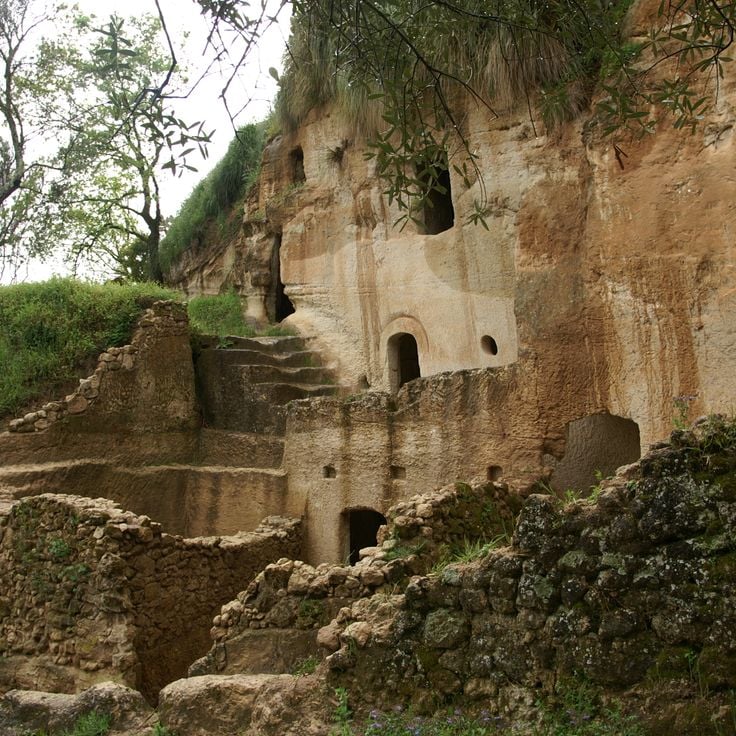
This rock settlement shows how people in the Scorrano area carved homes directly into the stone. The dwellings cut from the rock tell of a time when communities shaped their houses from nature itself, living in harmony with the land. The site is part of Italy's heritage of underground and rock dwellings that developed over thousands of years. Within the collection of caves and rocky dwellings across Italy, this settlement demonstrates how early inhabitants adapted to limestone terrain and built shelters that provided both safety and refuge.
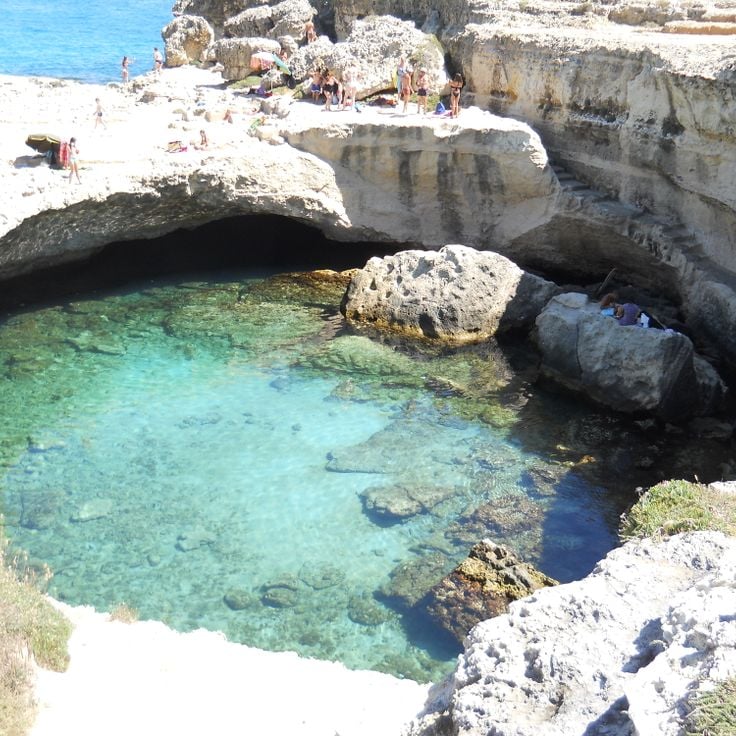
The Grotta della Poesia is a karst cave on the Adriatic coast formed by the collapse of an underground cavity ceiling, creating a natural pool filled with turquoise seawater. At this site within Italy's collection of caves and rocky dwellings, visitors can see how water shaped the landscape over thousands of years while learning about ancient peoples who built homes directly into the rock.
The Grotta Gigante is one of the world's largest show caves, located in the karst region near Trieste. Its main chamber reaches over 100 meters (328 feet) in height. This underground space demonstrates how water shaped limestone over thousands of years, creating chambers that people can explore and experience. The Grotta Gigante illustrates how nature provided shelter and remarkable spaces within the Italian landscape for human use and discovery.
The Frassassi Caves are part of this collection of Italian caves and rock dwellings, showcasing how nature has shaped underground landscapes over thousands of years. These caves extend over several kilometers and contain large chambers with stalactites, stalagmites, and underground lakes. Visitors can walk through massive rooms deep beneath the earth and understand how people used these natural spaces. The Frassassi Caves reveal the connection between humans and stone, showing the power of water that has sculpted this underground world over long periods of time.
The Blue Grotto on Capri is a sea cave that opens at the base of a cliff. Sunlight enters through the water, creating blue reflections within the cavern. It belongs to Italy's collection of underground and seaside dwellings shaped by nature over thousands of years. This cave shows how water transformed the landscape and created rooms filled with light. Visitors can see the natural forces that formed such spaces and experience the beauty found in these stone chambers.
The Grotta dell'Angelo shows how water shapes limestone and creates cave chambers over thousands of years. The Negro River flows through the underground passages, and visitors travel by boat along this subterranean water course. As you move through the cave, you see how water continuously carves new passages and smooths the rock walls. The Grotta dell'Angelo demonstrates the slow work of nature in building these underground spaces.
Grotte del Caglieron is a system of natural and artificial caves carved into sandstone. Within this collection of caves and rocky dwellings in Italy, this site shows how people adapted to the land by extracting stone for construction. Since the 16th century, quarrying has shaped these underground spaces, creating a network of chambers that reveals the deep connection between the Italian people and their natural surroundings.
The Pastena Caves are part of Italy's underground dwellings, revealing how people made homes in natural stone spaces since Bronze Age times. This cave system features underground lakes and geological formations shaped over thousands of years by water and earth movements. Bronze Age archaeological findings show that early communities lived here, adapting to life within the rock. Walking through these chambers, visitors can see how humans used natural shelters and carved out spaces to survive and thrive in harmony with their surroundings.
The Grotte dei Dossi are part of Italy's karst cave systems and show how nature carved underground spaces over thousands of years. This cave consists of several chambers with mineral deposits in varying color tones. Located in a wooded area, the Grotte dei Dossi demonstrates how people once sought shelter in stone rooms and learned to live within them. It offers a window into the history of human adaptation to the land.
The Buso della Rana is an extensive cave system in the Venetian Prealps and part of this collection of Italy's underground dwellings and rock formations shaped by nature. This cave extends through limestone with passages that run for kilometers and contains underground water courses created by karst processes over thousands of years. The site demonstrates how nature carved out complex underground spaces that have captured human curiosity and exploration.
The Toirano Caves are part of this collection of underground dwellings and reveal how water and time shaped limestone formations over thousands of years. Within these natural chambers, visitors find traces of prehistoric peoples and remains of Pleistocene cave bears that once took shelter here. Walking through these caves offers insight into how early humans adapted to living in stone shelters and made use of the natural landscape for survival.
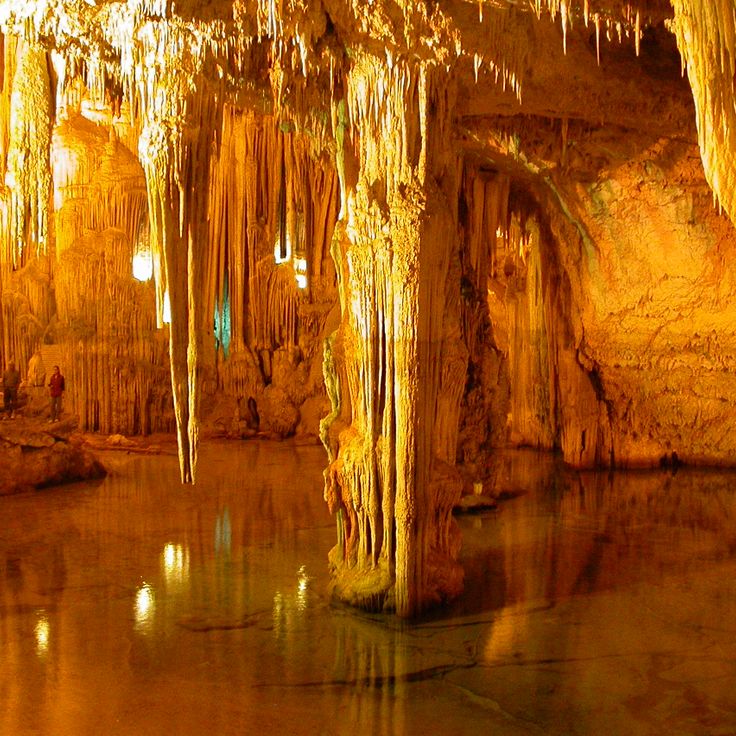
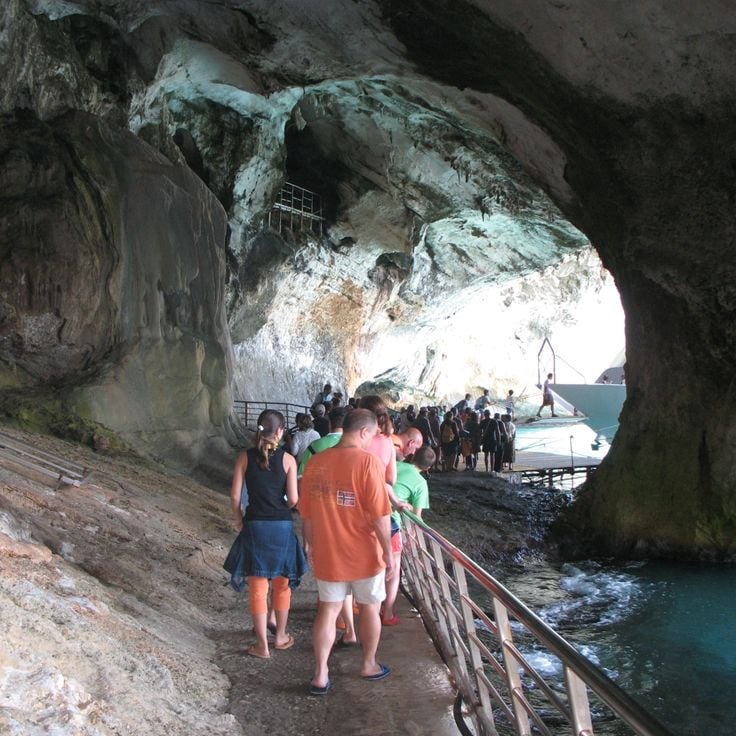
Neptune's Grotto is part of a collection of underground and seaside dwellings in Italy that nature has shaped over thousands of years. This sea cave on the northwest coast of Sardinia shows limestone formations with columns and stalactites. The grotto demonstrates how water shaped the Italian landscape and created natural spaces that people have used since ancient times. Visitors can reach the cave by boat or via a staircase carved into the cliff.
The Grotte del Bue Marino in Dorgali is a karst cave within this collection of Italian rock dwellings and demonstrates how nature carved out spaces over thousands of years where humans and animals coexisted. This cave holds Neolithic wall paintings and once served as a home for Mediterranean monk seals. The images on the walls tell the story of early people who lived in this region and their relationship with this underground world.
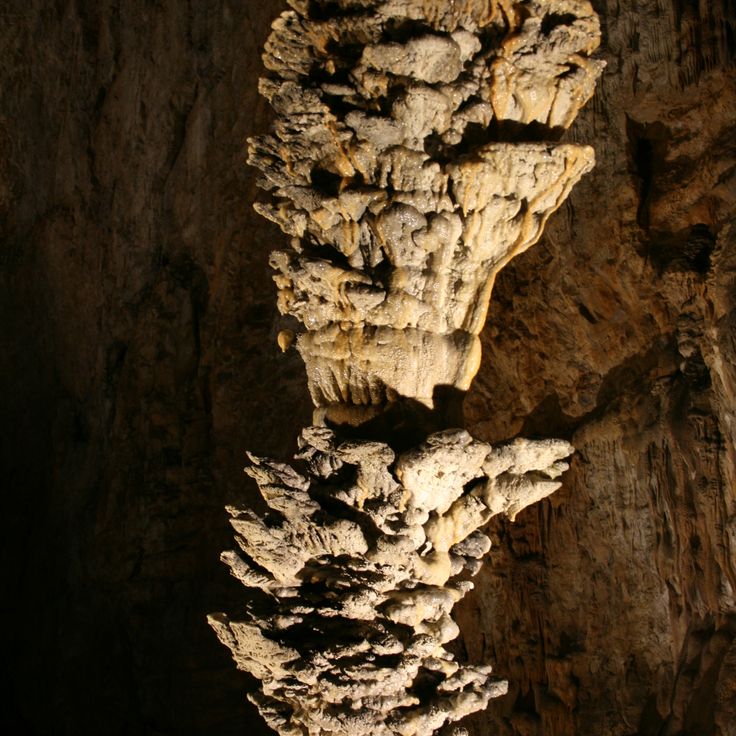
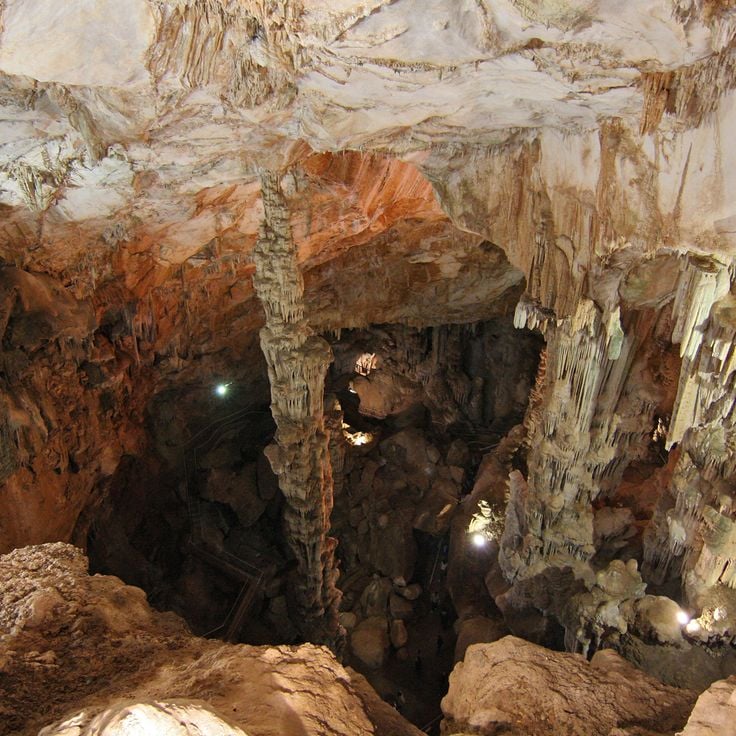
The Grotta di Ispinigoli is a cave within this collection of underground dwellings and natural rock formations found across Italy. A striking calcite column rises about 38 meters high in the main chamber, while the primary shaft descends roughly 280 meters underground. This cave reveals how water shaped the stone over thousands of years and demonstrates the scale of formations that exist beneath the surface.
Su Mannau Cave in Fluminimaggiore is part of Italy's underground dwellings and karst formations. It contains several spacious chambers where stalactites and stalagmites were shaped by water dripping through the rock over thousands of years. An underground river runs through the entire cave system, creating the rooms where people once sought shelter and built their lives.
The Grotte di Castellana are karst caves that extend beneath the town of Castellana Grotte and rank among Europe's largest cave systems. Formed over thousands of years by water dissolving limestone, they contain massive chambers and underground lakes that show how natural forces shaped the landscape. Within this collection of Italian caves and rocky dwellings, Grotte di Castellana demonstrates how subterranean spaces provided shelter and drew human settlement throughout history.
Zinzulusa Cave opens directly onto the Adriatic Sea, revealing how water has shaped limestone over thousands of years. Inside, stalactites hang from the ceiling and stalagmites rise from the floor, while salt water fills the lower chamber. This cave is part of Italy's karst landscapes and shows how ancient peoples made their homes in such natural spaces. The cave connects the story of early human settlement with the raw power of nature that carved these underground worlds.
The Grotta dei Cervi displays neolithic paintings of humans and animals on its walls, created with ochre and guano. This cave belongs to Italy's underground dwellings and tells the story of early human settlement in this region. The drawings offer insight into the lives and artistic traditions of people who lived in natural rock shelters thousands of years ago. They show how these early communities adapted to the land and made these natural spaces their own.
The Grotta del Fico represents the underground and seaside dwellings that shape this Italian collection. It features two entrances, one accessible by land and one by sea. Inside, freshwater lakes fill natural chambers, while mineral formations called speleothems cover the walls and ceilings. This cave shows how water carved through limestone over thousands of years, creating underground spaces that feel removed from the world above.
This rock settlement shows how people in the Scorrano area carved homes directly into the stone. The dwellings cut from the rock tell of a time when communities shaped their houses from nature itself, living in harmony with the land. The site is part of Italy's heritage of underground and rock dwellings that developed over thousands of years. Within the collection of caves and rocky dwellings across Italy, this settlement demonstrates how early inhabitants adapted to limestone terrain and built shelters that provided both safety and refuge.
The Grotta della Poesia is a karst cave on the Adriatic coast formed by the collapse of an underground cavity ceiling, creating a natural pool filled with turquoise seawater. At this site within Italy's collection of caves and rocky dwellings, visitors can see how water shaped the landscape over thousands of years while learning about ancient peoples who built homes directly into the rock.
The Grotta Gigante is one of the world's largest show caves, located in the karst region near Trieste. Its main chamber reaches over 100 meters (328 feet) in height. This underground space demonstrates how water shaped limestone over thousands of years, creating chambers that people can explore and experience. The Grotta Gigante illustrates how nature provided shelter and remarkable spaces within the Italian landscape for human use and discovery.
The Frassassi Caves are part of this collection of Italian caves and rock dwellings, showcasing how nature has shaped underground landscapes over thousands of years. These caves extend over several kilometers and contain large chambers with stalactites, stalagmites, and underground lakes. Visitors can walk through massive rooms deep beneath the earth and understand how people used these natural spaces. The Frassassi Caves reveal the connection between humans and stone, showing the power of water that has sculpted this underground world over long periods of time.
The Blue Grotto on Capri is a sea cave that opens at the base of a cliff. Sunlight enters through the water, creating blue reflections within the cavern. It belongs to Italy's collection of underground and seaside dwellings shaped by nature over thousands of years. This cave shows how water transformed the landscape and created rooms filled with light. Visitors can see the natural forces that formed such spaces and experience the beauty found in these stone chambers.
The Grotta dell'Angelo shows how water shapes limestone and creates cave chambers over thousands of years. The Negro River flows through the underground passages, and visitors travel by boat along this subterranean water course. As you move through the cave, you see how water continuously carves new passages and smooths the rock walls. The Grotta dell'Angelo demonstrates the slow work of nature in building these underground spaces.
Grotte del Caglieron is a system of natural and artificial caves carved into sandstone. Within this collection of caves and rocky dwellings in Italy, this site shows how people adapted to the land by extracting stone for construction. Since the 16th century, quarrying has shaped these underground spaces, creating a network of chambers that reveals the deep connection between the Italian people and their natural surroundings.
The Pastena Caves are part of Italy's underground dwellings, revealing how people made homes in natural stone spaces since Bronze Age times. This cave system features underground lakes and geological formations shaped over thousands of years by water and earth movements. Bronze Age archaeological findings show that early communities lived here, adapting to life within the rock. Walking through these chambers, visitors can see how humans used natural shelters and carved out spaces to survive and thrive in harmony with their surroundings.
The Grotte dei Dossi are part of Italy's karst cave systems and show how nature carved underground spaces over thousands of years. This cave consists of several chambers with mineral deposits in varying color tones. Located in a wooded area, the Grotte dei Dossi demonstrates how people once sought shelter in stone rooms and learned to live within them. It offers a window into the history of human adaptation to the land.
The Buso della Rana is an extensive cave system in the Venetian Prealps and part of this collection of Italy's underground dwellings and rock formations shaped by nature. This cave extends through limestone with passages that run for kilometers and contains underground water courses created by karst processes over thousands of years. The site demonstrates how nature carved out complex underground spaces that have captured human curiosity and exploration.
The Toirano Caves are part of this collection of underground dwellings and reveal how water and time shaped limestone formations over thousands of years. Within these natural chambers, visitors find traces of prehistoric peoples and remains of Pleistocene cave bears that once took shelter here. Walking through these caves offers insight into how early humans adapted to living in stone shelters and made use of the natural landscape for survival.
Neptune's Grotto is part of a collection of underground and seaside dwellings in Italy that nature has shaped over thousands of years. This sea cave on the northwest coast of Sardinia shows limestone formations with columns and stalactites. The grotto demonstrates how water shaped the Italian landscape and created natural spaces that people have used since ancient times. Visitors can reach the cave by boat or via a staircase carved into the cliff.
The Grotte del Bue Marino in Dorgali is a karst cave within this collection of Italian rock dwellings and demonstrates how nature carved out spaces over thousands of years where humans and animals coexisted. This cave holds Neolithic wall paintings and once served as a home for Mediterranean monk seals. The images on the walls tell the story of early people who lived in this region and their relationship with this underground world.
The Grotta di Ispinigoli is a cave within this collection of underground dwellings and natural rock formations found across Italy. A striking calcite column rises about 38 meters high in the main chamber, while the primary shaft descends roughly 280 meters underground. This cave reveals how water shaped the stone over thousands of years and demonstrates the scale of formations that exist beneath the surface.
Su Mannau Cave in Fluminimaggiore is part of Italy's underground dwellings and karst formations. It contains several spacious chambers where stalactites and stalagmites were shaped by water dripping through the rock over thousands of years. An underground river runs through the entire cave system, creating the rooms where people once sought shelter and built their lives.
The Grotte di Castellana are karst caves that extend beneath the town of Castellana Grotte and rank among Europe's largest cave systems. Formed over thousands of years by water dissolving limestone, they contain massive chambers and underground lakes that show how natural forces shaped the landscape. Within this collection of Italian caves and rocky dwellings, Grotte di Castellana demonstrates how subterranean spaces provided shelter and drew human settlement throughout history.
Zinzulusa Cave opens directly onto the Adriatic Sea, revealing how water has shaped limestone over thousands of years. Inside, stalactites hang from the ceiling and stalagmites rise from the floor, while salt water fills the lower chamber. This cave is part of Italy's karst landscapes and shows how ancient peoples made their homes in such natural spaces. The cave connects the story of early human settlement with the raw power of nature that carved these underground worlds.
The Grotta dei Cervi displays neolithic paintings of humans and animals on its walls, created with ochre and guano. This cave belongs to Italy's underground dwellings and tells the story of early human settlement in this region. The drawings offer insight into the lives and artistic traditions of people who lived in natural rock shelters thousands of years ago. They show how these early communities adapted to the land and made these natural spaces their own.
The Grotta del Fico represents the underground and seaside dwellings that shape this Italian collection. It features two entrances, one accessible by land and one by sea. Inside, freshwater lakes fill natural chambers, while mineral formations called speleothems cover the walls and ceilings. This cave shows how water carved through limestone over thousands of years, creating underground spaces that feel removed from the world above.
This rock settlement shows how people in the Scorrano area carved homes directly into the stone. The dwellings cut from the rock tell of a time when communities shaped their houses from nature itself, living in harmony with the land. The site is part of Italy's heritage of underground and rock dwellings that developed over thousands of years. Within the collection of caves and rocky dwellings across Italy, this settlement demonstrates how early inhabitants adapted to limestone terrain and built shelters that provided both safety and refuge.
The Grotta della Poesia is a karst cave on the Adriatic coast formed by the collapse of an underground cavity ceiling, creating a natural pool filled with turquoise seawater. At this site within Italy's collection of caves and rocky dwellings, visitors can see how water shaped the landscape over thousands of years while learning about ancient peoples who built homes directly into the rock.
The Grotta Gigante is one of the world's largest show caves, located in the karst region near Trieste. Its main chamber reaches over 100 meters (328 feet) in height. This underground space demonstrates how water shaped limestone over thousands of years, creating chambers that people can explore and experience. The Grotta Gigante illustrates how nature provided shelter and remarkable spaces within the Italian landscape for human use and discovery.
The Frassassi Caves are part of this collection of Italian caves and rock dwellings, showcasing how nature has shaped underground landscapes over thousands of years. These caves extend over several kilometers and contain large chambers with stalactites, stalagmites, and underground lakes. Visitors can walk through massive rooms deep beneath the earth and understand how people used these natural spaces. The Frassassi Caves reveal the connection between humans and stone, showing the power of water that has sculpted this underground world over long periods of time.
The Blue Grotto on Capri is a sea cave that opens at the base of a cliff. Sunlight enters through the water, creating blue reflections within the cavern. It belongs to Italy's collection of underground and seaside dwellings shaped by nature over thousands of years. This cave shows how water transformed the landscape and created rooms filled with light. Visitors can see the natural forces that formed such spaces and experience the beauty found in these stone chambers.
The Grotta dell'Angelo shows how water shapes limestone and creates cave chambers over thousands of years. The Negro River flows through the underground passages, and visitors travel by boat along this subterranean water course. As you move through the cave, you see how water continuously carves new passages and smooths the rock walls. The Grotta dell'Angelo demonstrates the slow work of nature in building these underground spaces.
Grotte del Caglieron is a system of natural and artificial caves carved into sandstone. Within this collection of caves and rocky dwellings in Italy, this site shows how people adapted to the land by extracting stone for construction. Since the 16th century, quarrying has shaped these underground spaces, creating a network of chambers that reveals the deep connection between the Italian people and their natural surroundings.
The Pastena Caves are part of Italy's underground dwellings, revealing how people made homes in natural stone spaces since Bronze Age times. This cave system features underground lakes and geological formations shaped over thousands of years by water and earth movements. Bronze Age archaeological findings show that early communities lived here, adapting to life within the rock. Walking through these chambers, visitors can see how humans used natural shelters and carved out spaces to survive and thrive in harmony with their surroundings.
The Grotte dei Dossi are part of Italy's karst cave systems and show how nature carved underground spaces over thousands of years. This cave consists of several chambers with mineral deposits in varying color tones. Located in a wooded area, the Grotte dei Dossi demonstrates how people once sought shelter in stone rooms and learned to live within them. It offers a window into the history of human adaptation to the land.
The Buso della Rana is an extensive cave system in the Venetian Prealps and part of this collection of Italy's underground dwellings and rock formations shaped by nature. This cave extends through limestone with passages that run for kilometers and contains underground water courses created by karst processes over thousands of years. The site demonstrates how nature carved out complex underground spaces that have captured human curiosity and exploration.
The Toirano Caves are part of this collection of underground dwellings and reveal how water and time shaped limestone formations over thousands of years. Within these natural chambers, visitors find traces of prehistoric peoples and remains of Pleistocene cave bears that once took shelter here. Walking through these caves offers insight into how early humans adapted to living in stone shelters and made use of the natural landscape for survival.
Neptune's Grotto is part of a collection of underground and seaside dwellings in Italy that nature has shaped over thousands of years. This sea cave on the northwest coast of Sardinia shows limestone formations with columns and stalactites. The grotto demonstrates how water shaped the Italian landscape and created natural spaces that people have used since ancient times. Visitors can reach the cave by boat or via a staircase carved into the cliff.
The Grotte del Bue Marino in Dorgali is a karst cave within this collection of Italian rock dwellings and demonstrates how nature carved out spaces over thousands of years where humans and animals coexisted. This cave holds Neolithic wall paintings and once served as a home for Mediterranean monk seals. The images on the walls tell the story of early people who lived in this region and their relationship with this underground world.
The Grotta di Ispinigoli is a cave within this collection of underground dwellings and natural rock formations found across Italy. A striking calcite column rises about 38 meters high in the main chamber, while the primary shaft descends roughly 280 meters underground. This cave reveals how water shaped the stone over thousands of years and demonstrates the scale of formations that exist beneath the surface.
Su Mannau Cave in Fluminimaggiore is part of Italy's underground dwellings and karst formations. It contains several spacious chambers where stalactites and stalagmites were shaped by water dripping through the rock over thousands of years. An underground river runs through the entire cave system, creating the rooms where people once sought shelter and built their lives.