See the monuments around you in AROpen chests in the app
Around Us is built for your phone — point your camera at the streets and discover the monuments and places around you in augmented reality.Around Us is built for your phone — chests unlock when you walk, explore and capture nearby places.
Sardinia preserves traces of human settlement across thousands of years. The island presents prehistoric cult sites including sacred wells and burial mounds that show ancient rituals. Nuraghe towers from the Bronze Age still rise above the landscape, while Roman theaters and Punic temples mark later civilizations. Underground tombs carved directly into rock lie hidden in the hills. Mountain villages carry modern wall murals that tell political and social history.
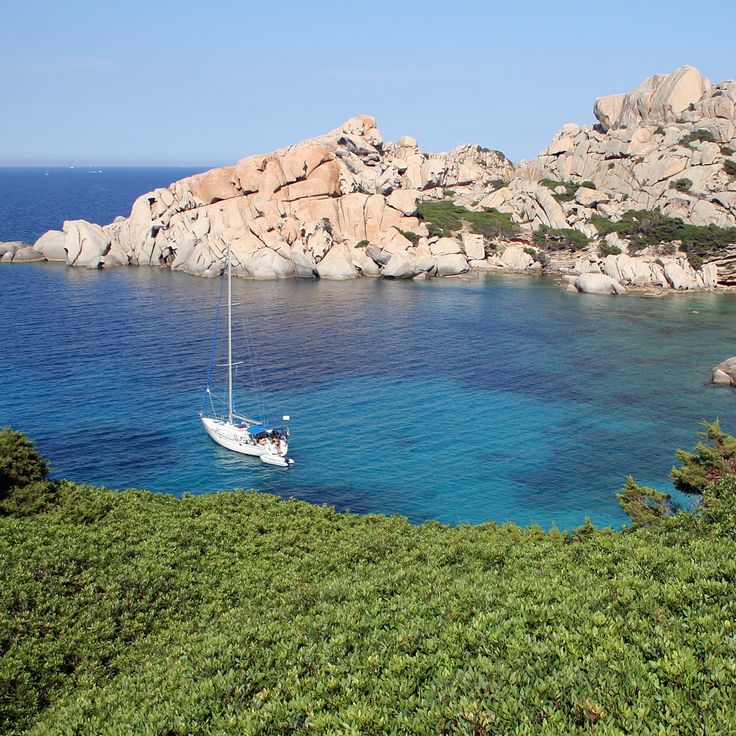
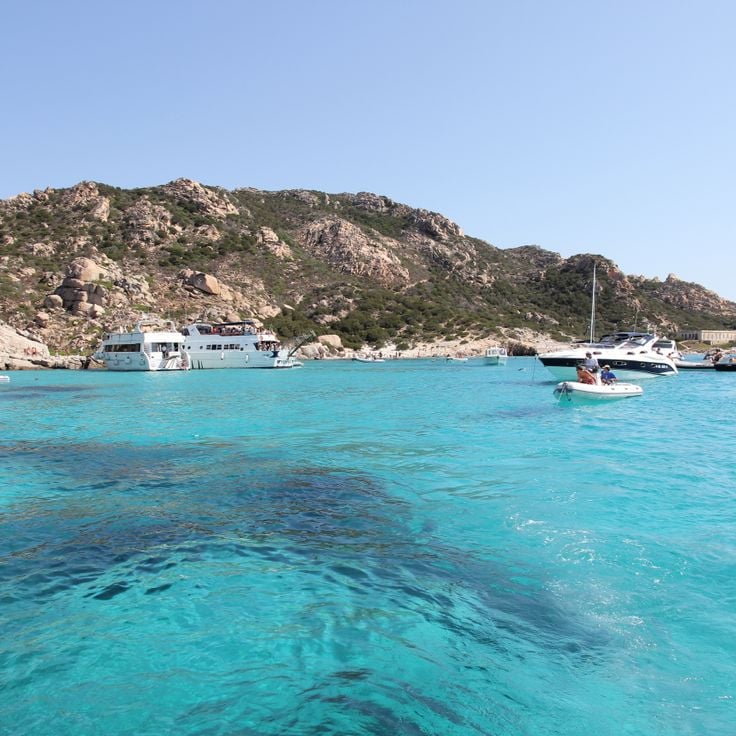
The coastline offers small coves with turquoise water and white pebble beaches between limestone cliffs. Caves along the coast display stalactites and underground lakes. Inland, canyons with tall rock walls cut through remote areas. Natural springs emerge from bedrock, lighthouses stand on headlands overlooking the sea. Abandoned mining complexes document industrial history, while protected islands and coastal reserves provide habitat for marine life and seabirds.
Sardinia preserves traces of human settlement across thousands of years. The island presents prehistoric cult sites including sacred wells and burial mounds that show ancient rituals. Nuraghe towers from the Bronze Age still rise above the landscape, while Roman theaters and Punic temples mark later civilizations. Underground tombs carved directly into rock lie hidden in the hills. Mountain villages carry modern wall murals that tell political and social history.
The coastline offers small coves with turquoise water and white pebble beaches between limestone cliffs. Caves along the coast display stalactites and underground lakes. Inland, canyons with tall rock walls cut through remote areas. Natural springs emerge from bedrock, lighthouses stand on headlands overlooking the sea. Abandoned mining complexes document industrial history, while protected islands and coastal reserves provide habitat for marine life and seabirds.
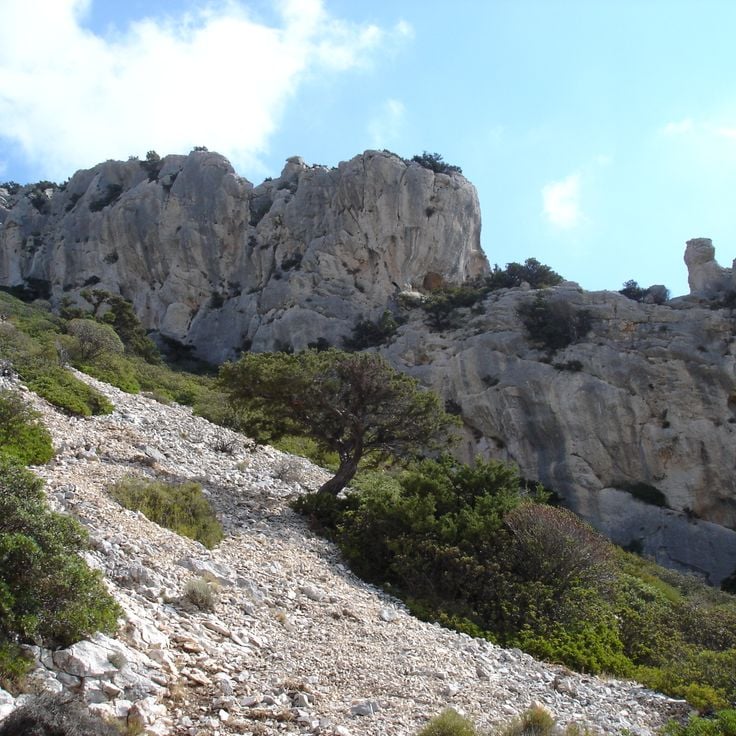
These ruins sit inside a mountain cave and show how people built and lived during prehistoric times. The settlement fits into the natural surroundings, with stone walls that hug the rock faces. The climb to the site leads through a rocky valley. Tiscali is one of the less accessible traces of the Nuragic culture in Sardinia and offers a view of daily life in a remote mountain area during the Bronze Age.
This spring in Oliena emerges at the base of limestone formations and feeds a natural pool that appears deep blue due to its depth of 135 meters. The water flows from the rock at a constant temperature throughout the year and runs into a river that crosses the region. The setting combines geological features with traditional shepherd routes and shows how underground water channels shape the landscape of Sardinia.
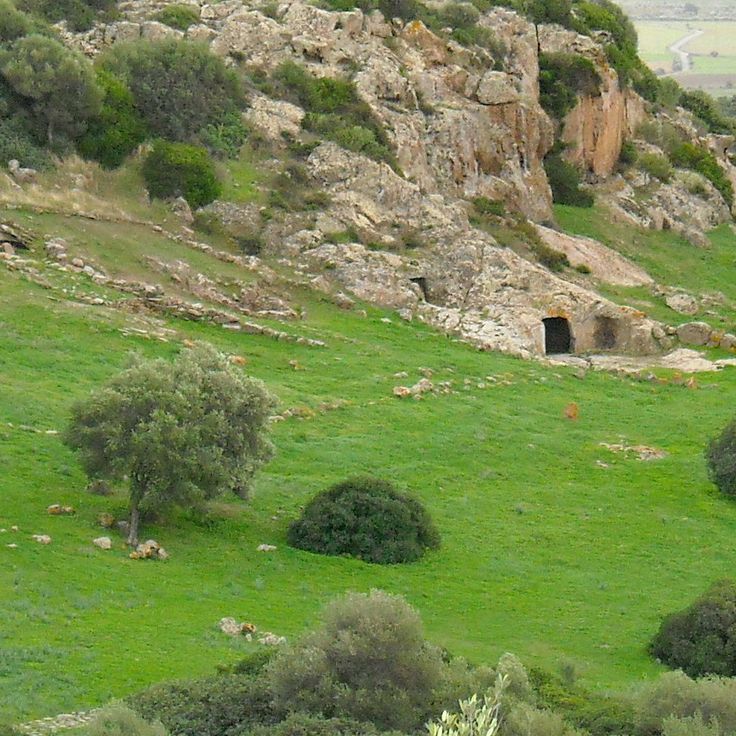
This necropolis includes twenty chambers carved into rock, dating from between 3000 and 2700 BCE. Sant'Andrea Priu stands among the larger prehistoric burial sites in Sardinia, showing the burial practices of those early cultures. The rooms spread across several levels and feature worked walls in places. Some chambers were later used as Christian chapels, with frescoes and altars added. The site connects multiple periods of regional history in a single location.
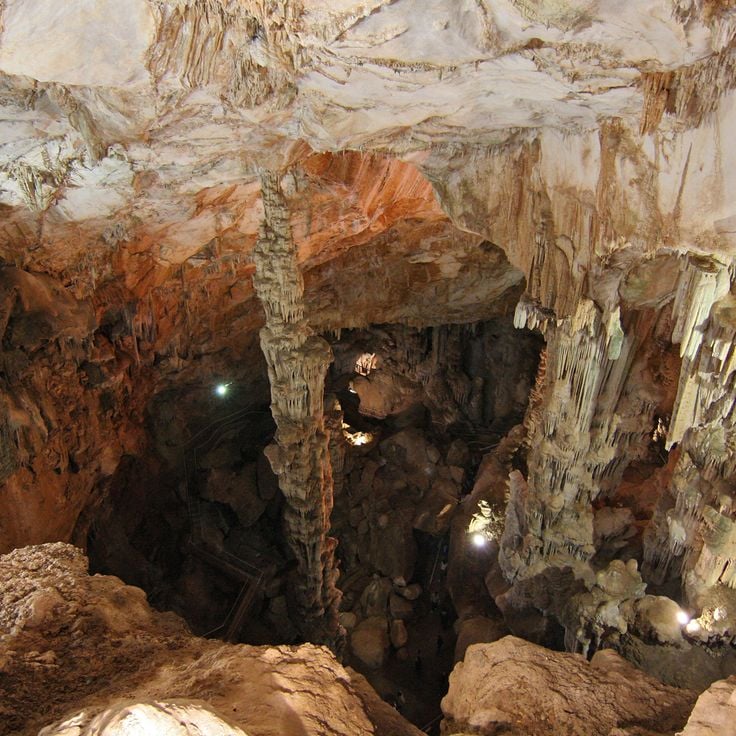
This karst cave near Dorgali holds one of the tallest calcite columns in Europe, rising from floor to ceiling and measuring about 125 feet (38 meters). The Grotta di Ispinigoli extends vertically into the depths, reaching approximately 920 feet (280 meters) below the surface. Inside, stalactites and stalagmites form a dense maze of limestone formations that developed over thousands of years. Light enters through openings and illuminates the white and ochre walls. Access is through a narrow path leading into the chamber with the large column. The cave served as a burial site in prehistoric times, and excavations have uncovered pottery fragments and human remains. The temperature stays cool and constant throughout the year. Visitors follow a marked route through the main galleries.
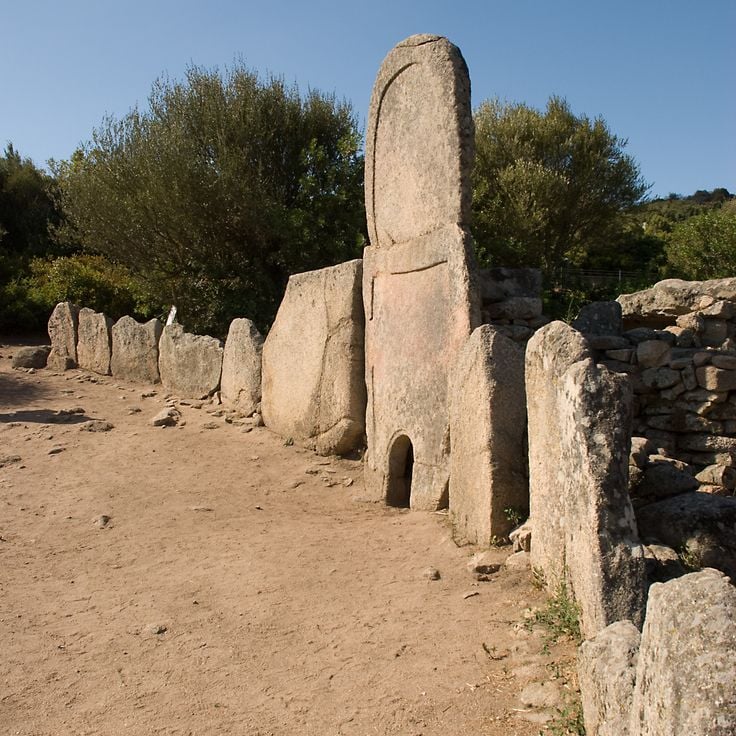
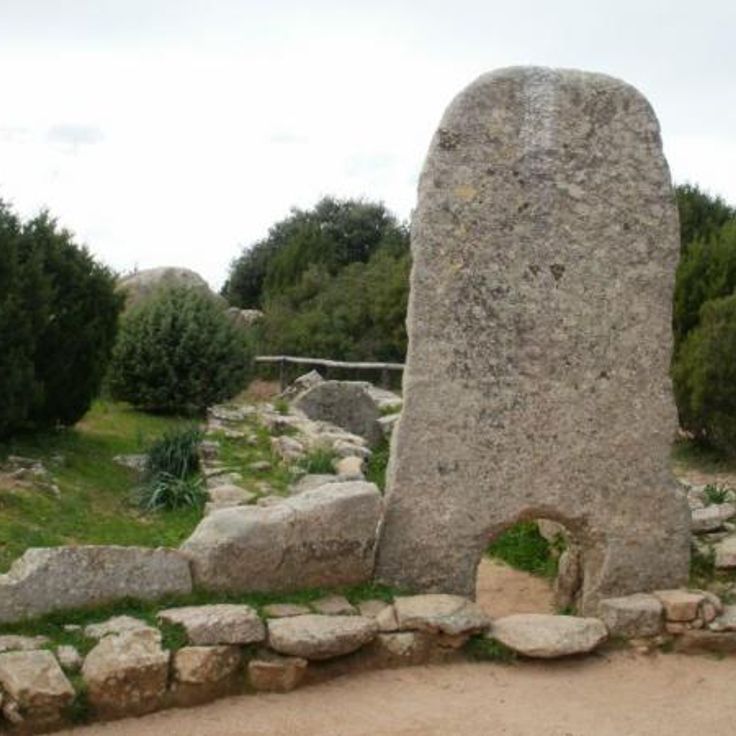
This Bronze Age burial site near Arzachena shows Sardinia's prehistoric burial culture. The structure consists of a long rectangular grave and a row of upright stone slabs that rise from the ground like teeth. At the center stands a tall stele with a rounded top, measuring over four meters (13 feet), flanked by smaller stones. The name of the tomb refers to Sardinian legends about giants who once lived on the island. The structure extends 13 meters (43 feet) and is built from local granite blocks fitted together without mortar. Visitors can walk around the site and see the archaic construction techniques of the early inhabitants of the Gallura region.
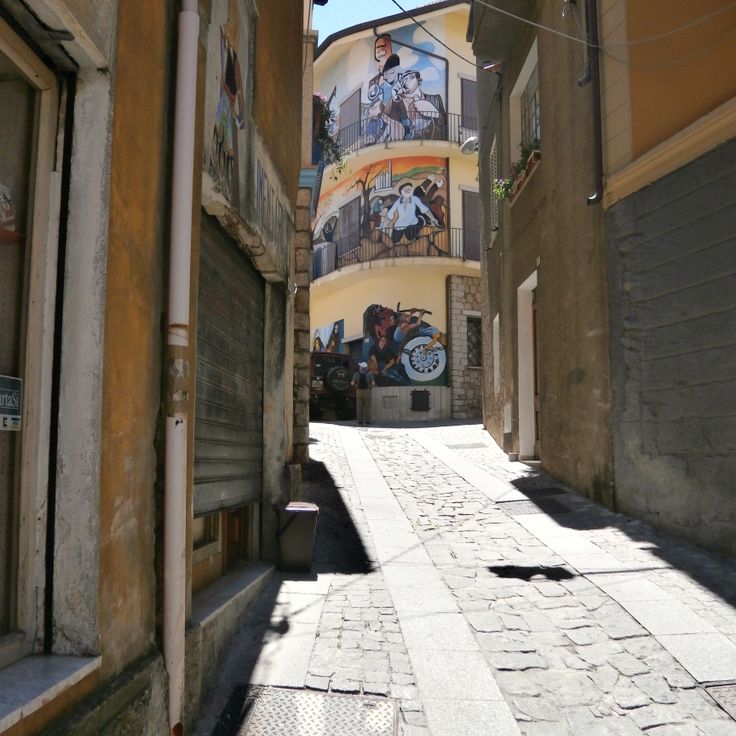
The house walls of this Sardinian village display more than 150 political and social murals painted since 1968. The murals of Orgosolo cover entire facades and transform the streets into an open museum of regional history. Residents began the tradition to protest against injustices and document local events. Today you find depictions of shepherds, workers, historical moments, and global political themes. Walking through the lanes, you encounter new motifs at every turn, often created by local artists and students. These artworks together form a living archive of Sardinian identity and social commentary.
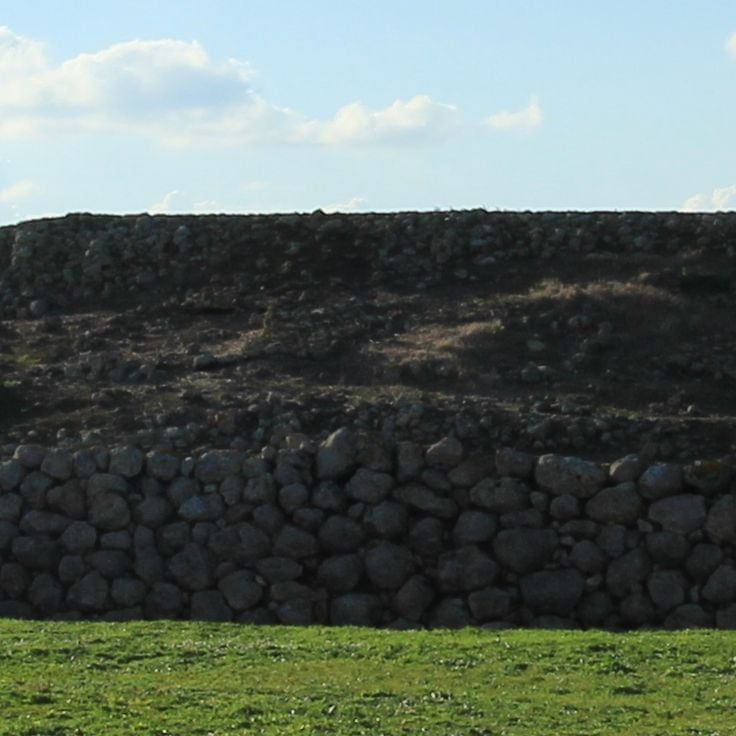
This place presents a stone platform from around 4000 BCE, raised above the ground and reached by a long ramp built from blocks. The structure recalls stepped temples found in distant regions but remains unusual for the Mediterranean. Monte d'Accoddi stands in open countryside near Sassari and represents one of the earliest examples of monumental ritual building on the island. Visitors walk among shaped stones, low walls, and remnants of ancillary rooms under a wide sky.
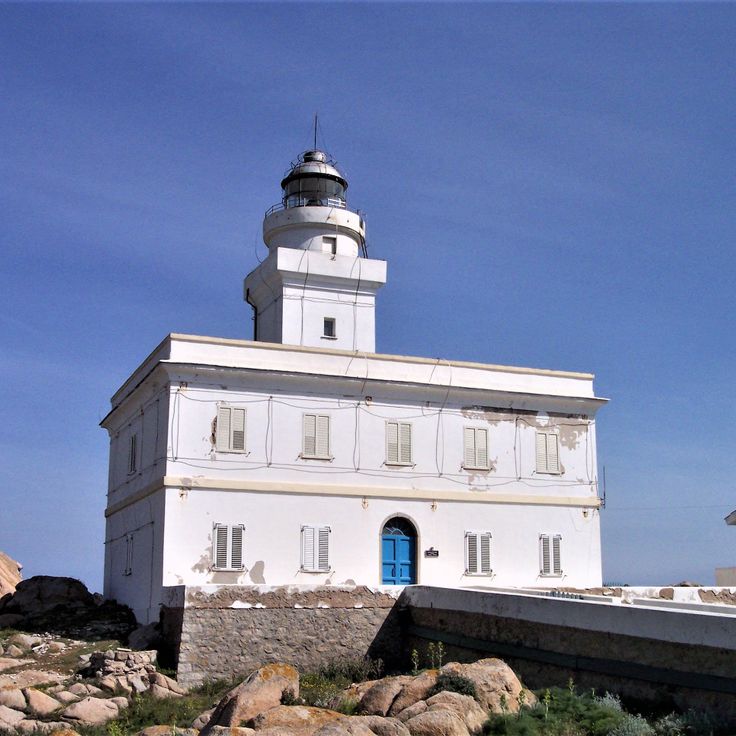
This lighthouse stands on a granite promontory overlooking the Strait of Bonifacio and was built in 1845. Capo Testa Lighthouse belongs to the historical structures along this Sardinian coastline, where jagged rocks drop into the sea and wind often blows strongly. From here, the beacon has watched over the waters between Sardinia and Corsica for nearly two centuries. The area around the lighthouse shows smooth granite formations shaped by thousands of years of wind and water. Fishermen and sailors have relied on its light when crossing these waters at night.
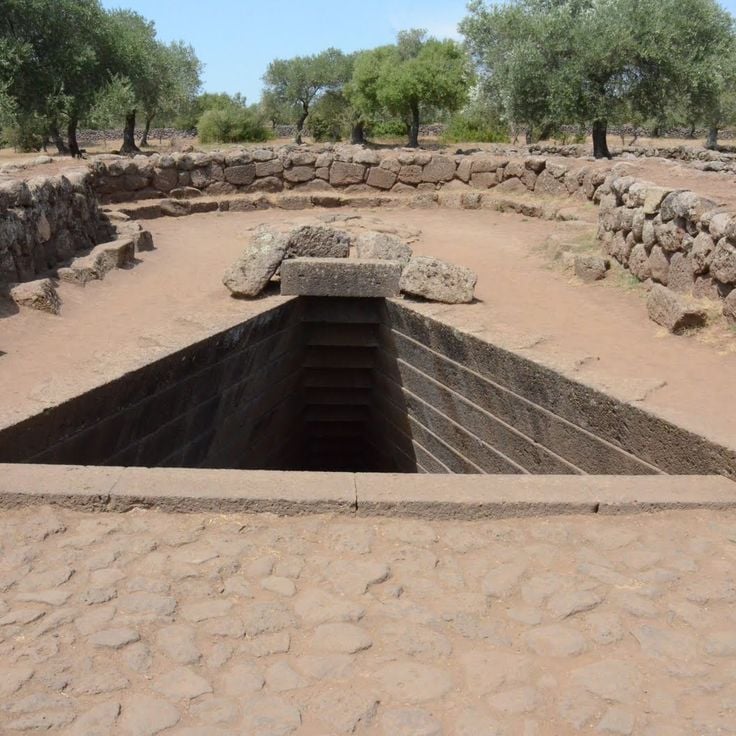
This Bronze Age well temple from the 11th century BC ranks among Sardinia's oldest cult sites. The precisely worked stone architecture of Santa Cristina leads down a narrow staircase to the water level. Each trachyte block fits without mortar into the construction, and the dome arches over the circular basin. Light falls through the opening and reaches the water twice a year at the equinoxes. The Nuragic civilization used the well for ritual acts connected to water worship. Around the structure lie remains of a meeting hut and smaller buildings. The site sits in a rural area among hills with cork oak trees.
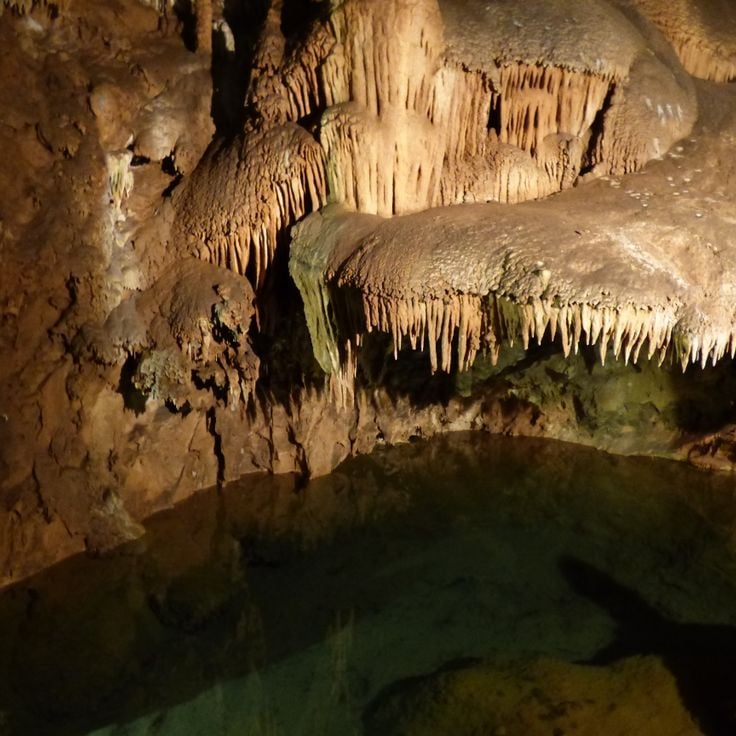
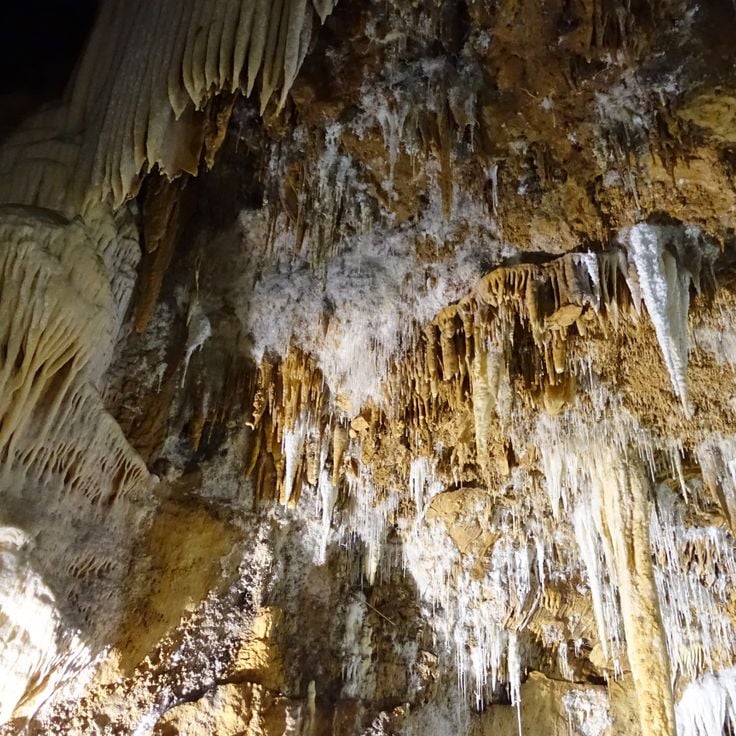
These caves near Santadi lead through a system of underground chambers where aragonite crystals grow along the walls. The passages extend over a long stretch and display different limestone formations that developed over thousands of years. Water shaped the rock and left structures that shimmer in different colors. The caves belong to the geological features of the island and offer insight into the slow processes beneath the surface that shape the landscape of Sardinia.
This necropolis contains forty rock-cut tombs dating from between 4000 and 3000 BCE. Domus de Janas of Montessu shows chambers with reliefs, engravings, and traces of red paint on the walls. Some rooms have curved ceilings that imitate wooden structures. The site sits in a quiet hillside landscape with scrub vegetation. Archaeologists have found objects suggesting ritual practices. Visitors walk through narrow entrances and see the different chambers that were used over centuries. The place gives a sense of how people dealt with death in the Neolithic period.
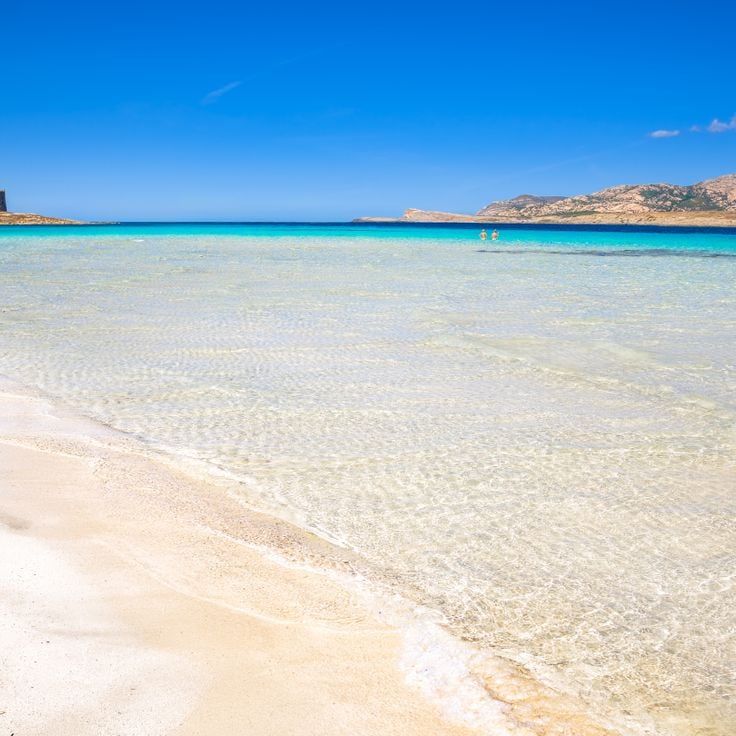
This beach lies at the northern tip of Sardinia, near a small settlement that once served as a tuna fishing station. The sand is pale and fine, the water shallow and calm over long stretches, so you can wade far out without losing your footing. Just offshore sits a small rocky island with an old watchtower from Spanish rule, built to guard the approach to the gulf. The beach runs about 300 meters, backed by dunes and low scrub. In summer, many visitors arrive, drawn by the clear water and views of the offshore islands. The water shifts between turquoise and pale green, depending on the light and depth. Wind can pick up at times, especially in the afternoon. La Pelosa is one of the most recognized beaches on the island, attracting families and snorkelers who explore the shallow bays.
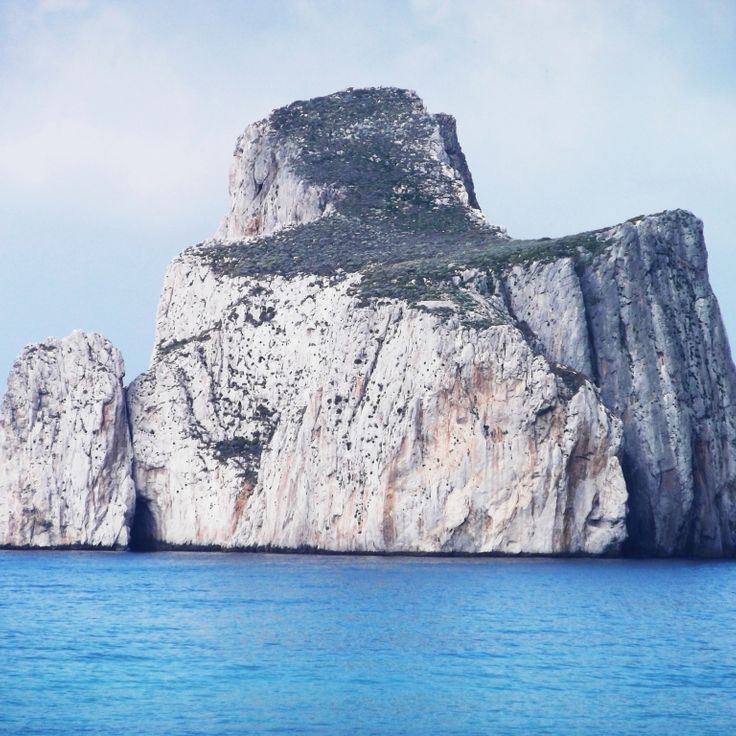
This limestone sea stack rises 433 feet (133 meters) from the water along the coast of Iglesias. Remains of 19th century mines mark the surrounding area, showing the region's mining history. The formation stands close to the mainland and creates a distinctive coastal view that connects Sardinia's geological and industrial past.
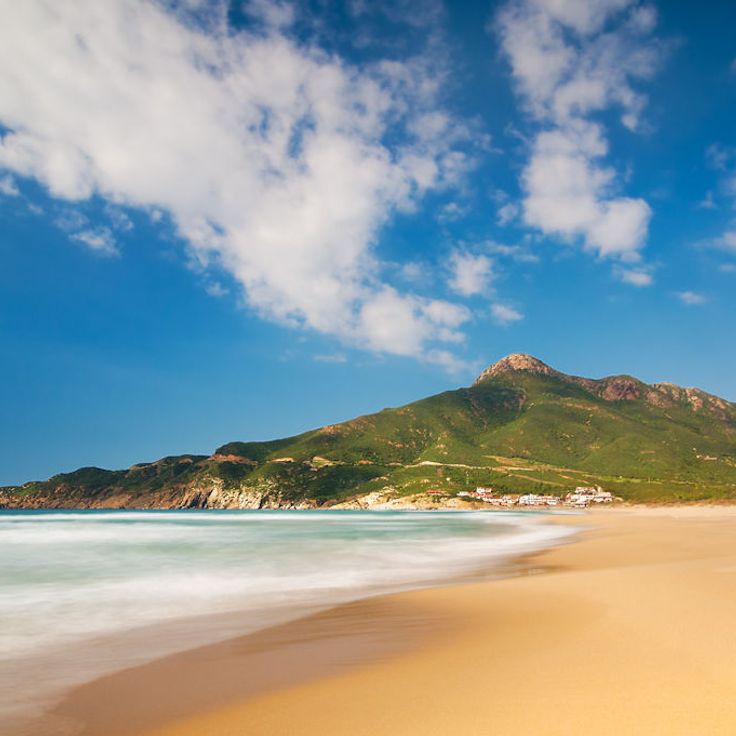
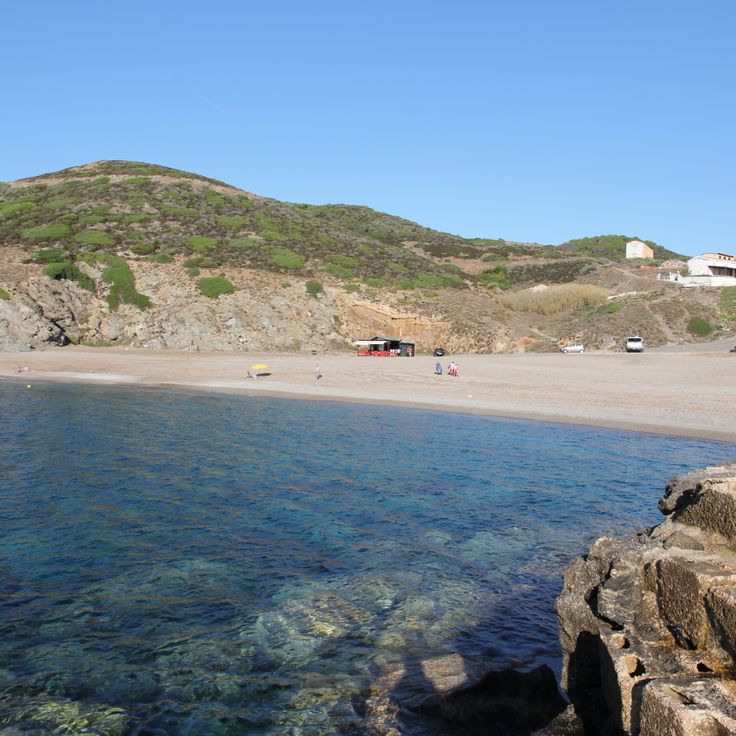
This beach on Sardinia's western coast stretches for 2 kilometers and sits in a bay surrounded by cliffs and rock formations. Juniper trees line the sand and provide shade. The water is shallow and clear. Few visitors come here, and even in summer some sections remain empty. Fishermen use the southern part of the bay in the mornings. The beach is reached by an unpaved road that winds through scrubland and low hills.
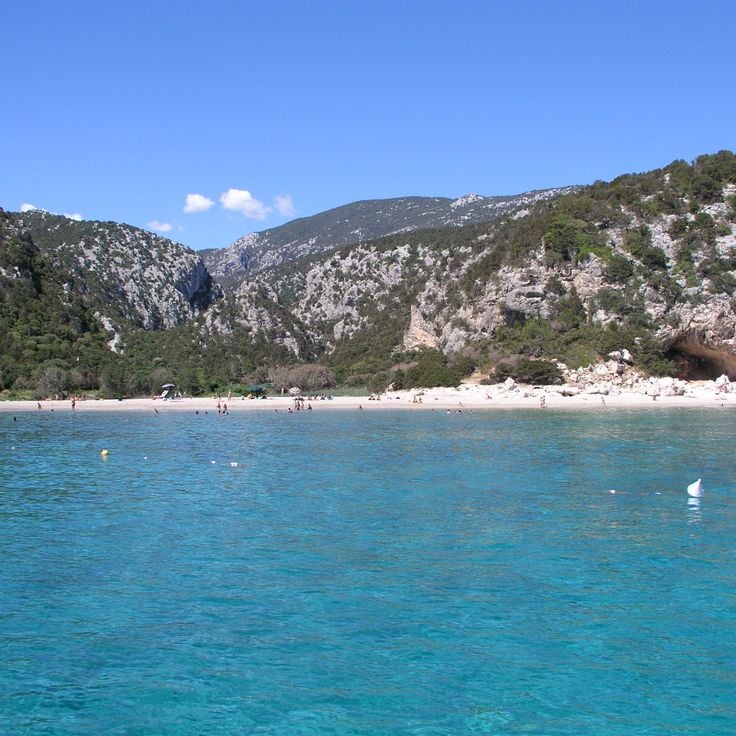
This bay along the eastern coast of Sardinia features large caves set into the limestone cliffs and a beach of pale sand. Six grottoes open directly onto the shore and offer natural shade from the sun. The water is clear and the rocks form a sheltered setting for swimmers and snorkelers. Juniper bushes grow among the stones above the beach. The site is accessible by sea or by hiking trails that pass through Mediterranean vegetation.
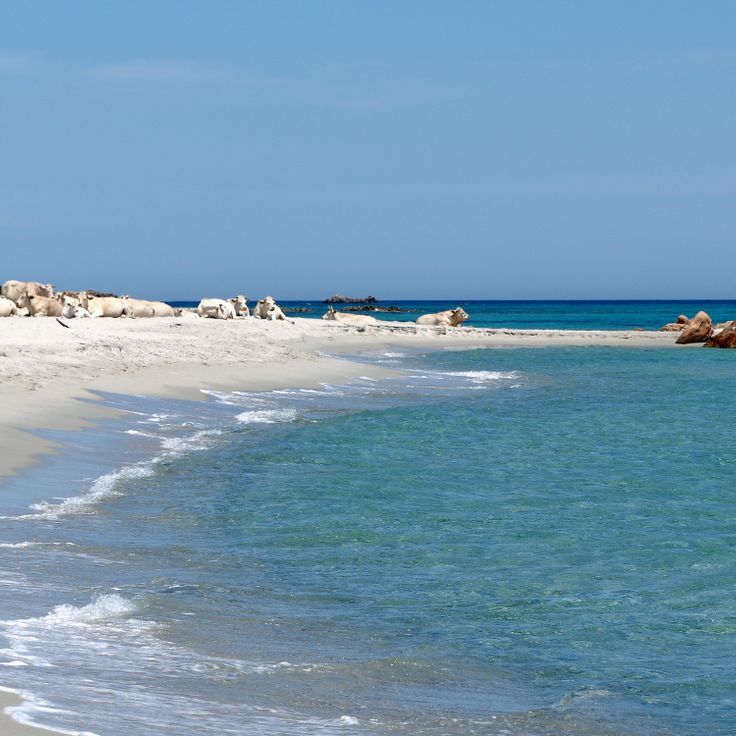
The Bidderosa Nature Reserve protects 860 hectares (2,125 acres) of coastal land with Mediterranean forests and five small sandy beaches set between rocky outcrops. This protected area limits access through a reservation system, so the beaches and trails remain uncrowded. Paths lead through pine woods and scrubland past coves of clear water. Visitors find Sardinian landscape in a natural state here, with quiet beaches and forested hills descending to the sea. The reserve shows what the island's coast looks like without intensive development.
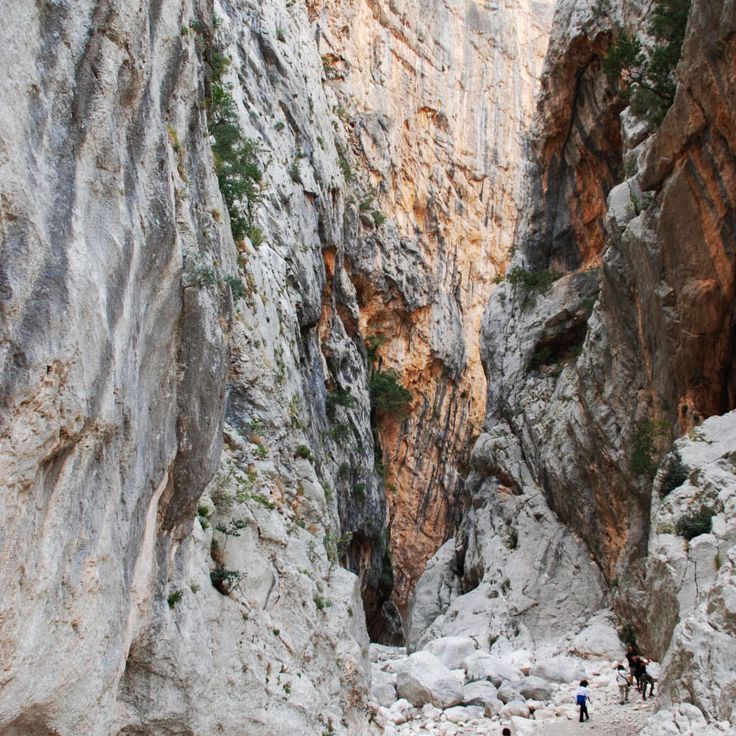
This limestone gorge reaches a depth of about 500 meters (1,600 feet) and was shaped by the erosion of the Flumendosa River over millions of years. Gorropu Canyon sits in a remote area and displays steep rock walls that narrow to just a few meters apart in some sections. Visitors walk through a stony riverbed, surrounded by high cliffs that allow sunlight through only at certain times of day. The sound of flowing water accompanies the path, while the temperature remains pleasantly cool in the shade of the walls.
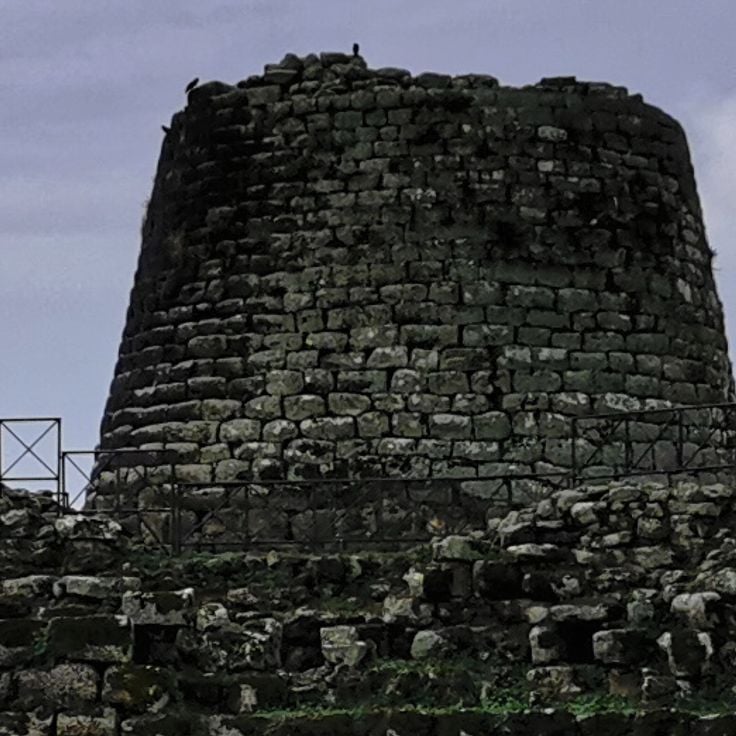
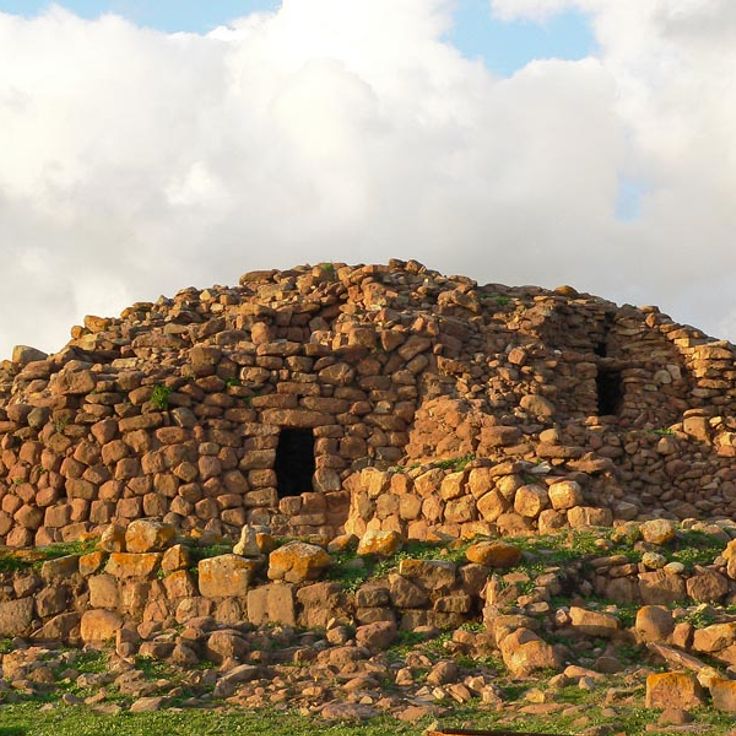
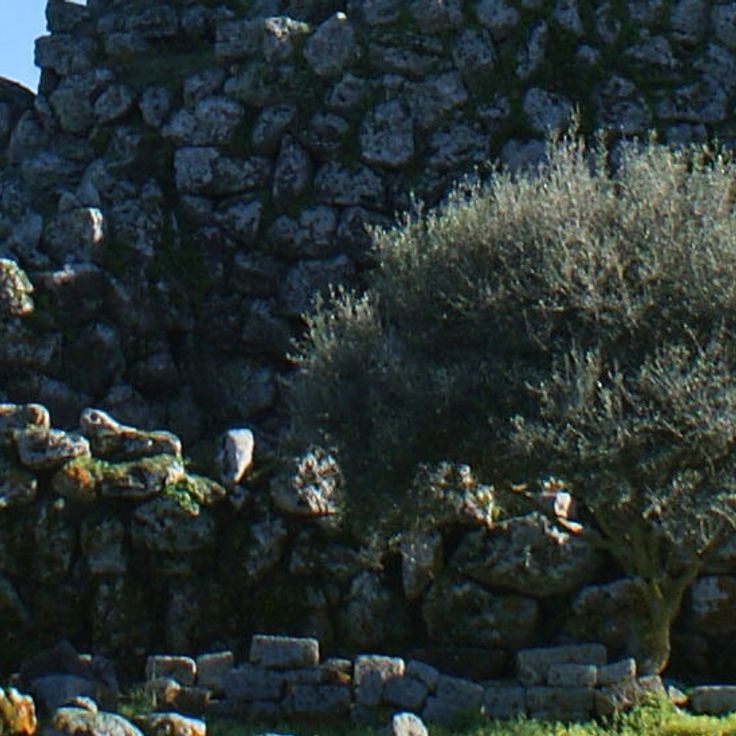
This prehistoric tower in Torralba stands among the tallest remaining nuraghi in Sardinia. The stones were stacked without mortar to form a three-story structure from the Bronze Age. Narrow staircases inside connect the levels. The central tower is flanked by three smaller towers that together create a fortified complex.
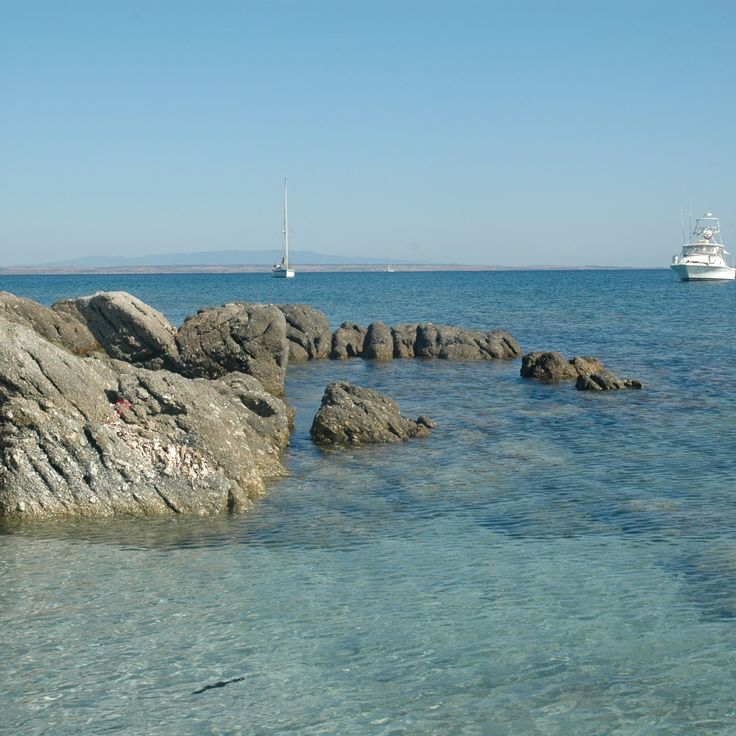
This granite island off western Sardinia shows traces of early settlement and a particular plant life. Mal di Ventre holds remains from Phoenician and Roman times and several species that grow only here. The island is uninhabited and lies about 3 miles (5 kilometers) from the coast in clear water.
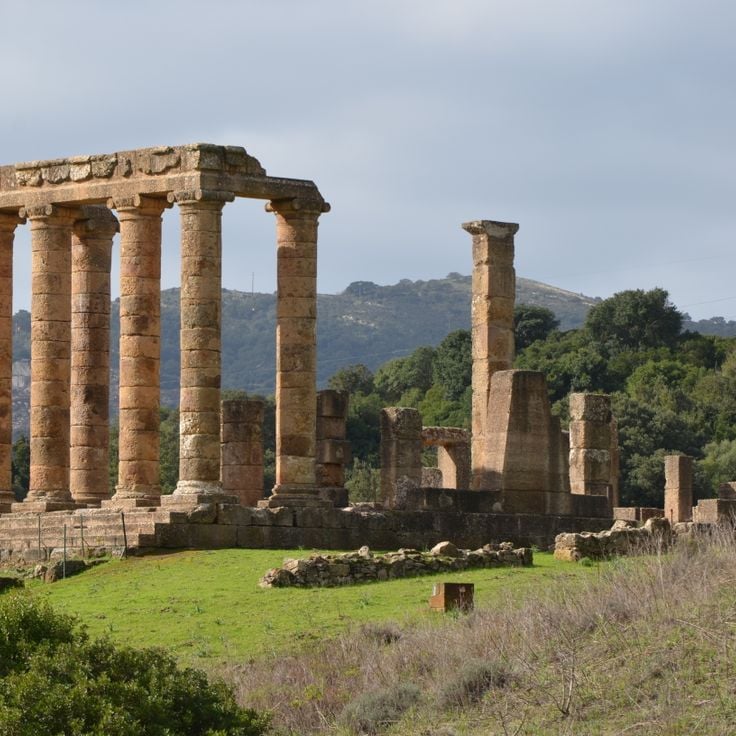
This temple was built in the 3rd century BC and reshaped in Roman style during the 3rd century AD. The site sits in a quiet valley between wooded hills, surrounded by Mediterranean vegetation. Six columns of local limestone frame the entrance to the sanctuary, originally dedicated to the Punic god Sid and later to the Roman Sardus Pater. Foundations of earlier building phases are visible around the temple, showing how the cult site evolved over centuries. The place conveys a sense of continuity between the cultures that shaped Sardinia.
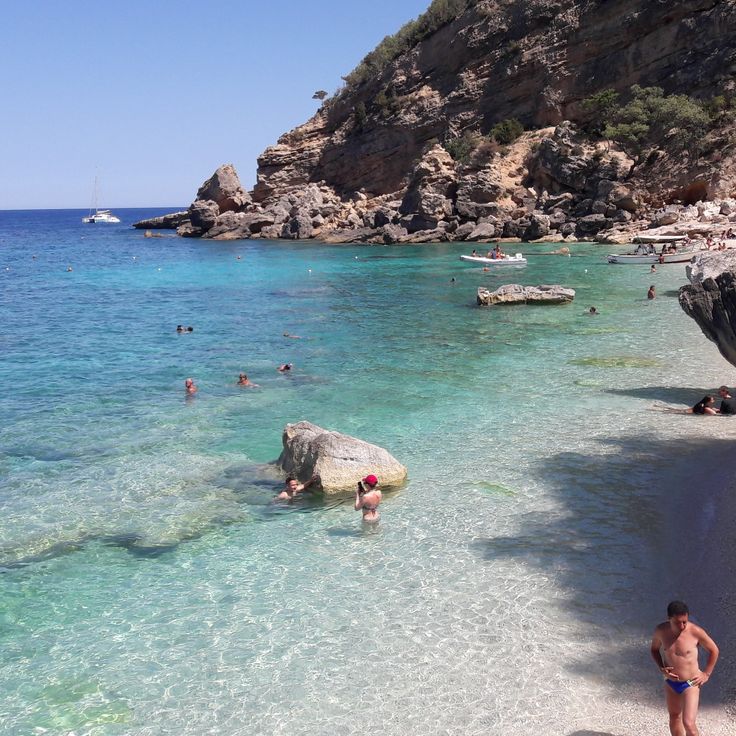
This beach connects white sand with turquoise water between limestone cliffs on the eastern coast of Sardinia. Cala Mariolu Beach sits in a protected cove and can be reached by hiking trails or boat, which keeps it quiet and free from mass tourism. The rocks frame the coastline and create small bays where the water is clear and shallow. The sand consists of small pebbles that give the beach its light color. The surroundings belong to the Gennargentu National Park, where nature is protected and the landscape remains wild.
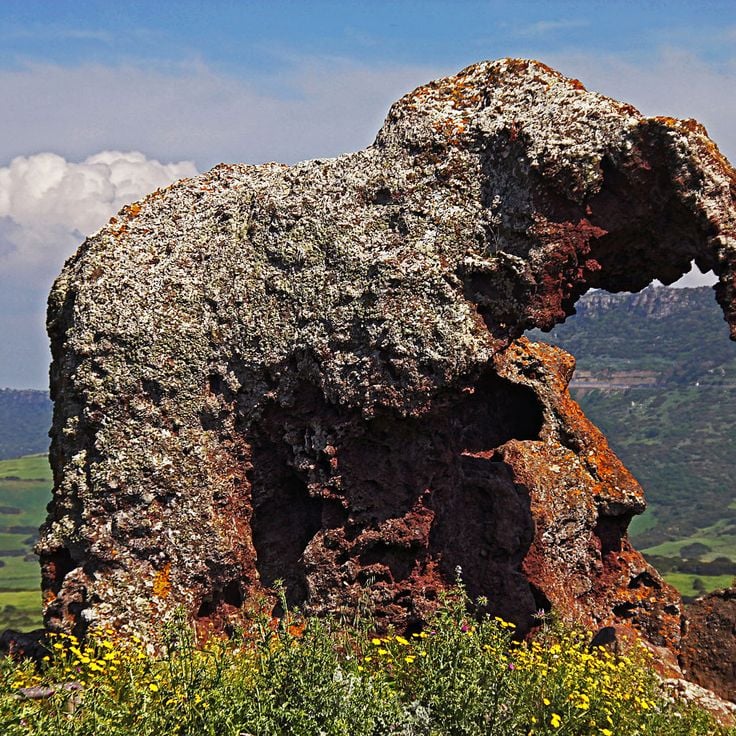
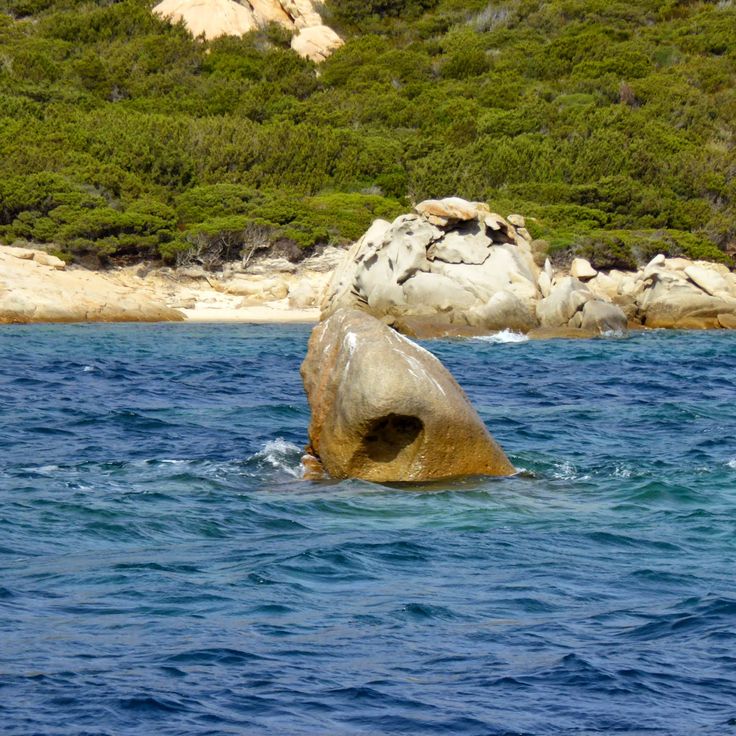
Elephant Rock is made of red trachyte that wind and weather have shaped over thousands of years into a form resembling an elephant. Inside the rock are two burial chambers from the Domus de Janas period, prehistoric rock-cut tombs. Erosion has given the stone a distinct silhouette, while the chambers offer glimpses into the burial practices of early inhabitants of Sardinia.
This complex consists of a central tower and four smaller towers, surrounded by the remains of a settlement with around one hundred round huts from the Bronze Age. The site lies near Gonnesa and shows the typical layout of a fortified prehistoric community. The walls built from large stone blocks still stand partly upright, and between the towers you can see the low foundations of dwellings. The ground is covered with Mediterranean vegetation, and lizards dart across the warm stones. Visitors can walk among the ruins and imagine what life looked like here thousands of years ago.
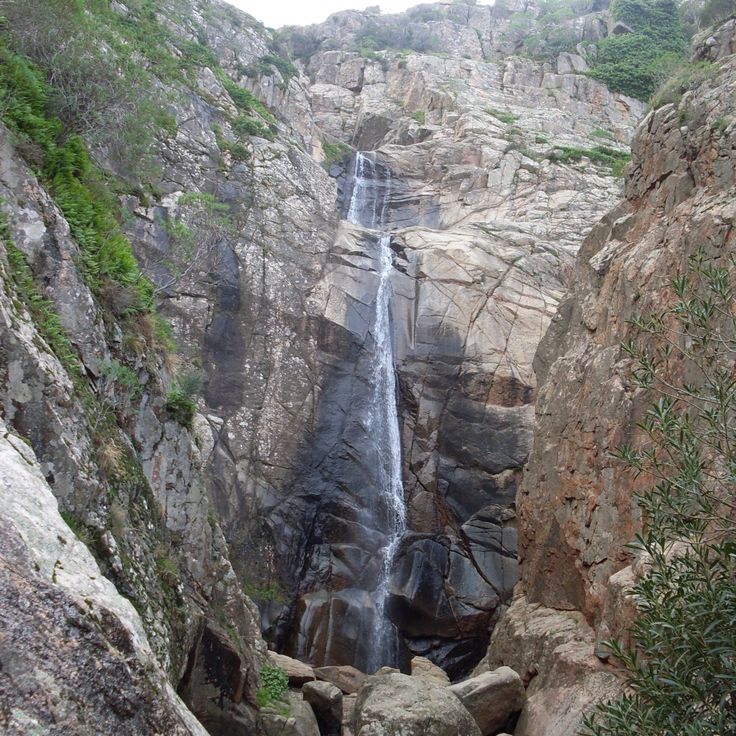
This waterfall drops about 100 feet (30 meters) over granite rocks into a forested gorge near Villacidro. A marked path leads through dense Mediterranean vegetation to the viewpoint. The surroundings are shady and moist, with ferns and moss covering the stones. The trail follows the stream, and the sound of water can be heard from a distance. In spring and after rainfall, the flow increases considerably. The route is manageable but somewhat steep in places. This waterfall is among the less visited natural sites in Sardinia and shows the mountainous landscape of the island.
These cliffs rise from the Mediterranean Sea with rock faces reaching over 300 meters in height. The limestone holds a series of marine caves where stalactites grow. Paths run across the heights, from where the open water and the Sardinian coast appear in a wide arc. Seabirds nest in the crevices. Boats dock at lower entrances to guide visitors through the lit chambers. Light shifts with the hours and the stone changes from gray to gold. Fishermen and keepers have worked here for centuries. Wind shapes the vegetation and salt rests on the rocks.
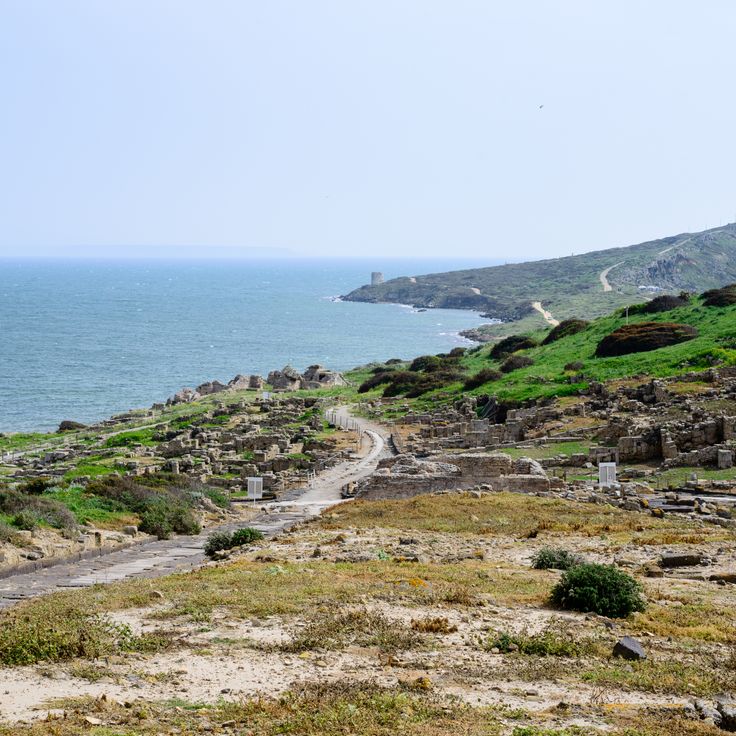
This archaeological site shows columns, thermal baths, and temples built from the 8th century BC onward. Phoenicians founded the settlement, and later Romans expanded it. The remains sit on a peninsula and reveal several centuries of history. Tharros served as a harbor and trading post, with its coastal location shaping daily life. Visitors walk among foundations, stone paths, and wall fragments left by two cultures.
This small bay near Santa Teresa Gallura sits among granite rocks that drop into turquoise water. Below the surface live numerous fish and coral formations that divers often visit. The rocks form natural pools where the water changes color throughout the day. Local fishermen have known this spot for generations as a good place for snorkeling. The seabed remains visible through the clear water. A narrow path between the rocks leads down to the shore. Even during summer months the bay stays relatively quiet because it lies away from the main beaches.
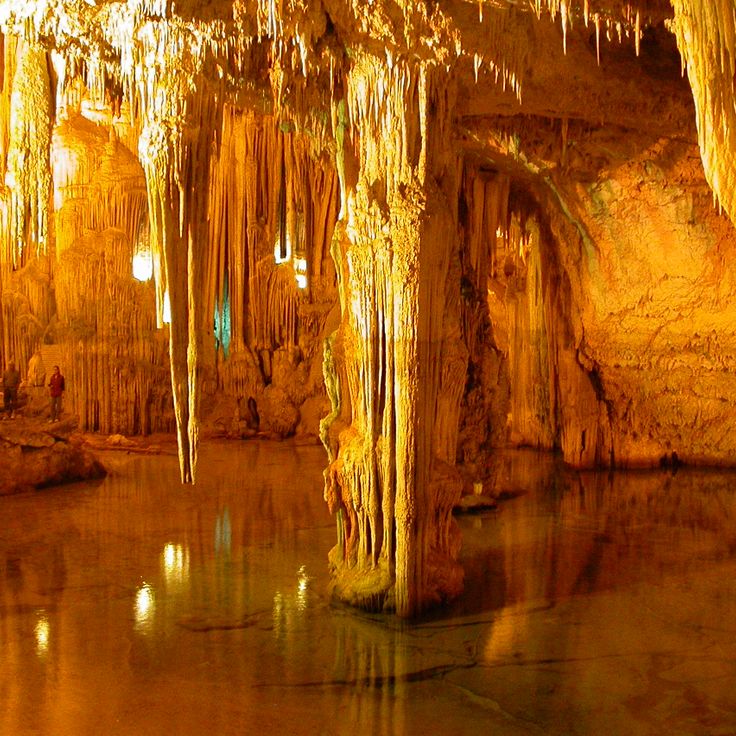
This cave opens along the western coast of the island and draws visitors with an underground saltwater lake, stalactites and stalagmites. You reach the Grotta di Nettuno by climbing down 656 steps carved along the cliff face, or by taking a boat from the harbor. Inside, narrow paths follow the water past columns and rock formations that have grown over thousands of years. The air feels damp and cool, and light filters through the stone openings sparingly. This site forms part of a collection of historic and natural places across Sardinia, spanning from prehistoric periods to the present day.
This nuraghe consists of 17 towers surrounding a central tower. The complex ranks among the largest nuraghe sites in Sardinia. The stone walls show the building techniques of the island's prehistoric inhabitants. Visitors can walk among the towers and explore the massive Bronze Age structure.
This burial monument from the second millennium BC extends about 13 meters (43 feet) and served the nuragic community as a place to bury their dead. The structure belongs to the collective tombs typical of this region during that period. The name refers to the large stone blocks used in such constructions. The site lies in an area that preserves several similar remains from prehistoric times. You can still see the typical shape with the semicircular exedra and the long corridor. The monument shows how people of this culture buried their dead and what importance the community gave to death.
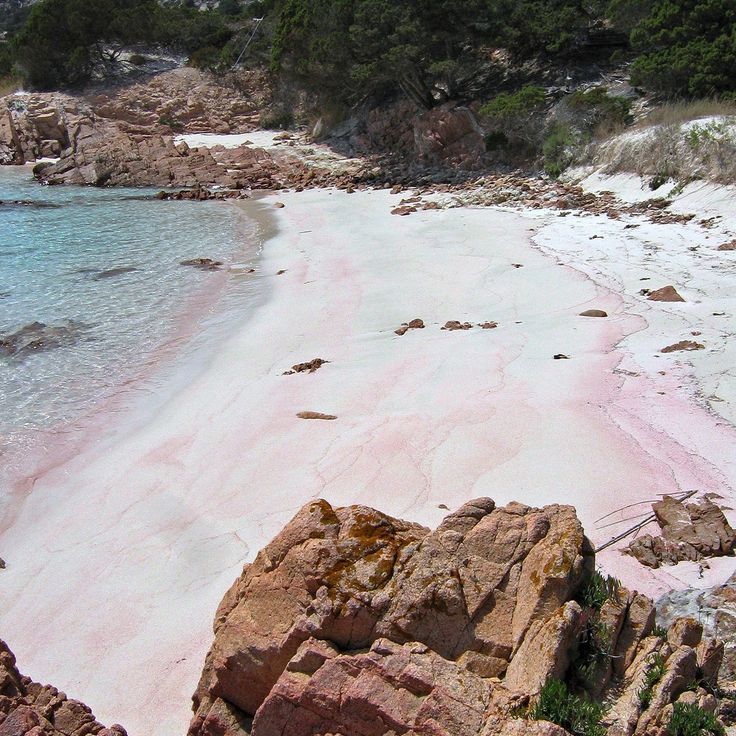
This beach lies on the northern coast of Sardinia and takes its name from the pink sand created by crushed corals and shells. The shore has been closed to visitors since 1994 to protect the delicate coastline. The water remains turquoise blue and the surrounding area shows Mediterranean vegetation with low shrubs. From the sea you can see the color of the shore while small rock formations break up the coastline. Spiaggia Rosa belongs to the La Maddalena archipelago and is under nature protection.
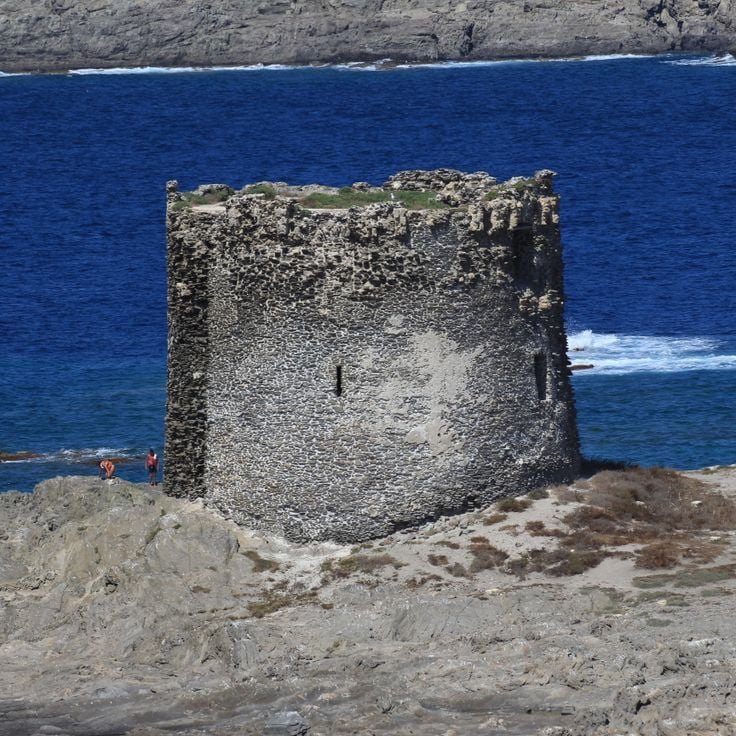
This 16th-century defense tower stands on a small island off the coast and was part of a system protecting against pirate attacks. The Torre della Pelosa guards the entrance to the bay and overlooks turquoise water and white sand beaches. The tower rises on the islet of Isola Piana and served as a watchtower for centuries. From here, soldiers monitored the sea and warned the population of danger. The island is separated from the mainland by shallow water that can sometimes be waded through at low tide. Mediterranean vegetation grows among rocks around the tower.
This bay on Spargi island shows white sand and turquoise water between granite rocks. Cala Corsara sits on the northern coast of Spargi, a small uninhabited island in the Maddalena archipelago. The beach has clear, shallow water and is surrounded by rounded granite formations that shape the shoreline. Boats often anchor in the protected zone in front of the beach, and visitors typically reach the bay by sea since there are no permanent settlements on Spargi.
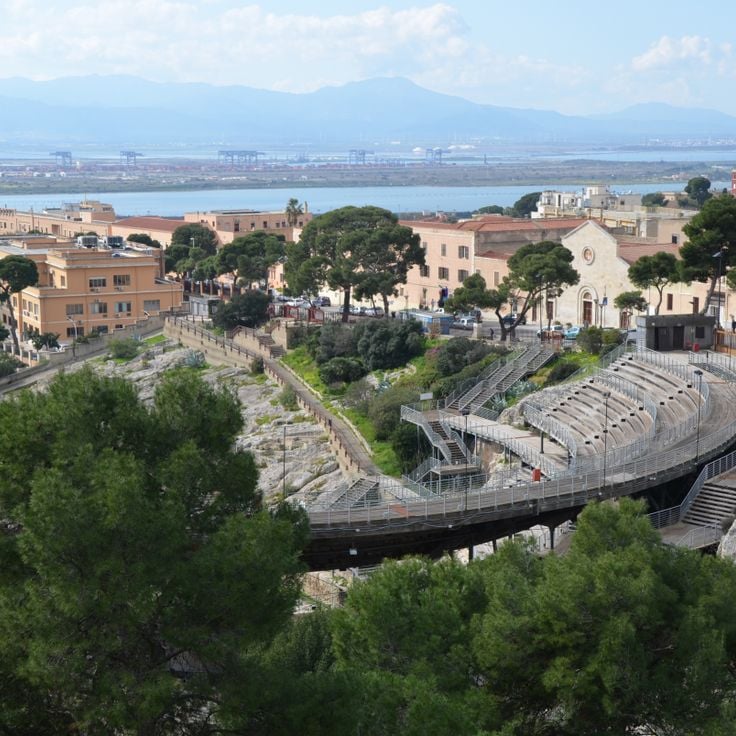
This second-century amphitheater is carved into the limestone hillside and could hold around ten thousand spectators. The Romans used this arena for gladiator fights and other public events. The seating follows the natural curve of the terrain, and you can see the channels and underground passages that allowed animals and fighters to enter. The amphitheater sits on the edge of Cagliari and is one of the preserved Roman monuments in Sardinia.
This beach lies in a deep cove between pale limestone cliffs that rise over 460 feet (140 meters) and drop sharply into turquoise water. A natural stone arch juts out from the sea at the edge of the cove, forming a distinct landmark. The fine white pebbles gleam under the sun. Cala Goloritzè was shaped by a landslide in the 1960s and is now reachable only on foot or by boat. The cliffs provide shade in the afternoon, while the clear water invites swimming and snorkeling.
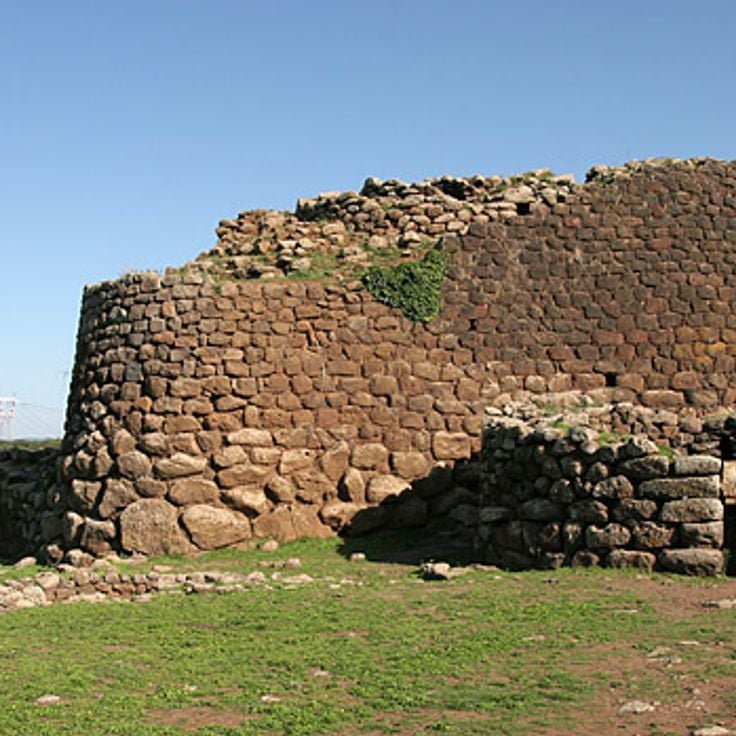
This Bronze Age tower stands on a low hill near Abbasanta, dating to 1500 BC. The structure consists of a central tower surrounded by three smaller towers, all built with basalt blocks without mortar. The walls taper upward and reach considerable height. Inside, stone corridors and stairs lead to upper chambers. The site shows the advanced building techniques of the Nuragic culture. Visitors can explore the passages and examine the precise stonework up close. The surrounding grounds preserve remains of a prehistoric settlement.
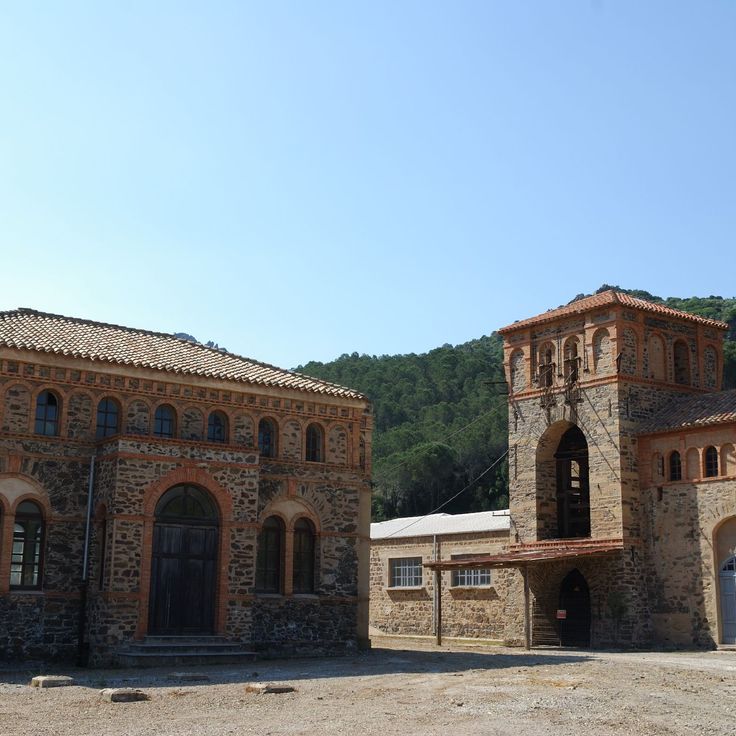
This mining complex in Guspini preserves structures from the 19th century, including tunnels, processing facilities and administrative buildings. The site remained operational until 1991 and now shows the industrial history of Sardinia. Visitors find engine rooms, warehouses and workers' housing settlements. The abandoned buildings stand among hills with old vegetation. Rusting machinery and empty workshops tell stories of daily life in the mines. Pathways connect production areas with residential quarters. In some places, rails and ore carts remain visible. The architecture mixes functional buildings with decorative elements from the early industrial period.
This marine park spreads across seven main islands and many smaller rocks. The water between the islands shows different shades of blue depending on depth and light. Coastlines alternate between granite formations and sandy coves. On calm days you can see the seabed from a boat. Fishermen and sailors use the protected waters regularly. The islands preserve Mediterranean vegetation and serve as habitat for various marine life. Visitors explore the waters by boat or while snorkeling.
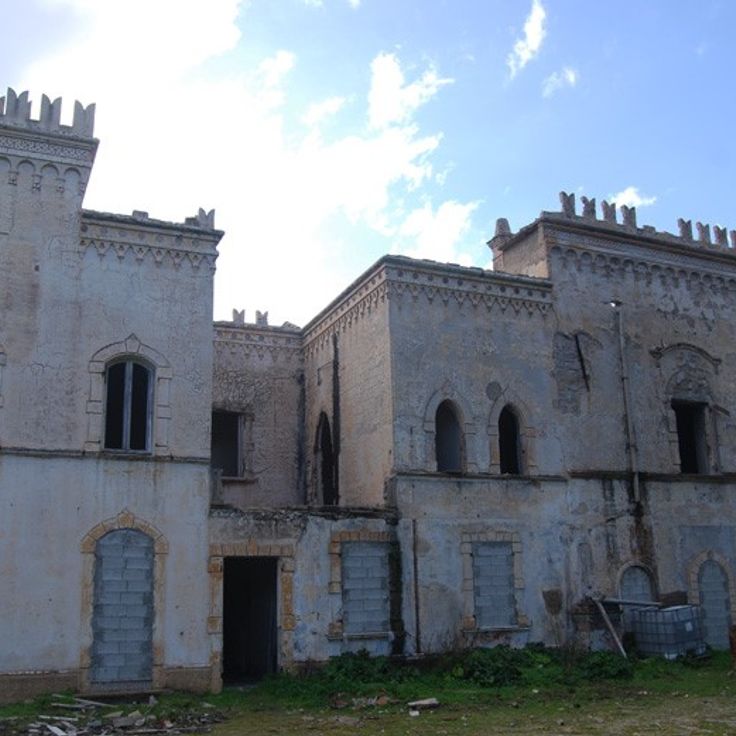
This estate was built in 1897 as a country residence and has been empty since 1956. Webber Estate sits in a coastal area in the southwest of the island and offers a view into late 19th-century architecture. The overgrown garden still preserves some Mediterranean plant species, including Aleppo pines and mastic shrubs, as well as a small pond. The rooms show traces of past inhabitants, with faded wall decorations and abandoned furniture. The building belongs to the hidden locations across Sardinia that tell stories of life in earlier generations.
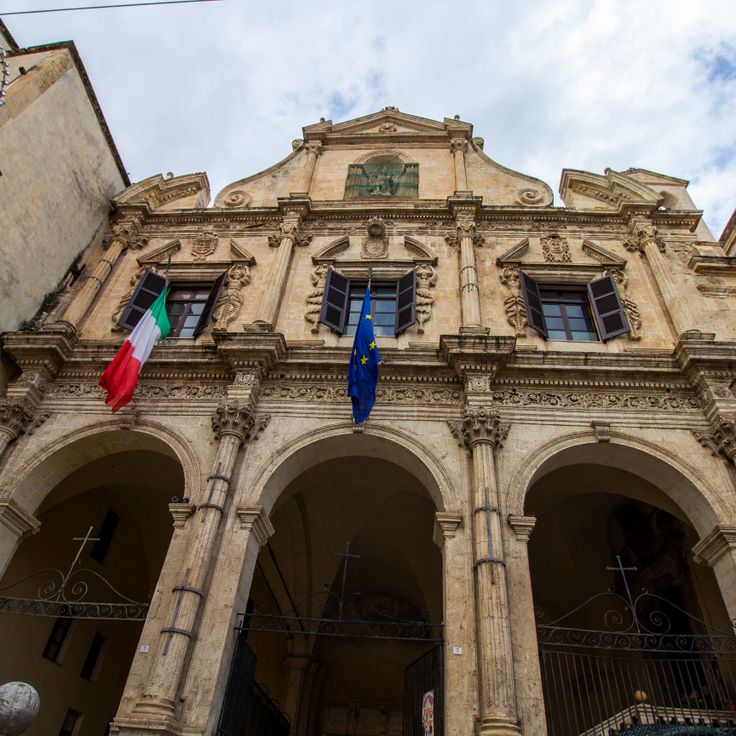
This church dates from the 13th century and shows Romanesque forms. Inside hang wall paintings from different periods. The building was restored in 1943. The church stands in Cagliari and connects medieval architecture with traces of later epochs. The paintings tell of religious practice over centuries. Visitors find here an example of Sardinian church art that makes several historical layers visible.
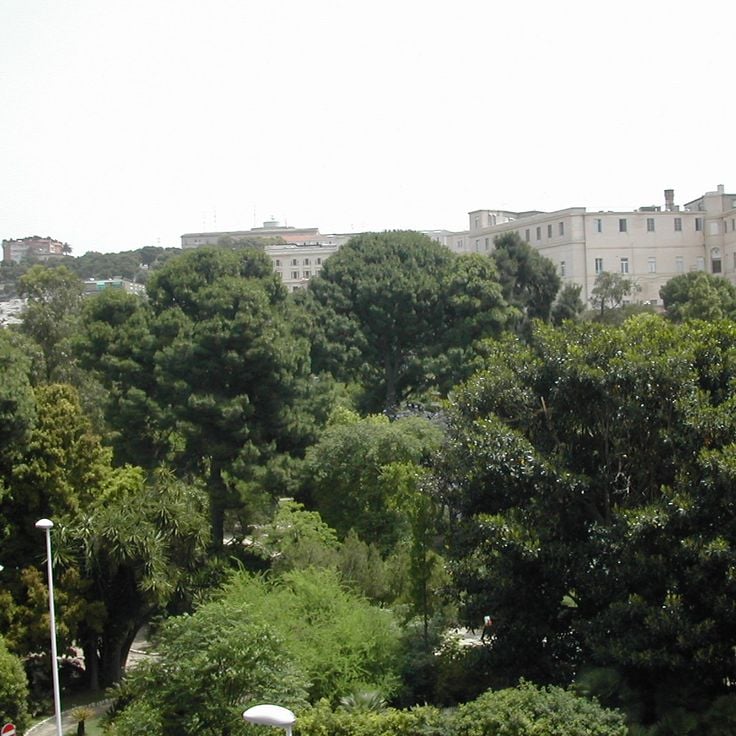
This botanical garden was founded in the 19th century to collect and study Mediterranean and tropical plants. It spreads over several hectares near the old town and displays palms, succulents, ferns, and water plants from different climate zones. Greenhouses shelter delicate species. Shaded paths wind among old trees and flowerbeds. The grounds serve research and conservation of rare plants and offer visitors a quiet place to walk.
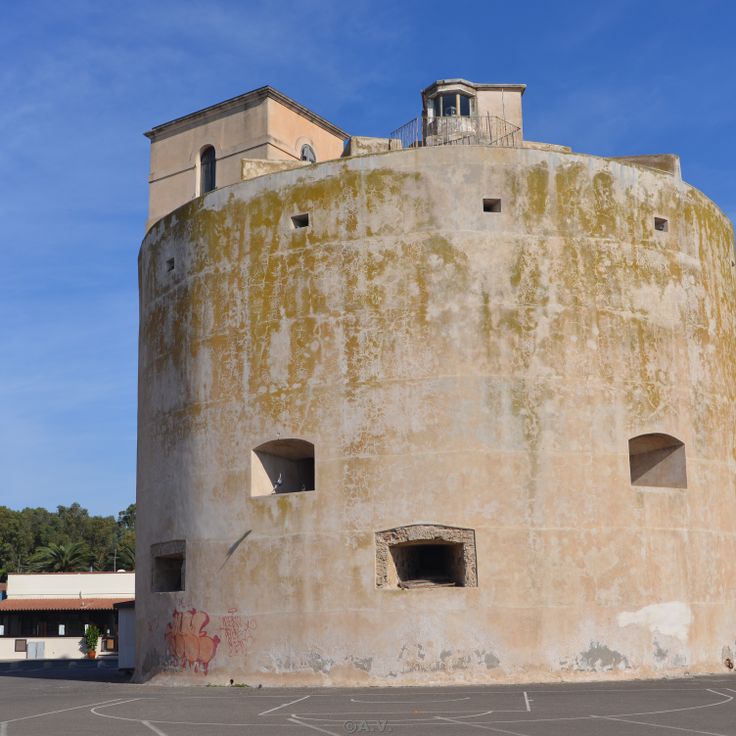
This 16th-century defense tower stands 19 meters tall (62 feet) and served as an observation post against pirate attacks on the Sardinian coast. The tower was part of a historic network of watchtowers built along the shore to protect local communities. From the top, guards could spot approaching ships early and send warning signals to neighboring towers. Today this tower is among the historic sites in Sardinia that show the history of coastal defense and maritime life in the region.
This beach sits beside the ruins of an old silver mine from the 19th century. Historical industrial buildings still stand and recall the time when ore was extracted here. The beach stretches about 500 meters (1,640 feet) along the coast. Sand and pebble mark the shoreline. The place feels quiet, almost deserted. You can see the old mine structures directly from the water. Stone and concrete buildings fit into the rocky landscape. The site connects nature with industrial history in an unusual way.
This cave in Fluminimaggiore extends eight kilometers underground and shows limestone formations in different sizes and shapes. Underground lakes with a constant temperature of 59°F (16°C) fill some of the deeper areas. The water stays cool throughout the year. The cave is among the sites in Sardinia that make geological processes over long periods visible. Visitors can walk through lit passages and experience the silent rooms below the surface.
These ruins sit inside a mountain cave and show how people built and lived during prehistoric times. The settlement fits into the natural surroundings, with stone walls that hug the rock faces. The climb to the site leads through a rocky valley. Tiscali is one of the less accessible traces of the Nuragic culture in Sardinia and offers a view of daily life in a remote mountain area during the Bronze Age.
This spring in Oliena emerges at the base of limestone formations and feeds a natural pool that appears deep blue due to its depth of 135 meters. The water flows from the rock at a constant temperature throughout the year and runs into a river that crosses the region. The setting combines geological features with traditional shepherd routes and shows how underground water channels shape the landscape of Sardinia.
This necropolis includes twenty chambers carved into rock, dating from between 3000 and 2700 BCE. Sant'Andrea Priu stands among the larger prehistoric burial sites in Sardinia, showing the burial practices of those early cultures. The rooms spread across several levels and feature worked walls in places. Some chambers were later used as Christian chapels, with frescoes and altars added. The site connects multiple periods of regional history in a single location.
This karst cave near Dorgali holds one of the tallest calcite columns in Europe, rising from floor to ceiling and measuring about 125 feet (38 meters). The Grotta di Ispinigoli extends vertically into the depths, reaching approximately 920 feet (280 meters) below the surface. Inside, stalactites and stalagmites form a dense maze of limestone formations that developed over thousands of years. Light enters through openings and illuminates the white and ochre walls. Access is through a narrow path leading into the chamber with the large column. The cave served as a burial site in prehistoric times, and excavations have uncovered pottery fragments and human remains. The temperature stays cool and constant throughout the year. Visitors follow a marked route through the main galleries.
This Bronze Age burial site near Arzachena shows Sardinia's prehistoric burial culture. The structure consists of a long rectangular grave and a row of upright stone slabs that rise from the ground like teeth. At the center stands a tall stele with a rounded top, measuring over four meters (13 feet), flanked by smaller stones. The name of the tomb refers to Sardinian legends about giants who once lived on the island. The structure extends 13 meters (43 feet) and is built from local granite blocks fitted together without mortar. Visitors can walk around the site and see the archaic construction techniques of the early inhabitants of the Gallura region.
The house walls of this Sardinian village display more than 150 political and social murals painted since 1968. The murals of Orgosolo cover entire facades and transform the streets into an open museum of regional history. Residents began the tradition to protest against injustices and document local events. Today you find depictions of shepherds, workers, historical moments, and global political themes. Walking through the lanes, you encounter new motifs at every turn, often created by local artists and students. These artworks together form a living archive of Sardinian identity and social commentary.
This place presents a stone platform from around 4000 BCE, raised above the ground and reached by a long ramp built from blocks. The structure recalls stepped temples found in distant regions but remains unusual for the Mediterranean. Monte d'Accoddi stands in open countryside near Sassari and represents one of the earliest examples of monumental ritual building on the island. Visitors walk among shaped stones, low walls, and remnants of ancillary rooms under a wide sky.
This lighthouse stands on a granite promontory overlooking the Strait of Bonifacio and was built in 1845. Capo Testa Lighthouse belongs to the historical structures along this Sardinian coastline, where jagged rocks drop into the sea and wind often blows strongly. From here, the beacon has watched over the waters between Sardinia and Corsica for nearly two centuries. The area around the lighthouse shows smooth granite formations shaped by thousands of years of wind and water. Fishermen and sailors have relied on its light when crossing these waters at night.
This Bronze Age well temple from the 11th century BC ranks among Sardinia's oldest cult sites. The precisely worked stone architecture of Santa Cristina leads down a narrow staircase to the water level. Each trachyte block fits without mortar into the construction, and the dome arches over the circular basin. Light falls through the opening and reaches the water twice a year at the equinoxes. The Nuragic civilization used the well for ritual acts connected to water worship. Around the structure lie remains of a meeting hut and smaller buildings. The site sits in a rural area among hills with cork oak trees.
These caves near Santadi lead through a system of underground chambers where aragonite crystals grow along the walls. The passages extend over a long stretch and display different limestone formations that developed over thousands of years. Water shaped the rock and left structures that shimmer in different colors. The caves belong to the geological features of the island and offer insight into the slow processes beneath the surface that shape the landscape of Sardinia.
This necropolis contains forty rock-cut tombs dating from between 4000 and 3000 BCE. Domus de Janas of Montessu shows chambers with reliefs, engravings, and traces of red paint on the walls. Some rooms have curved ceilings that imitate wooden structures. The site sits in a quiet hillside landscape with scrub vegetation. Archaeologists have found objects suggesting ritual practices. Visitors walk through narrow entrances and see the different chambers that were used over centuries. The place gives a sense of how people dealt with death in the Neolithic period.
This beach lies at the northern tip of Sardinia, near a small settlement that once served as a tuna fishing station. The sand is pale and fine, the water shallow and calm over long stretches, so you can wade far out without losing your footing. Just offshore sits a small rocky island with an old watchtower from Spanish rule, built to guard the approach to the gulf. The beach runs about 300 meters, backed by dunes and low scrub. In summer, many visitors arrive, drawn by the clear water and views of the offshore islands. The water shifts between turquoise and pale green, depending on the light and depth. Wind can pick up at times, especially in the afternoon. La Pelosa is one of the most recognized beaches on the island, attracting families and snorkelers who explore the shallow bays.
This limestone sea stack rises 433 feet (133 meters) from the water along the coast of Iglesias. Remains of 19th century mines mark the surrounding area, showing the region's mining history. The formation stands close to the mainland and creates a distinctive coastal view that connects Sardinia's geological and industrial past.
This beach on Sardinia's western coast stretches for 2 kilometers and sits in a bay surrounded by cliffs and rock formations. Juniper trees line the sand and provide shade. The water is shallow and clear. Few visitors come here, and even in summer some sections remain empty. Fishermen use the southern part of the bay in the mornings. The beach is reached by an unpaved road that winds through scrubland and low hills.
This bay along the eastern coast of Sardinia features large caves set into the limestone cliffs and a beach of pale sand. Six grottoes open directly onto the shore and offer natural shade from the sun. The water is clear and the rocks form a sheltered setting for swimmers and snorkelers. Juniper bushes grow among the stones above the beach. The site is accessible by sea or by hiking trails that pass through Mediterranean vegetation.
The Bidderosa Nature Reserve protects 860 hectares (2,125 acres) of coastal land with Mediterranean forests and five small sandy beaches set between rocky outcrops. This protected area limits access through a reservation system, so the beaches and trails remain uncrowded. Paths lead through pine woods and scrubland past coves of clear water. Visitors find Sardinian landscape in a natural state here, with quiet beaches and forested hills descending to the sea. The reserve shows what the island's coast looks like without intensive development.
This limestone gorge reaches a depth of about 500 meters (1,600 feet) and was shaped by the erosion of the Flumendosa River over millions of years. Gorropu Canyon sits in a remote area and displays steep rock walls that narrow to just a few meters apart in some sections. Visitors walk through a stony riverbed, surrounded by high cliffs that allow sunlight through only at certain times of day. The sound of flowing water accompanies the path, while the temperature remains pleasantly cool in the shade of the walls.
This prehistoric tower in Torralba stands among the tallest remaining nuraghi in Sardinia. The stones were stacked without mortar to form a three-story structure from the Bronze Age. Narrow staircases inside connect the levels. The central tower is flanked by three smaller towers that together create a fortified complex.
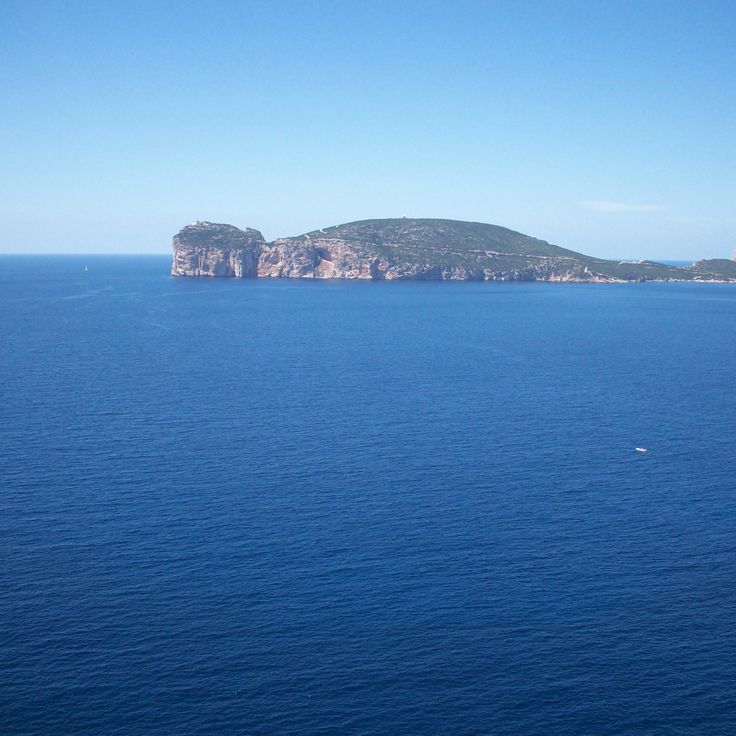
This granite island off western Sardinia shows traces of early settlement and a particular plant life. Mal di Ventre holds remains from Phoenician and Roman times and several species that grow only here. The island is uninhabited and lies about 3 miles (5 kilometers) from the coast in clear water.
This temple was built in the 3rd century BC and reshaped in Roman style during the 3rd century AD. The site sits in a quiet valley between wooded hills, surrounded by Mediterranean vegetation. Six columns of local limestone frame the entrance to the sanctuary, originally dedicated to the Punic god Sid and later to the Roman Sardus Pater. Foundations of earlier building phases are visible around the temple, showing how the cult site evolved over centuries. The place conveys a sense of continuity between the cultures that shaped Sardinia.
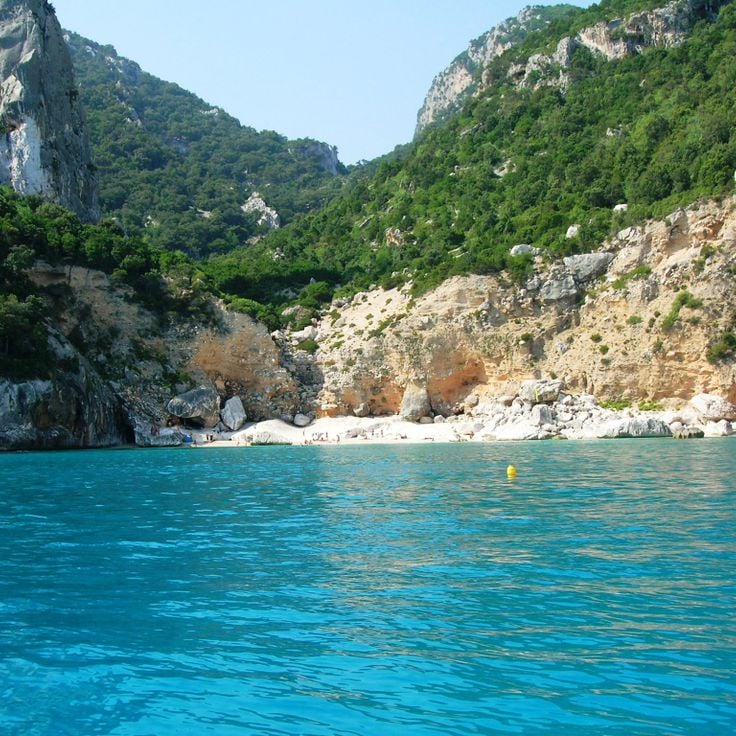
This beach connects white sand with turquoise water between limestone cliffs on the eastern coast of Sardinia. Cala Mariolu Beach sits in a protected cove and can be reached by hiking trails or boat, which keeps it quiet and free from mass tourism. The rocks frame the coastline and create small bays where the water is clear and shallow. The sand consists of small pebbles that give the beach its light color. The surroundings belong to the Gennargentu National Park, where nature is protected and the landscape remains wild.
Elephant Rock is made of red trachyte that wind and weather have shaped over thousands of years into a form resembling an elephant. Inside the rock are two burial chambers from the Domus de Janas period, prehistoric rock-cut tombs. Erosion has given the stone a distinct silhouette, while the chambers offer glimpses into the burial practices of early inhabitants of Sardinia.
This complex consists of a central tower and four smaller towers, surrounded by the remains of a settlement with around one hundred round huts from the Bronze Age. The site lies near Gonnesa and shows the typical layout of a fortified prehistoric community. The walls built from large stone blocks still stand partly upright, and between the towers you can see the low foundations of dwellings. The ground is covered with Mediterranean vegetation, and lizards dart across the warm stones. Visitors can walk among the ruins and imagine what life looked like here thousands of years ago.
This waterfall drops about 100 feet (30 meters) over granite rocks into a forested gorge near Villacidro. A marked path leads through dense Mediterranean vegetation to the viewpoint. The surroundings are shady and moist, with ferns and moss covering the stones. The trail follows the stream, and the sound of water can be heard from a distance. In spring and after rainfall, the flow increases considerably. The route is manageable but somewhat steep in places. This waterfall is among the less visited natural sites in Sardinia and shows the mountainous landscape of the island.
These cliffs rise from the Mediterranean Sea with rock faces reaching over 300 meters in height. The limestone holds a series of marine caves where stalactites grow. Paths run across the heights, from where the open water and the Sardinian coast appear in a wide arc. Seabirds nest in the crevices. Boats dock at lower entrances to guide visitors through the lit chambers. Light shifts with the hours and the stone changes from gray to gold. Fishermen and keepers have worked here for centuries. Wind shapes the vegetation and salt rests on the rocks.
This archaeological site shows columns, thermal baths, and temples built from the 8th century BC onward. Phoenicians founded the settlement, and later Romans expanded it. The remains sit on a peninsula and reveal several centuries of history. Tharros served as a harbor and trading post, with its coastal location shaping daily life. Visitors walk among foundations, stone paths, and wall fragments left by two cultures.
This small bay near Santa Teresa Gallura sits among granite rocks that drop into turquoise water. Below the surface live numerous fish and coral formations that divers often visit. The rocks form natural pools where the water changes color throughout the day. Local fishermen have known this spot for generations as a good place for snorkeling. The seabed remains visible through the clear water. A narrow path between the rocks leads down to the shore. Even during summer months the bay stays relatively quiet because it lies away from the main beaches.
This cave opens along the western coast of the island and draws visitors with an underground saltwater lake, stalactites and stalagmites. You reach the Grotta di Nettuno by climbing down 656 steps carved along the cliff face, or by taking a boat from the harbor. Inside, narrow paths follow the water past columns and rock formations that have grown over thousands of years. The air feels damp and cool, and light filters through the stone openings sparingly. This site forms part of a collection of historic and natural places across Sardinia, spanning from prehistoric periods to the present day.
This nuraghe consists of 17 towers surrounding a central tower. The complex ranks among the largest nuraghe sites in Sardinia. The stone walls show the building techniques of the island's prehistoric inhabitants. Visitors can walk among the towers and explore the massive Bronze Age structure.
This burial monument from the second millennium BC extends about 13 meters (43 feet) and served the nuragic community as a place to bury their dead. The structure belongs to the collective tombs typical of this region during that period. The name refers to the large stone blocks used in such constructions. The site lies in an area that preserves several similar remains from prehistoric times. You can still see the typical shape with the semicircular exedra and the long corridor. The monument shows how people of this culture buried their dead and what importance the community gave to death.
This beach lies on the northern coast of Sardinia and takes its name from the pink sand created by crushed corals and shells. The shore has been closed to visitors since 1994 to protect the delicate coastline. The water remains turquoise blue and the surrounding area shows Mediterranean vegetation with low shrubs. From the sea you can see the color of the shore while small rock formations break up the coastline. Spiaggia Rosa belongs to the La Maddalena archipelago and is under nature protection.
This 16th-century defense tower stands on a small island off the coast and was part of a system protecting against pirate attacks. The Torre della Pelosa guards the entrance to the bay and overlooks turquoise water and white sand beaches. The tower rises on the islet of Isola Piana and served as a watchtower for centuries. From here, soldiers monitored the sea and warned the population of danger. The island is separated from the mainland by shallow water that can sometimes be waded through at low tide. Mediterranean vegetation grows among rocks around the tower.
This bay on Spargi island shows white sand and turquoise water between granite rocks. Cala Corsara sits on the northern coast of Spargi, a small uninhabited island in the Maddalena archipelago. The beach has clear, shallow water and is surrounded by rounded granite formations that shape the shoreline. Boats often anchor in the protected zone in front of the beach, and visitors typically reach the bay by sea since there are no permanent settlements on Spargi.
This second-century amphitheater is carved into the limestone hillside and could hold around ten thousand spectators. The Romans used this arena for gladiator fights and other public events. The seating follows the natural curve of the terrain, and you can see the channels and underground passages that allowed animals and fighters to enter. The amphitheater sits on the edge of Cagliari and is one of the preserved Roman monuments in Sardinia.
This beach lies in a deep cove between pale limestone cliffs that rise over 460 feet (140 meters) and drop sharply into turquoise water. A natural stone arch juts out from the sea at the edge of the cove, forming a distinct landmark. The fine white pebbles gleam under the sun. Cala Goloritzè was shaped by a landslide in the 1960s and is now reachable only on foot or by boat. The cliffs provide shade in the afternoon, while the clear water invites swimming and snorkeling.
This Bronze Age tower stands on a low hill near Abbasanta, dating to 1500 BC. The structure consists of a central tower surrounded by three smaller towers, all built with basalt blocks without mortar. The walls taper upward and reach considerable height. Inside, stone corridors and stairs lead to upper chambers. The site shows the advanced building techniques of the Nuragic culture. Visitors can explore the passages and examine the precise stonework up close. The surrounding grounds preserve remains of a prehistoric settlement.
This mining complex in Guspini preserves structures from the 19th century, including tunnels, processing facilities and administrative buildings. The site remained operational until 1991 and now shows the industrial history of Sardinia. Visitors find engine rooms, warehouses and workers' housing settlements. The abandoned buildings stand among hills with old vegetation. Rusting machinery and empty workshops tell stories of daily life in the mines. Pathways connect production areas with residential quarters. In some places, rails and ore carts remain visible. The architecture mixes functional buildings with decorative elements from the early industrial period.
This marine park spreads across seven main islands and many smaller rocks. The water between the islands shows different shades of blue depending on depth and light. Coastlines alternate between granite formations and sandy coves. On calm days you can see the seabed from a boat. Fishermen and sailors use the protected waters regularly. The islands preserve Mediterranean vegetation and serve as habitat for various marine life. Visitors explore the waters by boat or while snorkeling.
This estate was built in 1897 as a country residence and has been empty since 1956. Webber Estate sits in a coastal area in the southwest of the island and offers a view into late 19th-century architecture. The overgrown garden still preserves some Mediterranean plant species, including Aleppo pines and mastic shrubs, as well as a small pond. The rooms show traces of past inhabitants, with faded wall decorations and abandoned furniture. The building belongs to the hidden locations across Sardinia that tell stories of life in earlier generations.
This church dates from the 13th century and shows Romanesque forms. Inside hang wall paintings from different periods. The building was restored in 1943. The church stands in Cagliari and connects medieval architecture with traces of later epochs. The paintings tell of religious practice over centuries. Visitors find here an example of Sardinian church art that makes several historical layers visible.
This botanical garden was founded in the 19th century to collect and study Mediterranean and tropical plants. It spreads over several hectares near the old town and displays palms, succulents, ferns, and water plants from different climate zones. Greenhouses shelter delicate species. Shaded paths wind among old trees and flowerbeds. The grounds serve research and conservation of rare plants and offer visitors a quiet place to walk.
This 16th-century defense tower stands 19 meters tall (62 feet) and served as an observation post against pirate attacks on the Sardinian coast. The tower was part of a historic network of watchtowers built along the shore to protect local communities. From the top, guards could spot approaching ships early and send warning signals to neighboring towers. Today this tower is among the historic sites in Sardinia that show the history of coastal defense and maritime life in the region.
This beach sits beside the ruins of an old silver mine from the 19th century. Historical industrial buildings still stand and recall the time when ore was extracted here. The beach stretches about 500 meters (1,640 feet) along the coast. Sand and pebble mark the shoreline. The place feels quiet, almost deserted. You can see the old mine structures directly from the water. Stone and concrete buildings fit into the rocky landscape. The site connects nature with industrial history in an unusual way.
This cave in Fluminimaggiore extends eight kilometers underground and shows limestone formations in different sizes and shapes. Underground lakes with a constant temperature of 59°F (16°C) fill some of the deeper areas. The water stays cool throughout the year. The cave is among the sites in Sardinia that make geological processes over long periods visible. Visitors can walk through lit passages and experience the silent rooms below the surface.
These ruins sit inside a mountain cave and show how people built and lived during prehistoric times. The settlement fits into the natural surroundings, with stone walls that hug the rock faces. The climb to the site leads through a rocky valley. Tiscali is one of the less accessible traces of the Nuragic culture in Sardinia and offers a view of daily life in a remote mountain area during the Bronze Age.
This spring in Oliena emerges at the base of limestone formations and feeds a natural pool that appears deep blue due to its depth of 135 meters. The water flows from the rock at a constant temperature throughout the year and runs into a river that crosses the region. The setting combines geological features with traditional shepherd routes and shows how underground water channels shape the landscape of Sardinia.
This necropolis includes twenty chambers carved into rock, dating from between 3000 and 2700 BCE. Sant'Andrea Priu stands among the larger prehistoric burial sites in Sardinia, showing the burial practices of those early cultures. The rooms spread across several levels and feature worked walls in places. Some chambers were later used as Christian chapels, with frescoes and altars added. The site connects multiple periods of regional history in a single location.
This karst cave near Dorgali holds one of the tallest calcite columns in Europe, rising from floor to ceiling and measuring about 125 feet (38 meters). The Grotta di Ispinigoli extends vertically into the depths, reaching approximately 920 feet (280 meters) below the surface. Inside, stalactites and stalagmites form a dense maze of limestone formations that developed over thousands of years. Light enters through openings and illuminates the white and ochre walls. Access is through a narrow path leading into the chamber with the large column. The cave served as a burial site in prehistoric times, and excavations have uncovered pottery fragments and human remains. The temperature stays cool and constant throughout the year. Visitors follow a marked route through the main galleries.
This Bronze Age burial site near Arzachena shows Sardinia's prehistoric burial culture. The structure consists of a long rectangular grave and a row of upright stone slabs that rise from the ground like teeth. At the center stands a tall stele with a rounded top, measuring over four meters (13 feet), flanked by smaller stones. The name of the tomb refers to Sardinian legends about giants who once lived on the island. The structure extends 13 meters (43 feet) and is built from local granite blocks fitted together without mortar. Visitors can walk around the site and see the archaic construction techniques of the early inhabitants of the Gallura region.
The house walls of this Sardinian village display more than 150 political and social murals painted since 1968. The murals of Orgosolo cover entire facades and transform the streets into an open museum of regional history. Residents began the tradition to protest against injustices and document local events. Today you find depictions of shepherds, workers, historical moments, and global political themes. Walking through the lanes, you encounter new motifs at every turn, often created by local artists and students. These artworks together form a living archive of Sardinian identity and social commentary.
This place presents a stone platform from around 4000 BCE, raised above the ground and reached by a long ramp built from blocks. The structure recalls stepped temples found in distant regions but remains unusual for the Mediterranean. Monte d'Accoddi stands in open countryside near Sassari and represents one of the earliest examples of monumental ritual building on the island. Visitors walk among shaped stones, low walls, and remnants of ancillary rooms under a wide sky.
This lighthouse stands on a granite promontory overlooking the Strait of Bonifacio and was built in 1845. Capo Testa Lighthouse belongs to the historical structures along this Sardinian coastline, where jagged rocks drop into the sea and wind often blows strongly. From here, the beacon has watched over the waters between Sardinia and Corsica for nearly two centuries. The area around the lighthouse shows smooth granite formations shaped by thousands of years of wind and water. Fishermen and sailors have relied on its light when crossing these waters at night.
This Bronze Age well temple from the 11th century BC ranks among Sardinia's oldest cult sites. The precisely worked stone architecture of Santa Cristina leads down a narrow staircase to the water level. Each trachyte block fits without mortar into the construction, and the dome arches over the circular basin. Light falls through the opening and reaches the water twice a year at the equinoxes. The Nuragic civilization used the well for ritual acts connected to water worship. Around the structure lie remains of a meeting hut and smaller buildings. The site sits in a rural area among hills with cork oak trees.
These caves near Santadi lead through a system of underground chambers where aragonite crystals grow along the walls. The passages extend over a long stretch and display different limestone formations that developed over thousands of years. Water shaped the rock and left structures that shimmer in different colors. The caves belong to the geological features of the island and offer insight into the slow processes beneath the surface that shape the landscape of Sardinia.
This necropolis contains forty rock-cut tombs dating from between 4000 and 3000 BCE. Domus de Janas of Montessu shows chambers with reliefs, engravings, and traces of red paint on the walls. Some rooms have curved ceilings that imitate wooden structures. The site sits in a quiet hillside landscape with scrub vegetation. Archaeologists have found objects suggesting ritual practices. Visitors walk through narrow entrances and see the different chambers that were used over centuries. The place gives a sense of how people dealt with death in the Neolithic period.
This beach lies at the northern tip of Sardinia, near a small settlement that once served as a tuna fishing station. The sand is pale and fine, the water shallow and calm over long stretches, so you can wade far out without losing your footing. Just offshore sits a small rocky island with an old watchtower from Spanish rule, built to guard the approach to the gulf. The beach runs about 300 meters, backed by dunes and low scrub. In summer, many visitors arrive, drawn by the clear water and views of the offshore islands. The water shifts between turquoise and pale green, depending on the light and depth. Wind can pick up at times, especially in the afternoon. La Pelosa is one of the most recognized beaches on the island, attracting families and snorkelers who explore the shallow bays.
This limestone sea stack rises 433 feet (133 meters) from the water along the coast of Iglesias. Remains of 19th century mines mark the surrounding area, showing the region's mining history. The formation stands close to the mainland and creates a distinctive coastal view that connects Sardinia's geological and industrial past.
This beach on Sardinia's western coast stretches for 2 kilometers and sits in a bay surrounded by cliffs and rock formations. Juniper trees line the sand and provide shade. The water is shallow and clear. Few visitors come here, and even in summer some sections remain empty. Fishermen use the southern part of the bay in the mornings. The beach is reached by an unpaved road that winds through scrubland and low hills.
This bay along the eastern coast of Sardinia features large caves set into the limestone cliffs and a beach of pale sand. Six grottoes open directly onto the shore and offer natural shade from the sun. The water is clear and the rocks form a sheltered setting for swimmers and snorkelers. Juniper bushes grow among the stones above the beach. The site is accessible by sea or by hiking trails that pass through Mediterranean vegetation.
The Bidderosa Nature Reserve protects 860 hectares (2,125 acres) of coastal land with Mediterranean forests and five small sandy beaches set between rocky outcrops. This protected area limits access through a reservation system, so the beaches and trails remain uncrowded. Paths lead through pine woods and scrubland past coves of clear water. Visitors find Sardinian landscape in a natural state here, with quiet beaches and forested hills descending to the sea. The reserve shows what the island's coast looks like without intensive development.
This limestone gorge reaches a depth of about 500 meters (1,600 feet) and was shaped by the erosion of the Flumendosa River over millions of years. Gorropu Canyon sits in a remote area and displays steep rock walls that narrow to just a few meters apart in some sections. Visitors walk through a stony riverbed, surrounded by high cliffs that allow sunlight through only at certain times of day. The sound of flowing water accompanies the path, while the temperature remains pleasantly cool in the shade of the walls.
This prehistoric tower in Torralba stands among the tallest remaining nuraghi in Sardinia. The stones were stacked without mortar to form a three-story structure from the Bronze Age. Narrow staircases inside connect the levels. The central tower is flanked by three smaller towers that together create a fortified complex.
This granite island off western Sardinia shows traces of early settlement and a particular plant life. Mal di Ventre holds remains from Phoenician and Roman times and several species that grow only here. The island is uninhabited and lies about 3 miles (5 kilometers) from the coast in clear water.
This temple was built in the 3rd century BC and reshaped in Roman style during the 3rd century AD. The site sits in a quiet valley between wooded hills, surrounded by Mediterranean vegetation. Six columns of local limestone frame the entrance to the sanctuary, originally dedicated to the Punic god Sid and later to the Roman Sardus Pater. Foundations of earlier building phases are visible around the temple, showing how the cult site evolved over centuries. The place conveys a sense of continuity between the cultures that shaped Sardinia.
This beach connects white sand with turquoise water between limestone cliffs on the eastern coast of Sardinia. Cala Mariolu Beach sits in a protected cove and can be reached by hiking trails or boat, which keeps it quiet and free from mass tourism. The rocks frame the coastline and create small bays where the water is clear and shallow. The sand consists of small pebbles that give the beach its light color. The surroundings belong to the Gennargentu National Park, where nature is protected and the landscape remains wild.
Elephant Rock is made of red trachyte that wind and weather have shaped over thousands of years into a form resembling an elephant. Inside the rock are two burial chambers from the Domus de Janas period, prehistoric rock-cut tombs. Erosion has given the stone a distinct silhouette, while the chambers offer glimpses into the burial practices of early inhabitants of Sardinia.
This complex consists of a central tower and four smaller towers, surrounded by the remains of a settlement with around one hundred round huts from the Bronze Age. The site lies near Gonnesa and shows the typical layout of a fortified prehistoric community. The walls built from large stone blocks still stand partly upright, and between the towers you can see the low foundations of dwellings. The ground is covered with Mediterranean vegetation, and lizards dart across the warm stones. Visitors can walk among the ruins and imagine what life looked like here thousands of years ago.
This waterfall drops about 100 feet (30 meters) over granite rocks into a forested gorge near Villacidro. A marked path leads through dense Mediterranean vegetation to the viewpoint. The surroundings are shady and moist, with ferns and moss covering the stones. The trail follows the stream, and the sound of water can be heard from a distance. In spring and after rainfall, the flow increases considerably. The route is manageable but somewhat steep in places. This waterfall is among the less visited natural sites in Sardinia and shows the mountainous landscape of the island.
These cliffs rise from the Mediterranean Sea with rock faces reaching over 300 meters in height. The limestone holds a series of marine caves where stalactites grow. Paths run across the heights, from where the open water and the Sardinian coast appear in a wide arc. Seabirds nest in the crevices. Boats dock at lower entrances to guide visitors through the lit chambers. Light shifts with the hours and the stone changes from gray to gold. Fishermen and keepers have worked here for centuries. Wind shapes the vegetation and salt rests on the rocks.
This archaeological site shows columns, thermal baths, and temples built from the 8th century BC onward. Phoenicians founded the settlement, and later Romans expanded it. The remains sit on a peninsula and reveal several centuries of history. Tharros served as a harbor and trading post, with its coastal location shaping daily life. Visitors walk among foundations, stone paths, and wall fragments left by two cultures.
This small bay near Santa Teresa Gallura sits among granite rocks that drop into turquoise water. Below the surface live numerous fish and coral formations that divers often visit. The rocks form natural pools where the water changes color throughout the day. Local fishermen have known this spot for generations as a good place for snorkeling. The seabed remains visible through the clear water. A narrow path between the rocks leads down to the shore. Even during summer months the bay stays relatively quiet because it lies away from the main beaches.
This cave opens along the western coast of the island and draws visitors with an underground saltwater lake, stalactites and stalagmites. You reach the Grotta di Nettuno by climbing down 656 steps carved along the cliff face, or by taking a boat from the harbor. Inside, narrow paths follow the water past columns and rock formations that have grown over thousands of years. The air feels damp and cool, and light filters through the stone openings sparingly. This site forms part of a collection of historic and natural places across Sardinia, spanning from prehistoric periods to the present day.
This nuraghe consists of 17 towers surrounding a central tower. The complex ranks among the largest nuraghe sites in Sardinia. The stone walls show the building techniques of the island's prehistoric inhabitants. Visitors can walk among the towers and explore the massive Bronze Age structure.
This burial monument from the second millennium BC extends about 13 meters (43 feet) and served the nuragic community as a place to bury their dead. The structure belongs to the collective tombs typical of this region during that period. The name refers to the large stone blocks used in such constructions. The site lies in an area that preserves several similar remains from prehistoric times. You can still see the typical shape with the semicircular exedra and the long corridor. The monument shows how people of this culture buried their dead and what importance the community gave to death.
This beach lies on the northern coast of Sardinia and takes its name from the pink sand created by crushed corals and shells. The shore has been closed to visitors since 1994 to protect the delicate coastline. The water remains turquoise blue and the surrounding area shows Mediterranean vegetation with low shrubs. From the sea you can see the color of the shore while small rock formations break up the coastline. Spiaggia Rosa belongs to the La Maddalena archipelago and is under nature protection.
This 16th-century defense tower stands on a small island off the coast and was part of a system protecting against pirate attacks. The Torre della Pelosa guards the entrance to the bay and overlooks turquoise water and white sand beaches. The tower rises on the islet of Isola Piana and served as a watchtower for centuries. From here, soldiers monitored the sea and warned the population of danger. The island is separated from the mainland by shallow water that can sometimes be waded through at low tide. Mediterranean vegetation grows among rocks around the tower.
This bay on Spargi island shows white sand and turquoise water between granite rocks. Cala Corsara sits on the northern coast of Spargi, a small uninhabited island in the Maddalena archipelago. The beach has clear, shallow water and is surrounded by rounded granite formations that shape the shoreline. Boats often anchor in the protected zone in front of the beach, and visitors typically reach the bay by sea since there are no permanent settlements on Spargi.
This second-century amphitheater is carved into the limestone hillside and could hold around ten thousand spectators. The Romans used this arena for gladiator fights and other public events. The seating follows the natural curve of the terrain, and you can see the channels and underground passages that allowed animals and fighters to enter. The amphitheater sits on the edge of Cagliari and is one of the preserved Roman monuments in Sardinia.
This beach lies in a deep cove between pale limestone cliffs that rise over 460 feet (140 meters) and drop sharply into turquoise water. A natural stone arch juts out from the sea at the edge of the cove, forming a distinct landmark. The fine white pebbles gleam under the sun. Cala Goloritzè was shaped by a landslide in the 1960s and is now reachable only on foot or by boat. The cliffs provide shade in the afternoon, while the clear water invites swimming and snorkeling.
This Bronze Age tower stands on a low hill near Abbasanta, dating to 1500 BC. The structure consists of a central tower surrounded by three smaller towers, all built with basalt blocks without mortar. The walls taper upward and reach considerable height. Inside, stone corridors and stairs lead to upper chambers. The site shows the advanced building techniques of the Nuragic culture. Visitors can explore the passages and examine the precise stonework up close. The surrounding grounds preserve remains of a prehistoric settlement.
This mining complex in Guspini preserves structures from the 19th century, including tunnels, processing facilities and administrative buildings. The site remained operational until 1991 and now shows the industrial history of Sardinia. Visitors find engine rooms, warehouses and workers' housing settlements. The abandoned buildings stand among hills with old vegetation. Rusting machinery and empty workshops tell stories of daily life in the mines. Pathways connect production areas with residential quarters. In some places, rails and ore carts remain visible. The architecture mixes functional buildings with decorative elements from the early industrial period.
This marine park spreads across seven main islands and many smaller rocks. The water between the islands shows different shades of blue depending on depth and light. Coastlines alternate between granite formations and sandy coves. On calm days you can see the seabed from a boat. Fishermen and sailors use the protected waters regularly. The islands preserve Mediterranean vegetation and serve as habitat for various marine life. Visitors explore the waters by boat or while snorkeling.
This estate was built in 1897 as a country residence and has been empty since 1956. Webber Estate sits in a coastal area in the southwest of the island and offers a view into late 19th-century architecture. The overgrown garden still preserves some Mediterranean plant species, including Aleppo pines and mastic shrubs, as well as a small pond. The rooms show traces of past inhabitants, with faded wall decorations and abandoned furniture. The building belongs to the hidden locations across Sardinia that tell stories of life in earlier generations.
This church dates from the 13th century and shows Romanesque forms. Inside hang wall paintings from different periods. The building was restored in 1943. The church stands in Cagliari and connects medieval architecture with traces of later epochs. The paintings tell of religious practice over centuries. Visitors find here an example of Sardinian church art that makes several historical layers visible.
This botanical garden was founded in the 19th century to collect and study Mediterranean and tropical plants. It spreads over several hectares near the old town and displays palms, succulents, ferns, and water plants from different climate zones. Greenhouses shelter delicate species. Shaded paths wind among old trees and flowerbeds. The grounds serve research and conservation of rare plants and offer visitors a quiet place to walk.
This 16th-century defense tower stands 19 meters tall (62 feet) and served as an observation post against pirate attacks on the Sardinian coast. The tower was part of a historic network of watchtowers built along the shore to protect local communities. From the top, guards could spot approaching ships early and send warning signals to neighboring towers. Today this tower is among the historic sites in Sardinia that show the history of coastal defense and maritime life in the region.
This beach sits beside the ruins of an old silver mine from the 19th century. Historical industrial buildings still stand and recall the time when ore was extracted here. The beach stretches about 500 meters (1,640 feet) along the coast. Sand and pebble mark the shoreline. The place feels quiet, almost deserted. You can see the old mine structures directly from the water. Stone and concrete buildings fit into the rocky landscape. The site connects nature with industrial history in an unusual way.
This cave in Fluminimaggiore extends eight kilometers underground and shows limestone formations in different sizes and shapes. Underground lakes with a constant temperature of 59°F (16°C) fill some of the deeper areas. The water stays cool throughout the year. The cave is among the sites in Sardinia that make geological processes over long periods visible. Visitors can walk through lit passages and experience the silent rooms below the surface.