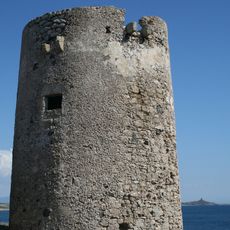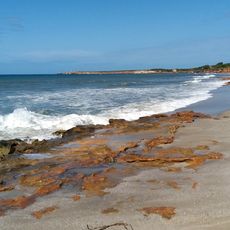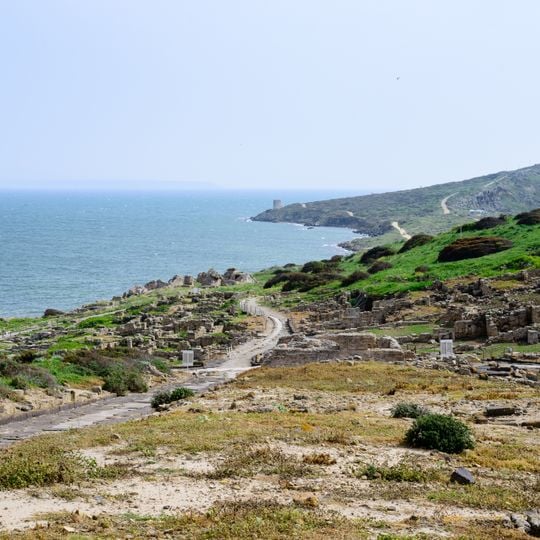
Tharros, Archaeological site in Cabras, Italy
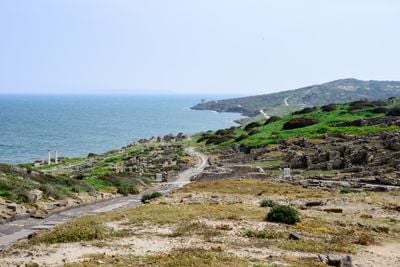
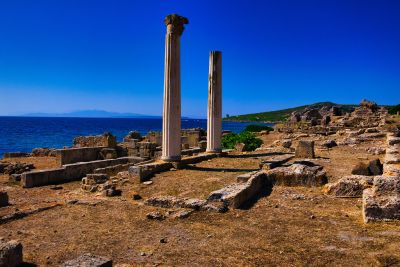
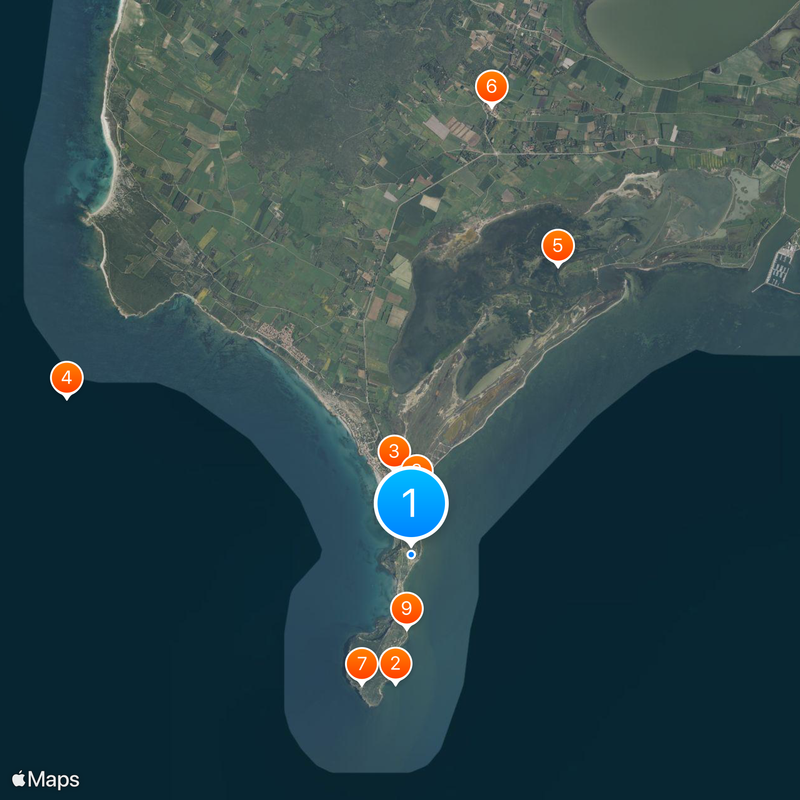
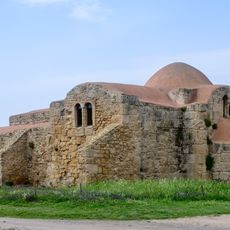
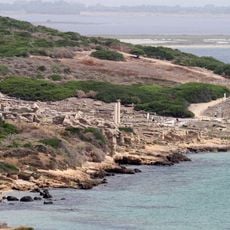
Tharros is an archaeological site in Cabras on the western coast of Sardinia, occupying a rocky peninsula overlooking the Gulf of Oristano. The sprawling remains include paved streets with deep ruts, residential structures of cut stone, and foundations of several public buildings arranged on a hillside facing the sea.
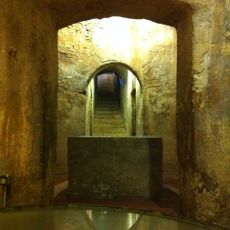
Phoenicians founded the town in the 8th century BC beside a Nuragic village on Su Muru Mannu hill, where a tophet was later built. Under Carthage it was fortified and grew through trade with Africa, Iberia and Massalia. Rome took it in 238 BC, and in the imperial age it received baths, an aqueduct and basalt-paved streets. It was abandoned around 1050.
The name Tharros comes from a Proto-Sardinian root, *tarr-, also found in Tarracina and Tarraco. A Sardinian saying, first recorded by Mattei, holds that stones were carted from Tharros to build Oristano. The tophet on Su Muru Mannu hill, an open-air Phoenician sacred place, marks the site's first urban phase.
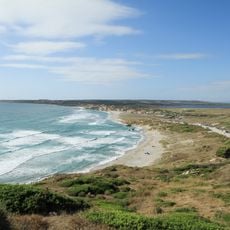
The excavated area is an open-air museum with ongoing digs, so some zones may be fenced off. The ground is earthy and stony, with a pale dirt track climbing through the ruins; wear sturdy shoes. The site sits on the windy Sinis peninsula by Capo San Marco, exposed to sea winds.
Analysis of skeletons from the southern burial ground showed individuals from North Africa and the Iberian Peninsula were interred here, revealing the far-reaching trade links of the ancient port. The diverse origins reflect the Mediterranean mobility of its inhabitants across centuries.
The community of curious travelers
AroundUs brings together thousands of curated places, local tips, and hidden gems, enriched daily by 94,672 contributors worldwide.