Piedmont, Region of Italy at the foot of the Alps
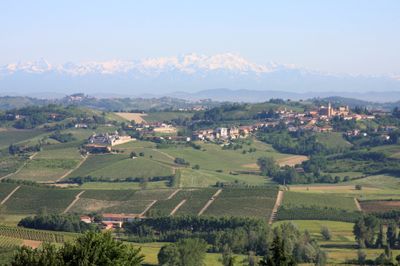
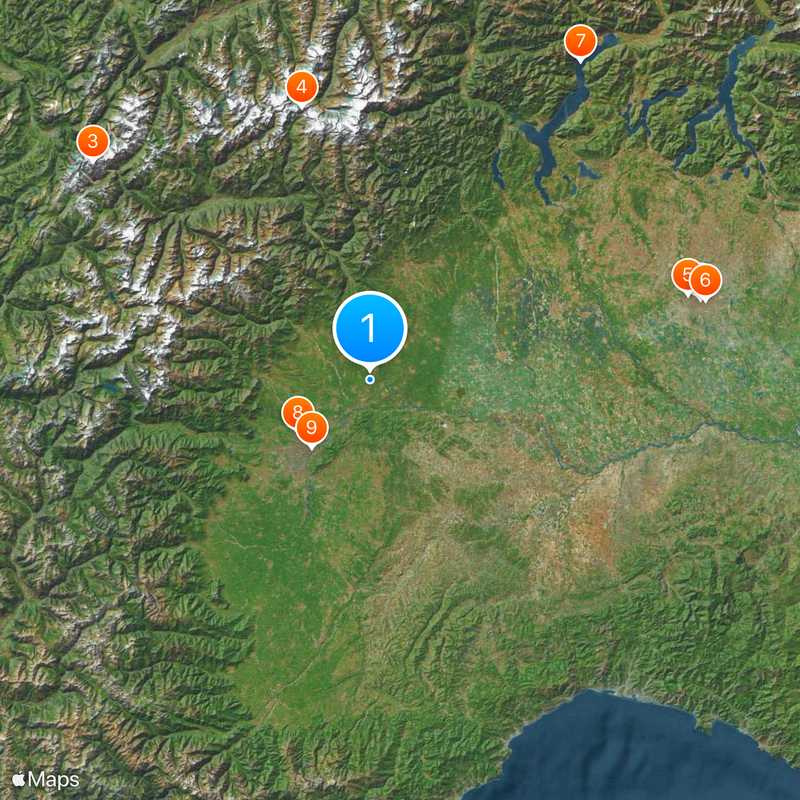
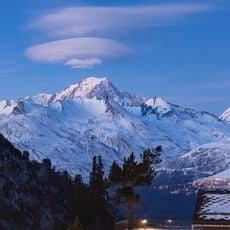
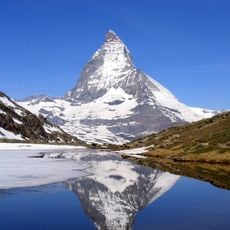
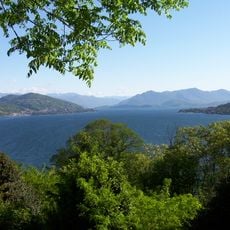
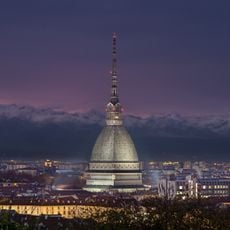
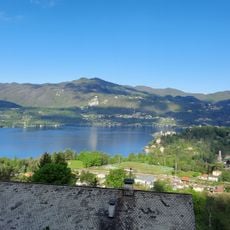
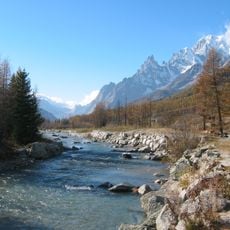
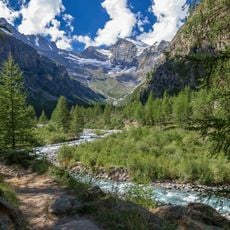
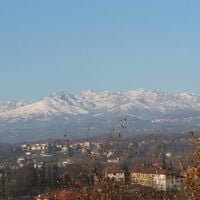
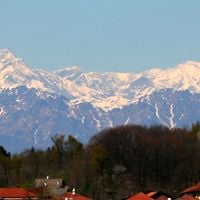
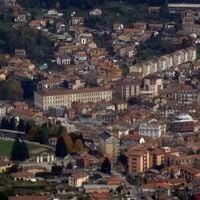
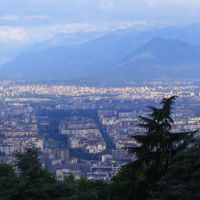
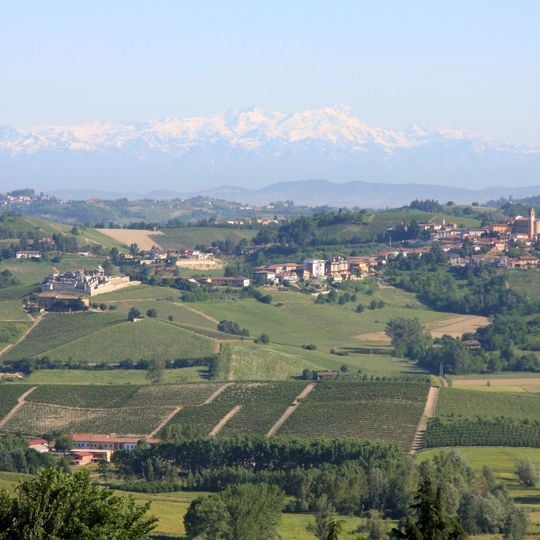
This administrative division lies in the northwest and stretches from the peaks of the Western Alps down to the flat plain of the Po River, sharing borders with France, Switzerland, Lombardy, Emilia-Romagna, and Liguria. The landscape shifts between steep mountains, rolling vineyard hills, and wide rice paddies, while Turin serves as the largest urban center.
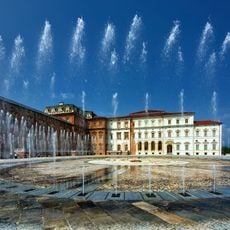
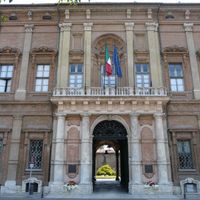
The ducal family of Savoy began consolidating power in the 15th century and transformed the area into a central force on the Italian peninsula. When the Italian states united between 1859 and 1861, Turin briefly became the first capital of the new country before the seat of government moved to Florence.
In the hills of Langhe and Monferrato, winemaking families spend generations tending their vineyards, and many villages organize autumn festivals around truffles and new wine releases. Locals maintain a slow pace of life where shared meals often last for hours, and dishes rely on hazelnuts, rice from the Po plain, and slow-braised meats.
The best time to travel is between spring and autumn when the vineyards are green and mountain passes remain clear of snow. Drivers reach most towns easily via country roads and motorways, while hikers and cyclists explore the hills and alpine valleys more easily during summer months.
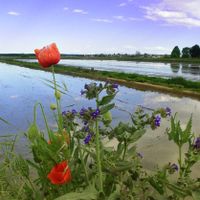
The western part holds some of the oldest European pilgrimage routes that wind through alpine valleys and connect tiny chapels with medieval frescoes. Further east lie extensive rice paddies that flood in spring and create a mirrored water landscape uncommon for a mountainous country.
The community of curious travelers
AroundUs brings together thousands of curated places, local tips, and hidden gems, enriched daily by 90,740 contributors worldwide.