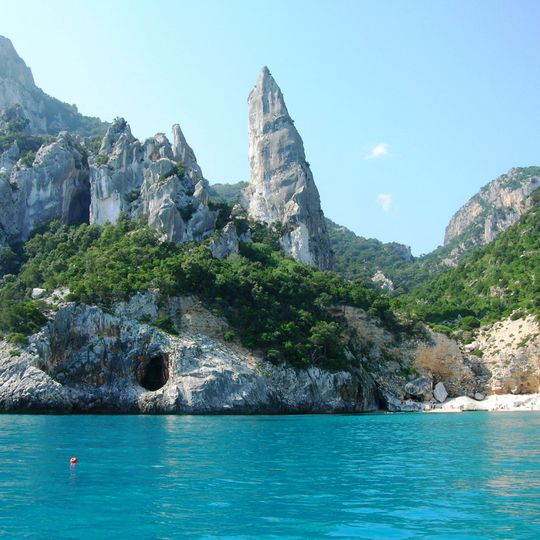
Sardinia, Autonomous region in Mediterranean Sea, Italy
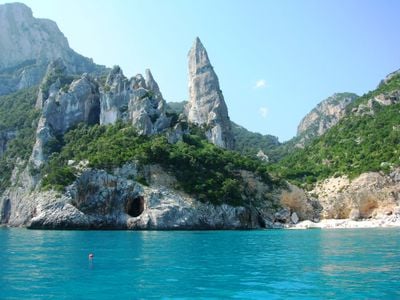
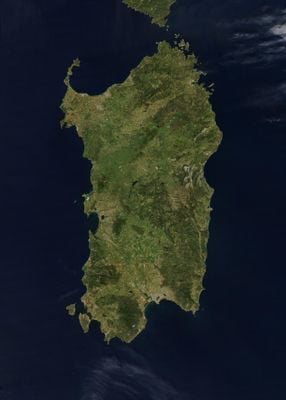
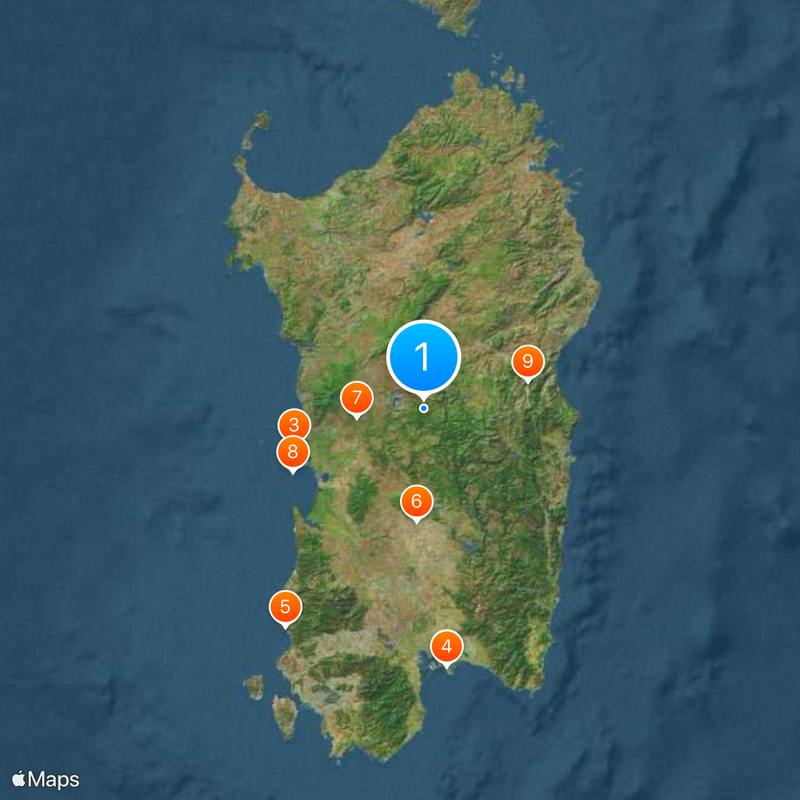
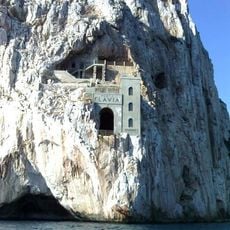
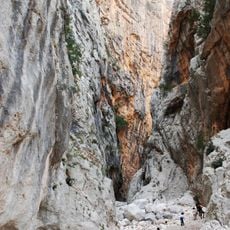
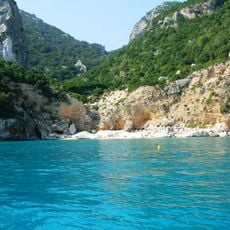
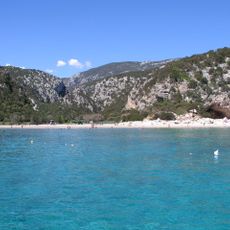
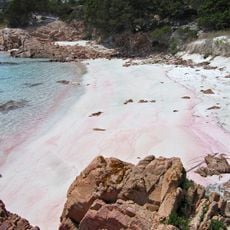
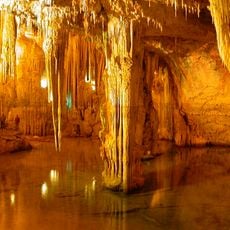
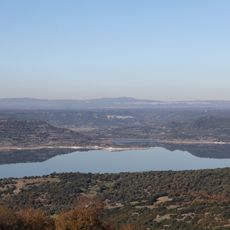
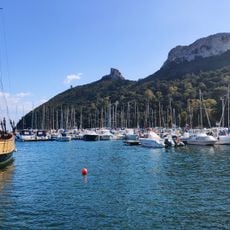
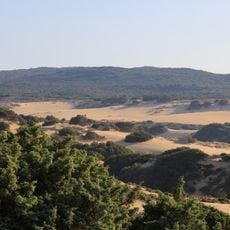
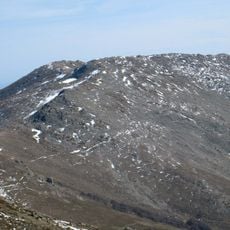
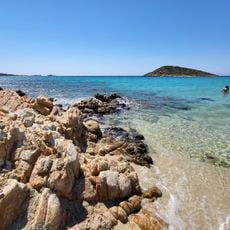
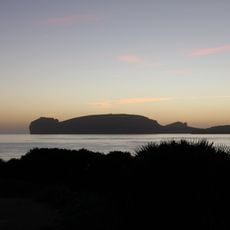
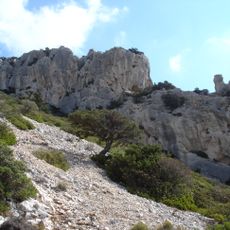
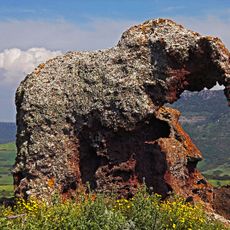
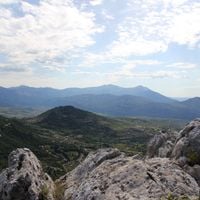
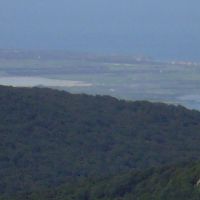
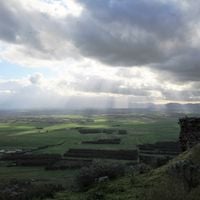
Sardinia is an autonomous region in the Mediterranean Sea that belongs to Italy and covers roughly 24,000 square kilometers (9,300 square miles). The landscape shows white sand beaches, granite cliffs, mountain ranges, and dense forests that spread across the entire territory.
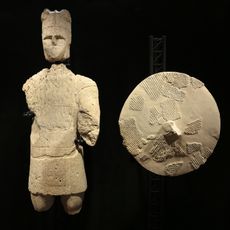
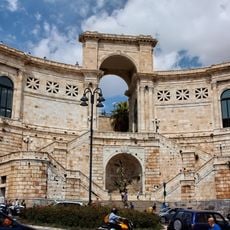
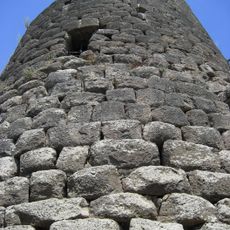
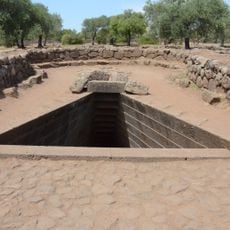
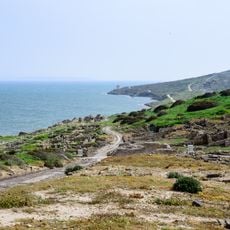
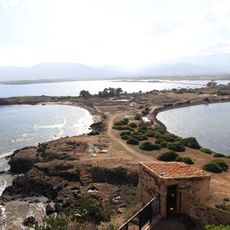
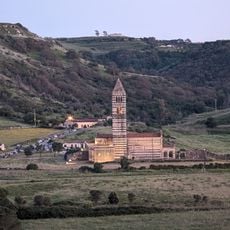
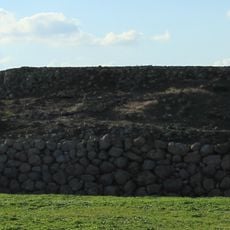
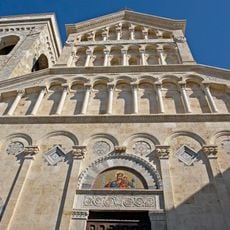
The Nuragic culture built more than 7,000 stone towers on the island between 1900 and 730 BCE, which today form important archaeological sites. Later, Phoenicians, Romans, Byzantines, and Spaniards ruled, each leaving traces in the architecture and culture.
Locals often speak Sardinian alongside Italian, a distinct Romance language you can hear in villages and at local markets. Traditional festivals celebrate patron saints with processions, horsemen in historical costumes, and chants that take place throughout the year in many towns.
The island connects to mainland Italy through three airports in Cagliari, Olbia, and Alghero, as well as through several ferry ports. Inland, winding roads pass through mountains and valleys, while coastal roads are generally easier to drive.
The island belongs to a Blue Zone, where residents reach one hundred years of age ten times more often than the global average. Researchers link this to the local diet rich in vegetables, legumes, and sheep cheese, as well as to a lifestyle with plenty of physical activity.
The community of curious travelers
AroundUs brings together thousands of curated places, local tips, and hidden gems, enriched daily by 91,981 contributors worldwide.