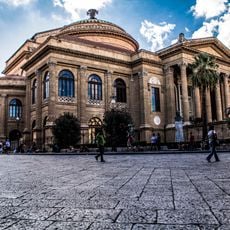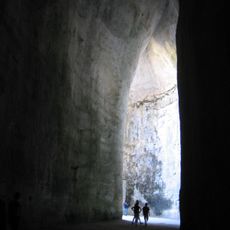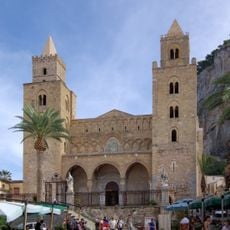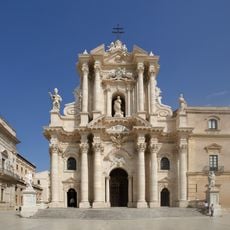
Sicily, Mediterranean autonomous region in southern Italy
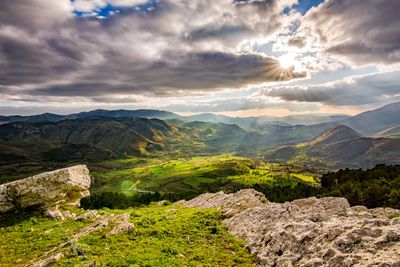
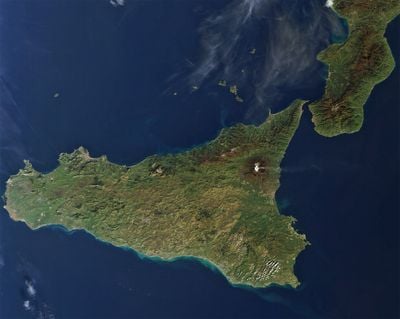
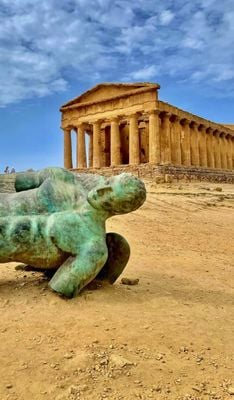
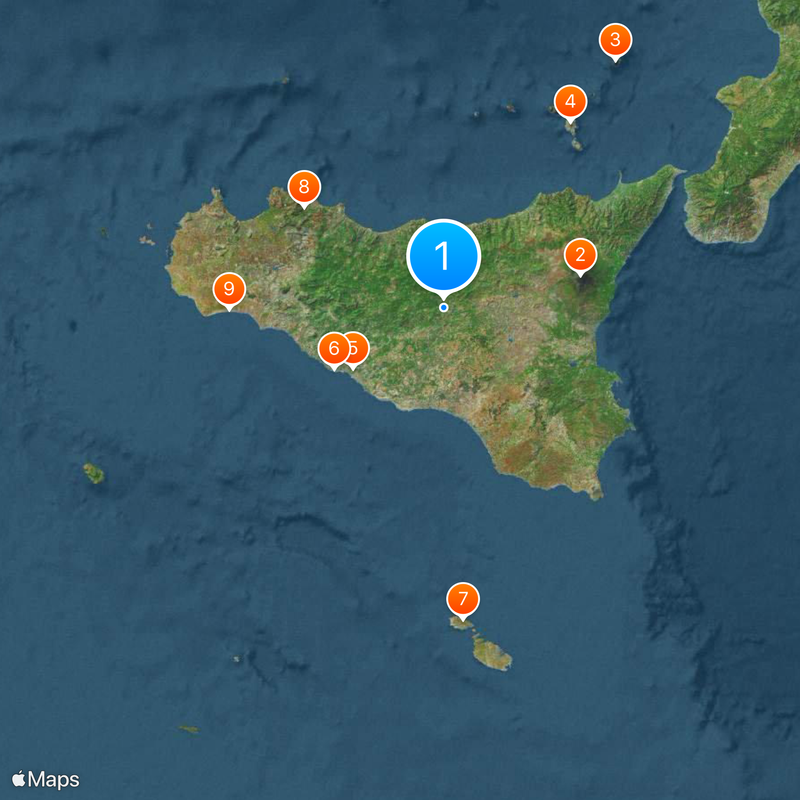
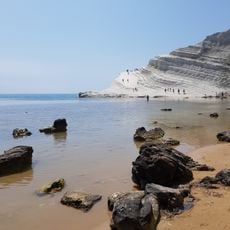
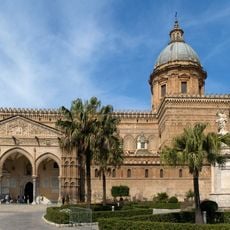
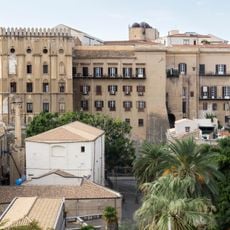
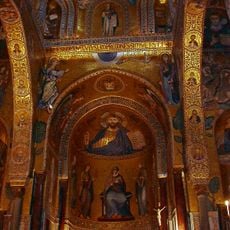
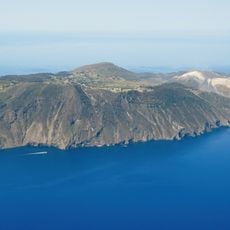
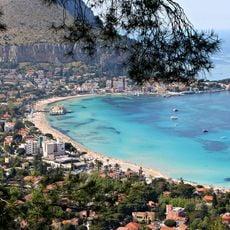
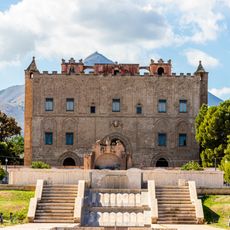
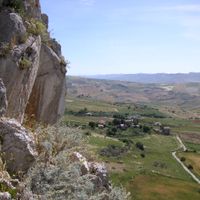
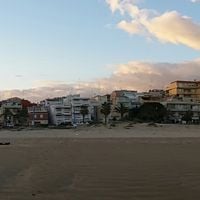
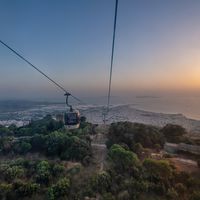
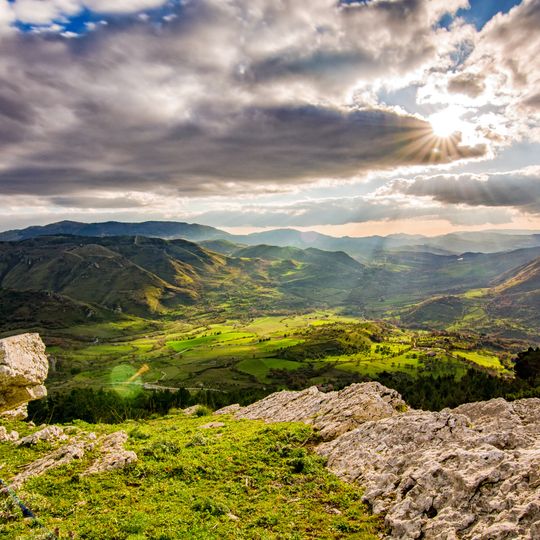
Sicily is an autonomous region in southern Italy and spans nine provinces with nearly five million residents across the largest Mediterranean island. Coastlines alternate between rocky cliffs and sandy beaches, while the interior shows rolling hills with wheat fields and vineyards alongside rough mountain ranges.
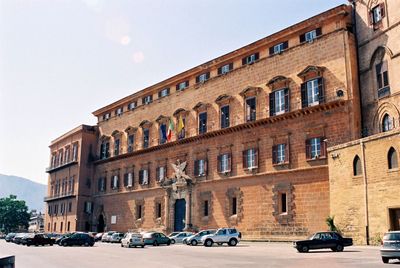
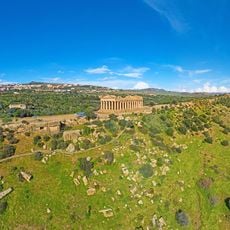
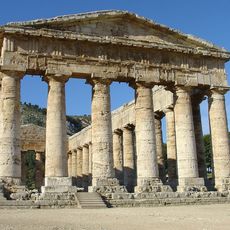
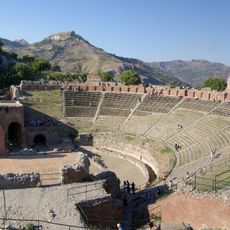
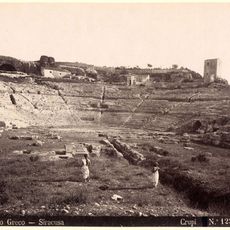
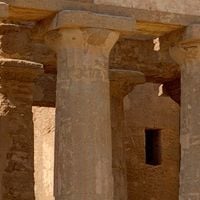
Greeks founded colonies along the coast from the eighth century before Christ, followed by Roman rule and later Arab control during medieval times. This region received special autonomous status in 1946 after World War Two with its own parliament and government.
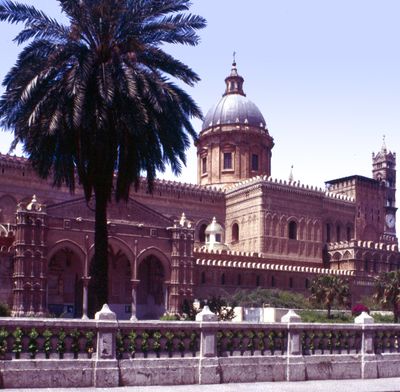
Local festivals follow a calendar filled with religious processions, where villages carry their patron saints through narrow streets and celebrate with music and fireworks. Markets fill early in the morning with fresh fish, oranges and vegetables, while families gather in bars during the afternoon to share granita with brioche.
Three airports in Palermo, Catania and Trapani connect the island to many European cities, while ferries from the mainland regularly reach different ports. Drivers should expect narrow mountain roads and frequent curves, especially in the interior between smaller towns.
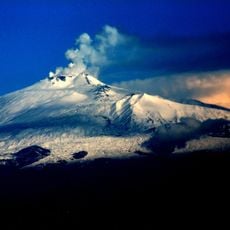
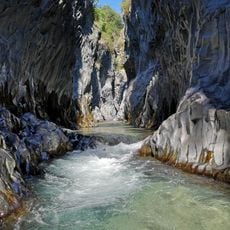
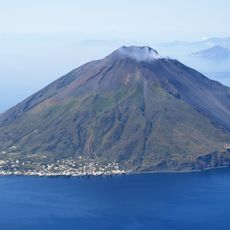
Etna, rising over 3,300 meters (about 11,000 feet) on the eastern side, ranks among the most active volcanoes in Europe with frequent eruptions. Snow covers its summit in winter, while hikers can often see warm lava fields on the slopes.
The community of curious travelers
AroundUs brings together thousands of curated places, local tips, and hidden gems, enriched daily by 91,983 contributors worldwide.