Ear of Dionysius, Ancient limestone cave in Syracuse, Italy
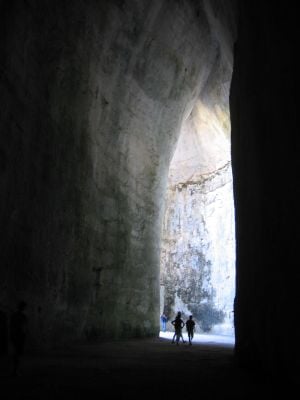
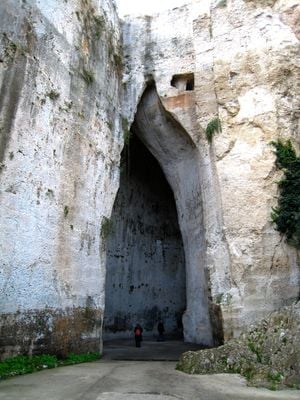
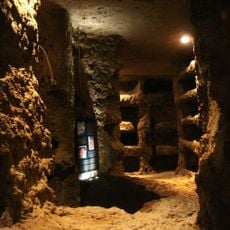
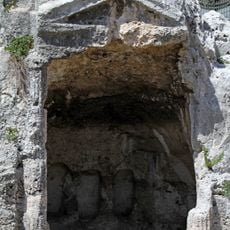
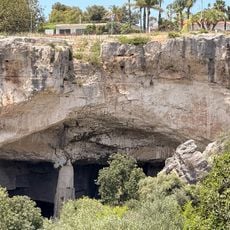
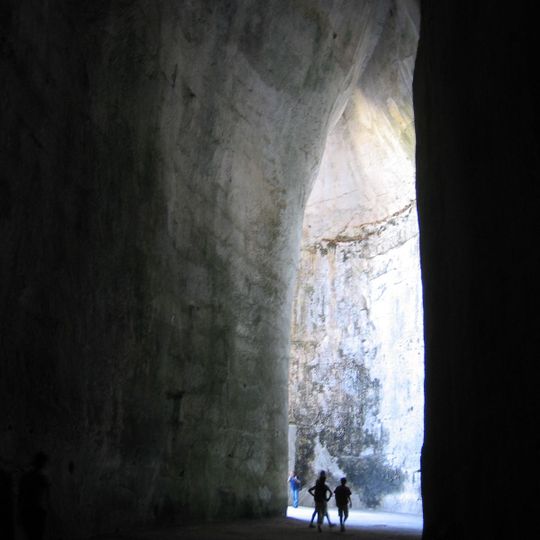
The Ear of Dionysius is an artificial cave in the Latomia del Paradiso in Syracuse, extending 65 meters (213 feet) deep into the limestone and rising up to 23 meters (75 feet) in height. Its curved walls form an S-shaped passage that narrows toward a pointed ceiling above.
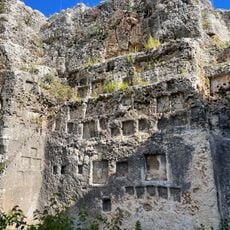
The cave originated as a stone quarry in the 5th century BC to provide material for temples and public buildings in the Greek colony. Tyrant Dionysius I later reportedly used it as a prison, where its acoustics allowed him to eavesdrop on conversations of captives.
The cave takes its name from the tyrant Dionysius and was labeled in the 16th century by painter Caravaggio, who compared its shape to a human ear. The exceptional acoustics have made it a popular venue for concerts and musical performances over the centuries.
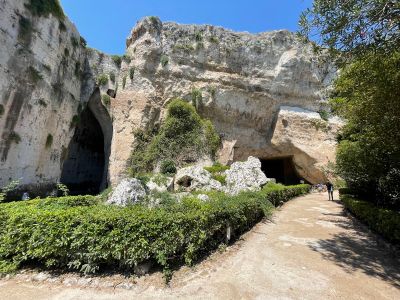
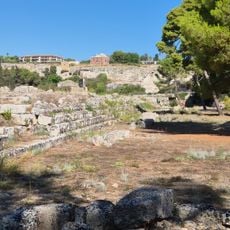
The cave is located within the Archaeological Park of Neapolis and remains accessible year-round, with early morning or late afternoon offering fewer crowds. A short climb to an observation point above the cave provides a different perspective on the structure.
A whisper at the entrance amplifies up to sixteen times and reaches the upper observation point with clarity, a phenomenon that once inspired scientists to study sound waves. The cave was also mentioned in Goethe's Italian Journey, cementing its place in European travel literature.
The community of curious travelers
AroundUs brings together thousands of curated places, local tips, and hidden gems, enriched daily by 60,000 contributors worldwide.