Ortygia, Historical island center in Syracuse, Italy
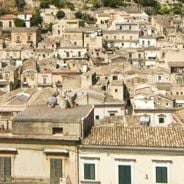
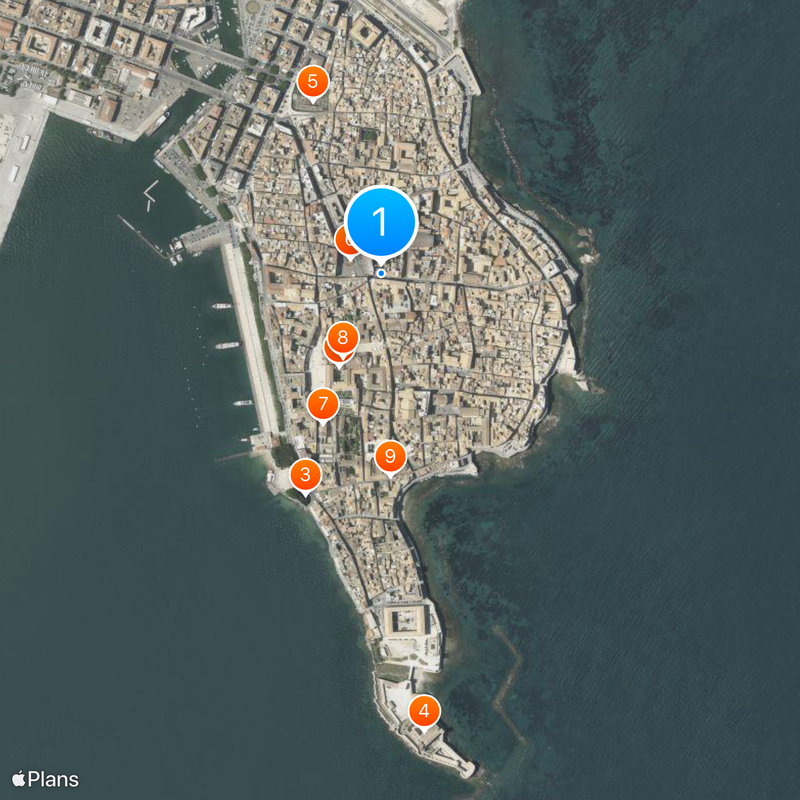
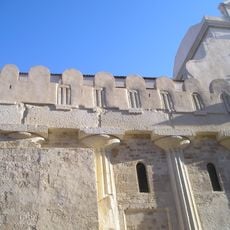
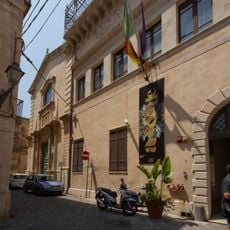
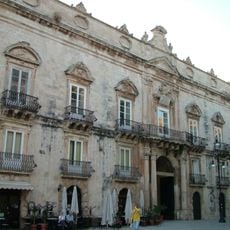
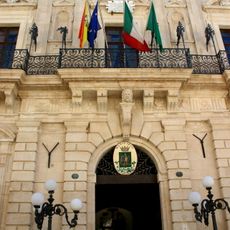
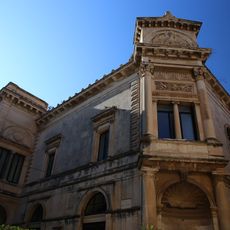
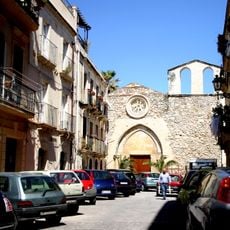
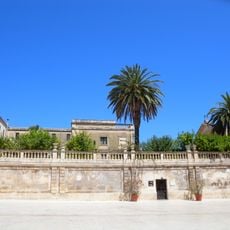
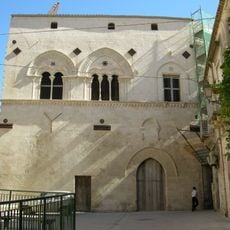
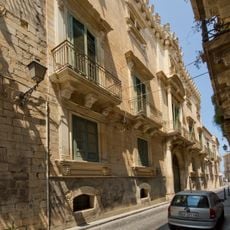
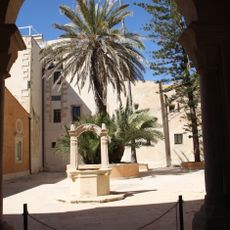
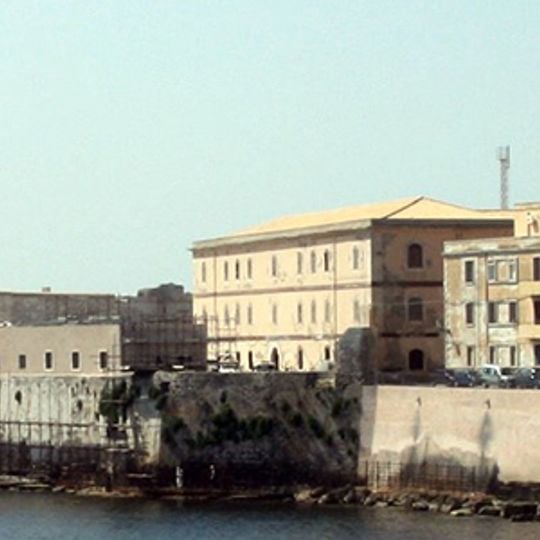
Ortygia is an island off the coast of Sicily, connected to the mainland by two short bridges and forming the historic center of Syracuse. Stone walls line the coast, while narrow lanes run between honey-colored limestone buildings that cluster around small squares and courtyards.
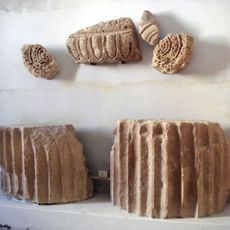
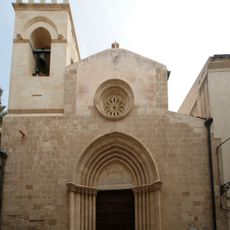
Greeks from Corinth founded a settlement here in the 8th century BCE, which later grew into the most powerful city in Sicily. Arabs, Normans, and Spaniards took control in succession, each shaping the architecture and cityscape with their own styles.
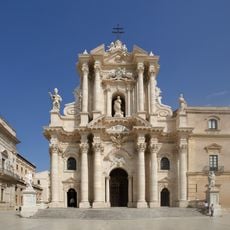
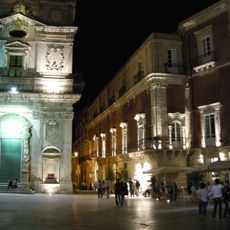
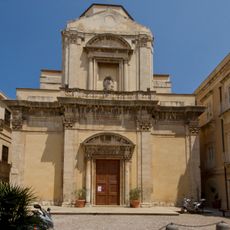
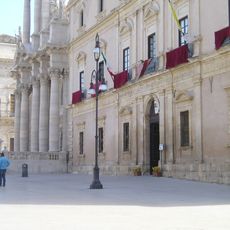
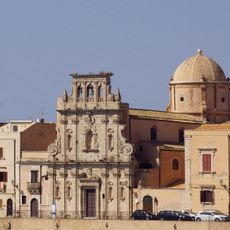
Residents gather in Piazza Duomo during the evening, when the Baroque church facades glow under warm light and families sit on the steps. Narrow alleys lead to small squares where fishermen mend their nets and craftsmen work in workshops that have been passed down through generations.
The center can be explored on foot, as most sites sit close together and cars are not allowed in many lanes. Early morning or late afternoon works well for a visit, when fewer tourists are around and the light falls softer.
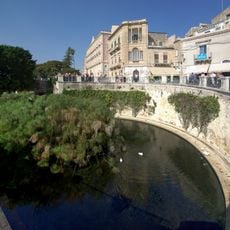
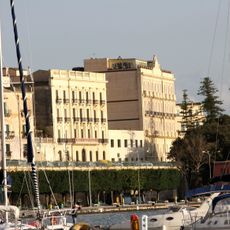
At the southern tip lies the Arethusa Fountain, a natural freshwater pond just a few meters from the sea, where papyrus plants grow and ducks swim. Fishermen bring their boats back to the small harbor in the early morning and sell freshly caught fish straight from the boat.
Location: Syracuse
Part of: Syracuse and the Rocky Necropolis of Pantalica
GPS coordinates: 37.06064,15.29472
Latest update: December 4, 2025 23:04
Sicily combines Greek temples, Roman mosaics, and Norman churches on an island at the crossroads of Europe and Africa. The archaeological sites document over two thousand years of history, from the Doric columns in Agrigento to the Byzantine domes in Palermo. This collection includes the Temple of Concordia, whose preserved structure ranks among the finest examples of Greek architecture outside Greece, and the Villa Romana del Casale with its extensive fourth-century floor mosaics. The region also offers natural sites such as the active volcano Mount Etna and coastal reserves like Zingaro. Palermo displays multiple eras simultaneously, from the medieval Palazzo dei Normanni to the nineteenth-century Teatro Massimo. Syracuse preserves its ancient past on the island of Ortigia and in the Necropolis of Pantalica, while towns such as Modica and Cefalù present medieval old quarters and Norman cathedrals. The Aeolian Islands complement the mainland with volcanic landscapes and the active Stromboli.
Cathedral of Syracuse
166 m
Fountain of Arethusa
406 m
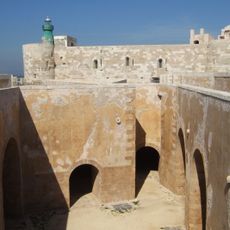
Castello Maniace
815 m
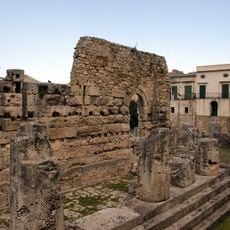
Temple of Apollo
390 m
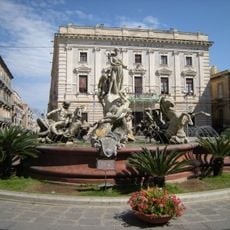
Diana fountain
89 m
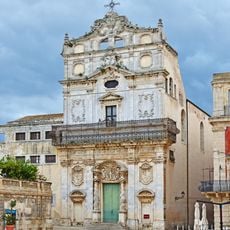
Santa Lucia alla Badia
218 m
Temple of Athena
147 m
Palazzo Bellomo Museum
337 m
Palazzo Borgia Impellizzeri
257 m
Palazzo Beneventano del Bosco
187 m
Temple of Artemis in Syracuse
123 m
Palazzo Vermexio
149 m
Teatro Comunale
197 m
Chiesa di San Giovannello
226 m
Ipogeo
210 m
Ancient Greek walls of Syracuse
301 m
Chiesa di San Filippo Apostolo
175 m
San Martino
375 m
Palazzo Montalto
109 m
Palazzo Impellizzeri
240 m
Aquarium of Syracuse
354 m
Archbishop's Palace
195 m
Papyrus Museum (Syracuse)
306 m
Archimede & Leonardo da Vinci Museum
247 m
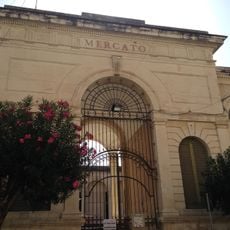
Old market
458 m
Spirito Santo
512 m
Alagonian Library
179 m
Chiesa del Carmine
250 mReviews
Visited this place? Tap the stars to rate it and share your experience / photos with the community! Try now! You can cancel it anytime.
Discover hidden gems everywhere you go!
From secret cafés to breathtaking viewpoints, skip the crowded tourist spots and find places that match your style. Our app makes it easy with voice search, smart filtering, route optimization, and insider tips from travelers worldwide. Download now for the complete mobile experience.
A unique approach to discovering new places❞
— Le Figaro
All the places worth exploring❞
— France Info
A tailor-made excursion in just a few clicks❞
— 20 Minutes