Selinunte, Ancient Greek archaeological park in Castelvetrano, Italy
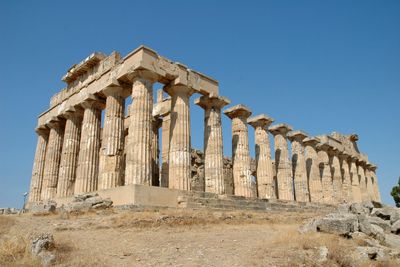
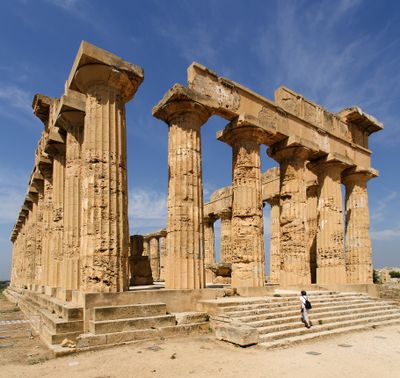
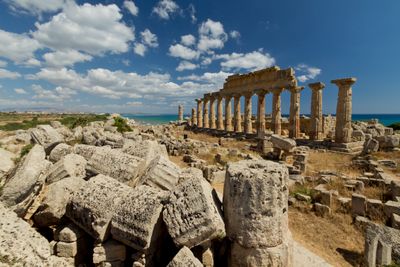
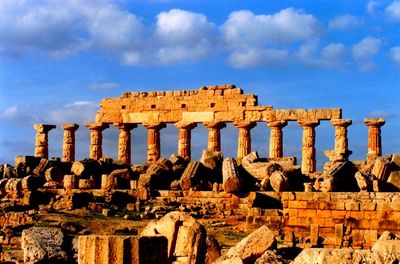
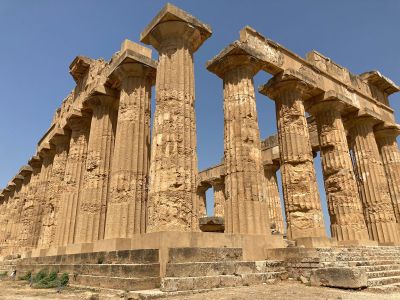
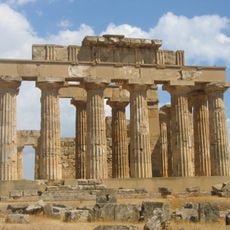
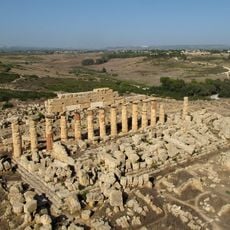
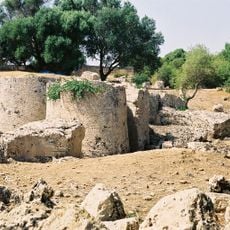
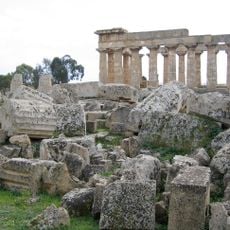
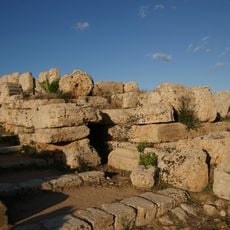
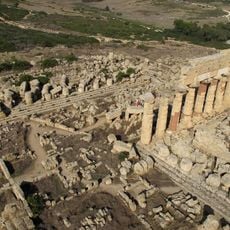
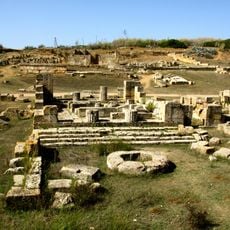
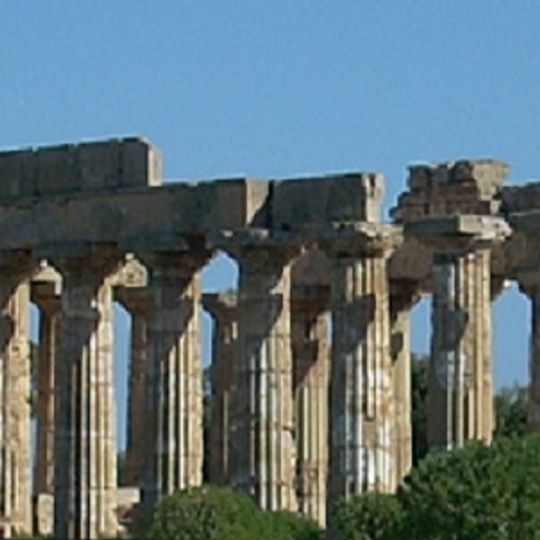
Selinunte is an archaeological park in Castelvetrano that covers 270 hectares (667 acres) between the Modione-Selino and Cottone rivers and includes numerous temple complexes, residential quarters, and fortification remains. The ruins spread across several hills, with the eastern hills and the acropolis forming the main zones containing the largest preserved Doric columns and foundations.
The city was founded in 628 BC by settlers from Megara Hyblaea and grew into one of the wealthiest Greek colonies in Sicily. It fell in 409 BC during an attack by Carthaginian forces, after which its inhabitants permanently abandoned the settlement and construction sites remained unfinished.
The settlement takes its name from wild celery that once grew along the two rivers and became the emblem of the city. Visitors today walk among open temple ruins spread across different hills, which show how residents oriented their religious buildings eastward to receive the rising sun.
Exploring the grounds takes about three hours, with an electric train available to carry visitors between the widely spaced zones if the distances feel too long. Paths across the hills are uneven in places, so sturdy shoes work better for anyone walking between the temples and the acropolis on foot.
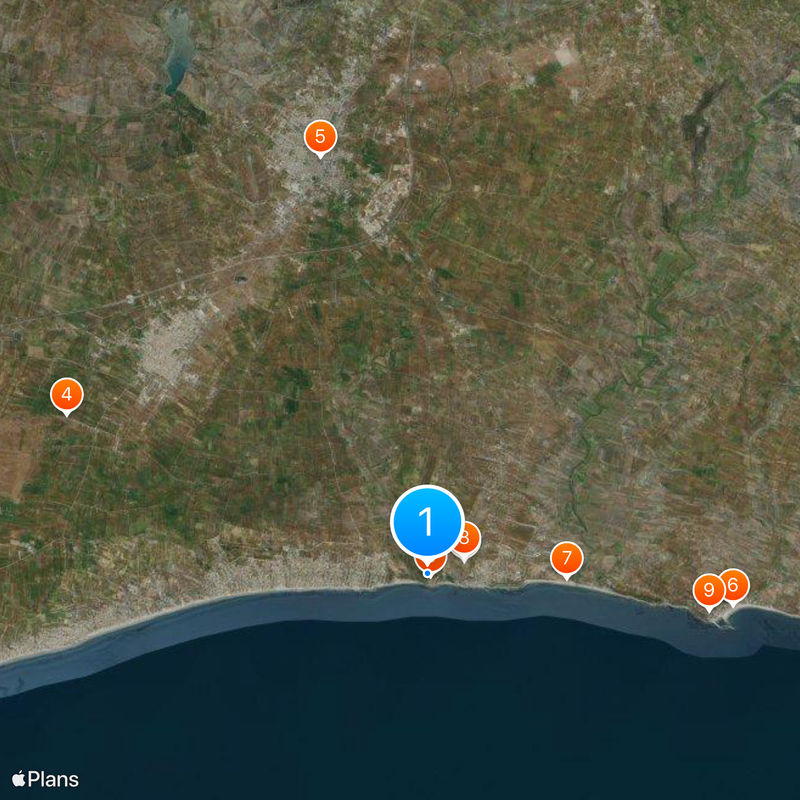
The Cave di Cusa quarries, about 10 kilometers (6 miles) away, still show half-finished column sections lying in the rock that were never transported after workers fled. These abandoned pieces reveal how stonemasons carved the giant blocks from the limestone bed before the siege interrupted their work.
The community of curious travelers
AroundUs brings together thousands of curated places, local tips, and hidden gems, enriched daily by 91,992 contributors worldwide.