Pannonhalma Archabbey, Benedictine monastery in Pannonhalma, Hungary
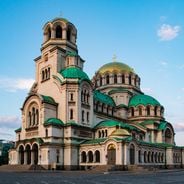
Pannonhalma Archabbey is a Benedictine monastery on Szent Márton-hegy, a hill about 282 metres high near Pannonhalma in western Hungary. Its pale yellow, white and red-tile buildings include a 55-metre Classicist tower with a pale green dome above a stone terrace with balustrade and steps. The complex also holds a 400,000-volume library, a Romanesque crypt and cloister, and a Gothic basilica.
Founded in 996 by Prince Géza, who settled Benedictine monks from Bohemia, the monastery was confirmed with estates and privileges by his son, King Stephen I. The basilica was consecrated around 1224 under Abbot Uros, and in 1541 the house became an archabbey. After Ottoman raids and closure under Joseph II in 1786, it reopened in 1802 with teaching as its main task.
The abbey shapes the spiritual identity of the region and draws people seeking prayer and reflection in a monastic setting. The community's daily rhythm, marked by liturgical services and contemplative work, shows visitors how religious life unfolds here.
The abbey sits roughly 100 kilometers west of Budapest and is accessible by car or public transport. Plan several hours to explore the buildings, library, gardens, and grounds; wear comfortable shoes as there are numerous stairs and uneven paths throughout the site.
The library holds the Tihany Charter of 1055, the oldest surviving document in Hungarian. In 2011 the heart of Otto von Habsburg, last crown prince of Austria-Hungary, was interred in the crypt, following family tradition. In 2025 drugstore beetles were found in book spines, and 100,000 volumes were sealed in oxygen-free bags for disinfection.
The community of curious travelers
AroundUs brings together thousands of curated places, local tips, and hidden gems, enriched daily by 94,131 contributors worldwide.