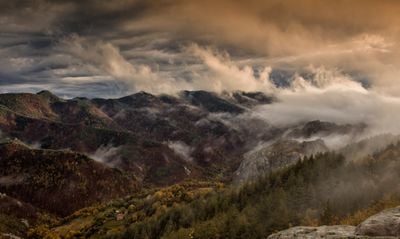
Belintash, Megalithic sanctuary in Plovdiv Province, Bulgaria
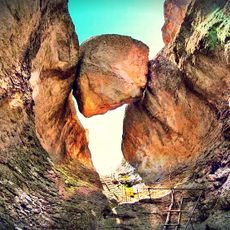
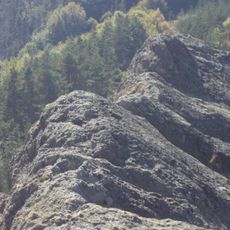
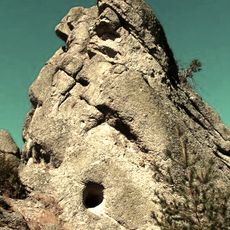
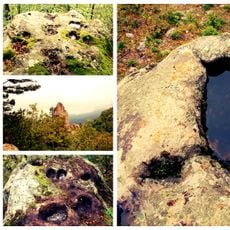
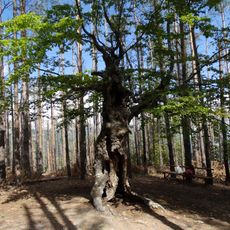
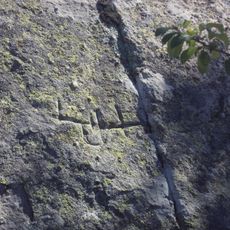
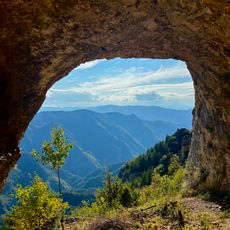
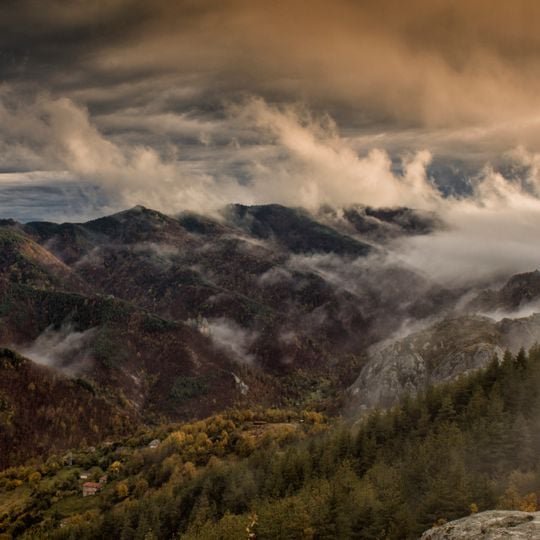
Belintash is a stone plateau in the Rhodope Mountains at approximately 1225 meters elevation, stretching across about 300 meters of rocky terrain. The surface features many carved holes, channels, and steps that ancient people shaped into the stone.
The first archaeological studies at Belintash were carried out in 1975 by Iveta Moreva-Arabova and Georgi Velev of the Asenovgrad Historical Museum. In the 1980s a team of Bulgarian archaeo-astronomers studied the plateau and argued it served the Thracians as a sanctuary and solar observatory. A silver Roman-period votive plate showing Dionysus-Sabazius was found among the rocks and is kept at the National Institute of Archaeology with Museum in Sofia.
The name combines the Rhodope dialect word for "white" with the Turkish "tash" (stone), giving "White Stone"; a local legend instead links it to a girl called Bela Snaga who leapt from the cliffs. Visitors can also find two rock basins, called shterni, that hold water even in the hottest days, with stone seats shaped around them.
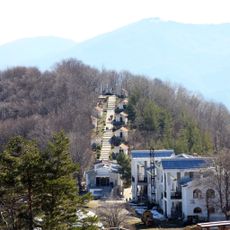
The hike follows a marked trail from a nearby village, requiring sturdy mountain shoes and adequate water supplies. Visitors should prepare for changing mountain weather, as conditions at this elevation can shift quickly throughout the day.
A silver votive plate from the Roman period showing Dionysus-Sabazius was found among the rocks at the base of the plateau; it is now kept at the National Institute of Archaeology with Museum in Sofia. Archaeologist Ivan Hristov dated it earlier than the Roman period because the male face closely resembles the gold mask of Teres found in 2004 at the Svetitsata tumulus near Shipka.
The community of curious travelers
AroundUs brings together thousands of curated places, local tips, and hidden gems, enriched daily by 93,519 contributors worldwide.