Muldava Monastery, Orthodox monastery in Asenovgrad, Bulgaria
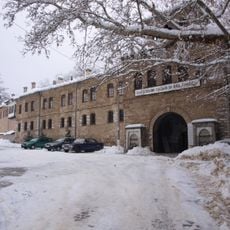
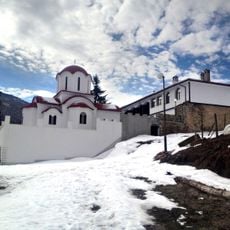
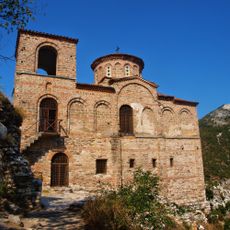
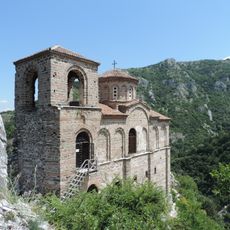
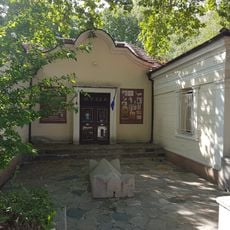
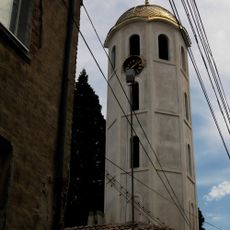
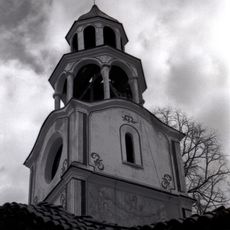
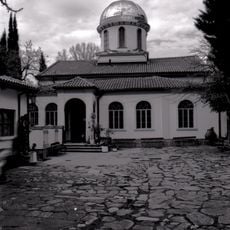
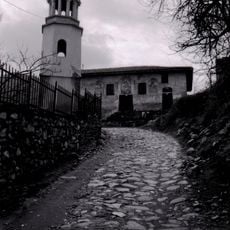
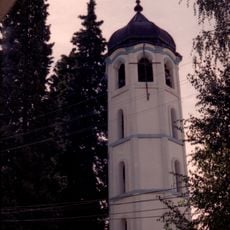
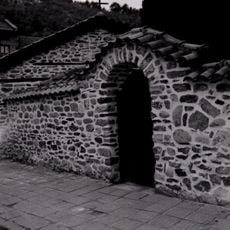
Muldava Monastery is an Orthodox monastery in Asenovgrad comprising a church building and attached monastic structures. The complex sits in Plovdiv Province and integrates religious spaces with areas used for daily monastic activities.
Founded in the 14th century near an old healing spring, the monastery was devastated by Ottoman forces soon after and again during the forced conversions around Chepino in 1666. It appears as "Sveta Paraskeva" in the Stanimaka tax register of 1519–1538. Igumen Antim rebuilt it in 1836, when the present church and residential wings were erected.
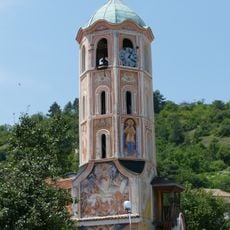
The monastery is a working women's Orthodox convent. Its name day honours Saint Petka, and the church's 1840 frescoes by the Tryavna painters Krаstyo Zahariiev and his sons Peter and Georgi include a donor portrait of Petko h. Nedelchev and his son Nedelcho from Chirpan, shown full-length in long folk costumes. The gallery near the entrance depicts Cyril and Methodius, while inside are Kliment Ohridski, Naum Preslavski, Evtimiy Tarnovski and Teodosiy Tarnovski.
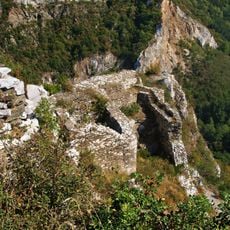
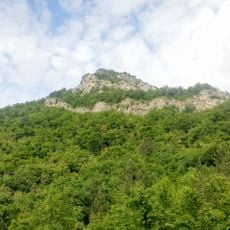
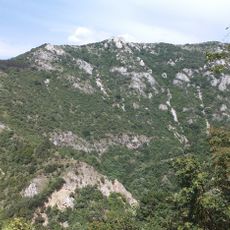
The monastery is accessible from Asenovgrad and situated in an area surrounded by nature that invites walks and exploration. Visitors should dress appropriately to show respect for the sacred spaces.
In the courtyard lies the grave of the one-year-old son of Czech painter Ivan Mrkvička, who died suddenly during his 1883 visit to the monastery. A hiding place used by Vasil Levski is preserved under the former abbot's residence.
The community of curious travelers
AroundUs brings together thousands of curated places, local tips, and hidden gems, enriched daily by 94,020 contributors worldwide.