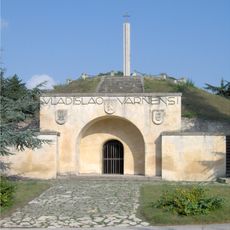
Varna Necropolis, Archaeological site in Varna, Bulgaria.
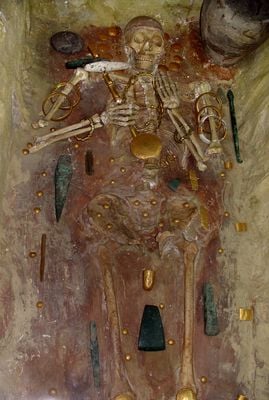
Varna Necropolis is an archaeological site in Varna holding 294 burials from a Chalcolithic culture in southeastern Europe. The cemetery spreads through several excavation zones and contains thousands of copper, ceramic, shell and gold objects dating to the fifth millennium BC.
The cemetery was found in 1972 by an excavator operator named Raycho Marinov during industrial earthworks and dates to around 4500 BC. Archaeologists led by Ivan Ivanov then carried out systematic excavations and uncovered the earliest known worked gold artifacts in human history.
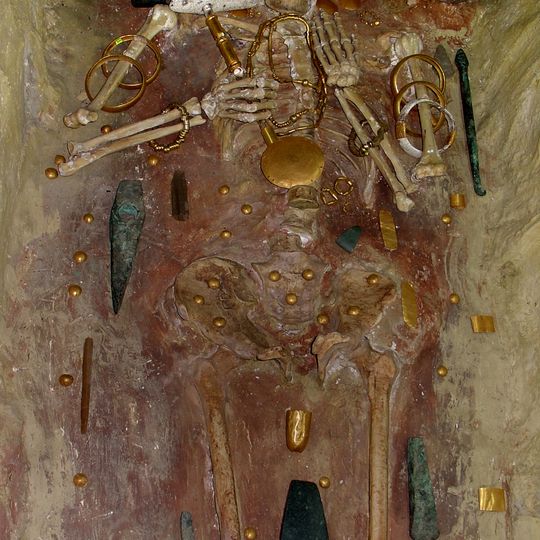
The burial arrangements indicate social hierarchies, with male bodies positioned on their backs and females placed in fetal positions within their respective graves.
The excavated items can be seen today at the Archaeological Museum in Varna, where they are displayed in thematic exhibition rooms. Some particularly valuable gold pieces are also held in the permanent collection of the National Historical Museum in Sofia.
Grave 43 alone held over 990 gold items weighing around 3.3 pounds (1.5 kg) in total, more than all other contemporary sites worldwide combined. Researchers believe this concentration of wealth points to advanced craft skills and far-reaching trade networks along the Black Sea coast.
The community of curious travelers
AroundUs brings together thousands of curated places, local tips, and hidden gems, enriched daily by 90,831 contributors worldwide.