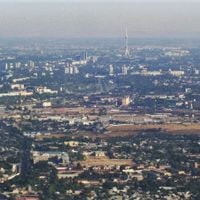
Uzbekistan, Central Asian landlocked country.
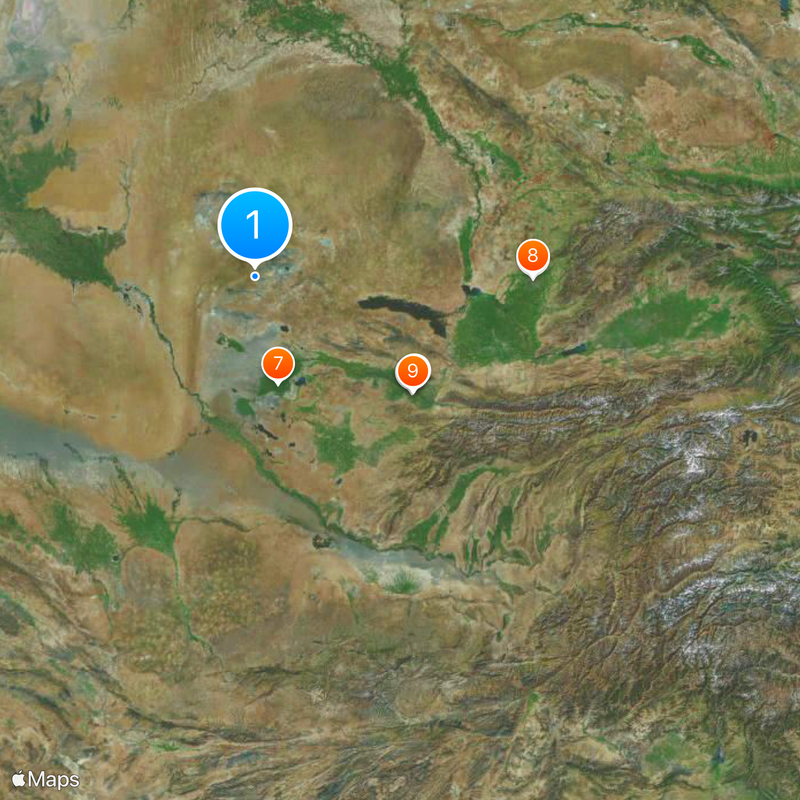
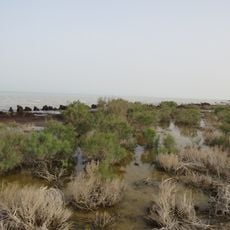
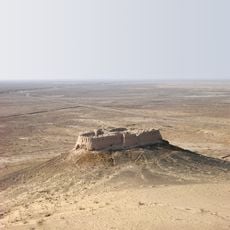
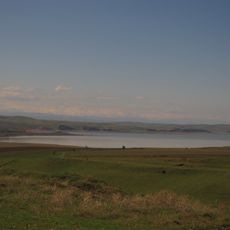
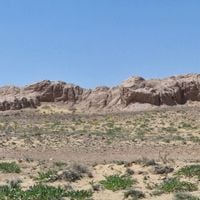
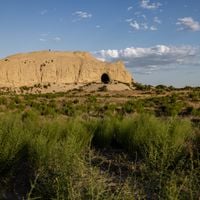
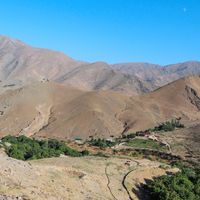
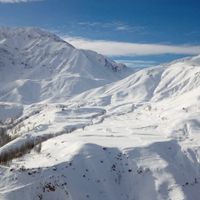
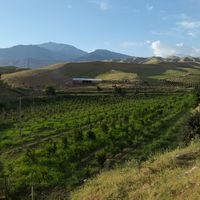
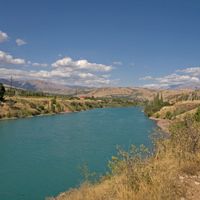
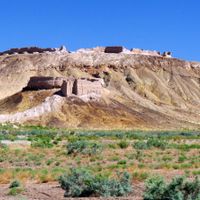
Uzbekistan is a Central Asian state whose territory extends from the Kyzylkum Desert in the center to the foothills of the Tian Shan mountains in the east. The Aral Sea lies to the north, and rivers such as the Amu Darya cross the land from mountain sources to the plains.
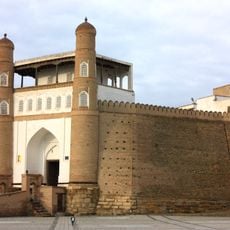
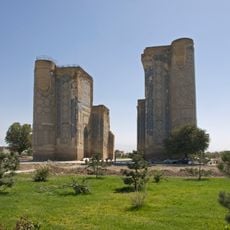
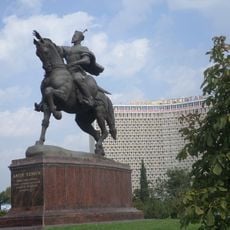
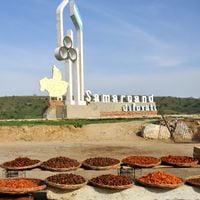
Alexander the Great conquered parts of the region in the fourth century BC, before the Silk Road made cities such as Samarkand and Bukhara into trading hubs. Russia absorbed the territory in the nineteenth century, and Soviet rule ended in 1991 with independence.
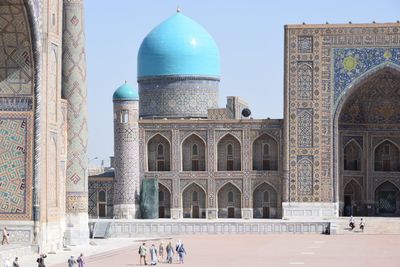
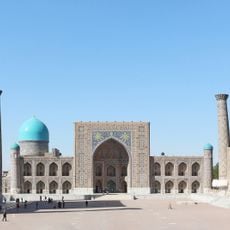
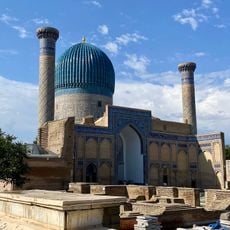
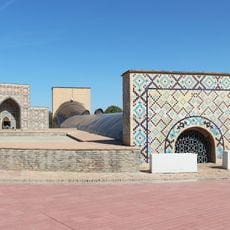
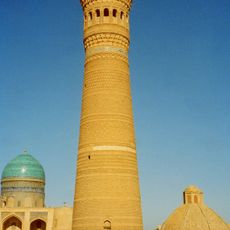
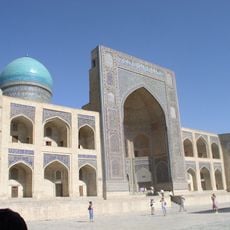
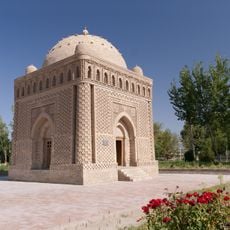
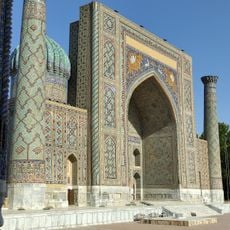
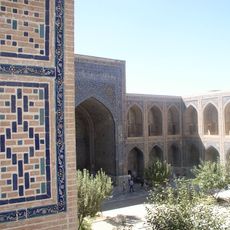
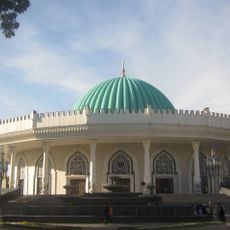
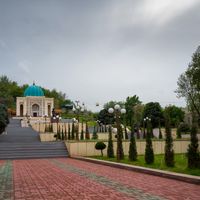
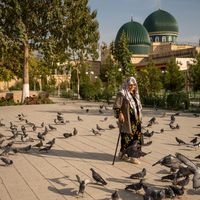
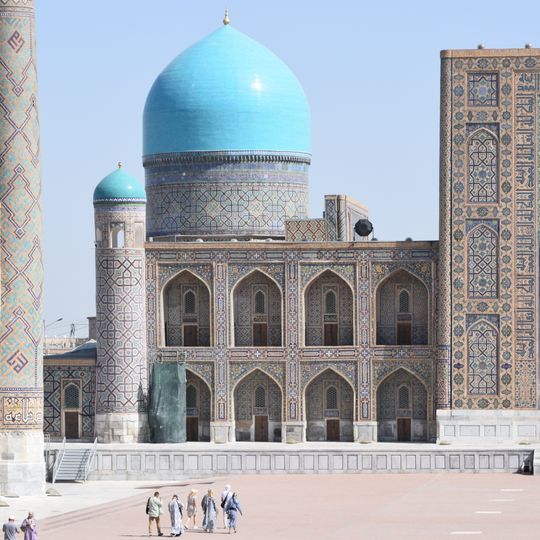
The teahouse forms an important meeting place where men gather to drink green tea in ceramic bowls. Mosques display turquoise domes and blue tilework, and many have returned to serving as prayer spaces for the Muslim population.
Visas can be arranged at the border or in advance, and most travelers stay up to thirty days without further permission. Summer months from June to August bring intense heat, while spring and autumn offer more comfortable travel weather.
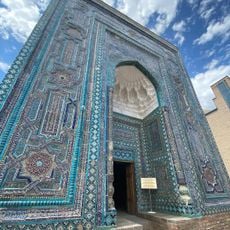
The Shah-i-Zinda necropolis in Samarkand displays over twenty mausoleums along a narrow alley, built from the eleventh to the nineteenth century. Each tomb carries different tile patterns, and visitors must climb steps to see the entire complex.
The community of curious travelers
AroundUs brings together thousands of curated places, local tips, and hidden gems, enriched daily by 90,791 contributors worldwide.