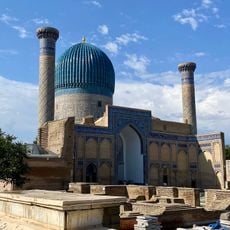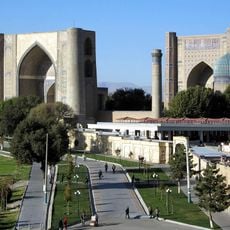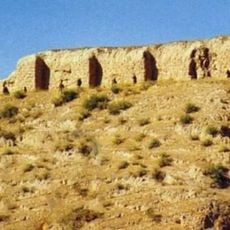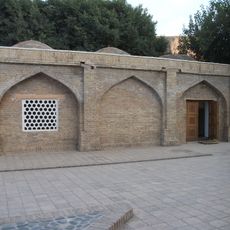
Shah-i-Zinda, Timurid necropolis in Samarkand, Uzbekistan
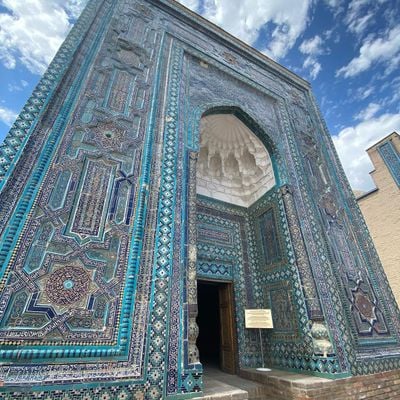
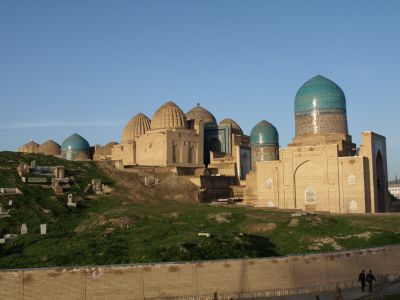
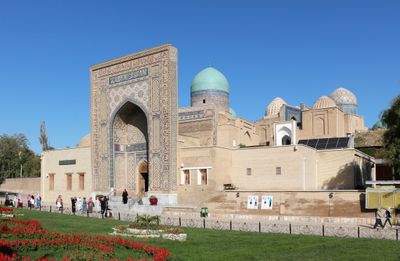
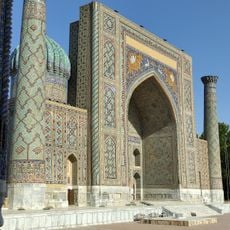
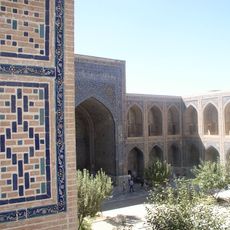
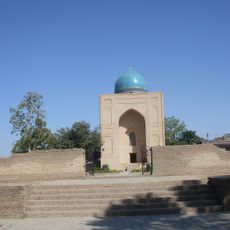
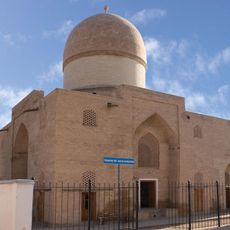
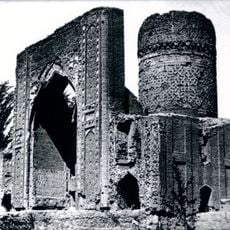
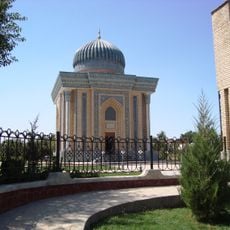
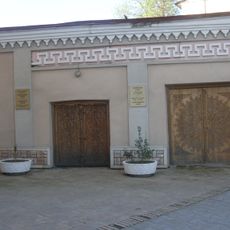
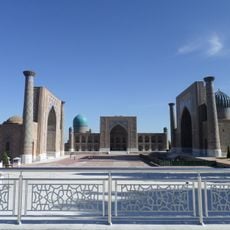
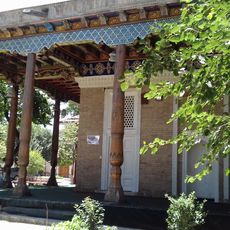
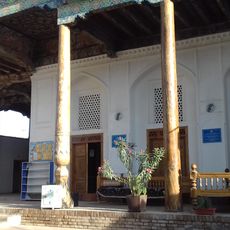
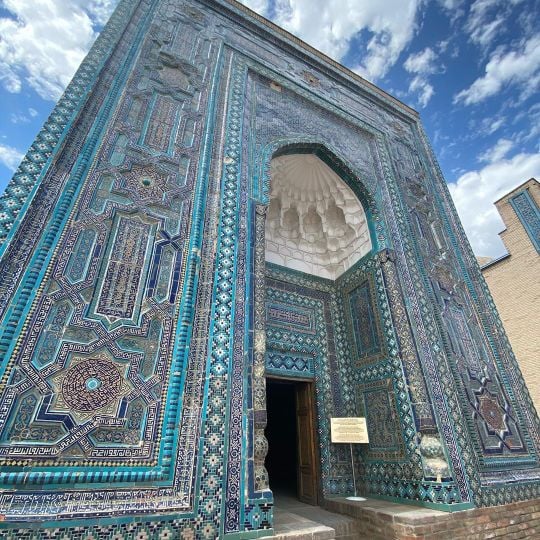
Shah-i-Zinda is an ensemble of eleven mausoleum structures standing on a gentle hill on the edge of historic Samarkand in Uzbekistan. The buildings line a narrow alley, each facade covered in glazed tiles of blue, turquoise, and white geometric patterns.
The first burial structures appeared in the 11th century at the supposed grave of a companion of Prophet Muhammad, with additional buildings erected between the 14th and 15th centuries under Timurid rule. Later generations of rulers and nobility chose this site for their final resting place.
The Persian name translates to living king and refers to pilgrims who have prayed at the graves here for centuries. This tradition continues today, with visitors from across the region arriving early in the morning to honor their ancestors.
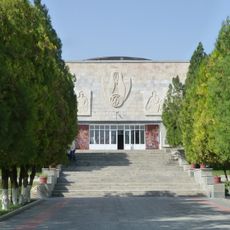
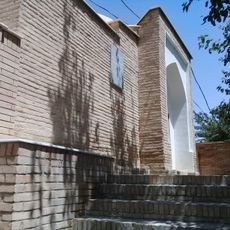
A wide marble staircase leads from the entrance up to the complex, taking about ten minutes at a gentle pace. The path between the buildings is narrow, so morning hours are most comfortable before larger groups arrive.
The tiles on the walls reflect sunlight differently throughout the day, shifting the color tones from pale turquoise to deep blue. Some mausoleums also reveal rare terracotta ornamentation beneath the glazes, dating from earlier construction phases.
The community of curious travelers
AroundUs brings together thousands of curated places, local tips, and hidden gems, enriched daily by 91,569 contributors worldwide.