Samanid Mausoleum, Dynastic mausoleum in Bukhara, Uzbekistan
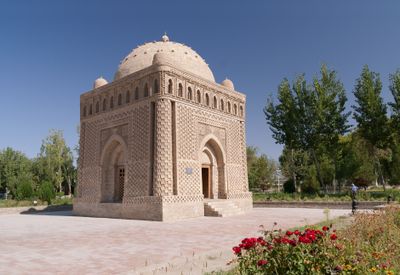
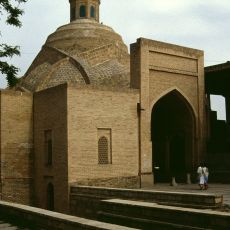
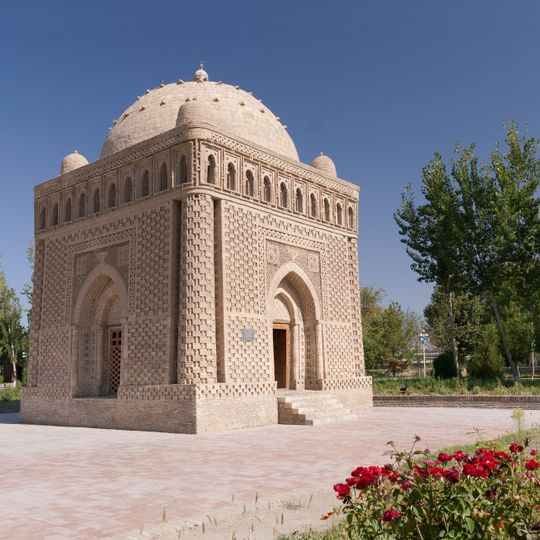
The Samanid Mausoleum is a symmetrical cube with a dome in Bukhara, built entirely from kiln-dried bricks arranged in geometric patterns. The bricks are laid in intricate detail across the exterior walls, creating a dense surface of diamonds, stripes, and other shapes.
The mausoleum was built in the late ninth century as a burial place for Ismail Samani, his father, and his grandson. It dates from the Samanid dynasty period, when Bukhara was an important hub in Central Asia.
The structure reflects a meeting of Soghdian, Persian, and Islamic building traditions visible in how it was constructed. Walking around it, you notice how different regional styles came together in a single work of architecture.
The mausoleum sits in the northwestern part of Bukhara and is accessible year-round, with daylight showing the brick patterns most clearly. Visit in the morning hours when sunlight highlights the facade details best.
Sand and mud buried this structure after the Mongol period and protected it for centuries until it was rediscovered in the early twentieth century. This natural preservation kept the delicate brick pattern from wearing away or being damaged.
The community of curious travelers
AroundUs brings together thousands of curated places, local tips, and hidden gems, enriched daily by 60,000 contributors worldwide.