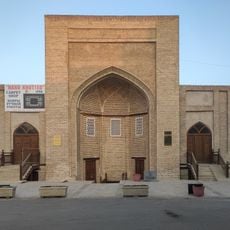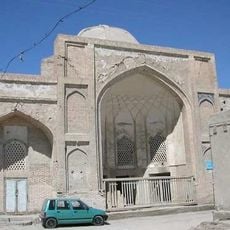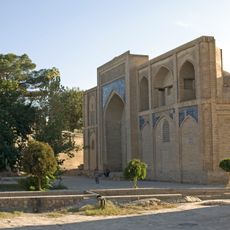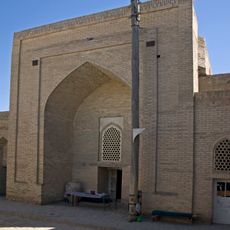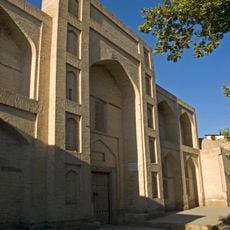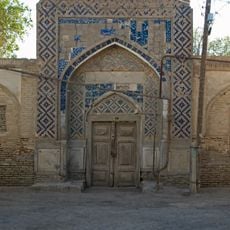
Mousoleum Chasma Ayub, Religious mausoleum with sacred spring in Bukhara, Uzbekistan
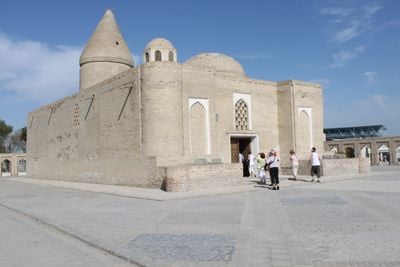
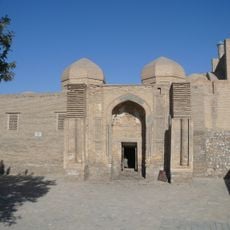
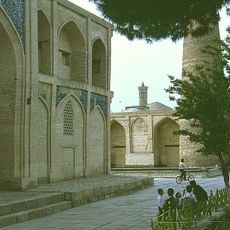
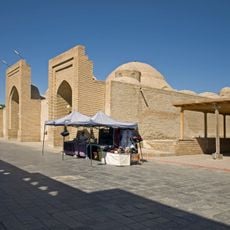
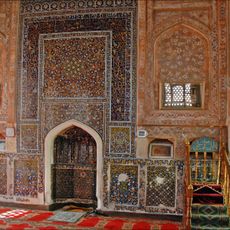
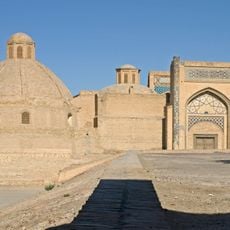
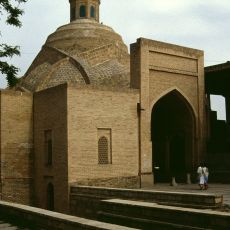
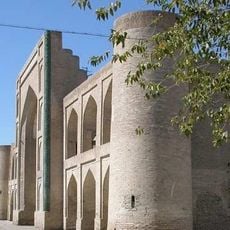
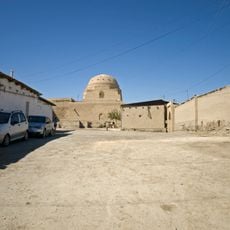
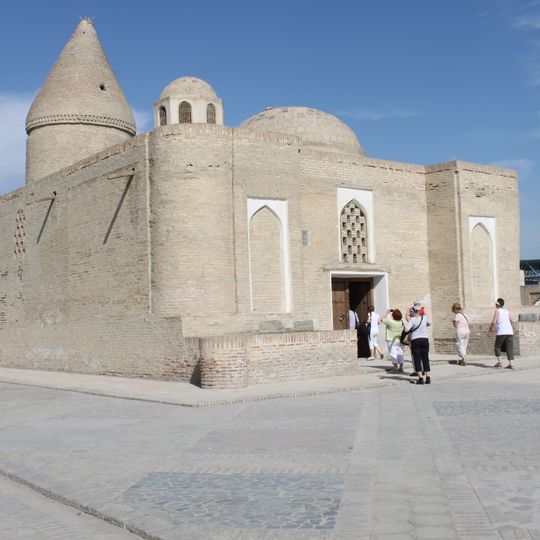
Mausoleum Chasma Ayub is a complex of four connected chambers aligned east to west, each topped with domes of different shapes and designs. Inside, a natural spring emerges from the ground, and the rooms now display a museum collection of water-related objects including ceramic pipes, copper vessels, and leather containers from previous centuries.
The structure was built in the 12th century under Karakhanid rulers and later modified in the 14th century under Tamerlane with input from Khorezmian craftsmen. These successive renovations reflect how different ruling powers shaped the building during their control.
The site carries the name of Prophet Job from Islamic tradition, and locals continue to honor the spring as a place of spiritual significance. Visitors walking through the chambers can sense how this location has held meaning for communities across centuries.
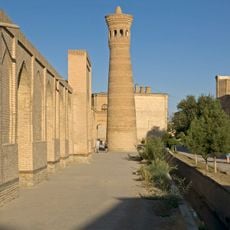
The site is located in Bukhara and is easily reached on foot through the historic city center, with other significant buildings nearby. The interior chambers are narrow in places and illumination is dim in some areas, so visitors should move carefully and allow time to adjust their eyes to the lower light.
The central chamber features an unusual tent-shaped double dome that breaks away from the typical domed designs seen elsewhere in Bukhara. This distinctive architectural choice shows how the builders experimented with form and remains one of the most noticeable features of the complex.
The community of curious travelers
AroundUs brings together thousands of curated places, local tips, and hidden gems, enriched daily by 60,000 contributors worldwide.