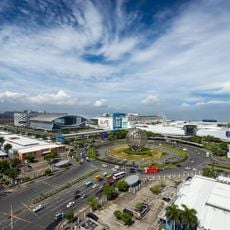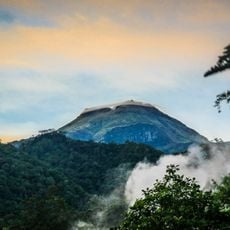
Philippines, Archipelagic state in Southeast Asia.
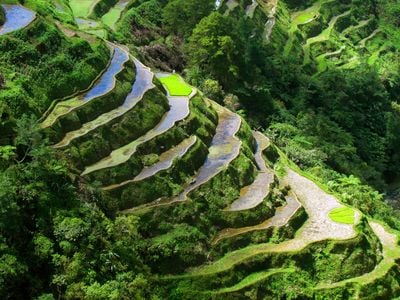
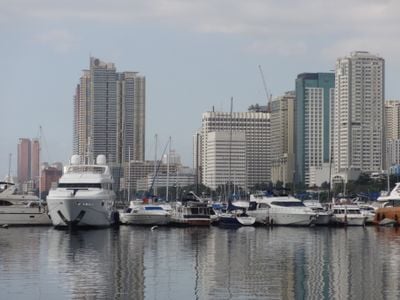
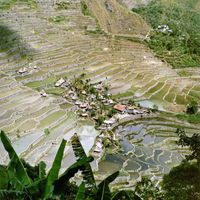
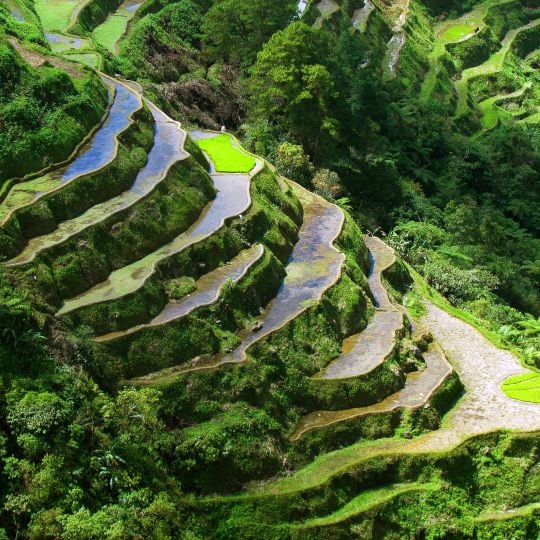
The Philippines is an island nation in Southeast Asia spreading across more than 7600 islands between the South China Sea and the Pacific Ocean, with Manila as its capital. The terrain includes tropical rainforests, coral reefs, active volcanoes and terraced rice fields distributed across different climate zones.
Spanish colonizers arrived on the islands in 1565 under Miguel López de Legazpi and remained until the revolution of 1896. Following the Spanish-American War, the United States administered the territory until independence was granted in 1946 after Japanese occupation during World War II.
Visitors notice jeepneys decorated with chrome ornaments and religious figures navigating streets alongside tricycles carrying passengers through narrow alleys. Sari-sari stores sit at street corners selling small portions of goods in plastic sachets while neighbors gather on porches for afternoon conversation.
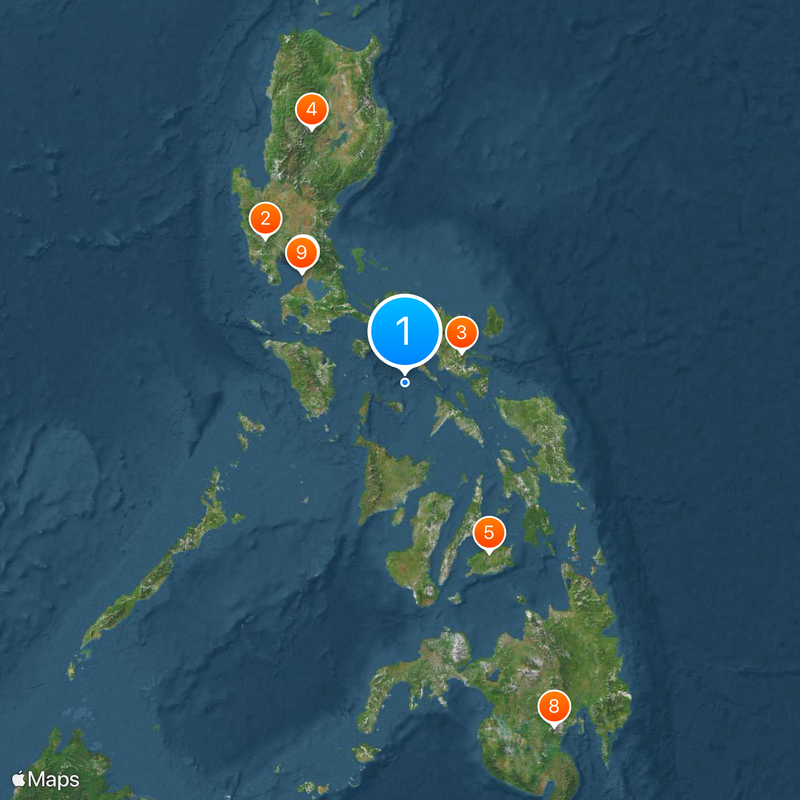
The country divides into three main geographic areas: Luzon in the north, Visayas in the center, and Mindanao in the south, each containing several administrative regions. International airports operate in Manila, Cebu and Davao with connections to regional hubs on smaller islands.
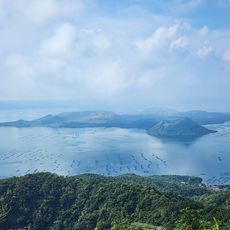
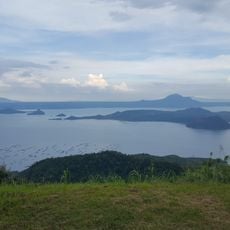
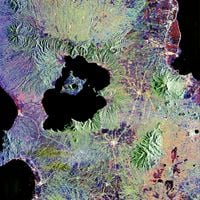
Taal Volcano sits on an island within a lake that formed on a larger island, creating an unusual geological layering. Fishing boats cross the lake bringing visitors to the inner volcanic island where steam rises visibly from the crater.
Inception: 1565
Capital city: Manila
Part of: Southeast Asia
Shares border with: People's Republic of China, Indonesia, Japan, Malaysia, Palau, Taiwan
Address: Philippines
Website: https://gov.ph
GPS coordinates: 12.75035,122.73121
Latest update: December 4, 2025 17:20
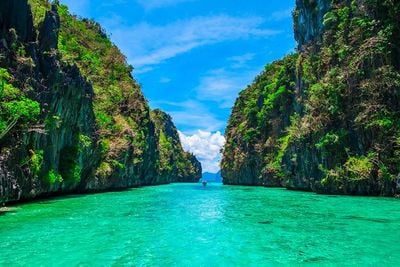
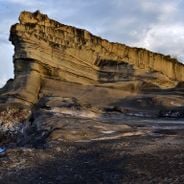
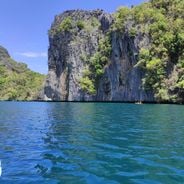
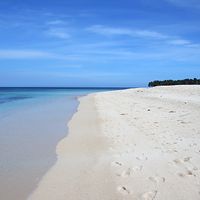
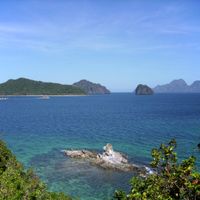
The islands of the Philippines display exceptional geographical diversity. Palawan, Siargao, Boracay, Bohol, and Cebu offer beaches, coral reefs, clear water lagoons, and geological formations. The marine national parks host a rich marine fauna. Historical sites and terraced rice paddies represent cultural heritage. Volcanoes, waterfalls, and caves illustrate the variety of the archipelago's natural landscapes.
Pinatubo
370.5 km
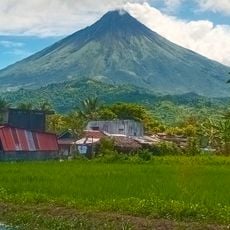
Mayon Volcano
117.8 km
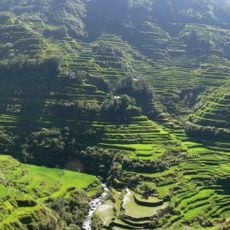
Banaue Rice Terraces
496.5 km
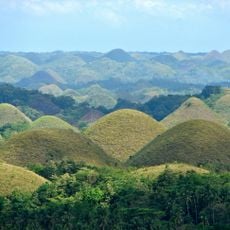
Chocolate Hills
352.2 km
University of Santo Tomas
279.9 km
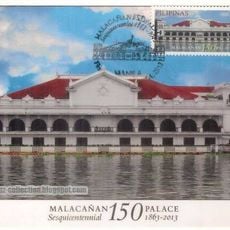
Malacañang Palace
278.2 km
Mount Apo
699.3 km
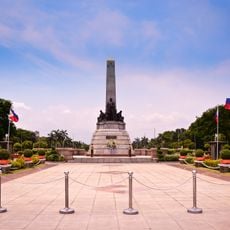
Rizal Park
278.5 km
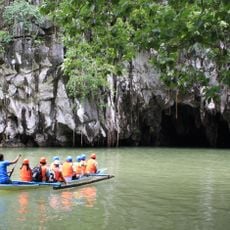
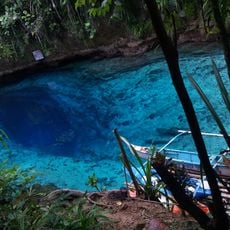
Puerto Princesa River
502.9 km
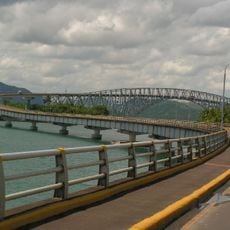
San Juanico Bridge
292.4 km
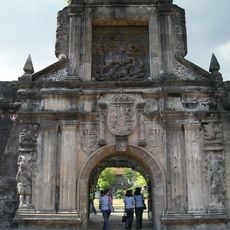
Fort Santiago
280.1 km
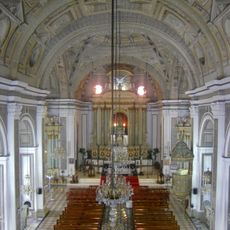
San Agustin Church
279.2 km
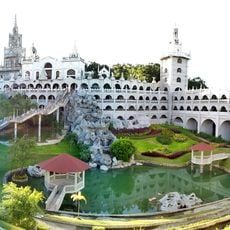
Simala Shrine
322.7 km
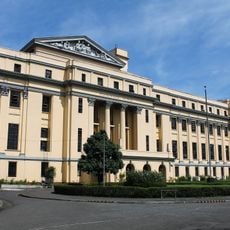
National Museum of the Philippines
278.6 km
Tondo
282.1 km
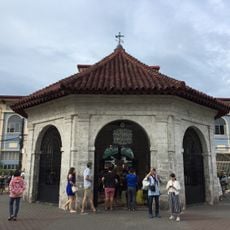
Magellan’s Cross Pavilion
301.8 km
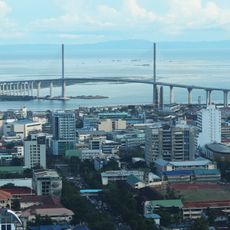
Cebu–Cordova Link Expressway
303.1 km
Paoay Church
637 km
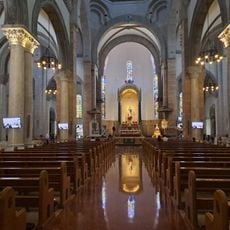
Manila Cathedral
279.5 km
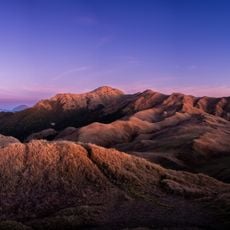
Mount Pulag
471.5 km
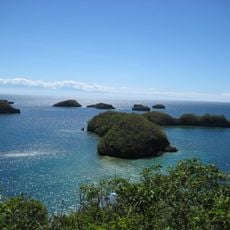
Hundred Islands National Park
481.7 km
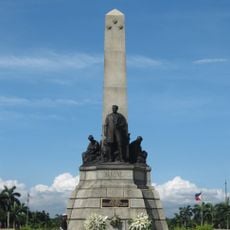
Rizal Monument
278.5 km
Kanlaon Volcano
264 km
Baroque Churches of the Philippines
240.8 km
Mount Bulusan
143.9 km
Enchanted Kingdom
245.8 km
Maria Cristina Falls
533 km
Mount Banahaw
198.7 kmReviews
Visited this place? Tap the stars to rate it and share your experience / photos with the community! Try now! You can cancel it anytime.
Discover hidden gems everywhere you go!
From secret cafés to breathtaking viewpoints, skip the crowded tourist spots and find places that match your style. Our app makes it easy with voice search, smart filtering, route optimization, and insider tips from travelers worldwide. Download now for the complete mobile experience.
A unique approach to discovering new places❞
— Le Figaro
All the places worth exploring❞
— France Info
A tailor-made excursion in just a few clicks❞
— 20 Minutes