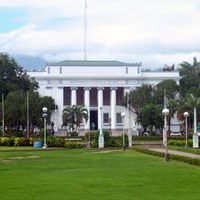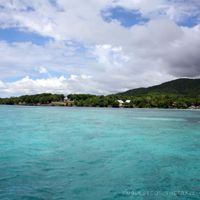
Negros Island Region, Administrative region in Negros Island, Philippines
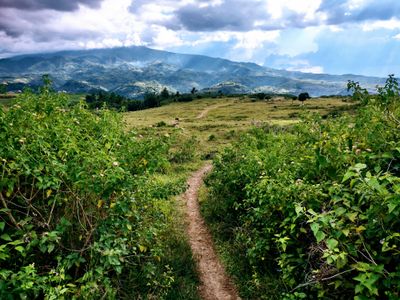
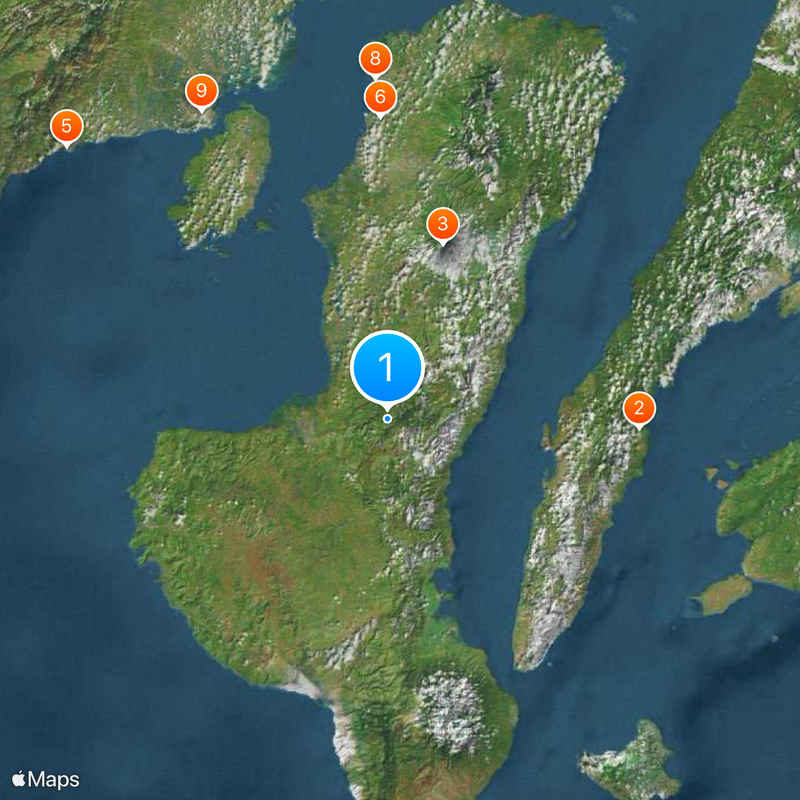
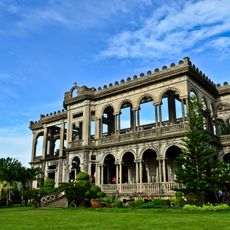
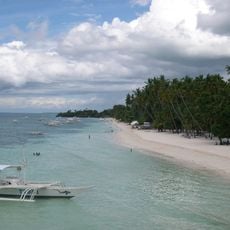
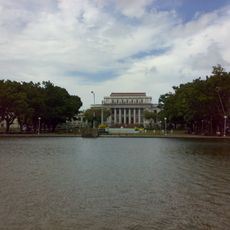
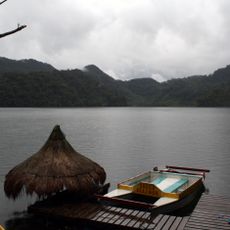
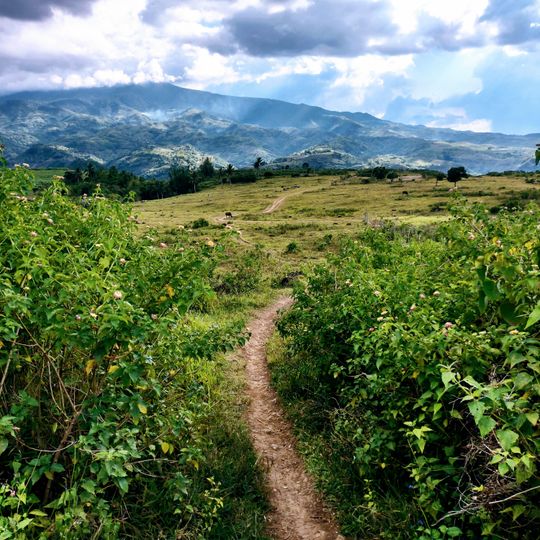
The Negros Island Region sprawls across multiple provinces with varying landscapes and geography. Mountain ranges alternate with flatlands, and the territory encompasses both western and eastern coastal areas that shape its physical character.
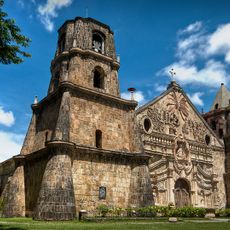
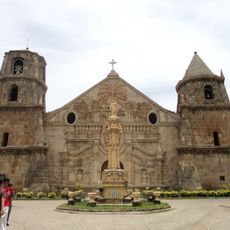
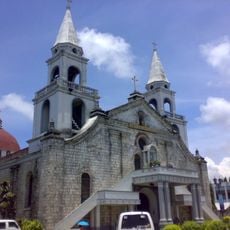
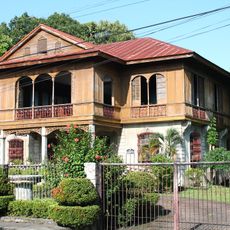
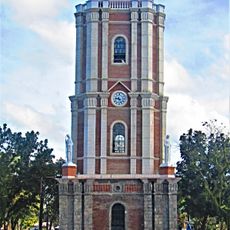
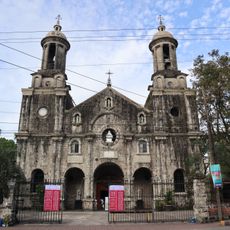
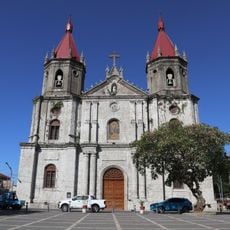
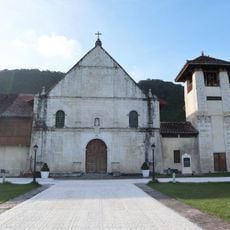
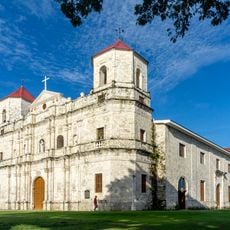
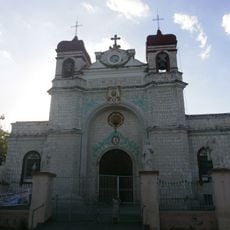
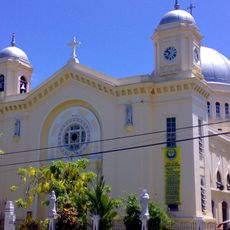
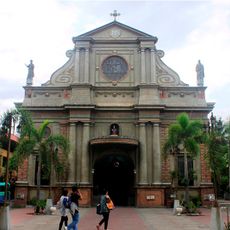
Spanish colonizers arrived in 1565 and shaped the territory's development for centuries through administrative and cultural influence. This long colonial period left marks on architecture, religion, and society that remain visible in modern times.
Two main language groups shape daily life here: Hiligaynon speakers dominate the west, while Cebuano speakers fill the east. This linguistic divide influences local traditions, celebrations, and how communities express their identity through storytelling and customs.
Two international airports provide air connections for entering and moving around the region easily. A developed road network connects the main cities, making overland travel between different areas straightforward for visitors.
The area is known for extensive sugar cane plantations that have long shaped its economy and dominated the landscape. This agricultural tradition runs deep in local communities and influences many aspects of regional life and work.
The community of curious travelers
AroundUs brings together thousands of curated places, local tips, and hidden gems, enriched daily by 91,735 contributors worldwide.