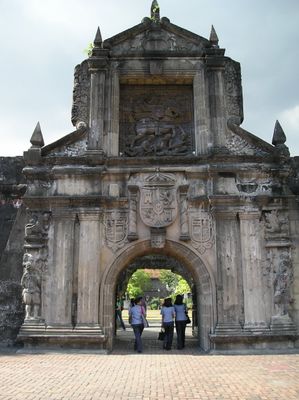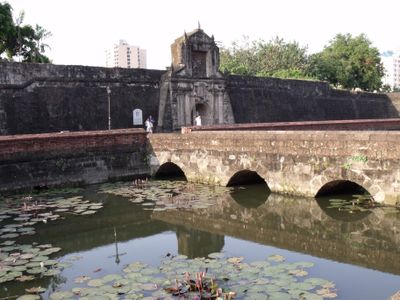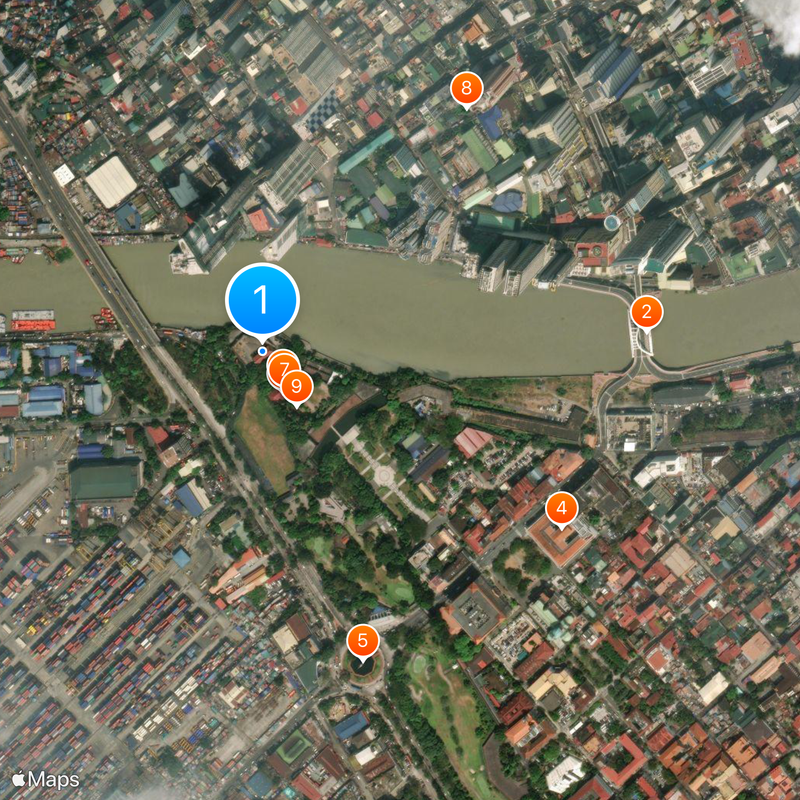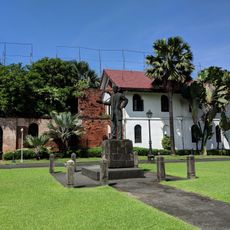
Fort Santiago, Military fortress in Intramuros, Manila, Philippines
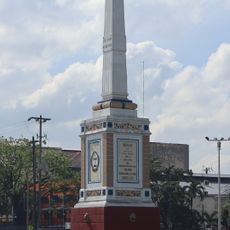
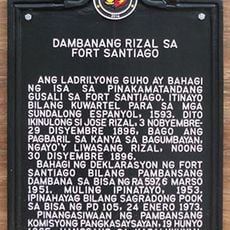
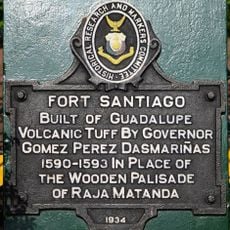
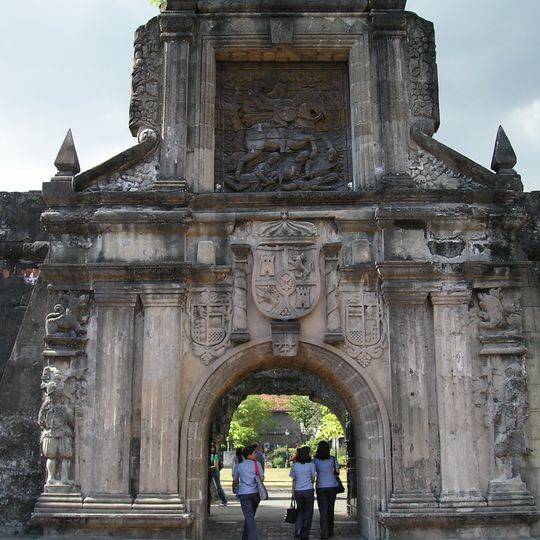
Fort Santiago is a military fortress in Intramuros, Manila, Philippines, constructed from volcanic tuff stone in a triangular layout. Its walls rise roughly seven meters along the Pasig River, giving the compound a compact, defensible silhouette with bastions at the corners.
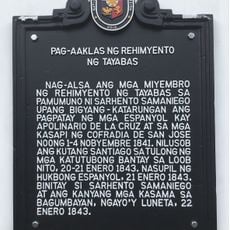
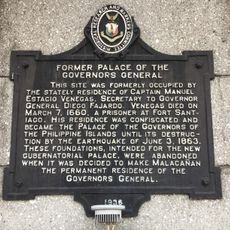
Spanish conqueror Miguel López de Legazpi founded the fortress in 1571 after dismantling a wooden stronghold of Rajah Sulayman. It served as the military headquarters of Spanish colonial power for over three centuries before being used by American and Japanese forces in later years.
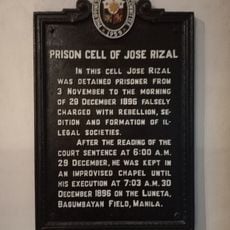
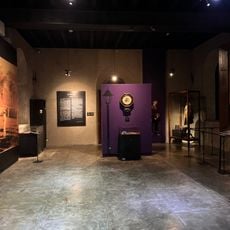
The name honors Saint James, patron of Spain, whose devotion the colonizers brought across the ocean. Inside the compound stands the Rizal Museum, where visitors can view manuscripts, drawings and personal items from the national hero's confinement, documenting his final weeks.
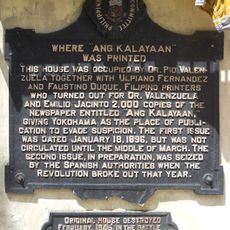
The compound opens daily and features restored barracks, guard posts, a chapel, and underground passages that run toward the river. Watch for uneven stone walkways during exploration and plan at least an hour and a half to walk through the main areas.
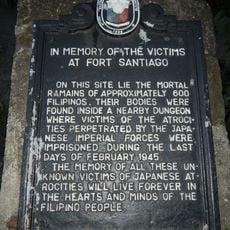
The dungeons were originally designed as powder magazines and later used as cells that let water through from the Pasig River at high tide. During the Japanese occupation in World War II, hundreds of prisoners died there when river flooding submerged the underground chambers.
The community of curious travelers
AroundUs brings together thousands of curated places, local tips, and hidden gems, enriched daily by 60,000 contributors worldwide.