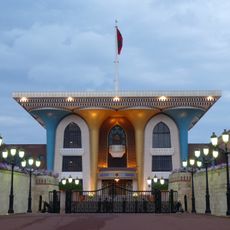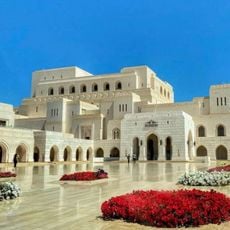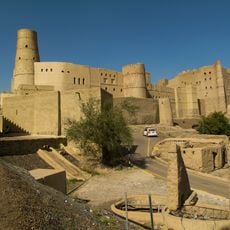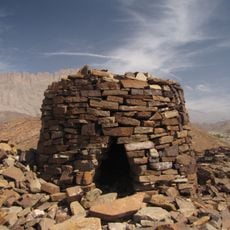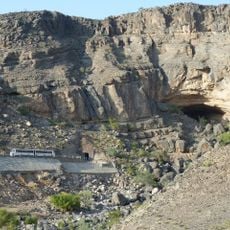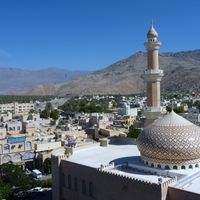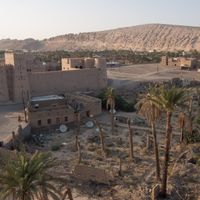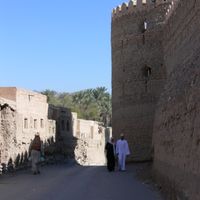
Oman, Sultanate in southeastern Arabian Peninsula.
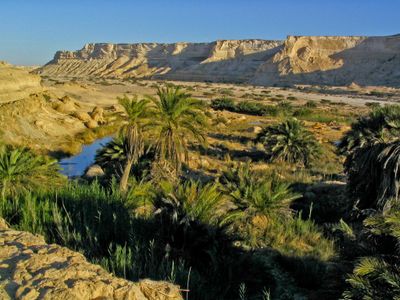
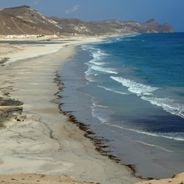
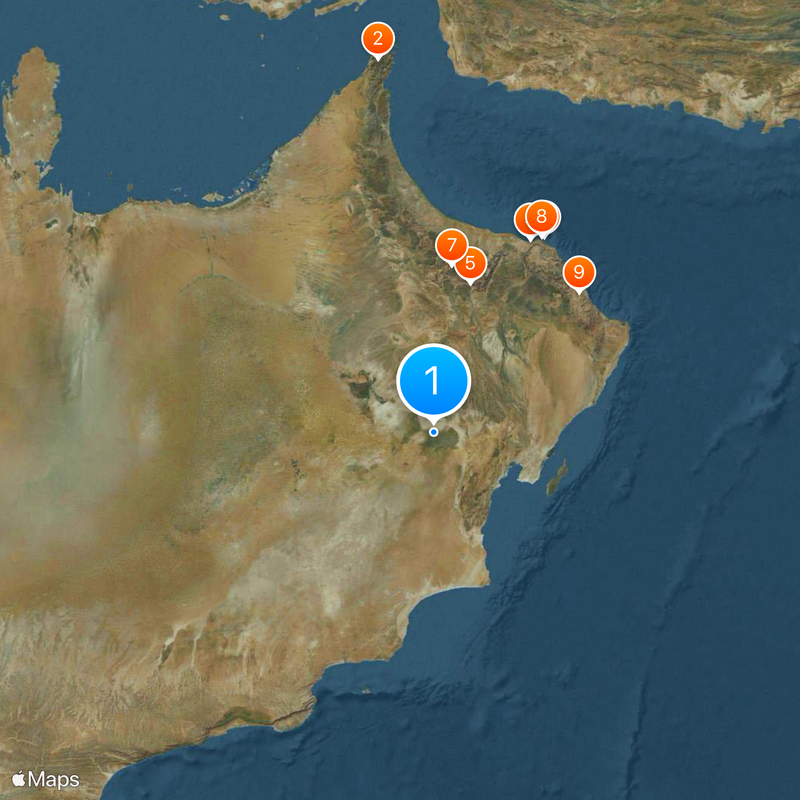
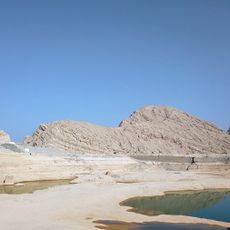
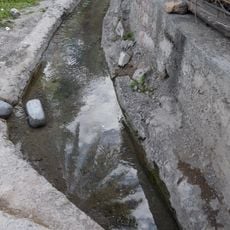
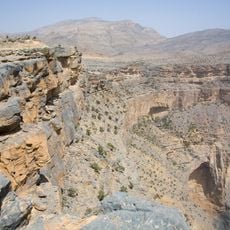
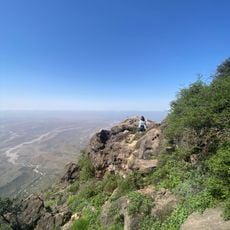
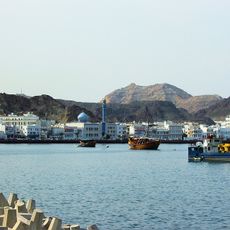
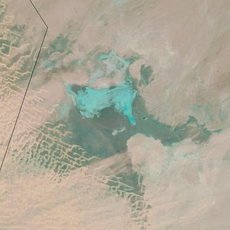
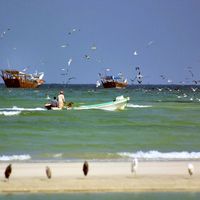
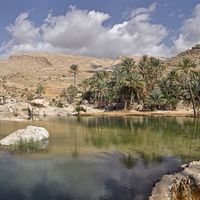
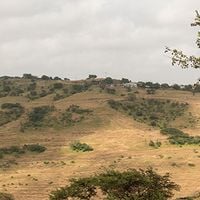
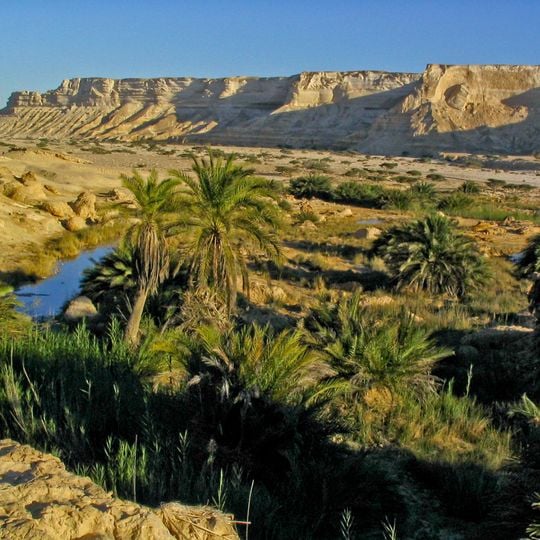
This sultanate occupies the southeastern corner of the Arabian Peninsula, sharing borders with the United Arab Emirates, Saudi Arabia, and Yemen. Its coastline runs for roughly 2,740 kilometers along the Arabian Sea and Gulf of Oman, while dry wadis carve through the interior and wind between mountain ranges.
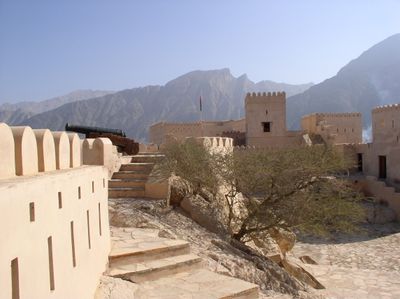
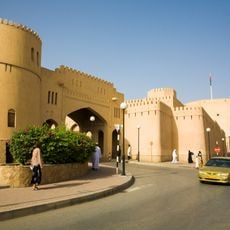
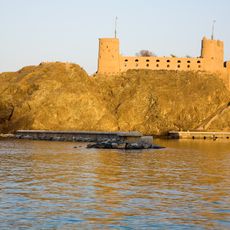
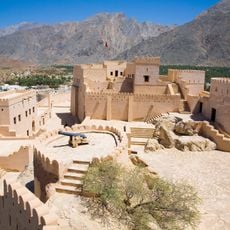
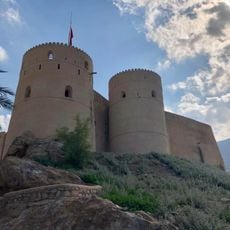
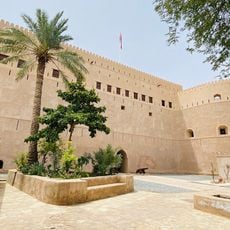
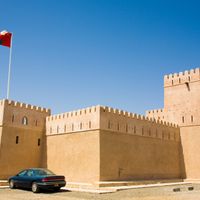
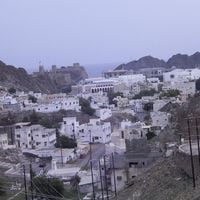
Portuguese forces built coastal fortresses and controlled ports starting in 1507, until the Ya'ariba dynasty expelled them during the 17th century. Power then extended toward Zanzibar, where rulers from here dominated Indian Ocean trade routes through the 18th century.
Coffee prepared with cardamom and poured from long-spouted pots marks hospitality in inland communities, where hosts typically offer guests three small cups. Men wear white dishdasha robes with intricately wound mussar headwear that signals regional affiliation, while women often choose ablaya garments when moving through public spaces.
Visitors need to arrange a visa online before arrival. Summer months bring temperatures above 40 °C in inland areas, while October through April provides milder weather ranging from 20 to 30 °C.
Frankincense trees grow naturally in the Dhofar region and produce aromatic resin harvested since ancient times. Traders moved the resin along routes connecting Africa, Arabia, and the Mediterranean for over three millennia.
The community of curious travelers
AroundUs brings together thousands of curated places, local tips, and hidden gems, enriched daily by 90,830 contributors worldwide.