See the monuments around you in AROpen chests in the app
Around Us is built for your phone — point your camera at the streets and discover the monuments and places around you in augmented reality.Around Us is built for your phone — chests unlock when you walk, explore and capture nearby places.
Monuments and natural landscapes to discover in Oman
Oman is home to an extraordinary range of natural and cultural sites that tell the story of this Arabian nation. You can visit the Grand Mosque Sultan Qaboos in Muscat, with its striking architectural design, explore ancient forts like those in Nizwa and Bahla that reveal centuries of Omani history, and walk through valleys such as Wadi Shab and Wadi Bani Khalid where water flows through dramatic canyon walls. The mountains of Jebel Akhdar and Jebel Shams offer hiking trails with panoramic views, while the Wahiba Sands present endless golden dunes and a chance to experience desert life. Along the coast, beaches and reserves like Ras Al Jinz showcase the country's marine wildlife and ecosystems. Whether you are interested in architecture, geology, desert landscapes, or local traditions, these destinations reveal what makes Oman distinct. From the grandeur of religious monuments to the raw beauty of wadis and mountains, each site offers something different to discover. These places are scattered across the country, making it easy to plan a journey that combines history, nature, and culture in one trip.
Monuments and natural landscapes to discover in Oman
Oman is home to an extraordinary range of natural and cultural sites that tell the story of this Arabian nation. You can visit the Grand Mosque Sultan Qaboos in Muscat, with its striking architectural design, explore ancient forts like those in Nizwa and Bahla that reveal centuries of Omani history, and walk through valleys such as Wadi Shab and Wadi Bani Khalid where water flows through dramatic canyon walls. The mountains of Jebel Akhdar and Jebel Shams offer hiking trails with panoramic views, while the Wahiba Sands present endless golden dunes and a chance to experience desert life. Along the coast, beaches and reserves like Ras Al Jinz showcase the country's marine wildlife and ecosystems. Whether you are interested in architecture, geology, desert landscapes, or local traditions, these destinations reveal what makes Oman distinct. From the grandeur of religious monuments to the raw beauty of wadis and mountains, each site offers something different to discover. These places are scattered across the country, making it easy to plan a journey that combines history, nature, and culture in one trip.
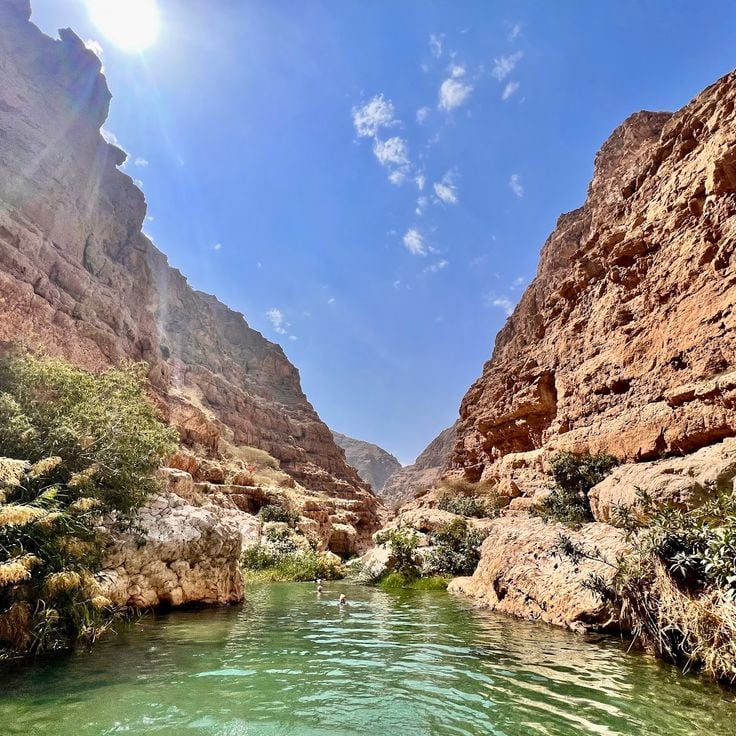
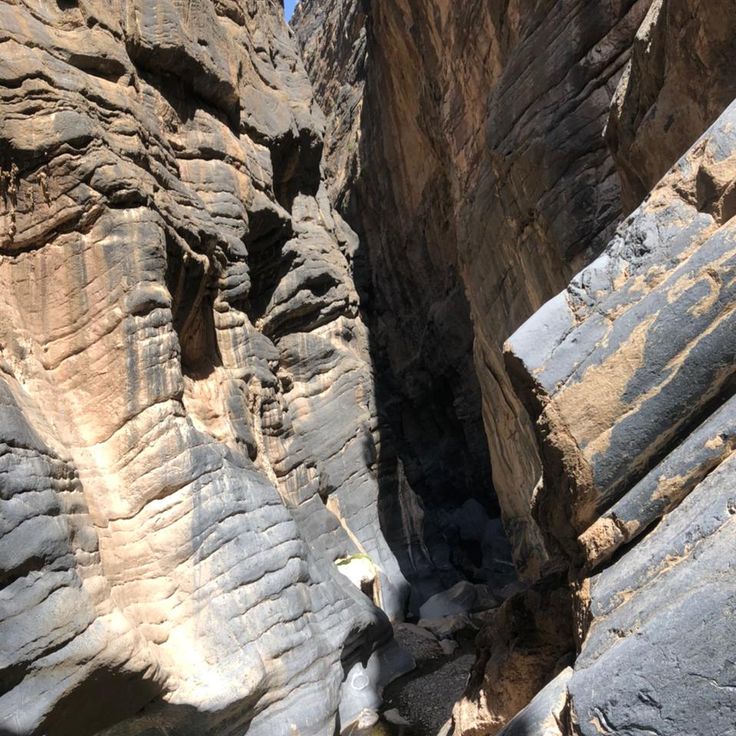
Wadi Shab is a canyon valley set between mountains, with turquoise pools, walking routes, and caves reached by swimming. It shows the natural beauty of Oman and fits well into a journey combining history, nature, and culture. Visitors walk through narrow canyon walls and explore a landscape shaped by water and stone, making it an important destination for those interested in geology and desert scenery.
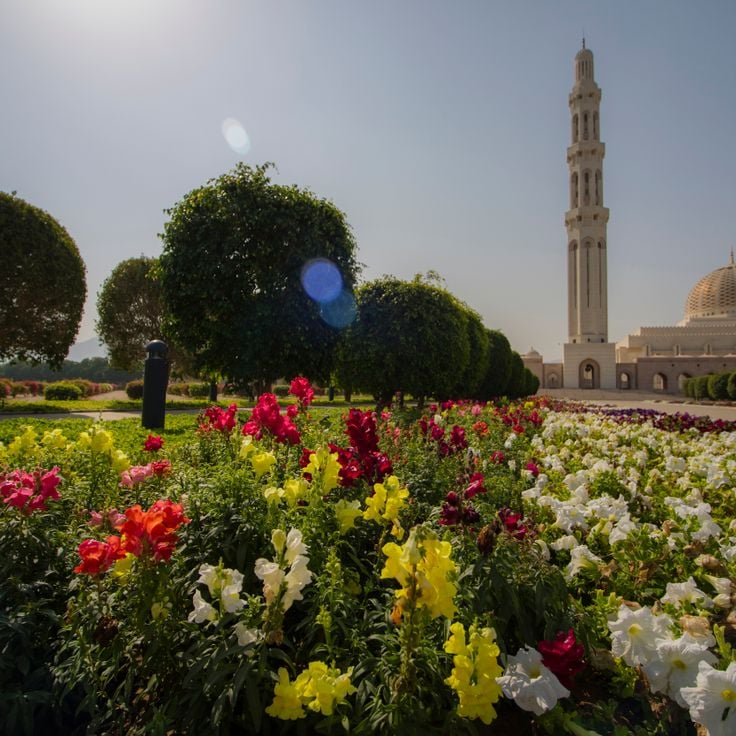
The Grand Mosque Sultan Qaboos in Muscat is a major religious center and shows how Oman expresses its Islamic faith through architecture. This mosque brings together modern craftsmanship and traditional Islamic design. Inside, Persian carpets cover the prayer hall, and five minarets frame the exterior. The building can accommodate about 20,000 worshippers at once. Visitors can observe how the space is designed for prayer and community gathering, and see the skilled work that went into its construction.
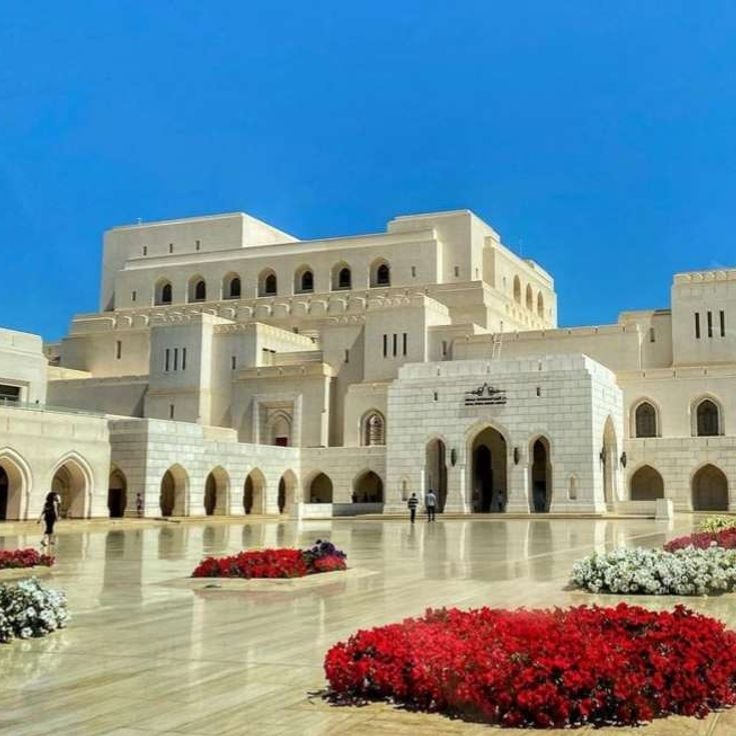
The Royal Opera House is the cultural center of Muscat, showcasing how Oman blends traditional arts with contemporary artistic expression. Opened in 2011, this building hosts performances of classical music, dance, and opera, drawing local and international artists. It shapes the cultural life of the city and stands in contrast to the historical monuments and natural landscapes found throughout the country.
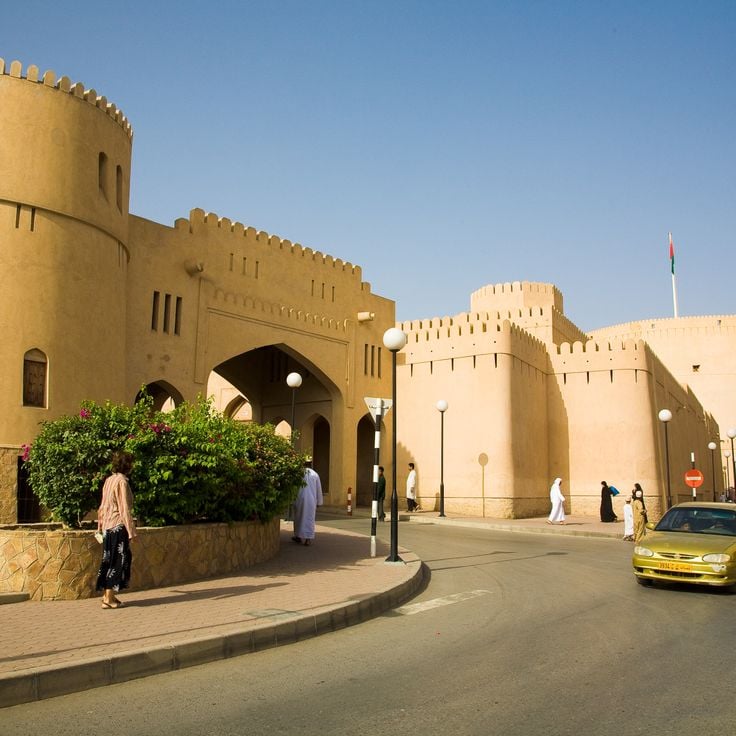
Nizwa Fort is a 17th-century fortress that protected the Nizwa oasis with its 40-meter high walls and four watchtowers. It shows how Oman built military structures to defend important settlements across the region. The fort is part of the country's architectural story, standing alongside other historic sites that reveal how the Omani people developed their settlements and maintained their traditions over centuries.
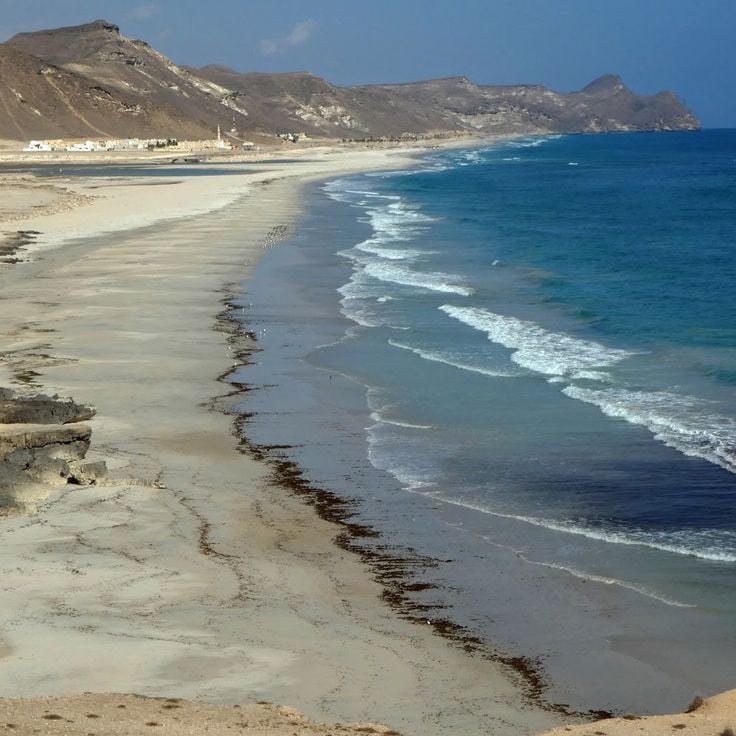
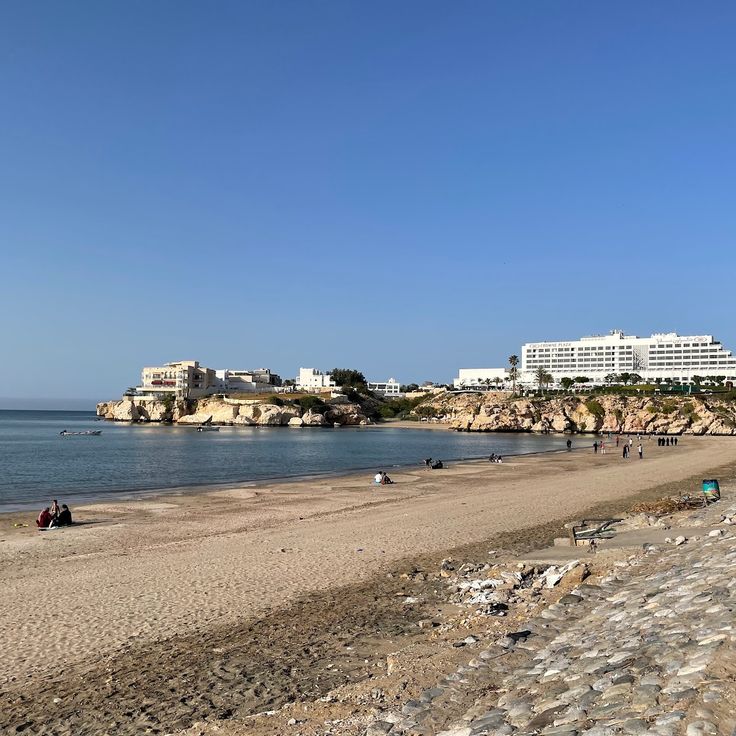
Qurum Beach is a public beach in Muscat that stretches for several kilometers along the coast. This beach showcases the coastal side of Oman's natural landscapes and offers visitors a place to experience everyday seaside life. Palm trees line the shoreline, providing shade and a tropical feel. Picnic areas, restaurants, and sports facilities dot the beach, where locals and tourists gather to enjoy the water and relax by the sea.
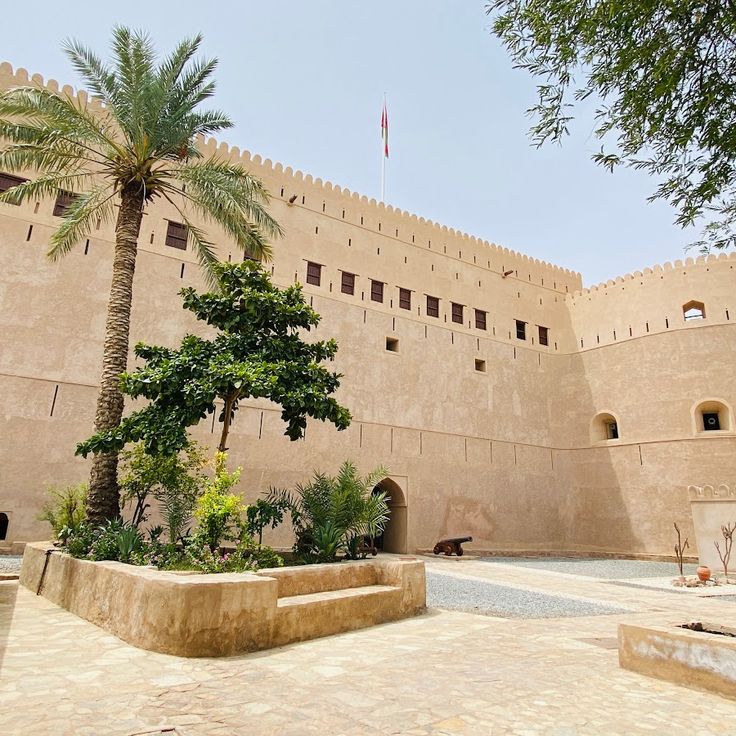
Al Hazm Fort is a square-shaped military structure that shows how Oman built its defensive fortifications. The fort features an ingenious water supply system with underground channels and wells that the builders designed to survive in the desert. This practical system was necessary to support a garrison in this arid region. Al Hazm Fort is part of Oman's story of fortified settlements and demonstrates the military techniques developed over centuries.
Jebel Akhdar is a mountain range in Oman's collection of natural and cultural sites, rising to 2000 meters. The mountain is defined by agricultural terraces and an ancient falaj irrigation system that demonstrates centuries of Omani engineering. Visitors can hike through this landscape and experience how water flows through the mountains to support farming communities in the heights.
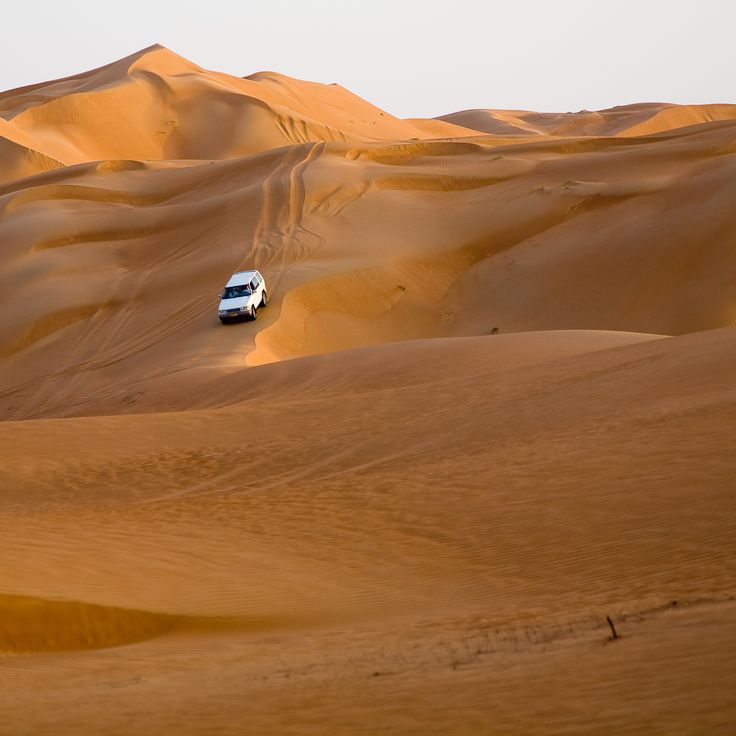
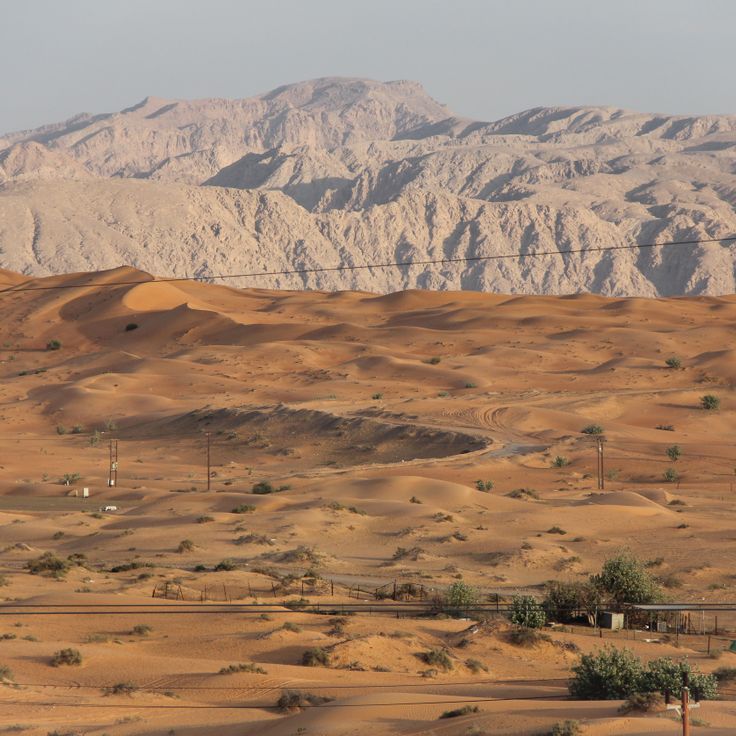
The Wahiba Sands in this collection are a desert near Sur that stretches across vast distances from north to south. The dunes glow in shades of orange and red, reaching considerable heights. Bedouins who live in this area welcome visitors and share their traditions. This desert shows a side of Oman far from the coastal cities. The sand constantly shifts and reshapes the landscape. Those who come here experience desert life as it has been lived for generations.
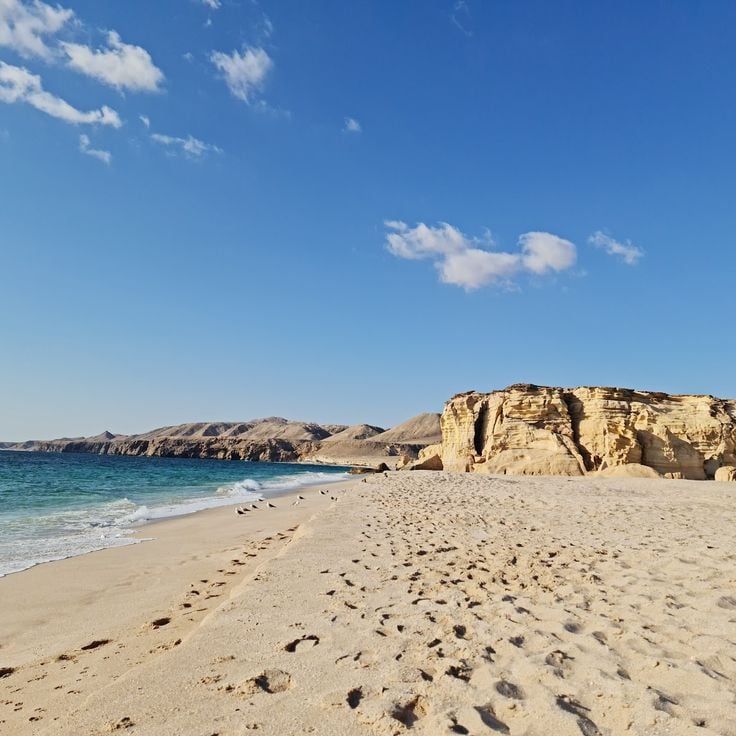
Ras Al Jinz Reserve is a coastal conservation center in Oman where visitors can observe green sea turtles during their nesting season. The turtles arrive at night to lay their eggs in the sand. This site demonstrates how Oman protects its marine wildlife and their habitats. Walking along the shore after dark offers a chance to witness one of the region's most important ecosystems in action.
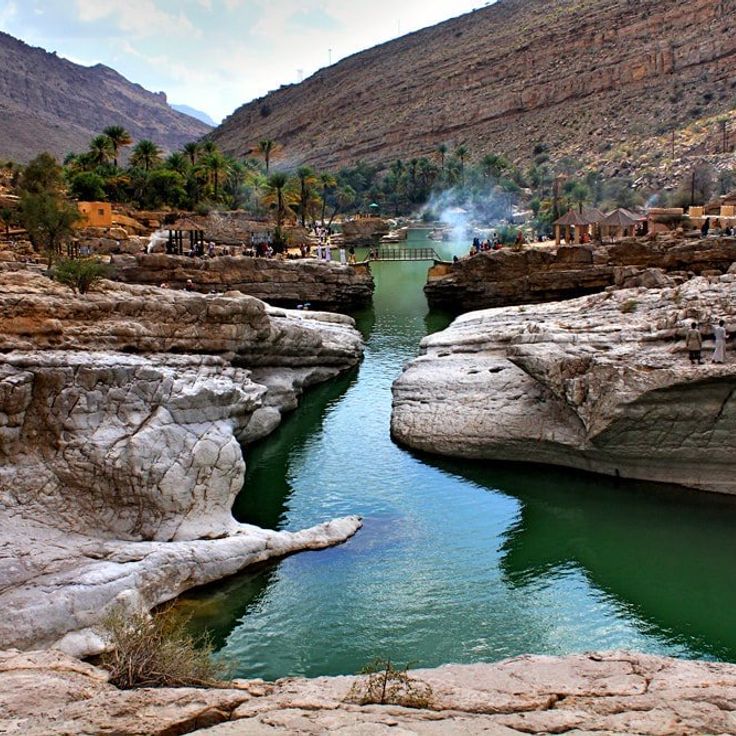
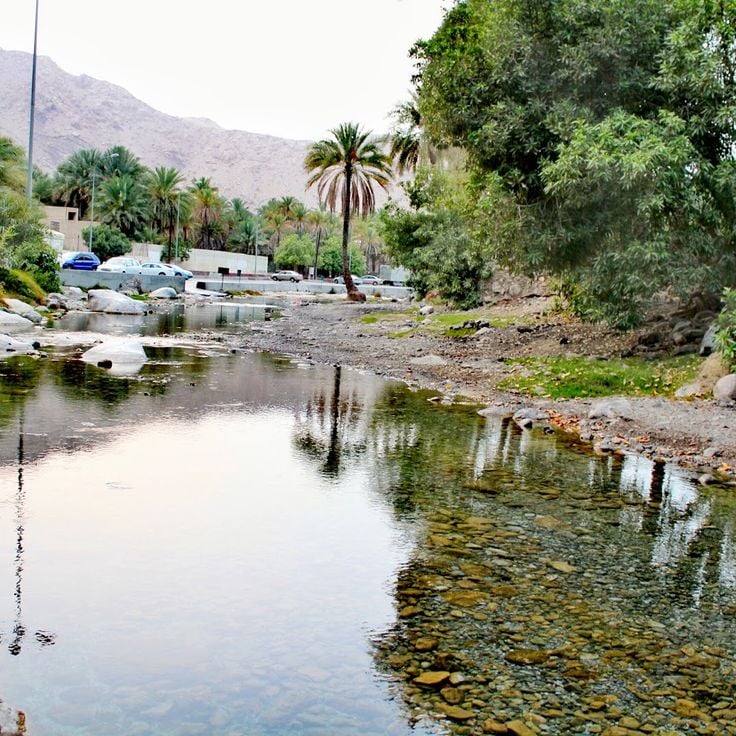
Wadi Bani Khalid is a valley cut through rock in Oman that contains natural pools of green water and limestone caves open to swimmers. This wadi shows how water has shaped the landscape over centuries, carving through stone to create passages and caverns. Visitors can walk through the valley, swim in the cool pools, and explore the caves that open into the rock. The water flows year-round, creating a ribbon of green vegetation in an otherwise dry region. The site reveals what makes Oman's wadis important: they are places where water, geology, and life come together. Walking through this valley gives a sense of the power of water and the way people have lived with these natural features for generations.
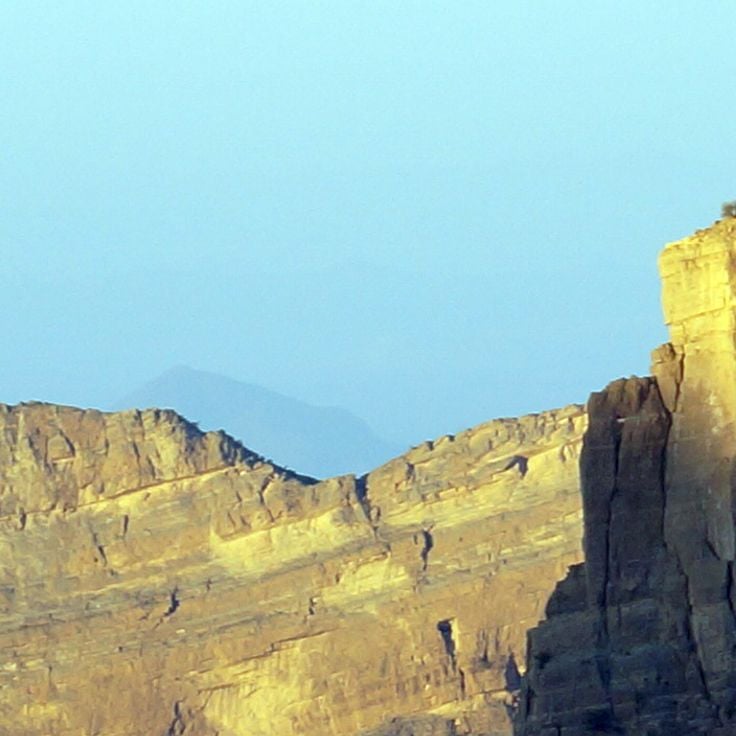
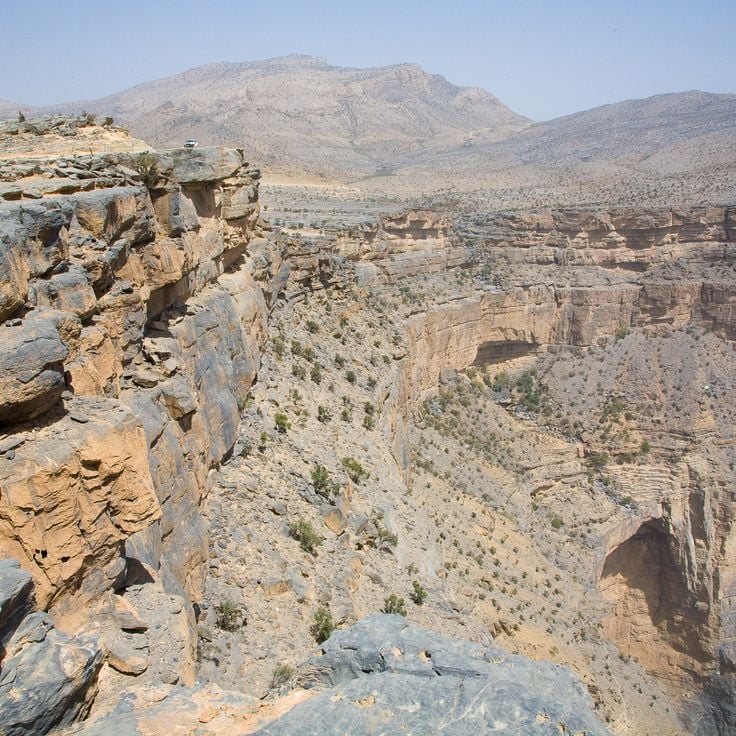
Jebel Shams is Oman's highest peak and showcases the country's mountain landscape with a canyon 1000 meters deep cut through its slopes. The mountain features marked walking routes that pass through this dramatic gorge, revealing the geological layers and natural formation of the land. Visitors can experience the raw rock formations and understand how water and time have shaped this corner of Oman.
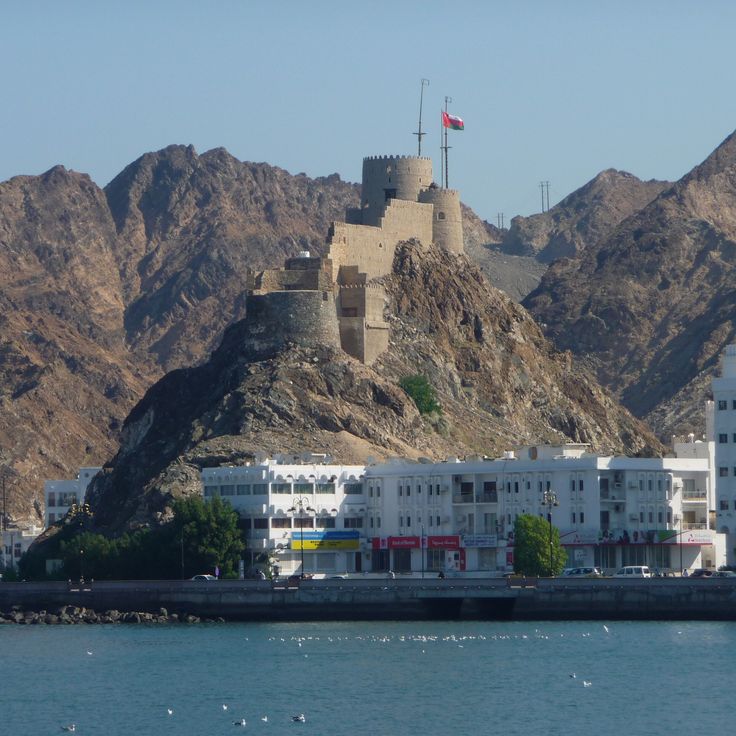
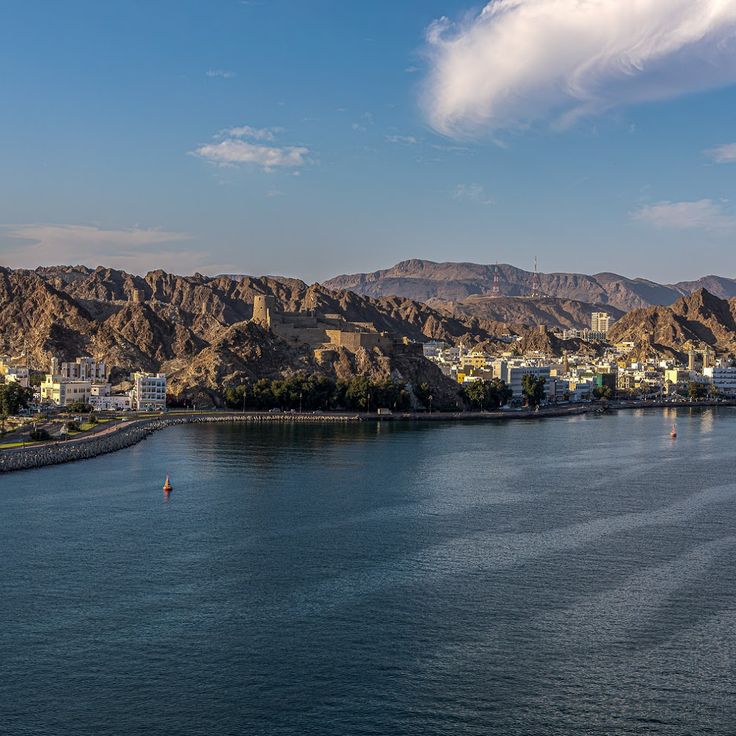
Muttrah Fort in Muscat is a military fortress built by the Portuguese in the 16th century on a hill overlooking the commercial port and seaside promenade. This fort represents the military history of Oman and shows how rulers controlled the coast. It fits into Oman's past, which includes trade, conquest, and cultural exchange. The location offers views of the harbor and city, combining architectural history with natural setting.
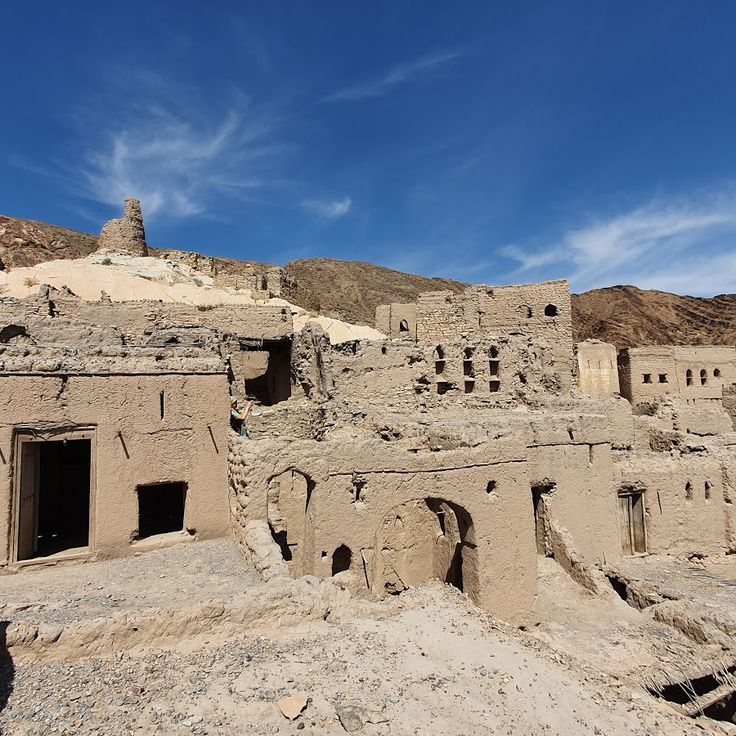
Birkat al Mouz shows the remains of mudbrick dwellings and ancient irrigation channels recognized as a World Heritage Site for its water management system. The channels reveal how earlier inhabitants engineered water from underground sources across the dry landscape. This place demonstrates the practical knowledge and ability of people to sustain settlements in an arid region. Walking through Birkat al Mouz, you can see the ruins of homes and the network of waterways that once brought life to this area.
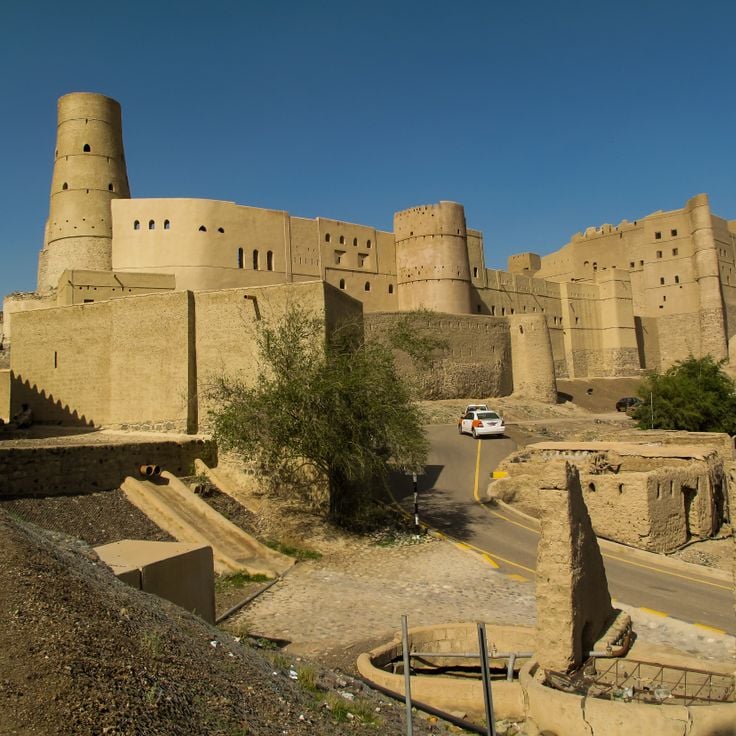
Bahla Fort is part of Oman's remarkable collection of natural and cultural sites. This medieval fortress is surrounded by 12-kilometer ramparts that protect a city with defensive towers, mosques, and a market dating from the 13th century. The fort reveals centuries of Omani history and allows visitors to step back in time, understanding the craftsmanship and urban planning of earlier periods.
The Hajar Mountains are a mountain range in Oman that extends across great distances, composed of limestone peaks with deep valleys and gorges. As part of Oman's natural heritage, these mountains display the geological diversity of the country. The highest summits reach about 3000 meters and offer hiking trails with wide views across the landscape. Visitors can experience the raw beauty of the mountain landscape and discover traditional villages scattered throughout the peaks.
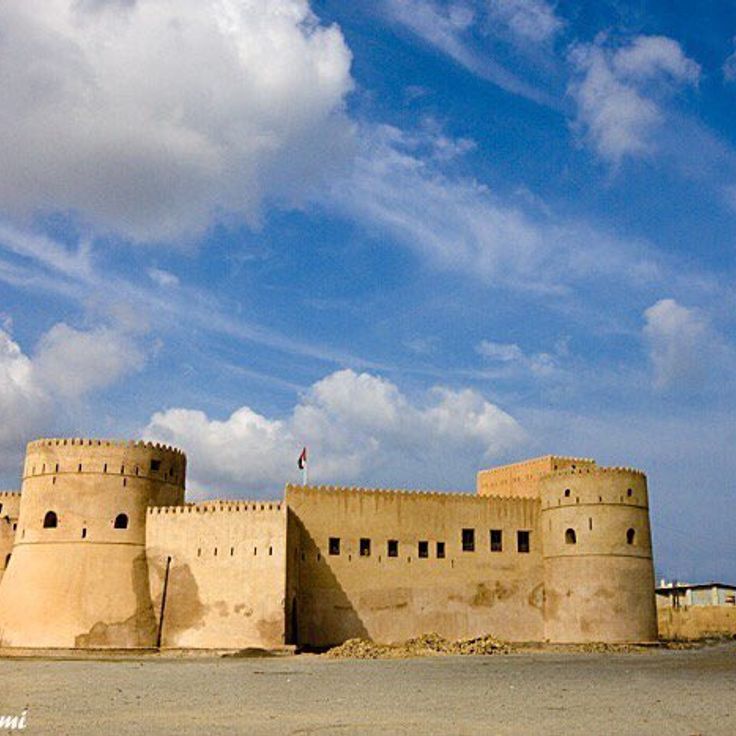
Barka Fort is an 8-sided military fortress from the 17th century that connects to Oman's broader story of defense and architecture. Located near the coast, this fort demonstrates how Omanis built structures to protect their settlements. The entrance features wooden doors carved with geometric patterns that show the craftsmanship of local builders. Within this collection of monuments and natural landscapes, Barka Fort represents the historical fortifications that shaped the nation's past.
The Arabian Grand Canyon in Ad Dakhiliyah is part of Oman's range of natural landscapes and tells the story of this region's geological history. Reaching about 1000 meters in depth, this canyon features steep limestone walls and natural terraces shaped over time by natural forces. Visitors can explore the powerful rock formations and experience the scale of this natural creation.
Rustaq Fort served as an important military stronghold in the Rustaq region for centuries. This fortress features twelve defense towers and a network of underground galleries carved into the rock. Visitors can climb the towers and walk through the passages beneath the structure to understand how the region was protected over time. From the top, views extend across the town and surrounding landscape. The fort reveals the construction methods and defensive strategies that shaped Omani architecture and history.
Jabrin Castle is a 17th-century royal residence that displays painted ceilings and geometric patterns throughout its rooms. The building has two floors where you can see how royal families lived and decorated their spaces during this period. Walking through Jabrin Castle reveals the craftsmanship and design choices of its time. This castle is part of Oman's diverse collection of cultural sites, offering visitors insight into the architectural traditions and daily life of the Arabian region's history.
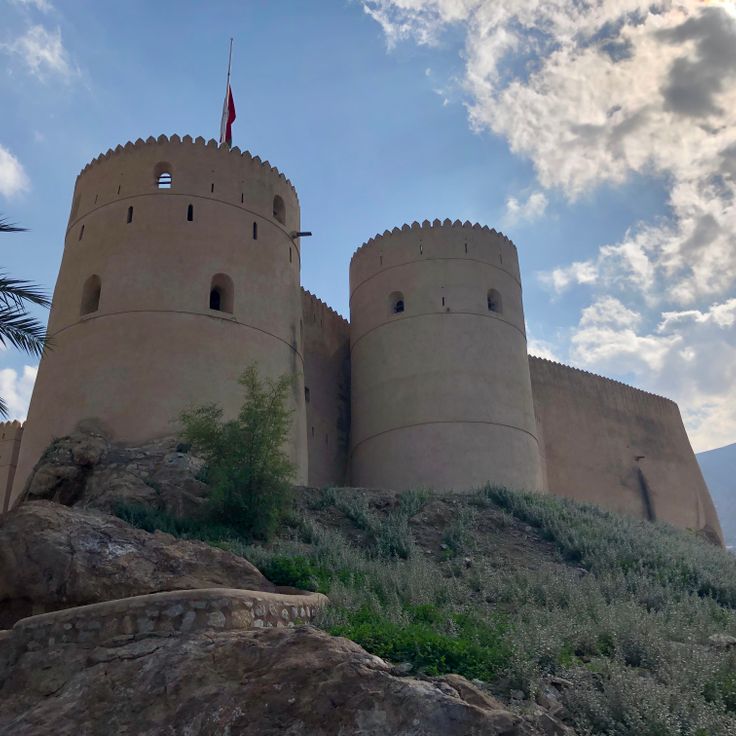
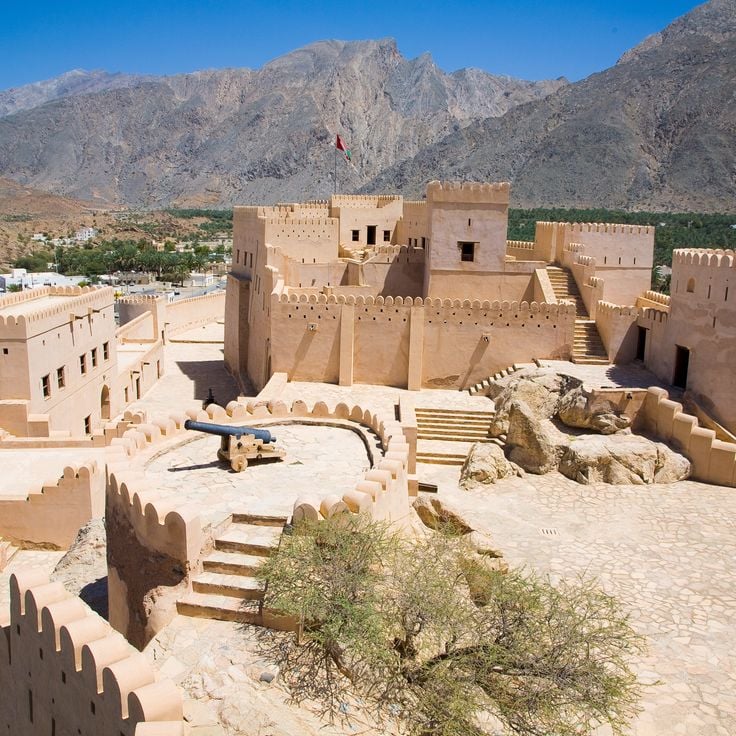
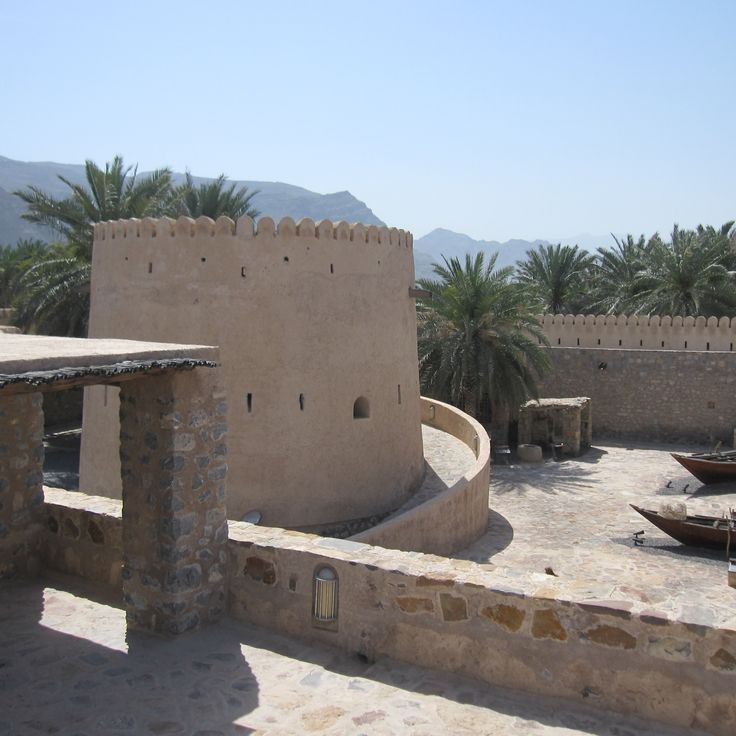
Nakhal Fort is a 19th-century military fortress built on a rocky outcrop. From its walls, you can see a palm grove below and the Hajar Mountains beyond. Walking through the fort, you discover how Omanis defended their territory during this period and learn about the construction methods of the time. The fort stands in a commanding position that allowed defenders to watch the surrounding valleys and trade routes. This site reveals a chapter of Oman's military past and shows the engineering skill of the region.
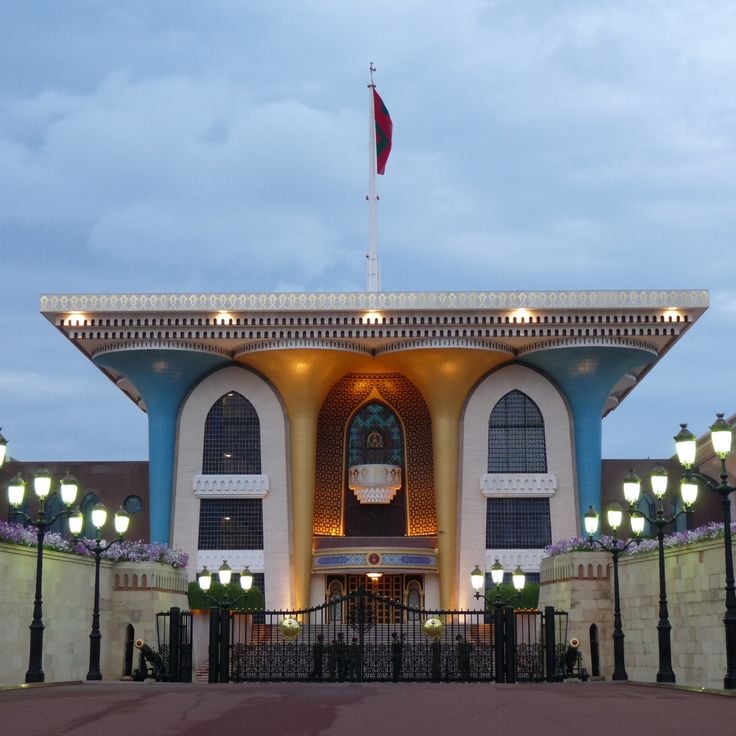
Al Alam Royal Palace in Muscat is the ceremonial residence of the Sultan, built in 1972. The building combines contemporary design with Islamic architecture, featuring distinctive blue and gold columns that stand out against the city. This palace shows how Oman has shaped its identity through architecture while staying connected to cultural values. Within Oman's collection of monuments and landscapes, this royal residence demonstrates how Islamic and modern elements come together to reflect the nation's development.
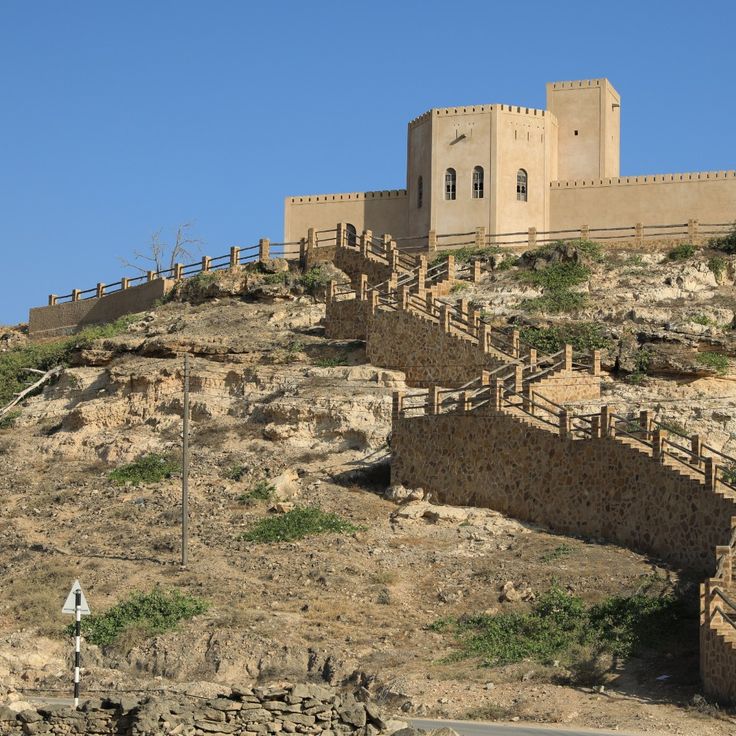
Taqah Fort is a 19th-century defensive structure built with limestone and coral. The museum inside displays fossils discovered in the Dhofar region. This fort helps visitors understand Omani history and how people in this area once lived and protected their communities. It reveals the defensive architecture that developed across Oman over the centuries and connects to the broader story of the nation's architecture, history, and local traditions.
Muttrah Souq is a historic marketplace in the heart of Muscat that shows how trade and craftsmanship have shaped Oman for centuries. Walking through narrow alleys with low ceilings, you pass shops selling spices, textiles, silver, and perfumes. The air fills with the scent of frankincense and cardamom as merchants display their goods. This place connects Oman's history as a trading nation with the daily life of the city, making it a vital part of Muscat's cultural fabric.
The Muttrah Corniche is a paved walkway along Muscat's fishing port that invites you to explore this Arabian nation. This waterfront path offers views of the surrounding mountains and the old fortifications that protect the city. Here you see everyday life in Oman: fishing boats rest in the harbor, and people walk the path. The Muttrah Corniche connects Muscat's history with its present role as a gathering place for locals and travelers.
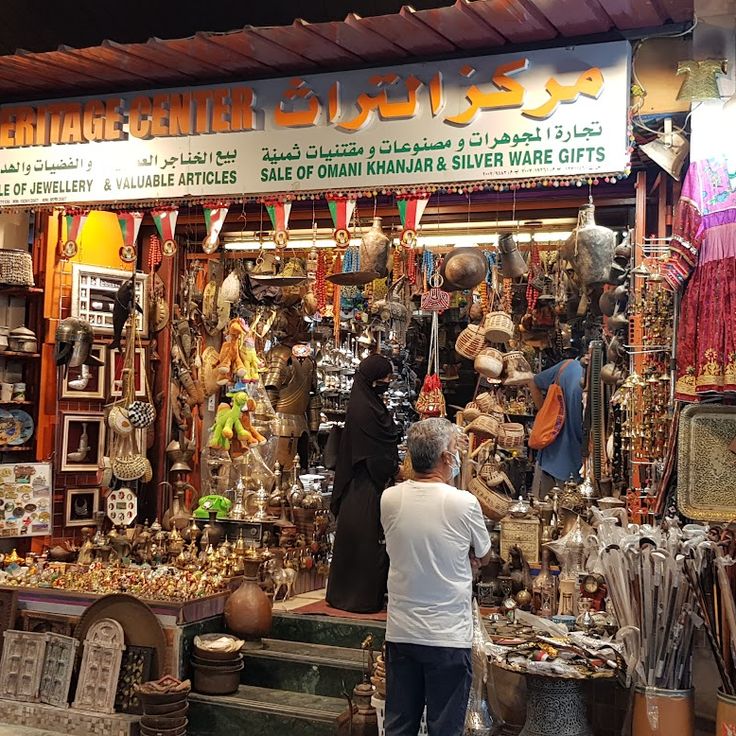
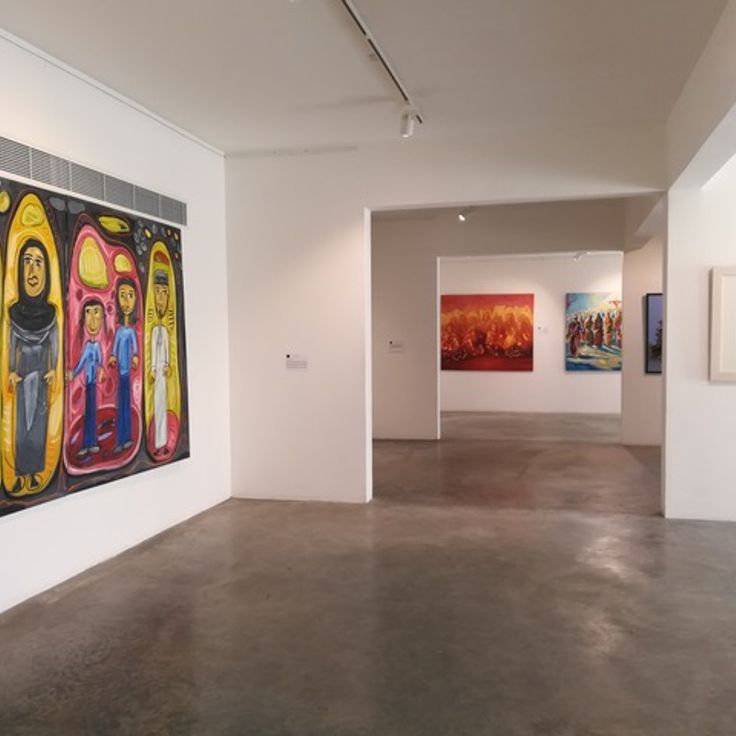
The Omani Heritage Gallery in Muscat displays handcrafts made by Omani artisans, including textiles, pottery, and traditional jewelry. Within Oman's collection of monuments and natural landscapes, this gallery opens a door to the country's cultural traditions and the skills handed down through generations, complementing the architectural and natural sites found throughout the nation.
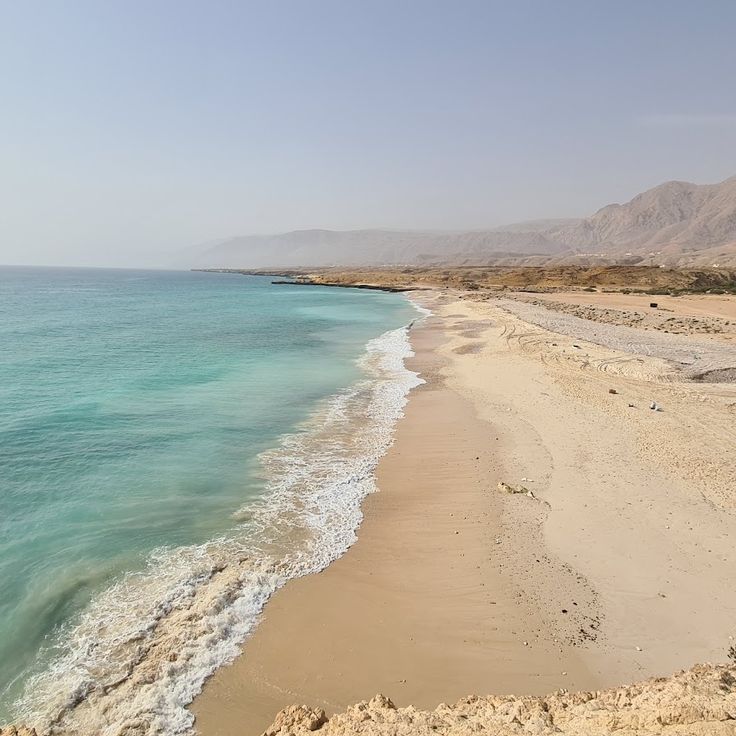
Fins Beach is a white sandy shore bordered by limestone cliffs where the clear water makes it easy to spot tropical fish. This coastal destination fits into Oman's range of natural sites, offering a marine perspective alongside the country's mountains, valleys, forts, and desert landscapes.
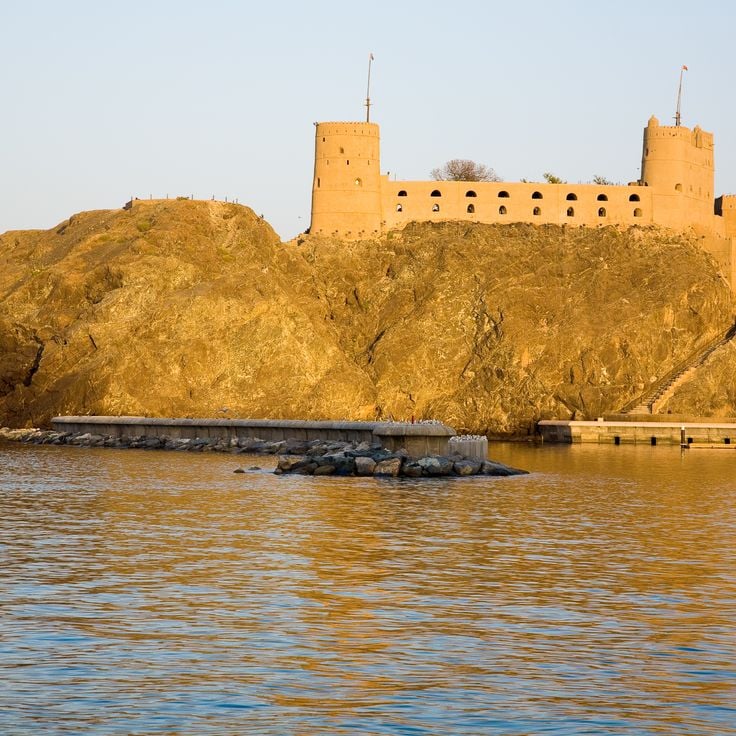
Fort Al Jalali is a fortress built by the Portuguese in 1587 on a rocky promontory in Muscat. It was designed to protect the port and monitor incoming ships. This fort is part of Oman's collection of monuments and natural landscapes, revealing how trade routes and military structures shaped this Arabian nation's history.
Al-Thawarah Hot Spring in Nakhal is part of the natural and cultural sites that tell Oman's story. The sulfurous water flows from the Hajar mountains and maintains a constant temperature of 40 degrees. Visitors can bathe in the pools fed by the spring and feel the warmth of the water. This natural thermal site reveals how Oman's landscape is shaped by geological forces and mineral-rich waters.
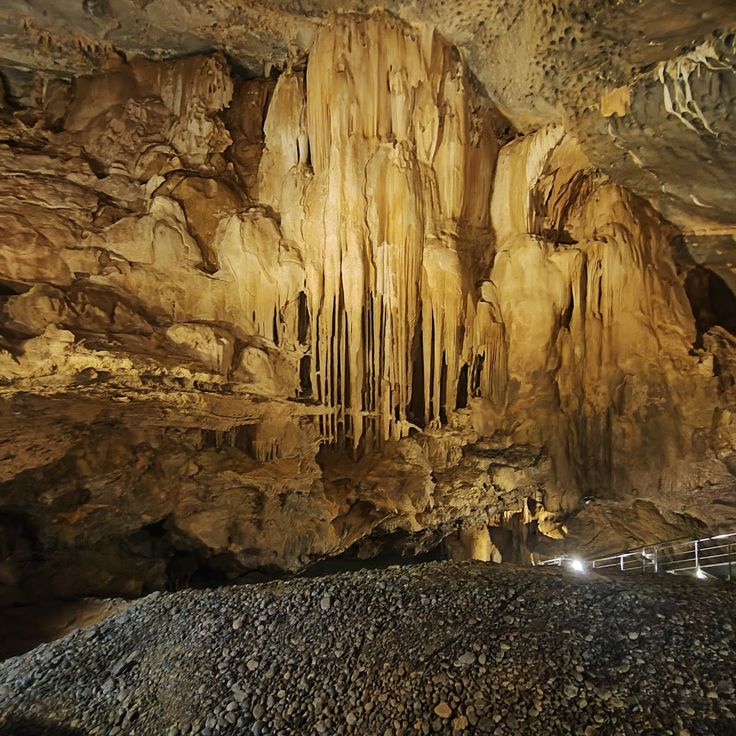
Al Hoota Caves in Tanuf are among Oman's remarkable geological features. This cave system extends approximately 2 kilometers underground and contains striking stalactites and stalagmites formed over many millennia. An underground lake flows through the cavern, adding to the natural character of the landscape. An interpretation center on site helps visitors understand the local geology and how these underground formations developed over long periods of time.
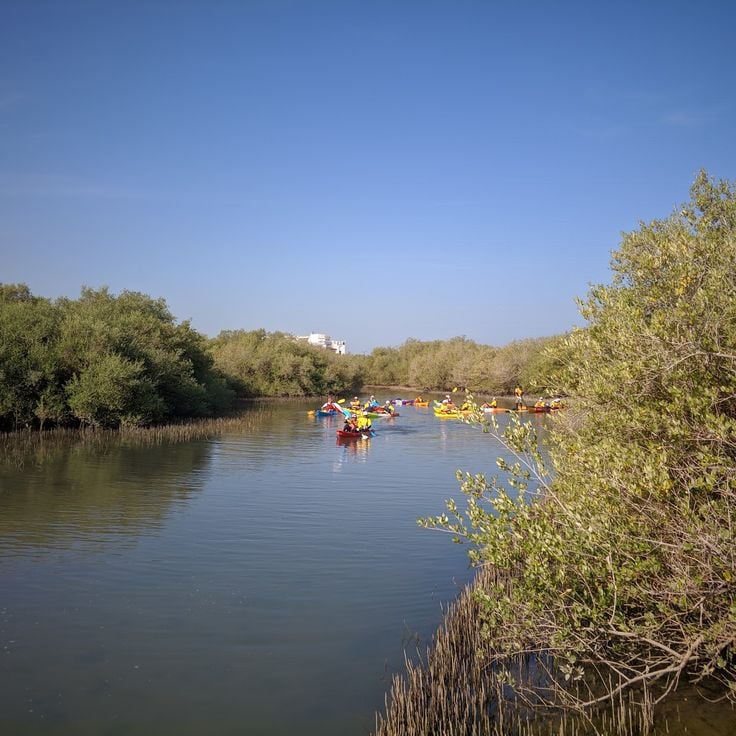
Qurm Nature Reserve is a coastal mangrove area in the capital city of Muscat and demonstrates the diversity of Oman's ecosystems beyond its mountains and deserts. This reserve is home to crabs, migratory birds, and fish that inhabit the mangrove wetlands. Walking trails wind through the wetlands, allowing visitors to observe wildlife in their natural setting. The reserve shows why Oman's natural sites span not just arid landscapes but also the coastal habitats that sustain the country's marine and bird populations.
Khasab Fort was built in 1675 to protect the Strait of Hormuz and stands as one of the significant historical sites in Oman. This fort holds a collection of traditional objects and information that reveal the local history of Musandam. Walking through its spaces offers insight into how this location served to defend the region and played a role in maritime affairs. The fort presents a window into the past and the life of people in this part of Oman.
Jebel Samhan Reserve is a protected mountain area in Dhofar that holds an important place in Oman's collection of natural and cultural sites. Arabian leopards and gazelles make their home in this region, roaming across the rugged terrain. The reserve sits at elevations between 1,500 and 2,100 meters (4,900 to 6,900 feet), featuring rocky landscapes with deep valleys and steep slopes. Walking through these highlands, visitors can experience the raw beauty of the landscape and encounter rare wildlife that calls these mountains home. This reserve shows how Oman preserves natural spaces that have remained largely unchanged over time.
Wadi Al Abyad is a limestone gorge with distinctive rock formations and natural water basins. The clear water and natural pools invite swimming throughout the year. This valley shows the geological variety of Oman and offers a refreshing experience when exploring the country's natural landscapes. It fits perfectly into a journey that combines history, nature, and culture.
Al Mughsayl Beach is a coastal stretch extending three kilometers, bordered by cliffs where natural geysers shoot seawater through holes in the rock. This beach demonstrates the diverse coastal nature of Oman and offers visitors a chance to witness geological phenomena shaped by the power of the sea. Al Mughsayl Beach belongs among the distinctive sites in Oman that combine natural forces and landscapes, providing insight into the geological history of the region.
Wadi Shab is a canyon valley set between mountains, with turquoise pools, walking routes, and caves reached by swimming. It shows the natural beauty of Oman and fits well into a journey combining history, nature, and culture. Visitors walk through narrow canyon walls and explore a landscape shaped by water and stone, making it an important destination for those interested in geology and desert scenery.
The Grand Mosque Sultan Qaboos in Muscat is a major religious center and shows how Oman expresses its Islamic faith through architecture. This mosque brings together modern craftsmanship and traditional Islamic design. Inside, Persian carpets cover the prayer hall, and five minarets frame the exterior. The building can accommodate about 20,000 worshippers at once. Visitors can observe how the space is designed for prayer and community gathering, and see the skilled work that went into its construction.
The Royal Opera House is the cultural center of Muscat, showcasing how Oman blends traditional arts with contemporary artistic expression. Opened in 2011, this building hosts performances of classical music, dance, and opera, drawing local and international artists. It shapes the cultural life of the city and stands in contrast to the historical monuments and natural landscapes found throughout the country.
Nizwa Fort is a 17th-century fortress that protected the Nizwa oasis with its 40-meter high walls and four watchtowers. It shows how Oman built military structures to defend important settlements across the region. The fort is part of the country's architectural story, standing alongside other historic sites that reveal how the Omani people developed their settlements and maintained their traditions over centuries.
Qurum Beach is a public beach in Muscat that stretches for several kilometers along the coast. This beach showcases the coastal side of Oman's natural landscapes and offers visitors a place to experience everyday seaside life. Palm trees line the shoreline, providing shade and a tropical feel. Picnic areas, restaurants, and sports facilities dot the beach, where locals and tourists gather to enjoy the water and relax by the sea.
Al Hazm Fort is a square-shaped military structure that shows how Oman built its defensive fortifications. The fort features an ingenious water supply system with underground channels and wells that the builders designed to survive in the desert. This practical system was necessary to support a garrison in this arid region. Al Hazm Fort is part of Oman's story of fortified settlements and demonstrates the military techniques developed over centuries.
Jebel Akhdar is a mountain range in Oman's collection of natural and cultural sites, rising to 2000 meters. The mountain is defined by agricultural terraces and an ancient falaj irrigation system that demonstrates centuries of Omani engineering. Visitors can hike through this landscape and experience how water flows through the mountains to support farming communities in the heights.
The Wahiba Sands in this collection are a desert near Sur that stretches across vast distances from north to south. The dunes glow in shades of orange and red, reaching considerable heights. Bedouins who live in this area welcome visitors and share their traditions. This desert shows a side of Oman far from the coastal cities. The sand constantly shifts and reshapes the landscape. Those who come here experience desert life as it has been lived for generations.
Ras Al Jinz Reserve is a coastal conservation center in Oman where visitors can observe green sea turtles during their nesting season. The turtles arrive at night to lay their eggs in the sand. This site demonstrates how Oman protects its marine wildlife and their habitats. Walking along the shore after dark offers a chance to witness one of the region's most important ecosystems in action.
Wadi Bani Khalid is a valley cut through rock in Oman that contains natural pools of green water and limestone caves open to swimmers. This wadi shows how water has shaped the landscape over centuries, carving through stone to create passages and caverns. Visitors can walk through the valley, swim in the cool pools, and explore the caves that open into the rock. The water flows year-round, creating a ribbon of green vegetation in an otherwise dry region. The site reveals what makes Oman's wadis important: they are places where water, geology, and life come together. Walking through this valley gives a sense of the power of water and the way people have lived with these natural features for generations.
Jebel Shams is Oman's highest peak and showcases the country's mountain landscape with a canyon 1000 meters deep cut through its slopes. The mountain features marked walking routes that pass through this dramatic gorge, revealing the geological layers and natural formation of the land. Visitors can experience the raw rock formations and understand how water and time have shaped this corner of Oman.
Muttrah Fort in Muscat is a military fortress built by the Portuguese in the 16th century on a hill overlooking the commercial port and seaside promenade. This fort represents the military history of Oman and shows how rulers controlled the coast. It fits into Oman's past, which includes trade, conquest, and cultural exchange. The location offers views of the harbor and city, combining architectural history with natural setting.
Birkat al Mouz shows the remains of mudbrick dwellings and ancient irrigation channels recognized as a World Heritage Site for its water management system. The channels reveal how earlier inhabitants engineered water from underground sources across the dry landscape. This place demonstrates the practical knowledge and ability of people to sustain settlements in an arid region. Walking through Birkat al Mouz, you can see the ruins of homes and the network of waterways that once brought life to this area.
Bahla Fort is part of Oman's remarkable collection of natural and cultural sites. This medieval fortress is surrounded by 12-kilometer ramparts that protect a city with defensive towers, mosques, and a market dating from the 13th century. The fort reveals centuries of Omani history and allows visitors to step back in time, understanding the craftsmanship and urban planning of earlier periods.
The Hajar Mountains are a mountain range in Oman that extends across great distances, composed of limestone peaks with deep valleys and gorges. As part of Oman's natural heritage, these mountains display the geological diversity of the country. The highest summits reach about 3000 meters and offer hiking trails with wide views across the landscape. Visitors can experience the raw beauty of the mountain landscape and discover traditional villages scattered throughout the peaks.
Barka Fort is an 8-sided military fortress from the 17th century that connects to Oman's broader story of defense and architecture. Located near the coast, this fort demonstrates how Omanis built structures to protect their settlements. The entrance features wooden doors carved with geometric patterns that show the craftsmanship of local builders. Within this collection of monuments and natural landscapes, Barka Fort represents the historical fortifications that shaped the nation's past.
The Arabian Grand Canyon in Ad Dakhiliyah is part of Oman's range of natural landscapes and tells the story of this region's geological history. Reaching about 1000 meters in depth, this canyon features steep limestone walls and natural terraces shaped over time by natural forces. Visitors can explore the powerful rock formations and experience the scale of this natural creation.
Rustaq Fort served as an important military stronghold in the Rustaq region for centuries. This fortress features twelve defense towers and a network of underground galleries carved into the rock. Visitors can climb the towers and walk through the passages beneath the structure to understand how the region was protected over time. From the top, views extend across the town and surrounding landscape. The fort reveals the construction methods and defensive strategies that shaped Omani architecture and history.
Jabrin Castle is a 17th-century royal residence that displays painted ceilings and geometric patterns throughout its rooms. The building has two floors where you can see how royal families lived and decorated their spaces during this period. Walking through Jabrin Castle reveals the craftsmanship and design choices of its time. This castle is part of Oman's diverse collection of cultural sites, offering visitors insight into the architectural traditions and daily life of the Arabian region's history.
Nakhal Fort is a 19th-century military fortress built on a rocky outcrop. From its walls, you can see a palm grove below and the Hajar Mountains beyond. Walking through the fort, you discover how Omanis defended their territory during this period and learn about the construction methods of the time. The fort stands in a commanding position that allowed defenders to watch the surrounding valleys and trade routes. This site reveals a chapter of Oman's military past and shows the engineering skill of the region.
Al Alam Royal Palace in Muscat is the ceremonial residence of the Sultan, built in 1972. The building combines contemporary design with Islamic architecture, featuring distinctive blue and gold columns that stand out against the city. This palace shows how Oman has shaped its identity through architecture while staying connected to cultural values. Within Oman's collection of monuments and landscapes, this royal residence demonstrates how Islamic and modern elements come together to reflect the nation's development.
Taqah Fort is a 19th-century defensive structure built with limestone and coral. The museum inside displays fossils discovered in the Dhofar region. This fort helps visitors understand Omani history and how people in this area once lived and protected their communities. It reveals the defensive architecture that developed across Oman over the centuries and connects to the broader story of the nation's architecture, history, and local traditions.
Muttrah Souq is a historic marketplace in the heart of Muscat that shows how trade and craftsmanship have shaped Oman for centuries. Walking through narrow alleys with low ceilings, you pass shops selling spices, textiles, silver, and perfumes. The air fills with the scent of frankincense and cardamom as merchants display their goods. This place connects Oman's history as a trading nation with the daily life of the city, making it a vital part of Muscat's cultural fabric.
The Muttrah Corniche is a paved walkway along Muscat's fishing port that invites you to explore this Arabian nation. This waterfront path offers views of the surrounding mountains and the old fortifications that protect the city. Here you see everyday life in Oman: fishing boats rest in the harbor, and people walk the path. The Muttrah Corniche connects Muscat's history with its present role as a gathering place for locals and travelers.
The Omani Heritage Gallery in Muscat displays handcrafts made by Omani artisans, including textiles, pottery, and traditional jewelry. Within Oman's collection of monuments and natural landscapes, this gallery opens a door to the country's cultural traditions and the skills handed down through generations, complementing the architectural and natural sites found throughout the nation.
Fins Beach is a white sandy shore bordered by limestone cliffs where the clear water makes it easy to spot tropical fish. This coastal destination fits into Oman's range of natural sites, offering a marine perspective alongside the country's mountains, valleys, forts, and desert landscapes.
Fort Al Jalali is a fortress built by the Portuguese in 1587 on a rocky promontory in Muscat. It was designed to protect the port and monitor incoming ships. This fort is part of Oman's collection of monuments and natural landscapes, revealing how trade routes and military structures shaped this Arabian nation's history.
Al-Thawarah Hot Spring in Nakhal is part of the natural and cultural sites that tell Oman's story. The sulfurous water flows from the Hajar mountains and maintains a constant temperature of 40 degrees. Visitors can bathe in the pools fed by the spring and feel the warmth of the water. This natural thermal site reveals how Oman's landscape is shaped by geological forces and mineral-rich waters.
Al Hoota Caves in Tanuf are among Oman's remarkable geological features. This cave system extends approximately 2 kilometers underground and contains striking stalactites and stalagmites formed over many millennia. An underground lake flows through the cavern, adding to the natural character of the landscape. An interpretation center on site helps visitors understand the local geology and how these underground formations developed over long periods of time.
Qurm Nature Reserve is a coastal mangrove area in the capital city of Muscat and demonstrates the diversity of Oman's ecosystems beyond its mountains and deserts. This reserve is home to crabs, migratory birds, and fish that inhabit the mangrove wetlands. Walking trails wind through the wetlands, allowing visitors to observe wildlife in their natural setting. The reserve shows why Oman's natural sites span not just arid landscapes but also the coastal habitats that sustain the country's marine and bird populations.
Khasab Fort was built in 1675 to protect the Strait of Hormuz and stands as one of the significant historical sites in Oman. This fort holds a collection of traditional objects and information that reveal the local history of Musandam. Walking through its spaces offers insight into how this location served to defend the region and played a role in maritime affairs. The fort presents a window into the past and the life of people in this part of Oman.
Jebel Samhan Reserve is a protected mountain area in Dhofar that holds an important place in Oman's collection of natural and cultural sites. Arabian leopards and gazelles make their home in this region, roaming across the rugged terrain. The reserve sits at elevations between 1,500 and 2,100 meters (4,900 to 6,900 feet), featuring rocky landscapes with deep valleys and steep slopes. Walking through these highlands, visitors can experience the raw beauty of the landscape and encounter rare wildlife that calls these mountains home. This reserve shows how Oman preserves natural spaces that have remained largely unchanged over time.
Wadi Al Abyad is a limestone gorge with distinctive rock formations and natural water basins. The clear water and natural pools invite swimming throughout the year. This valley shows the geological variety of Oman and offers a refreshing experience when exploring the country's natural landscapes. It fits perfectly into a journey that combines history, nature, and culture.
Al Mughsayl Beach is a coastal stretch extending three kilometers, bordered by cliffs where natural geysers shoot seawater through holes in the rock. This beach demonstrates the diverse coastal nature of Oman and offers visitors a chance to witness geological phenomena shaped by the power of the sea. Al Mughsayl Beach belongs among the distinctive sites in Oman that combine natural forces and landscapes, providing insight into the geological history of the region.
Wadi Shab is a canyon valley set between mountains, with turquoise pools, walking routes, and caves reached by swimming. It shows the natural beauty of Oman and fits well into a journey combining history, nature, and culture. Visitors walk through narrow canyon walls and explore a landscape shaped by water and stone, making it an important destination for those interested in geology and desert scenery.
The Grand Mosque Sultan Qaboos in Muscat is a major religious center and shows how Oman expresses its Islamic faith through architecture. This mosque brings together modern craftsmanship and traditional Islamic design. Inside, Persian carpets cover the prayer hall, and five minarets frame the exterior. The building can accommodate about 20,000 worshippers at once. Visitors can observe how the space is designed for prayer and community gathering, and see the skilled work that went into its construction.
The Royal Opera House is the cultural center of Muscat, showcasing how Oman blends traditional arts with contemporary artistic expression. Opened in 2011, this building hosts performances of classical music, dance, and opera, drawing local and international artists. It shapes the cultural life of the city and stands in contrast to the historical monuments and natural landscapes found throughout the country.
Nizwa Fort is a 17th-century fortress that protected the Nizwa oasis with its 40-meter high walls and four watchtowers. It shows how Oman built military structures to defend important settlements across the region. The fort is part of the country's architectural story, standing alongside other historic sites that reveal how the Omani people developed their settlements and maintained their traditions over centuries.
Qurum Beach is a public beach in Muscat that stretches for several kilometers along the coast. This beach showcases the coastal side of Oman's natural landscapes and offers visitors a place to experience everyday seaside life. Palm trees line the shoreline, providing shade and a tropical feel. Picnic areas, restaurants, and sports facilities dot the beach, where locals and tourists gather to enjoy the water and relax by the sea.
Al Hazm Fort is a square-shaped military structure that shows how Oman built its defensive fortifications. The fort features an ingenious water supply system with underground channels and wells that the builders designed to survive in the desert. This practical system was necessary to support a garrison in this arid region. Al Hazm Fort is part of Oman's story of fortified settlements and demonstrates the military techniques developed over centuries.
Jebel Akhdar is a mountain range in Oman's collection of natural and cultural sites, rising to 2000 meters. The mountain is defined by agricultural terraces and an ancient falaj irrigation system that demonstrates centuries of Omani engineering. Visitors can hike through this landscape and experience how water flows through the mountains to support farming communities in the heights.
The Wahiba Sands in this collection are a desert near Sur that stretches across vast distances from north to south. The dunes glow in shades of orange and red, reaching considerable heights. Bedouins who live in this area welcome visitors and share their traditions. This desert shows a side of Oman far from the coastal cities. The sand constantly shifts and reshapes the landscape. Those who come here experience desert life as it has been lived for generations.
Ras Al Jinz Reserve is a coastal conservation center in Oman where visitors can observe green sea turtles during their nesting season. The turtles arrive at night to lay their eggs in the sand. This site demonstrates how Oman protects its marine wildlife and their habitats. Walking along the shore after dark offers a chance to witness one of the region's most important ecosystems in action.
Wadi Bani Khalid is a valley cut through rock in Oman that contains natural pools of green water and limestone caves open to swimmers. This wadi shows how water has shaped the landscape over centuries, carving through stone to create passages and caverns. Visitors can walk through the valley, swim in the cool pools, and explore the caves that open into the rock. The water flows year-round, creating a ribbon of green vegetation in an otherwise dry region. The site reveals what makes Oman's wadis important: they are places where water, geology, and life come together. Walking through this valley gives a sense of the power of water and the way people have lived with these natural features for generations.
Jebel Shams is Oman's highest peak and showcases the country's mountain landscape with a canyon 1000 meters deep cut through its slopes. The mountain features marked walking routes that pass through this dramatic gorge, revealing the geological layers and natural formation of the land. Visitors can experience the raw rock formations and understand how water and time have shaped this corner of Oman.
Muttrah Fort in Muscat is a military fortress built by the Portuguese in the 16th century on a hill overlooking the commercial port and seaside promenade. This fort represents the military history of Oman and shows how rulers controlled the coast. It fits into Oman's past, which includes trade, conquest, and cultural exchange. The location offers views of the harbor and city, combining architectural history with natural setting.
Birkat al Mouz shows the remains of mudbrick dwellings and ancient irrigation channels recognized as a World Heritage Site for its water management system. The channels reveal how earlier inhabitants engineered water from underground sources across the dry landscape. This place demonstrates the practical knowledge and ability of people to sustain settlements in an arid region. Walking through Birkat al Mouz, you can see the ruins of homes and the network of waterways that once brought life to this area.
Bahla Fort is part of Oman's remarkable collection of natural and cultural sites. This medieval fortress is surrounded by 12-kilometer ramparts that protect a city with defensive towers, mosques, and a market dating from the 13th century. The fort reveals centuries of Omani history and allows visitors to step back in time, understanding the craftsmanship and urban planning of earlier periods.
The Hajar Mountains are a mountain range in Oman that extends across great distances, composed of limestone peaks with deep valleys and gorges. As part of Oman's natural heritage, these mountains display the geological diversity of the country. The highest summits reach about 3000 meters and offer hiking trails with wide views across the landscape. Visitors can experience the raw beauty of the mountain landscape and discover traditional villages scattered throughout the peaks.
Barka Fort is an 8-sided military fortress from the 17th century that connects to Oman's broader story of defense and architecture. Located near the coast, this fort demonstrates how Omanis built structures to protect their settlements. The entrance features wooden doors carved with geometric patterns that show the craftsmanship of local builders. Within this collection of monuments and natural landscapes, Barka Fort represents the historical fortifications that shaped the nation's past.
The Arabian Grand Canyon in Ad Dakhiliyah is part of Oman's range of natural landscapes and tells the story of this region's geological history. Reaching about 1000 meters in depth, this canyon features steep limestone walls and natural terraces shaped over time by natural forces. Visitors can explore the powerful rock formations and experience the scale of this natural creation.
Rustaq Fort served as an important military stronghold in the Rustaq region for centuries. This fortress features twelve defense towers and a network of underground galleries carved into the rock. Visitors can climb the towers and walk through the passages beneath the structure to understand how the region was protected over time. From the top, views extend across the town and surrounding landscape. The fort reveals the construction methods and defensive strategies that shaped Omani architecture and history.
Jabrin Castle is a 17th-century royal residence that displays painted ceilings and geometric patterns throughout its rooms. The building has two floors where you can see how royal families lived and decorated their spaces during this period. Walking through Jabrin Castle reveals the craftsmanship and design choices of its time. This castle is part of Oman's diverse collection of cultural sites, offering visitors insight into the architectural traditions and daily life of the Arabian region's history.
Nakhal Fort is a 19th-century military fortress built on a rocky outcrop. From its walls, you can see a palm grove below and the Hajar Mountains beyond. Walking through the fort, you discover how Omanis defended their territory during this period and learn about the construction methods of the time. The fort stands in a commanding position that allowed defenders to watch the surrounding valleys and trade routes. This site reveals a chapter of Oman's military past and shows the engineering skill of the region.
Al Alam Royal Palace in Muscat is the ceremonial residence of the Sultan, built in 1972. The building combines contemporary design with Islamic architecture, featuring distinctive blue and gold columns that stand out against the city. This palace shows how Oman has shaped its identity through architecture while staying connected to cultural values. Within Oman's collection of monuments and landscapes, this royal residence demonstrates how Islamic and modern elements come together to reflect the nation's development.
Taqah Fort is a 19th-century defensive structure built with limestone and coral. The museum inside displays fossils discovered in the Dhofar region. This fort helps visitors understand Omani history and how people in this area once lived and protected their communities. It reveals the defensive architecture that developed across Oman over the centuries and connects to the broader story of the nation's architecture, history, and local traditions.
Muttrah Souq is a historic marketplace in the heart of Muscat that shows how trade and craftsmanship have shaped Oman for centuries. Walking through narrow alleys with low ceilings, you pass shops selling spices, textiles, silver, and perfumes. The air fills with the scent of frankincense and cardamom as merchants display their goods. This place connects Oman's history as a trading nation with the daily life of the city, making it a vital part of Muscat's cultural fabric.
The Muttrah Corniche is a paved walkway along Muscat's fishing port that invites you to explore this Arabian nation. This waterfront path offers views of the surrounding mountains and the old fortifications that protect the city. Here you see everyday life in Oman: fishing boats rest in the harbor, and people walk the path. The Muttrah Corniche connects Muscat's history with its present role as a gathering place for locals and travelers.
The Omani Heritage Gallery in Muscat displays handcrafts made by Omani artisans, including textiles, pottery, and traditional jewelry. Within Oman's collection of monuments and natural landscapes, this gallery opens a door to the country's cultural traditions and the skills handed down through generations, complementing the architectural and natural sites found throughout the nation.
Fins Beach is a white sandy shore bordered by limestone cliffs where the clear water makes it easy to spot tropical fish. This coastal destination fits into Oman's range of natural sites, offering a marine perspective alongside the country's mountains, valleys, forts, and desert landscapes.
Fort Al Jalali is a fortress built by the Portuguese in 1587 on a rocky promontory in Muscat. It was designed to protect the port and monitor incoming ships. This fort is part of Oman's collection of monuments and natural landscapes, revealing how trade routes and military structures shaped this Arabian nation's history.
Al-Thawarah Hot Spring in Nakhal is part of the natural and cultural sites that tell Oman's story. The sulfurous water flows from the Hajar mountains and maintains a constant temperature of 40 degrees. Visitors can bathe in the pools fed by the spring and feel the warmth of the water. This natural thermal site reveals how Oman's landscape is shaped by geological forces and mineral-rich waters.
Al Hoota Caves in Tanuf are among Oman's remarkable geological features. This cave system extends approximately 2 kilometers underground and contains striking stalactites and stalagmites formed over many millennia. An underground lake flows through the cavern, adding to the natural character of the landscape. An interpretation center on site helps visitors understand the local geology and how these underground formations developed over long periods of time.
Qurm Nature Reserve is a coastal mangrove area in the capital city of Muscat and demonstrates the diversity of Oman's ecosystems beyond its mountains and deserts. This reserve is home to crabs, migratory birds, and fish that inhabit the mangrove wetlands. Walking trails wind through the wetlands, allowing visitors to observe wildlife in their natural setting. The reserve shows why Oman's natural sites span not just arid landscapes but also the coastal habitats that sustain the country's marine and bird populations.
Khasab Fort was built in 1675 to protect the Strait of Hormuz and stands as one of the significant historical sites in Oman. This fort holds a collection of traditional objects and information that reveal the local history of Musandam. Walking through its spaces offers insight into how this location served to defend the region and played a role in maritime affairs. The fort presents a window into the past and the life of people in this part of Oman.
Jebel Samhan Reserve is a protected mountain area in Dhofar that holds an important place in Oman's collection of natural and cultural sites. Arabian leopards and gazelles make their home in this region, roaming across the rugged terrain. The reserve sits at elevations between 1,500 and 2,100 meters (4,900 to 6,900 feet), featuring rocky landscapes with deep valleys and steep slopes. Walking through these highlands, visitors can experience the raw beauty of the landscape and encounter rare wildlife that calls these mountains home. This reserve shows how Oman preserves natural spaces that have remained largely unchanged over time.
Wadi Al Abyad is a limestone gorge with distinctive rock formations and natural water basins. The clear water and natural pools invite swimming throughout the year. This valley shows the geological variety of Oman and offers a refreshing experience when exploring the country's natural landscapes. It fits perfectly into a journey that combines history, nature, and culture.
Al Mughsayl Beach is a coastal stretch extending three kilometers, bordered by cliffs where natural geysers shoot seawater through holes in the rock. This beach demonstrates the diverse coastal nature of Oman and offers visitors a chance to witness geological phenomena shaped by the power of the sea. Al Mughsayl Beach belongs among the distinctive sites in Oman that combine natural forces and landscapes, providing insight into the geological history of the region.