Aflaj Irrigation System of Oman, Ancient irrigation network in Dakhiliyah, Sharqiyah and Batinah, Oman
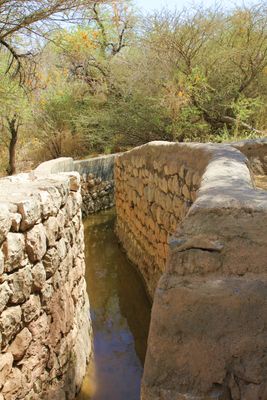
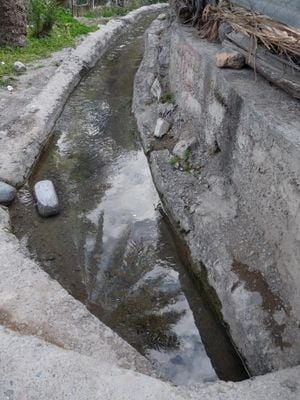
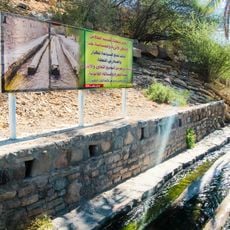
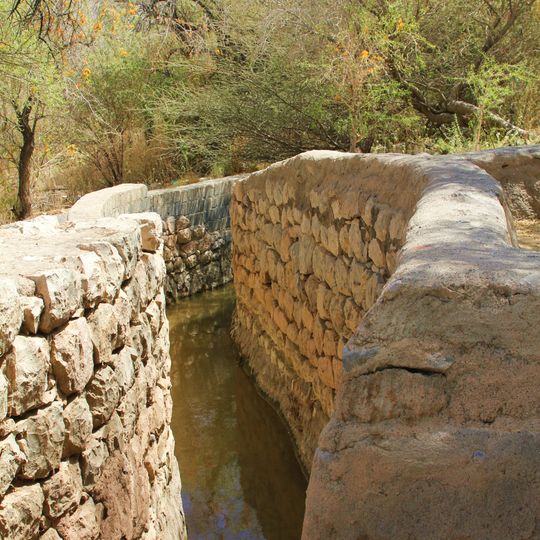
The Aflaj irrigation system is a network of water channels, underground tunnels, and distribution points that transport water from aquifers to agricultural land across large distances. The five main systems use different methods: Dawoodi channels with long underground passages, Ghaili channels fed by surface water, and Ainy channels drawing from natural springs.
The system was constructed around 500 AD and demonstrates advanced engineering techniques for water collection and distribution through gravity-fed channels. These methods made it possible to develop agriculture in dry regions and allowed communities to thrive in harsh environments.
Water distribution is governed by traditional time units called athar and badda, monitored by designated officials to ensure fair sharing among residents. These rules still shape daily life in villages today and reflect how communities here manage water as a shared resource.
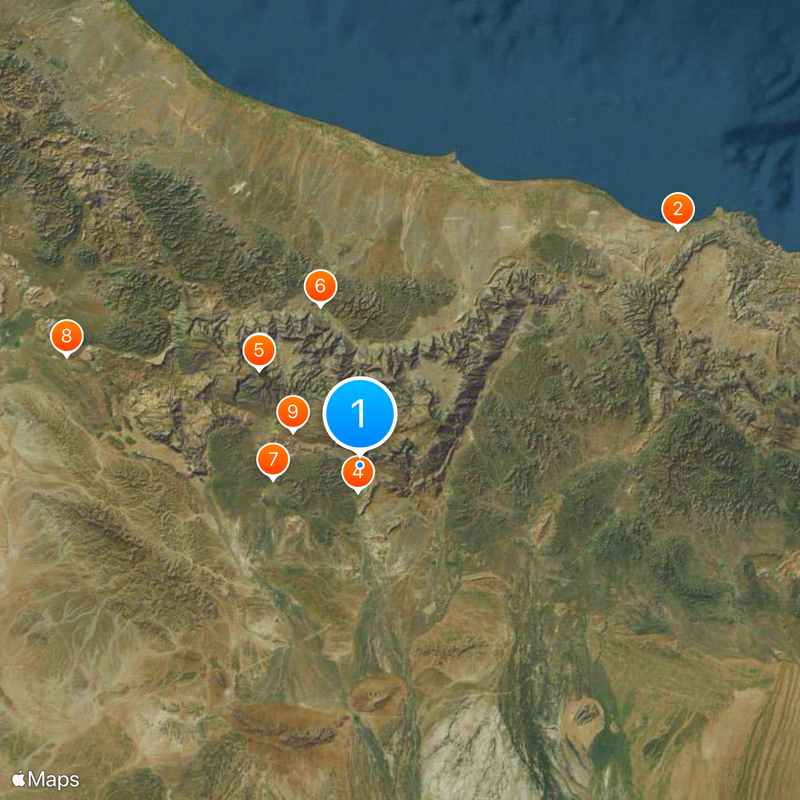
When exploring, visitors can observe different channel types across varying elevations and terrain, as the network spreads over mountainous and desert landscape. It is best to walk with a local guide to understand the hidden underground sections and see the system's impact on nearby villages and fields.
The system includes around 3,000 functional channels, many of which remain actively used today to water farms and homes. This continuous use over thousands of years makes it one of the oldest still-operating irrigation systems in the world.
The community of curious travelers
AroundUs brings together thousands of curated places, local tips, and hidden gems, enriched daily by 91,510 contributors worldwide.