Ethiopia, Federal republic in East Africa
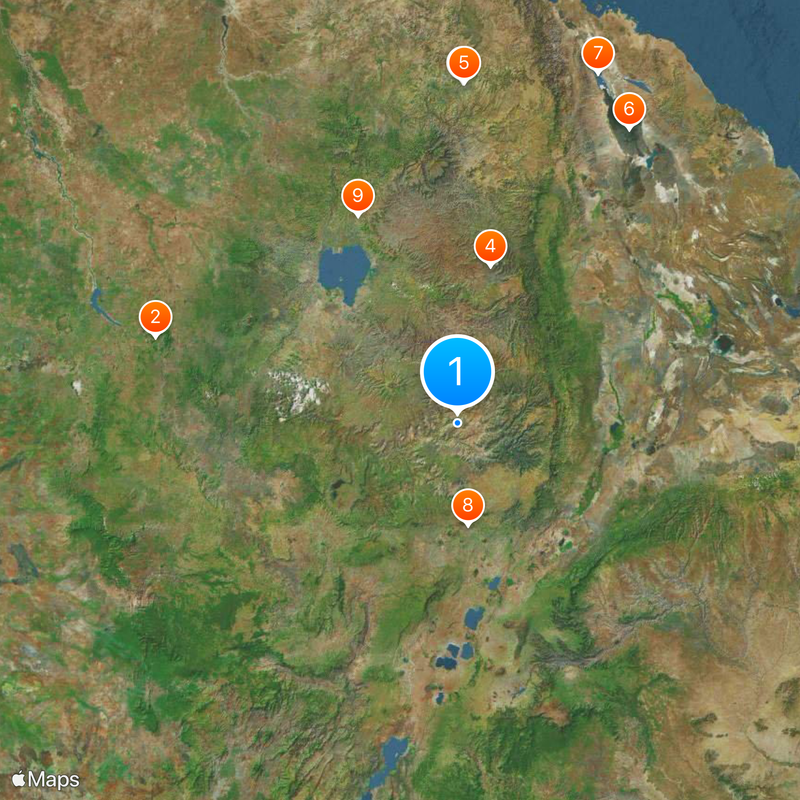
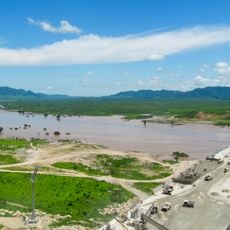
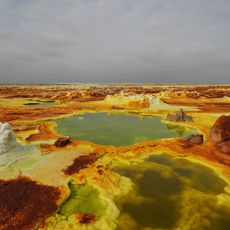
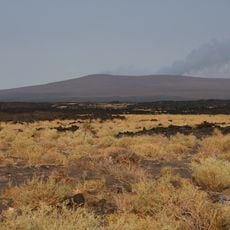
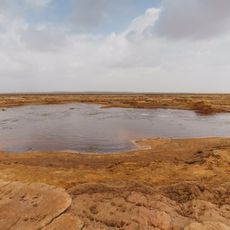
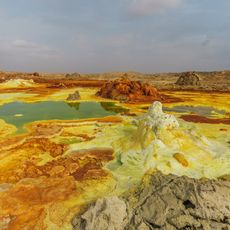
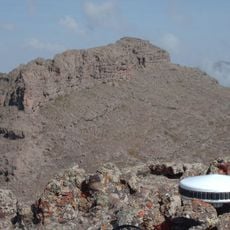
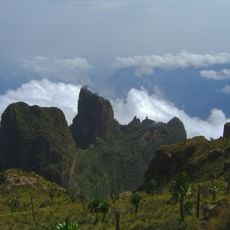
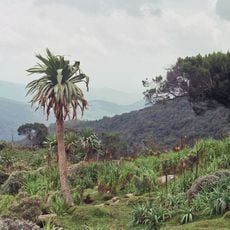
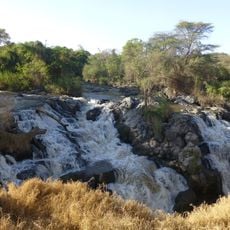
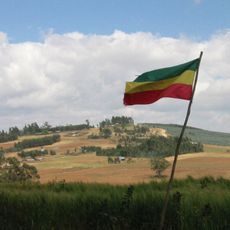
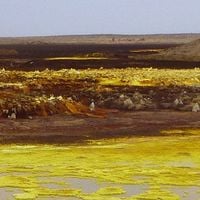
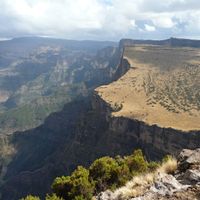
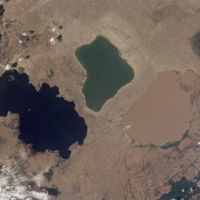
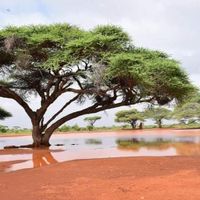
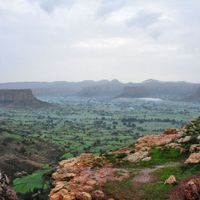
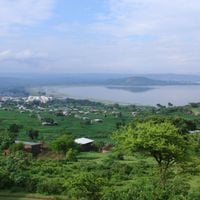
Ethiopia is an East African country stretching from the Danakil Depression to the peaks of Ras Dashan, shaped by plateaus, valleys and volcanic chains. The territory includes the Great Rift Valley, which divides the highlands into western and eastern halves and creates numerous lakes and river valleys.
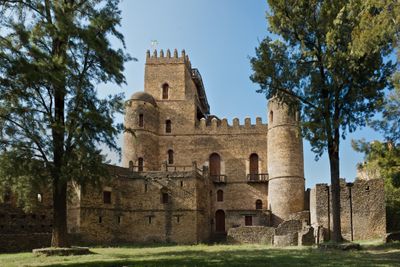
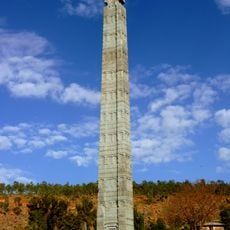
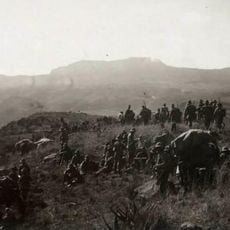
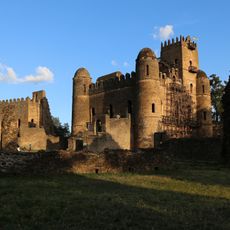
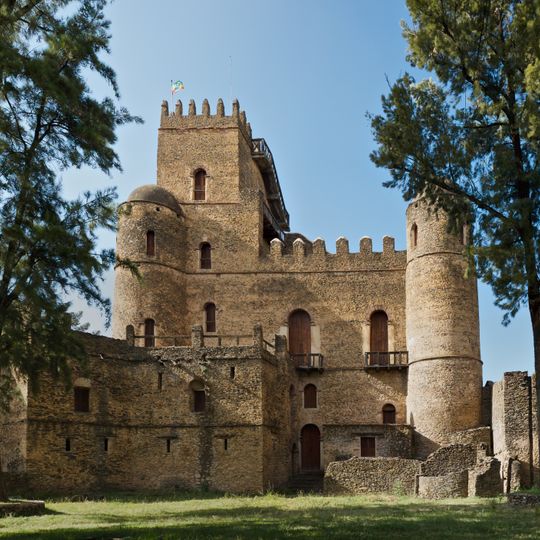
The Empire of Abyssinia emerged in the 13th century under the Solomonic dynasty and preserved its independence through centuries of Ottoman and European expansions. The defeat of the Italian army at Adwa in 1896 made the country the only African state never permanently colonized.
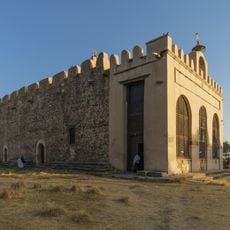
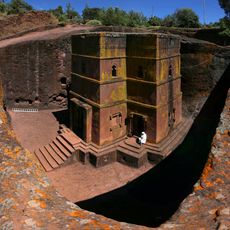
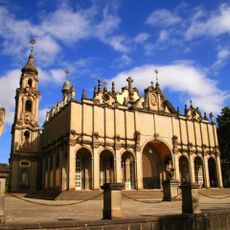
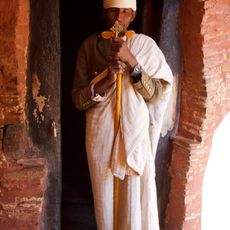
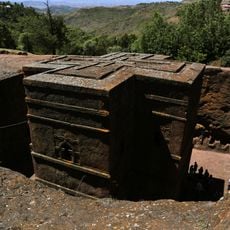
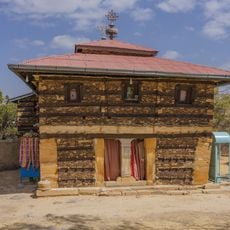
The Ethiopian Orthodox Church shapes daily life with its monasteries, rock-hewn churches and pilgrimage sites scattered across the land. During fasting periods many people eat vegetarian meals, and liturgical chants in Ge'ez echo from churches in the early morning hours.
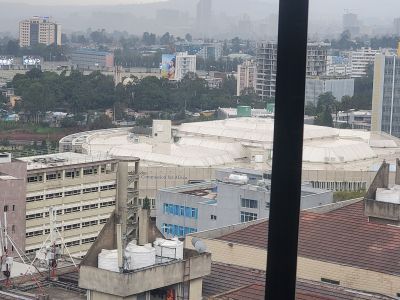
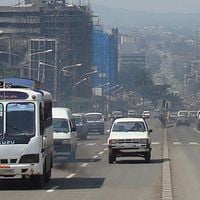
The capital Addis Ababa sits above 2400 meters (7874 feet), which travelers may notice in the first few days and requires gradual adjustment. Many regions feature mountainous terrain, which means longer travel times between places and calls for careful trip planning.
The country follows its own calendar, which runs seven to eight years behind the Gregorian calendar and counts 13 months. Time is measured differently, with the day starting at sunrise at zero hour and the night restarting at sunset.
The community of curious travelers
AroundUs brings together thousands of curated places, local tips, and hidden gems, enriched daily by 90,804 contributors worldwide.