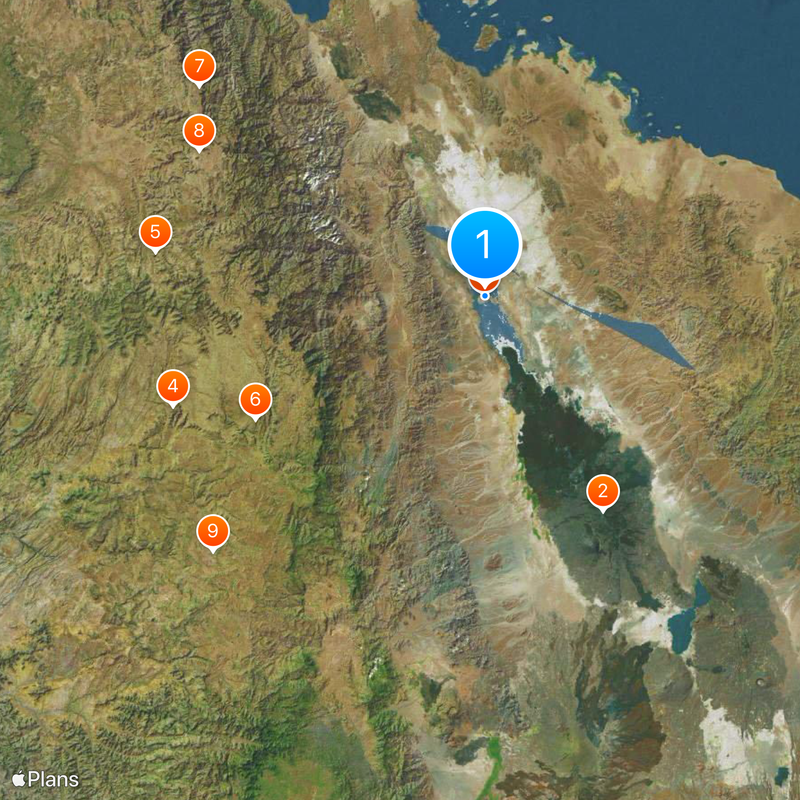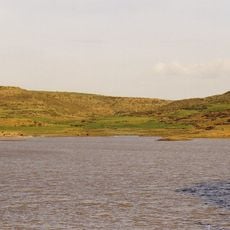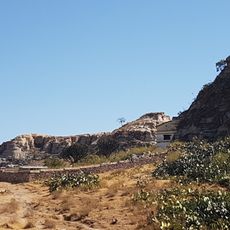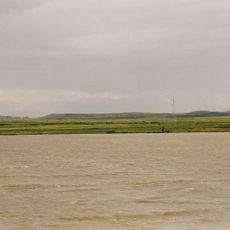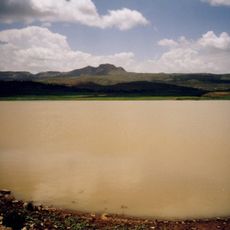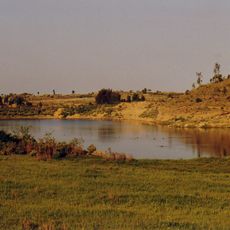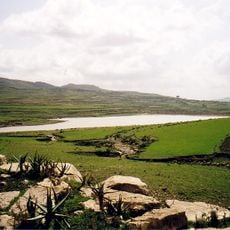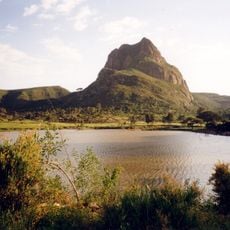
Danakil Depression, Geological depression in Afar Region, Ethiopia.
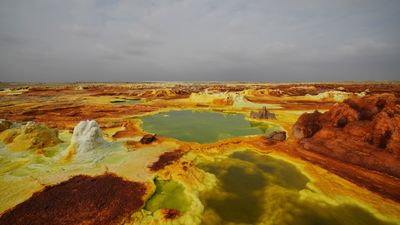
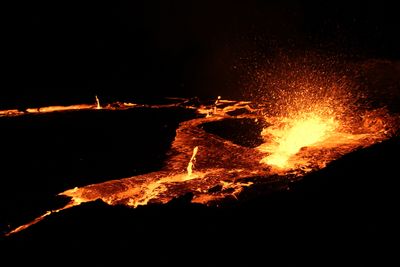
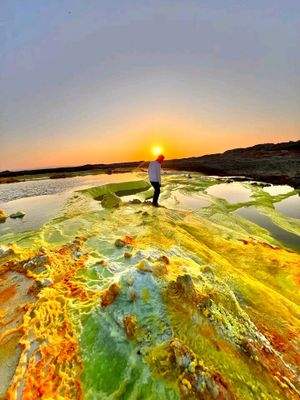
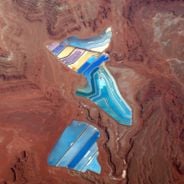
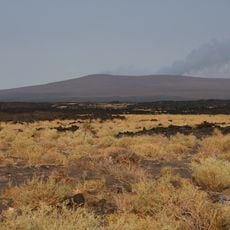
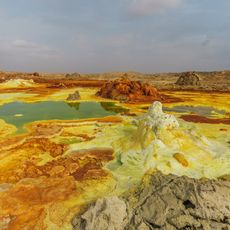
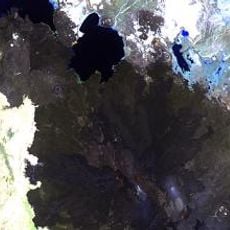
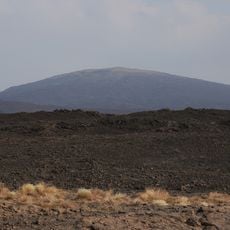
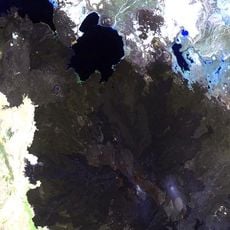
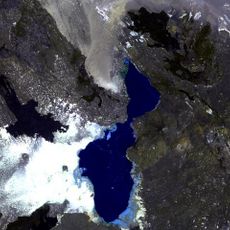
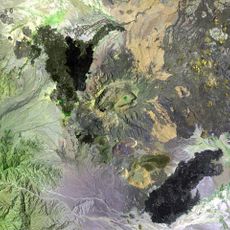
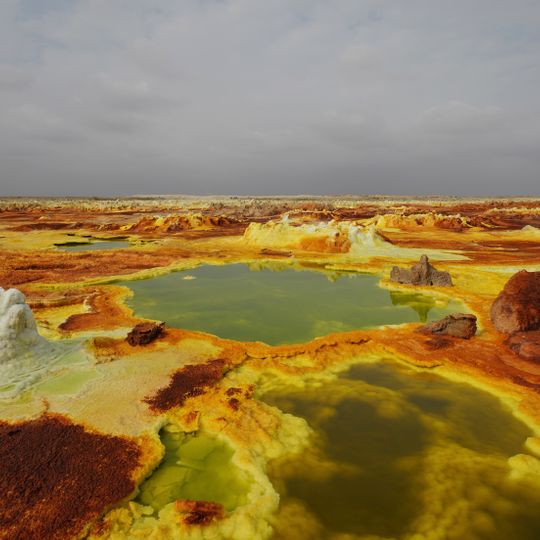
This geological depression stretches 200 kilometers long and 50 kilometers wide, sitting partially 410 feet (125 meters) below sea level. The landscape encompasses salt lakes, lava lakes, active volcanoes and acidic springs whose mineral deposits create bright yellow, green and red colorations.
Paleoanthropologists discovered the Lucy fossil here in 1974, a 3.2 million year old Australopithecus afarensis specimen that established the region as a significant site for human evolution research. Tectonic activity at the junction of three continental plates has been reshaping this depression for millions of years.
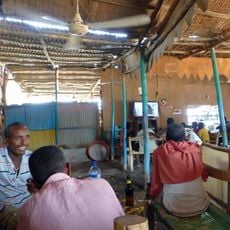
Afar communities have extracted salt here for centuries, moving mineral blocks by camel caravan along established trade routes to regional markets. This traditional economy continues to shape the lives of nomadic populations in one of the continent's harshest inhabited regions.
Tours depart from Mekele between September and May when temperatures drop to 95 degrees Fahrenheit (35 degrees Celsius) rather than the extreme 122 degrees Fahrenheit (50 degrees Celsius) during summer months. Visitors require four-wheel drive vehicles, armed guides per regional regulations and must bring adequate water and sun protection.
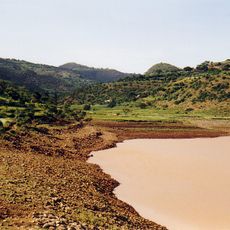
The Gaet'ale Pond, which formed after a 2005 earthquake, contains water with 43 percent salinity, surpassing the Dead Sea. This extreme salinity makes it the most concentrated natural salt lake on Earth and excludes nearly all life forms.
The community of curious travelers
AroundUs brings together thousands of curated places, local tips, and hidden gems, enriched daily by 92,611 contributors worldwide.